







Monday, 13 July 2026 | 5 min read
Executive Overview
On June 19, 2026, the municipality of Ravno in Bosnia and Herzegovina became a vibrant epicenter for environmental diplomacy, heritage conservation, and youth empowerment. The occasion was the high-profile Public Forum titled “Sustainable protection of World Heritage and the environment in Bosnia and Herzegovina.” Convening against the backdrop of the region’s globally celebrated ecological landscapes, the gathering brought together a diverse coalition of government officials, academic luminaries, environmental scientists, cultural heritage preservationists, civil society organizations, local stakeholders, and passionate young advocates.
The primary objective of the day-long summit was to catalyze dynamic dialogue and forge lasting institutional partnerships dedicated to safeguarding the nation’s fragile ecosystems and monumental World Heritage assets. Organized as a core milestone of the broader project—“Raising Awareness of Environmental Protection and World Heritage in Bosnia and Herzegovina – Engaging youth through educational materials and public forums”—the event underscored an escalating national and international commitment to ecological resilience.
The initiative is proudly spearheaded by the Public Institution “Vjetrenica” Ravno, receiving vital international backing through UNESCO’s International Assistance mechanism under the World Heritage Fund. By bridging the gap between grassroots youth engagement and high-level policy formulation, the Ravno forum established a new benchmark for integrated conservation in the Western Balkans. As climate pressures mount and anthropogenic threats to biodiversity intensify, this landmark gathering demonstrated that the future of subterranean heritage relies on cross-sectoral collaboration, scientific rigor, and the active inclusion of the next generation of stewards.
Detailed Chronology & Event Proceedings
The genesis of the June 19 Public Forum traces back to the successful international inscription of the Vjetrenica Cave on the prestigious UNESCO World Heritage List in 2024. Recognizing that inscription is merely the first step toward effective long-term stewardship, regional stakeholders—led by the Public Institution “Vjetrenica” Ravno—conceived a comprehensive, multi-phased educational and public awareness project.
Morning Session: Setting the Stage for Environmental Stewardship
The proceedings commenced at 10:00 AM local time in Ravno, drawing an engaged audience of over one hundred delegates. The timing of the forum was deeply symbolic, taking place in close temporal proximity to World Environment Day 2026, which focused globally on accelerated climate action and ecological adaptation.
Moderated panels throughout the morning dissected the intricate vulnerabilities facing South-Eastern Europe’s karst landscapes. Experts presented data highlighting how shifting weather patterns, localized hydrological alterations, and unmanaged tourism could jeopardize subterranean ecosystems if preemptive legal and physical protections are not strictly enforced.
Afternoon Workshops: Collaborative Action and Youth Integration
Following the formal opening addresses, the forum transitioned into interactive workshops and plenary discussions. These sessions focused heavily on operationalizing the project’s educational components. Civil society organizations and educators reviewed draft curricula designed to introduce karst geology, speleobiology, and climate literacy into regional secondary schools.
Simultaneously, youth delegates led a dedicated roundtable discussing the barriers young professionals face when attempting to enter the fields of environmental governance and heritage management. The consensus emerging from these afternoon workshops was definitive: sustaining World Heritage requires shifting from top-down bureaucratic mandates to inclusive, community-driven frameworks that actively empower youth as co-decision-makers.
Supporting Context & Metrics: The Ecological Significance of Vjetrenica Cave
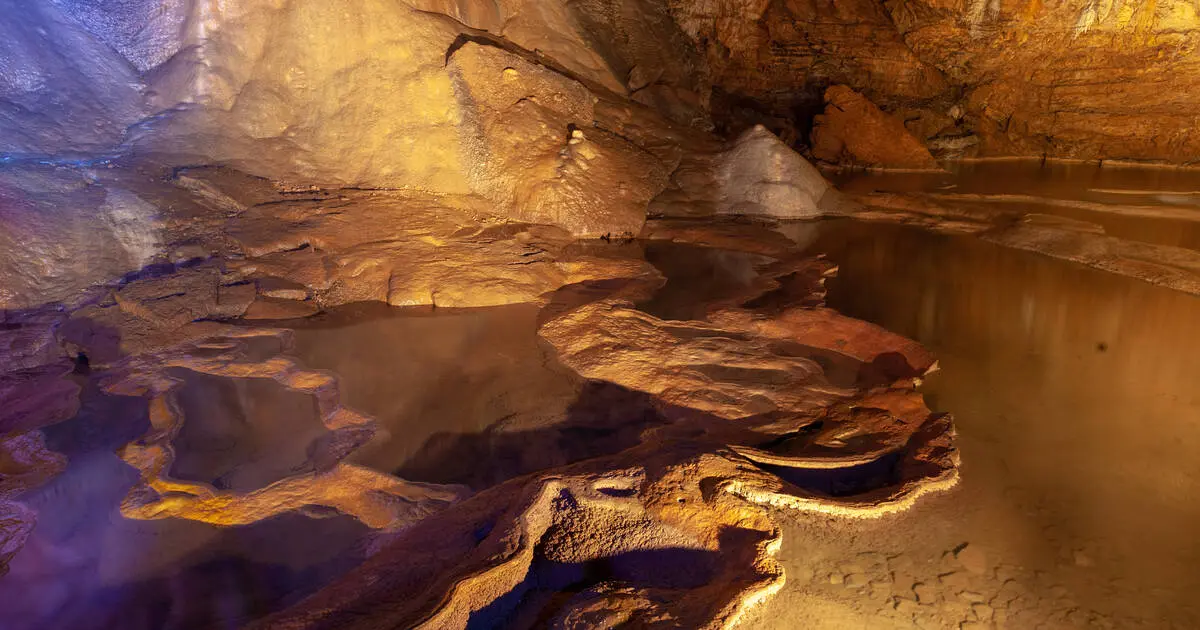
To fully appreciate the urgency and gravity of the discussions held in Ravno, one must examine the extraordinary ecological metrics that define the Vjetrenica Cave property. Inscribed under UNESCO’s natural criteria in 2024 (Properties Reference WHC List 1673), Vjetrenica—whose name poetically translates to "wind cave"—is widely recognized by speleologists worldwide as a biodiversity hotspot of global significance.
+--------------------------------------------------------------------------+
|                       VJETRENICA CAVE KEY METRICS                        |
+------------------------------+-------------------------------------------+
| Inscription Year             | 2024 (UNESCO World Heritage List)         |
| Geographical Location        | Ravno, Bosnia and Herzegovina             |
| Primary Ecological Status    | Exceptional Subterranean Biodiversity     |
| Endemism Level               | Globally Significant Endemic Fauna        |
| Evolutionary Importance      | Rare Relict Species & Evolutionary Insights|
+------------------------------+-------------------------------------------+
Subterranean Biodiversity and Karst Hydrology
Vjetrenica is not merely a geological marvel; it is a complex, living subterranean biosphere. The cave system boasts an astonishing array of endemic subterranean species—organisms that have evolved in total darkness over millions of years, developing unique physiological adaptations to nutrient-scarce environments.
- Endemic Fauna: The cave is home to numerous troglobites (cave-dwelling species found nowhere else on Earth), including specialized beetles, crustaceans, and the famous Proteus anguinus (olm), an aquatic salamander symbolizing subterranean evolutionary history.
- Relict Species: Vjetrenica serves as a living museum, preserving relict species that offer evolutionary biologists an irreplaceable window into ancient terrestrial and aquatic ecosystems dating back to past geological epochs.
- The Karst Wind Phenomenon: Driven by profound barometric differentials between the subterranean chambers and the external Mediterranean-influenced climate, the cave’s powerful air currents ("vjetrenica") create a unique microclimatic ecosystem that dictates the lifecycle of its delicate biological inhabitants.
The UNESCO Framework and International Assistance
The global significance of Vjetrenica led to its inclusion in UNESCO’s portfolio of protected properties. However, inscription brings heightened visitation pressures and complex management mandates. Through the International Assistance mechanism of the World Heritage Fund, UNESCO actively supports States Parties—such as Bosnia and Herzegovina—in fulfilling their obligations under the 1972 World Heritage Convention.
The ongoing project in Ravno directly aligns with UNESCO’s strategic objectives:

- Credibility: Ensuring rigorous scientific monitoring of the property’s Outstanding Universal Value (OUV).
- Conservation: Mitigating anthropogenic and climate-induced threats to fragile cave habitats.
- Capacity Building: Equipping local institutions with modern management tools and legal enforcement mechanisms.
- Communication: Raising public consciousness regarding the intrinsic and instrumental value of natural heritage.
Official Statements & Leadership Insights
The gravity of the Ravno forum was reflected in the caliber of its keynote speakers, who delivered compelling addresses emphasizing both the triumphs of recent conservation milestones and the persistent challenges ahead.
"The inscription of Vjetrenica was a monumental victory for Bosnia and Herzegovina, but our work has only just begun. True conservation is not written on a certificate; it is forged daily through institutional cooperation, scientific vigilance, and the hearts of our youth."
— Davor Baković, Director of the Public Institution “Vjetrenica” Ravno
Echoing this sentiment, Biljana Čamur Veselinović, Secretary of the Ministry of Civil Affairs of Bosnia and Herzegovina and Secretary-General of the National Commission for UNESCO, stressed the vital nexus between state policy and local implementation.
"Protecting our World Heritage properties is a multi-tiered obligation. The Ministry of Civil Affairs remains steadfast in bridging international environmental standards with domestic administrative action, ensuring that treasures like Vjetrenica are preserved unimpaired for posterity."
Representing regional environmental governance, Stjepan Matić of the Federal Ministry of Environment and Tourism highlighted the economic and ecological interdependence of sustainable development.
"We cannot view environmental protection as an obstacle to economic progress. In regions like Ravno, sustainable eco-tourism and heritage conservation are the twin engines of a resilient, future-proof local economy."
Providing the international perspective, Siniša Šešum, Head of the UNESCO Antenna in Sarajevo, underscored the global dimension of local conservation efforts.
"UNESCO is immensely proud to support the initiatives in Ravno through the World Heritage Fund. Vjetrenica is not just a national treasure of Bosnia and Herzegovina; it is an irreplaceable chapter in the natural history of our planet. The engagement we see today proves that local communities and youth are ready to shoulder the responsibility of global stewardship."
Future Outlook: A Roadmap for Sustainable Heritage Management
As the June 19 Public Forum concluded, participants did not merely disperse; they established a forward-looking roadmap designed to institutionalize the day’s insights into concrete policy and educational outcomes over the coming years.
1. Curriculum Integration and Youth Leadership Networks
The primary deliverable of the ongoing UNESCO-backed project—the development and distribution of specialized educational materials—will roll out across schools in Bosnia and Herzegovina throughout the 2026–2027 academic year. These materials aim to foster ecological literacy early, cultivating a generation that views environmental conservation as a civic duty rather than an afterthought. Furthermore, plans were announced to establish a permanent Youth Advisory Council for World Heritage in Bosnia and Herzegovina, giving young scientists and advocates a direct line to municipal and national policymakers.
2. Enhanced Scientific Monitoring and Climate Resilience
In response to escalating climate anomalies discussed during the post-World Environment Day panels, the Public Institution “Vjetrenica” Ravno is partnering with academic institutions to expand baseline scientific monitoring within the cave system. Utilizing advanced sensor networks, researchers will track real-time fluctuations in internal humidity, temperature, airflow, and hydrological runoff, ensuring that any ecological stress is detected and mitigated before permanent damage occurs.
3. Sustainable Tourism Management Plans
With international tourist arrivals projected to rise following Vjetrenica’s 2024 World Heritage inscription, balancing visitor access with strict conservation protocols remains a paramount priority. The insights gathered at the Ravno forum will directly inform the updated Visitor Management Strategy, establishing strict carrying capacities for subterranean tours, enhancing waste management infrastructure, and promoting eco-certified local enterprises that benefit the community without compromising the karst environment.
Conclusion
The Public Forum in Ravno served as a resounding reminder that the safeguarding of natural wonders like the Vjetrenica Cave transcends local boundaries—it is a profound moral and scientific obligation. By uniting government ministries, international bodies, scientific minds, and youthful enthusiasm, Bosnia and Herzegovina has demonstrated exemplary leadership in environmental stewardship. As the initiatives born from this historic gathering take root, they ensure that the subterranean winds of Vjetrenica will continue to whisper the ancient, untamed history of our living Earth for generations to come.