


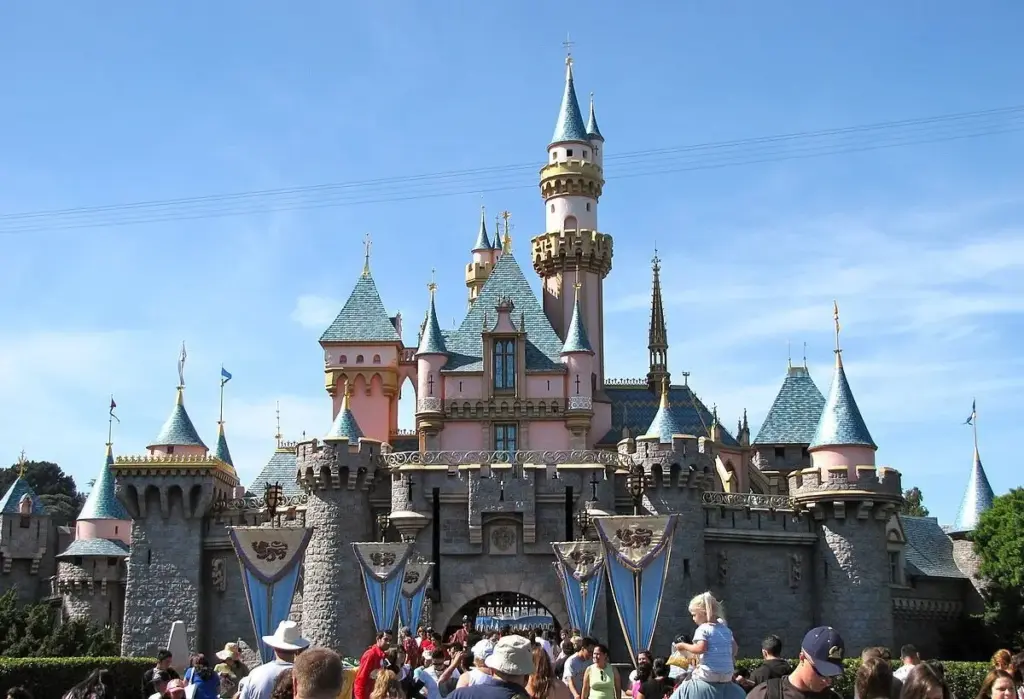
For decades, a trip to Disneyland has been regarded as a quintessential milestone for young families. However, as ticket prices have climbed steadily upward, a growing chorus of consumers has voiced concern that the "Happiest Place on Earth" is rapidly becoming a luxury reserved only for the wealthy.
In response to these shifting consumer dynamics, The Walt Disney Company is executing a highly calculated, two-pronged pricing strategy. By aggressively raising the prices of premium add-ons, VIP experiences, and peak-day admissions while keeping entry-level ticket prices remarkably flat, Disney is attempting to walk a delicate financial tightrope.
The overarching goal of this strategy is to construct a accessible "on-ramp" for budget-conscious, first-time visitors. The company is betting that if it can hook young families with affordable entry-level options today, those same families will gradually transition into high-spending loyalists as their household income grows over time.
The "On-Ramp" Theory: Why Disney Wants Budget-Conscious Beginners
This strategic philosophy was laid bare recently by Disney’s Chief Financial Officer, Hugh Johnston. Speaking at a Goldman Sachs investment conference, Johnston emphasized that the entertainment giant is "acutely sensitive to" the perception of its pricing and the financial pressures facing modern households.
According to Johnston, Disney’s pricing architecture is deliberately designed to welcome families at various stages of their financial journeys. The company views the entry-level ticket not as a primary driver of immediate, high-margin profit, but as an essential customer-acquisition tool. By keeping the barrier to entry low enough for young parents, Disney establishes a multi-decade relationship with consumers.
Disney's Customer Lifetime Value (LTV) Pipeline:
[ Young, Budget-Conscious Family ]  -->  Enters via $104 Low-Tier Ticket / Local Promo
                 │
                 ▼
[ Mid-Stage Returning Guest ]       -->  Upgrades to Multi-Day Passes, On-Site Hotels
                 │
                 ▼
[ High-Value Loyalists ]            -->  Purchases Premium Add-Ons, Lightning Lane, VIP Tours
In the world of corporate strategy, this is a classic customer lifetime value (LTV) play. A family visiting Disneyland for the first time with toddlers might opt for the cheapest single-day ticket, bring their own snacks, and skip the expensive souvenirs. However, as those children grow and the parents’ career trajectories progress, their spending patterns change. On their next visit, they might stay at a Disney resort hotel, purchase Lightning Lane passes to bypass lines, dine at table-service restaurants, and buy customized merchandise.
If Disney were to price these young families out of the market entirely during their early, lower-earning years, it would risk losing them permanently to competitors or alternative vacation destinations. The "on-ramp" ensures that the pipeline of future high-spenders remains consistently full.
The Tale of Two Tickets: $104 vs. $224
Nowhere is this bifurcated pricing model more visible than in the stark contrast between Disneyland’s highest- and lowest-priced single-day tickets.
According to a detailed historical pricing analysis conducted by the Disney travel and news site Mickey Visit, the price of a peak-day, one-day ticket at Disneyland in Anaheim, California, has soared by nearly 90% over the past decade. Ten years ago, the most expensive single-day ticket cost $119. Today, a Tier 6 single-day ticket during peak holiday periods or busy weekends will run visitors $224.
| Ticket Category (Disneyland Resort) | Price in 2014 | Price in 2024 / Present | Percentage Change |
|---|---|---|---|
| Peak-Day Single Admission (Highest Tier) | $119 | $224 | ~88.2% Increase |
| Off-Peak Single Admission (Lowest Tier) | $96 | $104 | ~8.3% Increase (Stable since 2019) |
At the same time, Disney has made a point of preserving its absolute lowest price point. The cost of a Tier 0 (formerly Tier 1) ticket—valid on the lowest-demand weekdays, typically during the off-season months of January, February, or September—has remained locked at $104 since 2019.
By freezing the base ticket price for half a decade while letting peak-day prices float upward, Disney effectively segments its audience by both price sensitivity and time flexibility:
- Price-Sensitive Guests: Teachers, local residents, and families with flexible schedules can target the $104 mid-week dates, enjoying the park at a price point that has resisted inflation for five years.
- Time-Sensitive Guests: Out-of-state tourists, corporate professionals, and families bound strictly to school holiday calendars are funneled into the premium $224 peak dates.
This dynamic pricing structure allows Disney to maximize its revenue yield during high-demand periods while preventing the parks from looking entirely inaccessible to the average consumer.
Monetizing the Experience: The Shift to Premium Add-Ons
To offset the flat pricing of its lowest-tier tickets and keep pace with rising labor and operational costs, Disney has shifted much of its monetization focus to premium add-ons. For the modern Disney visitor, the price of admission is increasingly just the starting point of the transaction.
Once inside the gates, guests are met with a sophisticated ecosystem of optional upgrades designed to save time or enhance convenience. The most prominent of these is the digital queue-skipping service, which has undergone various iterations from the free FastPass system of the past to the paid Disney Genie+ and the recently rebranded Lightning Lane Multi Pass and Single Pass systems. These digital line-skipping options operate on dynamic pricing, meaning their cost fluctuates based on daily demand, often adding an extra $30 to $90 per person, per day to the cost of a trip.
Beyond ride access, Disney has aggressively monetized other aspects of the park experience:
- Parking: Standard and preferred parking rates have steadily ticked upward.
- Food and Beverage: High-margin novelty snacks, character dining experiences, and themed alcoholic beverages provide a continuous stream of ancillary revenue.
- Special Event Ticketing: Hard-ticketed, after-hours events—such as Oogie Boogie Bash during the Halloween season—allow Disney to clear the park early and charge a second group of guests premium prices for night-time access.
By shifting the financial burden to these optional, premium add-ons, Disney allows budget-conscious travelers to opt out of extra expenses, while high-earning visitors willingly pay premium rates to optimize their limited vacation time.
Courting the Locals: Resident Discounts and Evening Passes
While out-of-state tourists represent the highest-spending demographic per visit, local residents form the operational backbone of Disneyland Resort in California. Unlike Walt Disney World in Florida, which relies heavily on international and long-distance domestic travelers, Disneyland in Anaheim is heavily supported by a dense population of Southern California locals.
To keep this vital demographic engaged without cannibalizing peak-day tourist revenue, Disney frequently deploys targeted discount programs. These include multi-day ticket packages exclusive to Southern California residents, which offer significant per-day discounts when purchased for weekday use during slower seasons.
Additionally, Disney has experimented with evening-only tickets and specialized promotional passes designed for guests who may only want to drop by after work for dinner, a few rides, and the evening fireworks. These programs serve a dual purpose: they fill the parks during historically lower-occupancy evening hours and encourage spending on food, drinks, and merchandise, which carry incredibly high profit margins.
The Economic Tightrope: Balancing Inflation and Brand Equity
Disney’s pricing strategy does not exist in a vacuum. It is a direct response to a complex post-pandemic macroeconomic landscape. Following a period of intense "revenge travel" in 2021 and 2022, during which consumers spent savings built up during lockdowns, the travel industry at large has experienced a normalization of demand.
At the same time, persistent inflation has squeezed household budgets, making consumers far more discerning about how and where they spend their discretionary income. Theme park operators are finding that they can no longer rely on blanket price increases across all categories without facing severe consumer pushback or declining attendance.
By adopting a surgical approach to pricing—raising costs on those who can afford it while preserving entry-level access—Disney is attempting to protect its brand equity. The company’s leadership understands that if Disneyland becomes viewed strictly as an elitist playground, it risks losing its cultural status as a universal rite of passage for American families.
Furthermore, the competitive landscape is intensifying. With major rivals like Universal Destinations & Experiences investing heavily in massive new attractions and entirely new theme parks, Disney must ensure its ticketing entry points remain competitive enough to prevent families from taking their vacation dollars elsewhere.
Ultimately, Disney’s pricing strategy is a masterclass in modern consumer segmentation. By playing with how much different demographics pay, Disney is attempting to prove that it can be both a premium, luxury experience for those willing to pay for convenience, and a welcoming, accessible destination for the next generation of lifelong fans.