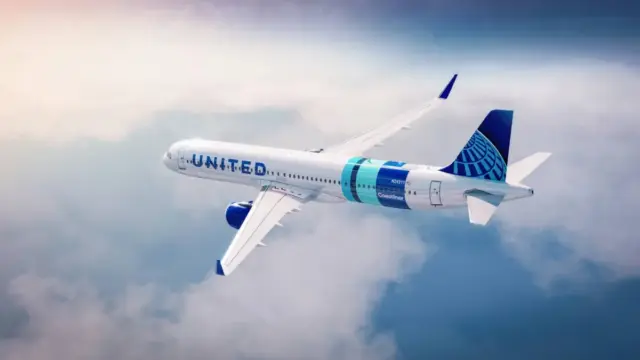





In the ever-evolving landscape of global aviation and transpacific routing, fare structures remain a critical battleground for legacy carriers and budget-conscious travelers alike. United Airlines has recently rolled out a compelling new promotional pricing structure for travel to Manila, Philippines (MNL), headlined by an eye-catching entry-level basic economy price point alongside a more robust, fully loaded regular economy alternative.
This pricing strategy arrives at a time when transpacific capacity is slowly returning to pre-pandemic baselines, yet inflationary pressures continue to shape how airlines package ancillary services. At the core of this fare release are two distinct pricing tiers: a heavily restricted $741 Basic Economy ticket and a more comprehensive $961 Regular Economy fare. For travelers eyeing a journey to Southeast Asia, understanding the trade-offs between these two price points is paramount. While the $741 ticket offers immediate savings, it strips away foundational travel flexibilities that many international flyers consider non-negotiable—most notably, checked baggage allowances and advance seat assignments. Conversely, the $961 regular economy option preserves traditional perks, offering two free checked bags, standard carry-on privileges, and the ability to select seats prior to check-in.
This report provides a granular examination of the United Airlines Manila sale, exploring the operational mechanics of basic versus regular economy, analyzing broader macroeconomic trends influencing US-to-Asia airfares, and offering strategic insights for travelers seeking to maximize value without compromising comfort.
Detailed Chronology of the Fare Release
The rollout of transpacific fare sales typically follows a calculated timeline managed by airline yield management systems and automated revenue optimization algorithms. While specific flash sales can materialize overnight, the systemic adjustment of fare classes to destinations like Manila usually unfolds across several distinct operational phases.

Phase 1: Algorithmic Calibration and Inventory Loading
Months prior to the peak travel windows, network planners at United Airlines evaluate historical load factors, competitor pricing models from carriers like Delta Air Lines, American Airlines, and Asian legacy operators (such as Philippine Airlines and Cathay Pacific), and projected fuel costs. During this initial phase, inventory is mapped out across various booking classes. The introduction of a $741 baseline fare indicates that airline revenue models have identified pockets of soft demand or excess capacity on specific routings, prompting the release of lower inventory buckets (often restricted to specific fare classes).
Phase 2: Public Dissemination and Marketplace Reaction
Once loaded into the Global Distribution Systems (GDS) and third-party aggregators, fare alerts immediately trigger notifications for frequent flyers and travel deal platforms. The bifurcation of the pricing structure—highlighting both the $741 basic tier and the $961 standard tier—creates a psychological anchor for consumers. Many travelers initially drawn in by the sub-$800 headline figure must subsequently weigh the hidden costs of basic economy restrictions against the straightforward, all-inclusive nature of the regular economy product.
Phase 3: Booking Windows and Capacity Adjustments
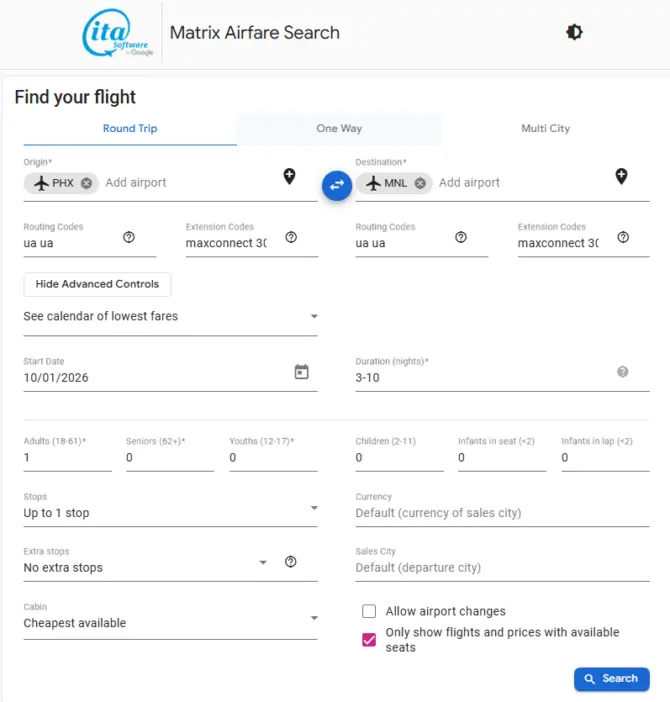
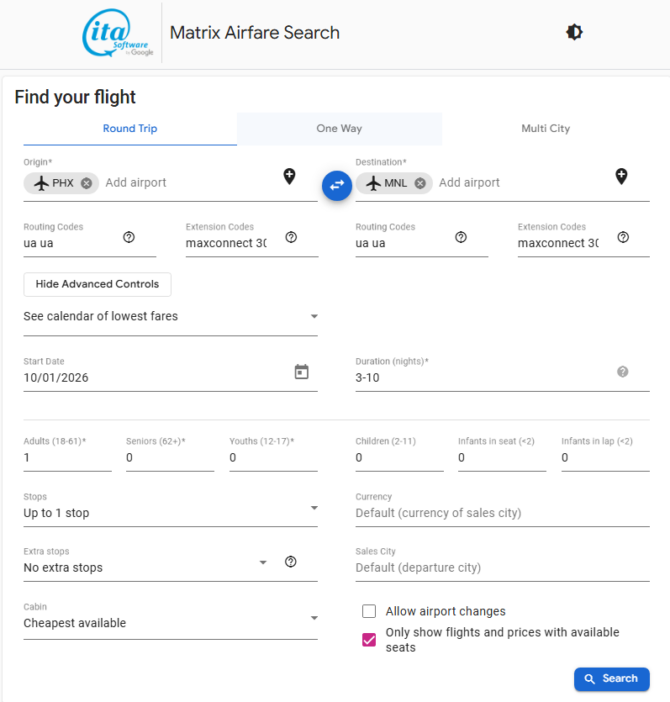
As demand surges following the public posting of these fares, dynamic pricing algorithms begin to monitor velocity. If bookings outpace projections, the lowest inventory buckets ($741) disappear rapidly, shifting consumers up the pricing ladder toward the $961 mark or higher. Consequently, the window of opportunity for securing these specific price points is notoriously narrow, rewarding proactive travelers who utilize ITA Matrix or real-time notification channels to lock in itineraries before inventory exhaustion occurs.
Supporting Context & Metrics: Basic vs. Regular Economy to Manila
Evaluating a transpacific flight requires looking far beyond the base ticket price. A flight spanning thousands of miles across the Pacific Ocean introduces unique endurance, baggage, and seating considerations that make fare class selection critical.
The $741 Basic Economy Breakdown
At $741, United’s basic economy fare is designed to compete directly with budget carriers and price-sensitive aggregators. However, this tier comes with strict limitations that consumers must factor into their total trip cost:
- Seat Assignment: Passengers cannot select their seats in advance. Seats are assigned automatically at check-in, often resulting in middle seats or separation from traveling companions.
- Changes and Cancellations: Basic economy international tickets on major US legacies are typically non-changeable and non-refundable once the risk-free 24-hour cancellation window has passed.
- Baggage Restrictions: While standard carry-on policies generally apply on long-haul international basic economy routes, checked baggage fees apply, which can quickly erode the initial savings if multiple bags are required.
- Boarding Groups: Basic economy passengers are boarded in the final groups, raising concerns about overhead bin space availability for standard carry-on luggage.
The $961 Regular Economy Advantage
For an additional $220, the $961 regular economy fare restores standard travel amenities that transform a grueling transpacific journey into a manageable experience:
- Two Checked Bags: International travel often involves heavy packing. Having two checked bags included natively eliminates hundreds of dollars in baggage fees that would otherwise apply under basic economy rules.
- Advance Seat Selection: Securing a preferred aisle or window seat weeks or months before departure ensures comfort on flights that routinely exceed 14 to 16 hours of total travel time.
- Flexibility and Mileage Accrual: Regular economy fares generally earn a higher percentage of Elite Qualifying Dollars (EQDs) and redeemable miles, while offering greater flexibility should travel plans require modification.
Economic Comparison Matrix
| Fare Feature | Basic Economy ($741) | Regular Economy ($961) |
|---|---|---|
| Base Price | $741 | $961 |
| Checked Bags | Subject to standard international fees | 2 Checked Bags Included |
| Carry-On Luggage | Normal size carry-on permitted | Normal size carry-on permitted |
| Seat Selection | Assigned at check-in (fees for advance choice) | Free advance seat assignment |
| Changes/Cancellations | Strictly restricted / Non-changeable | Standard fare rules apply |
| Boarding Group | Last boarding groups | Standard economy boarding |
Official Perspectives and Industry Analysis
Airline industry analysts view the coexistence of aggressive basic economy price points and fully featured standard fares as a masterclass in market segmentation. Rather than offering a single flat rate, legacy carriers utilize unbundling to capture two distinct consumer segments simultaneously.
According to commercial aviation experts, the price-sensitive leisure traveler willing to sacrifice comfort and flexibility for a sub-$800 ticket expands the total addressable market for the airline. At the same time, business travelers, digital nomads, and comfort-focused vacationers willingly pay the premium for the $961 tier to secure predictability, luggage space, and seating autonomy.

Furthermore, airline executives frequently emphasize that unbundled fares help legacy carriers compete effectively against non-traditional competitors without diluting yield across their entire network. By protecting the core revenue generated by standard economy and premium cabins, airlines can selectively deploy promotional pricing to stimulate demand during shoulder seasons or on competitive transpacific corridors.
Future Outlook: Transpacific Travel and Pricing Trends
Looking ahead, the trajectory of US-to-Asia airfares will likely be dictated by a complex interplay of macroeconomic variables, geopolitical stability, and aircraft delivery schedules.
1. Capacity Recovery and Fleet Dynamics
As Boeing and Airbus continue to navigate supply chain bottlenecks affecting widebody aircraft production, the total number of available seats on transpacific routes remains constrained relative to pre-2020 levels. This structural constraint prevents airfares from plunging permanently, meaning that sales like the $741 Manila fare will remain episodic promotional events rather than the permanent baseline.
2. Fuel Price Volatility
Jet fuel remains one of the most volatile operating expenses for international carriers. Any sudden geopolitical tensions or supply cuts that drive crude oil prices upward will inevitably force airlines to adjust their baseline pricing upward, narrowing the window for deeply discounted promotional fares.

3. The Evolution of Ancillary Revenue
The strict boundaries between basic economy and regular economy will likely continue to sharpen. Airlines are increasingly experimenting with granular unbundling—such as paid priority boarding, specialized cabin zones, and enhanced digital seat maps—meaning that the true cost of air travel will be determined more than ever by the specific mix of a passenger’s personal preferences.
Strategic Recommendations for Travelers
For those looking to capitalize on current and future transpacific promotions to Manila or broader Asian destinations, adopting a disciplined approach is essential:
- Audit Your True Needs: Always calculate the total cost of travel by adding potential baggage and seat selection fees to basic economy quotes before deciding which tier truly offers the best value.
- Leverage Real-Time Tracking: Utilize dedicated deal-tracking platforms, real-time newsletters, and automated fare alerts to catch flash sales within hours of their publication, as low-inventory buckets are depleted rapidly.
- Understand Fare Rules: Familiarize yourself with the exact change policies and elite status mileage-earning implications of the specific fare class you intend to purchase.
By maintaining awareness of these underlying market dynamics, travelers can successfully navigate complex airline pricing structures and secure optimal value for their next international journey.