








Published August 5, 2026 | By Editorial Staff
The modern outdoor recreation industry has cultivated a progressive, conscientious brand identity. Its commitment to public lands is fierce; sustainability initiatives are woven directly into corporate DNA; and conservation efforts are consistently backed by real capital and legislative advocacy. This is an ecosystem that has rallied around climate action, championed environmental justice, and fostered a culture that ostensibly cares deeply about the planet and the wild places humanity cherishes.
Yet, a glaring contradiction persists at the heart of this multi-billion-dollar market. Scan the Instagram feeds of dominant outdoor brands, walk into brick-and-mortar storefronts to study the larger-than-life murals, or examine the ambassador rosters of major gear manufacturers, and a stark demographic absence emerges. While these spaces have made commendable strides toward featuring diverse faces, varying body types, and a range of physical abilities, women over 50 are routinely omitted. They are rarely, if ever, celebrated for their strength, endurance, and decades of hard-won backcountry expertise.
In an industry that prides itself on honoring human achievement in wild places, an entire demographic of accomplished, powerful, and trailblazing women has been systematically sidelined. This piece examines the roots of this systemic oversight, the glaring double standard applied to aging male versus female adventurers, the cultural impact of this erasure, and the concrete steps brands must take to rectify a marketing strategy stuck in perpetual youth.
Detailed Chronology: The Evolution of Outdoor Marketing and Aging
To understand how the outdoor industry arrived at this juncture, it is helpful to trace the evolution of outdoor media and advertising over the past several decades.
The Era of Hyper-Youth and Extreme Sports (1990s–2000s)
During the commercial boom of extreme sports in the 1990s and 2000s, outdoor marketing was defined by high-octane adrenaline. Brands prioritized youth, speed, and risk-taking. Mountaineering, rock climbing, and snowboarding were framed as domains for young pioneers breaking physical barriers. In this foundational era, older athletes were rarely featured unless they were legendary patriarchs whose historical status safely placed them in a venerated, untouchable category.
The Diversity Awakening (2010s)
As cultural conversations around representation expanded in the 2010s, the outdoor industry faced long-overdue reckonings regarding race, socioeconomic background, and body inclusivity. Grassroots organizations and activist movements pressured brands to look beyond the traditional archetype of the white, cisgender male mountaineer. While these shifts successfully diversified brand imagery to include a broader spectrum of race and body types, the metric of youth remained largely unquestioned and untouched. Ageism quietly persisted as the final, acceptable frontier of exclusion in outdoor media.
The Modern Reckoning (Present Day)
By 2026, the demographics of outdoor participants have fundamentally shifted. An aging population—particularly active baby boomers and Gen Xers with disposable income and profound amounts of leisure time—dominates the trailheads of national parks, long-distance paths, and backcountry routes. Despite this on-the-ground reality, mainstream marketing budgets remain fixated on consumers under the age of 40. The disconnect between who actually populates the mountains and whose stories are deemed commercially viable has reached a boiling point, sparking widespread critique from seasoned adventurers who refuse to quietly fade into the background.
Supporting Context & Metrics: The Anatomy of Invisibility
The invisibility experienced by women over 50 in the outdoor sector is neither accidental nor benign. It is a calculated aesthetic choice driven by entrenched assumptions about consumer aspiration.
The "Aspirational" Fallacy
Marketing teams across the gear, apparel, and media landscapes operate on the long-standing premise that outdoor imagery must be "aspirational." In practice, this has translated to a narrow visual formula: youth, peak physical transformation, and untamed speed. By framing physical vitality as an attribute exclusive to those in their twenties and thirties, brands inadvertently—or perhaps deliberately—send a message that a woman’s outdoor currency depreciates with age.
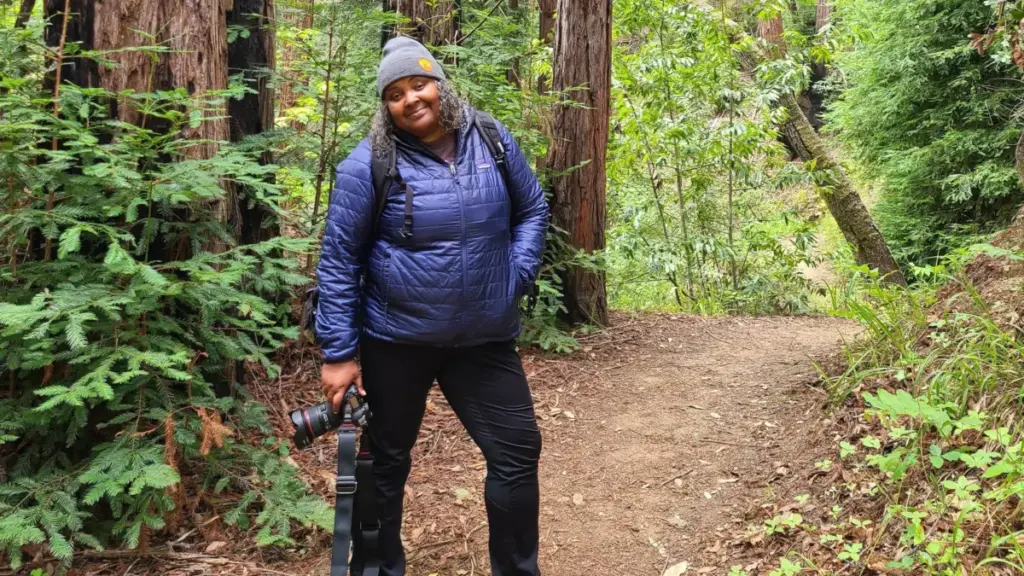
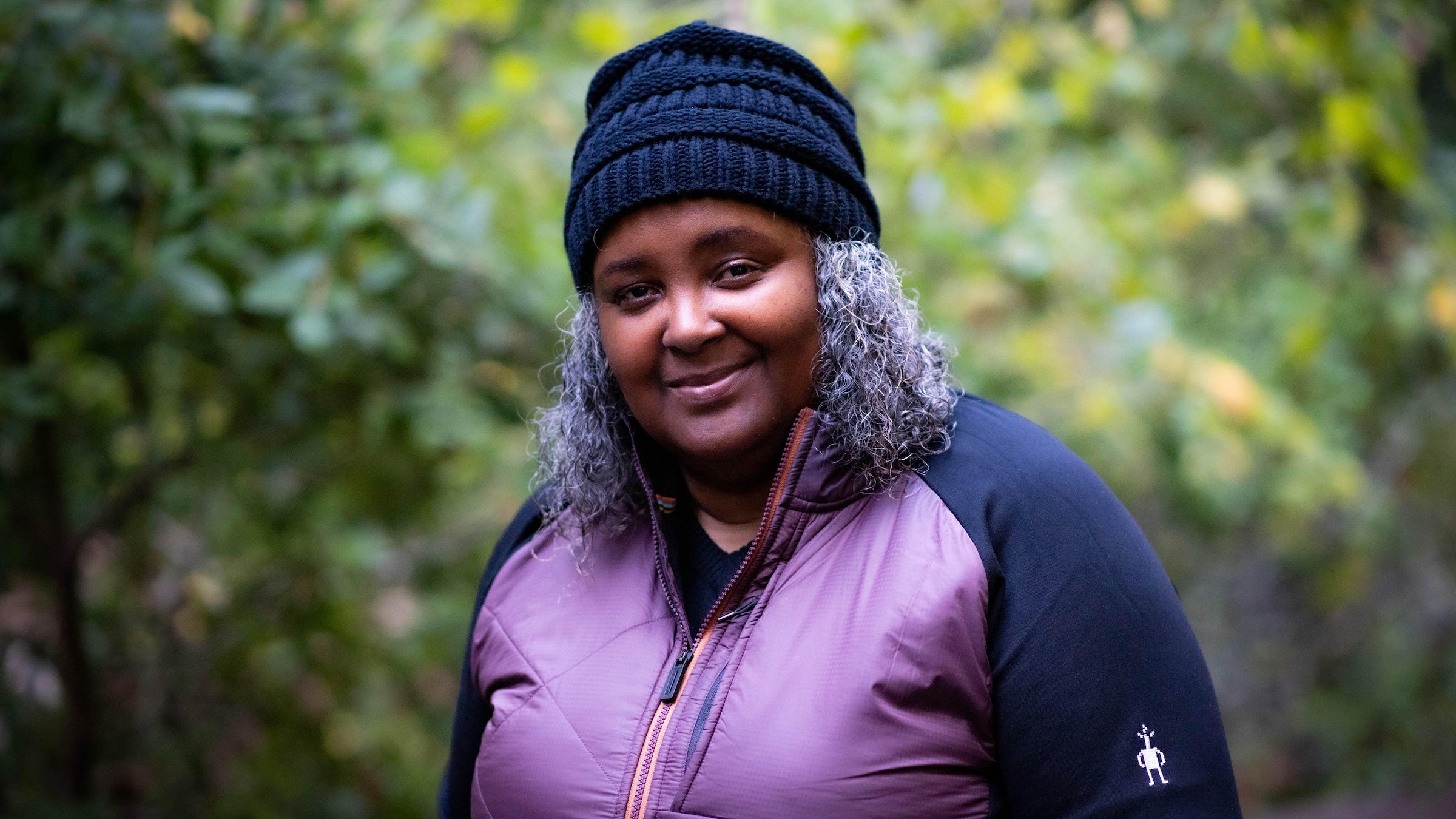
Teresa Baker, a prominent 50-something hiker and advocate based in California, notes the psychological toll of this branding strategy. Having spent her youth striving to keep pace with male peers in the rugged terrain of the Berkeley hills and Salinas valley, Baker ultimately rejected traditional competitiveness in favor of an intentional, deliberate pace. Today, she uses her platform to challenge the industry’s default settings.
"When women over 50 are erased from outdoor narratives, it doesn’t just hurt us; it limits what all women believe is possible as they age," Baker explains. "It reinforces a culture that devalues women the moment we stop looking like the narrow ideal the industry has decided to sell."
The Stark Double Standard
The demographic discrepancy becomes even more glaring when compared to how aging men are treated within the same media ecosystem.
- Reinhold Messner, the pioneering mountaineer, continues to be revered as a living legend well into his eighties, gracing magazine covers and shaping high-level industry discourse.
- Conrad Anker, now in his early sixties, remains a ubiquitous, celebrated figure in climbing media and conservation circles.
- Jimmy Chin, entering his fifties, maintains a constant presence as an elite filmmaker, athlete, and cultural icon.
These men, and countless others, are lauded for their longevity, wisdom, and accumulated mastery. Their gray hair and weathered skin are read as badges of honor—visual proof of a life deeply lived in the mountains.
Conversely, name an equivalent cohort of women over 50 receiving identical institutional reverence. While legendary figures like Lynn Hill—who fundamentally revolutionized free climbing—are now in their sixties, and ultrarunner and BASE jumper Steph Davis continues to push boundaries in her fifties, their stories are rarely amplified with the celebratory fanfare afforded to their male peers. The silence from corporate marketing departments is deafening.
Official Industry Responses & Perspectives
As public pressure mounts, industry insiders, retailers, and cultural analysts are beginning to address the blind spots in their promotional pipelines.
The Corporate Defense
Privately, many mid-level marketing directors at major outdoor conglomerates defend their casting choices by pointing to algorithmic data, focus groups, and historical sales trends. The prevailing corporate rationale asserts that younger demographics are more prone to brand-switching and represent a longer lifetime customer value. Consequently, marketing dollars flow disproportionately toward the emerging consumer base, leaving older demographics feeling marginalized.
The Retail and Advocacy Pushback
In contrast, independent gear shops, grassroots collectives, and aging outdoor advocates argue that this logic is fundamentally flawed. Women over 50 represent one of the fastest-growing segments of recreational gear purchasers, particularly in high-margin categories such as technical apparel, lightweight backpacking equipment, and camper vans.
Industry advocates emphasize that failing to reflect these consumers is not only morally objectionable but economically short-sighted. By ignoring the financial power and cultural capital of older women, brands are leaving substantial revenue on the table while alienating a fiercely loyal consumer base.
Future Outlook: A Roadmap for Comprehensive Representation
Rectifying this systemic oversight requires more than superficial tokenism. Industry leaders must execute a deliberate, structural pivot in how they source talent, design campaigns, and evaluate consumer value. Experts and advocates outline four critical steps forward:
1. Elevate Women Over 50 as Core Brand Ambassadors
Brands must move past the occasional, one-off token campaign designed to check a diversity box. Women over 50 should be integrated into primary ambassador rosters, enjoying the same financial support, gear sponsorships, and platform prominence traditionally reserved for younger athletes and male counterparts.
2. Overhaul Visual Media in Advertising and Retail
In-store imagery, print catalogs, and digital ad campaigns must actively incorporate mature women engaging in high-level athletic pursuits. Celebrating endurance, strength, and technical competence across all age brackets normalizes aging as an ongoing adventure rather than a narrative cliff.
3. Diversify Decision-Making Teams
Corporate blind spots persist when executive suites and creative agencies lack generational diversity. Greenlighting campaigns and selecting brand rosters requires input from women over 50 who can authentically evaluate what resonates with their peers and challenge outdated assumptions of what constitutes an "aspirational" outdoor life.
4. Interrogate Default Marketing Norms
Outdoor brands must actively question why invisibility became the default setting for aging women. By dismantling the underlying biases that equate youth with worth, the industry can realign its marketing with its stated values of inclusivity, resilience, and respect for the natural world.
Conclusion
The outdoor industry has built its global reputation on celebrating the wild, the difficult, and the enduring. It is past time for brands to apply those exact values to the women who embody them—at every stage of life.
Human achievements in the backcountry do not carry an expiration date. Personal stories do not lose their resonance with the appearance of laugh lines or gray hair. Women over 50 remain firmly on the trails, scaling peaks, navigating technical rapids, and moving through wild landscapes with unmatched wisdom and intentionality. The only question remaining is when the commercial apparatus of the outdoor world will finally catch up to the reality on the ground.