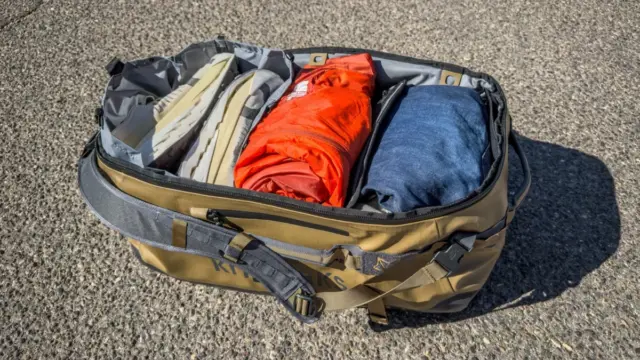





For gear enthusiasts and frequent flyers alike, the pursuit of the ultimate travel bag is an endless journey. At Pack Hacker, this passion has manifested in thousands of rigorous field tests, comprehensive reviews, and deep dives into travel backpacks, daypacks, slings, and specialized accessories. Yet, after years of analyzing what makes exceptional travel gear tick, an inevitable ambition took root: what happens when reviewers stop critiquing and start creating?
Collaborating with some of the most respected brands in the outdoor and travel industries has allowed Pack Hacker to move from the sidelines into the design studio. These partnerships—evident in standout products like the Matador ReFraction Pro packable backpack and the Aer Ultra Sling—are not mere marketing exercises involving a simple logo slap. Instead, they represent a meticulous, iterative process aimed at solving real-world packing problems.
However, bringing a custom piece of travel gear from an abstract concept to an unboxing video is far from simple. It is a complex choreography of industrial design, manufacturing risk assessment, supply chain constraints, and delicate negotiations. As consumer curiosity around these exclusive drops grows, a transparent look behind the curtain reveals the intricate realities of modern gear manufacturing. From deciding which brand partnerships to pursue to navigating the high-stakes world of production forecasting, this is the definitive inside story of how Pack Hacker brings its ideal travel gear to life.
Detailed Chronology: From Concept to Unboxing
The lifecycle of a Pack Hacker collaboration is a marathon, typically spanning anywhere from six months to over a year. The process is characterized by intense collaboration, endless prototyping, and a relentless pursuit of functional perfection.
Phase 1: Brand Selection and the Ideation Firewall
The journey begins with a straightforward foundational rule: Pack Hacker only collaborates with brands its team genuinely loves, respects, and has extensively reviewed. The goal is never to take an off-the-shelf product and add a custom colorway or logo. Rather, the objective is to identify existing products with strong baseline designs and introduce meaningful value-add features.
For instance, the collaboration on the Matador ReFraction Pro focused on integrating an advanced admin panel and a dedicated laptop compartment—features missing from the original model. Similarly, the Aer Ultra Sling was refined through the addition of front-pocket organization and stabilizing swivel straps.
Crucially, to maintain editorial integrity, a strict firewall separates Pack Hacker’s editorial review team from the brand’s design and development teams. Reviewers never communicate directly with the brand regarding the collaborative item. This structural separation ensures that Pack Hacker’s standard product reviews remain entirely uncompromised by ongoing commercial partnerships.
Phase 2: The Prototyping Loop
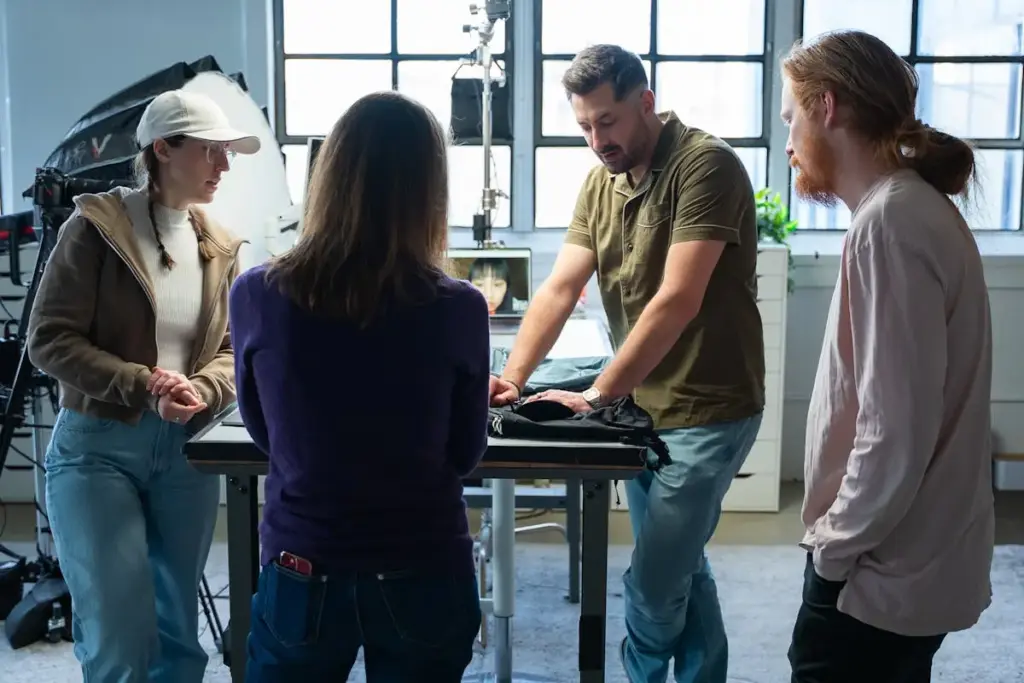
Once a partner is selected, the design phase kicks off, though rarely with immediate success. The first sample almost never matches the final product. The journey requires working through multiple iterations, testing physical prototypes, and ruthlessly trimming or modifying features that fail real-world testing.
This phase requires a delicate balance between innovative design and manufacturing feasibility. Pack Hacker contributes its deep insights into what modern travelers demand, while the brand’s industrial designers determine how to translate those requirements into viable patterns, fabrics, and hardware.
Phase 3: Production Scheduling and the Volume Dilemma
Once a final prototype wins approval, the timeline shifts to the manufacturer’s hands. The brand places an initial stock order, and a launch date is locked in based on factory delivery windows.
Determining production quantities is arguably the most stressful part of the entire process. While Pack Hacker provides input, the final decision rests entirely with the manufacturing brand. Brands must weigh market share, historical product popularity, seasonal trends, and manufacturing risk. Because the brand carries the financial burden of production, getting the volume wrong has serious consequences. Overproducing leads to dead inventory and tied-up capital; underproducing leads to immediate sell-outs, frustrated community members, and missed revenue.
Because production numbers are finalized long before the first unit rolls off the assembly line—often before the exact unit cost is fully realized—forecasting demand remains an educated guessing game.
Supporting Context & Metrics: The Mechanics of Small-Batch Production
To fully appreciate why buying a collaborative gear drop can feel like a high-stakes race, one must understand the economic and logistical realities of technical bag manufacturing.
Why Restocks Aren’t Simple
When a limited-edition collaboration sells out in minutes, the immediate outcry from the community is simple: "Just make more!" Unfortunately, re-running a design is rarely a straightforward flick of a switch.
- Factory Scheduling: Manufacturers operate on rigid, long-term production calendars. Fitting a secondary run of a niche product requires factories to halt existing lines, re-tool machinery, and disrupt schedules dedicated to the brand’s core seasonal catalog.
- Minimum Order Quantities (MOQs): Factories rarely produce small batches of specialized items cost-effectively. To trigger a second run, a brand often needs to commit to a high volume of units, drastically increasing financial exposure.
- The Preorder Debate: While crowdfunding models like Kickstarter solve the forecasting problem by letting pre-orders dictate production volume, they come with significant trade-offs. Customers face long wait times, and projects face the risk of failing to reach funding thresholds. For small, niche collaborations, the preference remains proven delivery: proving the concept and manufacturing the product before asking for capital, rather than asking consumers to finance a gamble months in advance.
The Value Equation for Brands
Collaborating with review platforms like Pack Hacker isn’t just beneficial for media companies; it serves a vital strategic purpose for manufacturers. Developing entirely new product lines carries significant market risk. By partnering on small-batch, limited-run items, brands can test experimental features, innovative materials, or unconventional layouts with an engaged audience. It offers direct, high-level feedback from seasoned gear testers without the immense financial exposure of a global product launch.
Official Statements and Industry Insights
The philosophy driving these collaborations centers on transparency, mutual growth, and community empowerment. Leadership at Pack Hacker has frequently emphasized the core motivations behind shifting from commentary to creation:
"We have a lot of opinions on what makes travel gear great. Collaborating gives us a chance to get some of our ideas into products from brands that do it well, and it’s fun! We get to take products that we already know and love and make them even better for the Pack Hacker audience."
Furthermore, the operational tension inherent in limited releases is something the team refuses to sweep under the rug. Addressing the complexities of production numbers and scaling, the team notes:
"Finalizing production numbers is one of the hardest parts of the process. We want as many people as possible to get their hands on the gear we’ve designed together, but we’re also asking brands to take on real manufacturing risk, and getting that number wrong in either direction has consequences. We’d rather be transparent about that tension than pretend it’s a simple equation."
To reward the most dedicated community members, structural access has been prioritized via programs like Pack Hacker Pro Early Access. Members of this tier gain first-in-line privileges, mitigating the anxiety of rapid sell-outs by receiving dedicated windows to purchase before the general public sale goes live.
Future Outlook: What’s Next for Pack Hacker Collaborations?
As the travel gear landscape continues to evolve, the appetite for specialized, field-tested equipment shows no signs of slowing down. For Pack Hacker, each collaboration serves as a masterclass in product development, supply chain navigation, and consumer psychology.
The roadmap ahead points toward more partnerships, refined production pipelines, and tighter coordination with brands to ensure that more community members can secure the gear they want. By embracing transparency around the hurdles of manufacturing—such as minimum order quantities, factory lead times, and financial risk—the brand is setting a new standard for creator-brand partnerships.
Ultimately, the goal remains unchanged: to leverage years of analytical gear testing to build the ultimate travel companions. Whether you secure an exclusive piece during the early access window or follow the journey from concept to final review, the evolution of travel gear design is a collaborative adventure—and it is only just beginning.