






Executive Overview
As commercial airlines continue to escalate baggage fees and travelers increasingly seek to bypass long baggage claim queues, the art of carry-on packing has transitioned from a casual travel hack to an essential skillset. Whether you are embarking on a cross-country weekend getaway, navigating a multi-week international holiday, or simply safeguarding crucial personal care items in case your checked luggage goes astray, packing efficiently is paramount.
Central to this packing strategy is the mastery of liquid, gel, aerosol, cream, and paste regulation—specifically, the Transportation Security Administration’s (TSA) infamous 3-1-1 liquids rule. Navigating these regulations can often feel like threading a needle through a bureaucratic maze, especially with varying international standards, shifting security checkpoint technology, and spatial limitations.
This comprehensive guide breaks down everything modern air travelers need to know to optimize their carry-on space, select the most durable and compliant quart-sized bags, utilize cutting-edge refillable containers like Cadence capsules, and strictly adhere to federal aviation screening guidelines. By understanding the intersection of regulatory compliance and smart packing logistics, travelers can drastically minimize airport stress and glide through security screening checkpoints with confidence.
Detailed Chronology & Regulatory Evolution
The Genesis of the 3-1-1 Rule
To fully appreciate why carry-on luggage is subjected to such stringent liquid restrictions today, one must look back at the historical catalysts of aviation security. The 3-1-1 rule was not born in a vacuum; it was implemented globally in the wake of August 2006, following the disruption of a transatlantic terrorist plot involving liquid explosives disguised as beverages.
Prior to this transatlantic security crisis, passengers could board commercial aircraft with full-sized bottles of shampoo, hair gel, and beverages purchased pre-security. Overnight, aviation security protocols shifted dramatically. The TSA, alongside international regulatory bodies such as the UK Department for Transport and the European Civil Aviation Conference (ECAC), instituted strict volumetric caps on all carry-on liquids.
The Birth of "3-1-1"
Over subsequent years, these complex directives were streamlined into an easily digestible mnemonic device designed for public education: The 3-1-1 Rule.
- 3.4 ounces (100 milliliters): The maximum volumetric capacity allowed for any individual container holding liquids, gels, aerosols, creams, or pastes.
- 1 quart-sized bag: All compliant containers must fit comfortably within a single, clear, plastic, resealable bag.
- 1 bag per passenger: Each individual traveler is limited to one single quart-sized bag of liquids per journey.
Modern Technological Shifts at Security Checkpoints
In recent years, the regulatory landscape has begun to evolve once more, driven by advancements in security screening technology. The deployment of Advanced Imaging Technology (AIT) and Computed Tomography (CT) scanners in select domestic and international airports has begun to alter how security protocols are executed on the ground.
While legacy X-ray machines required passengers to extract their quart-sized bags from carry-on luggage and place them separately into screening bins, modern 3D CT scanners provide high-resolution volumetric images that allow security personnel to inspect bag contents without requiring liquids to be removed.
Despite these technological upgrades, compliance remains mandatory. Travelers must always remain vigilant, as checkpoint procedures remain subject to change at a moment’s notice depending on domestic threat levels, specific airport infrastructure, and international transit hubs.
Supporting Context & Metrics: Decoding What Belongs in the Bag
Defining "Liquids" Under Federal Guidelines
One of the most common pitfalls for air travelers is a fundamental misunderstanding of what the TSA classifies as a "liquid." Many passengers mistakenly assume the rule applies solely to beverages or obvious bath products. In reality, the definition is broad and strictly enforced.
Under TSA guidelines, the 3-1-1 rule encompasses:
- Liquids: Water, beverages, perfumes, colognes, contact lens solution, toners, and liquid foundations.
- Gels: Hair gel, shower gel, styling products, aloe vera, and liquid hand sanitizers.
- Aerosols: Hairspray, shaving cream, dry shampoo, and aerosol deodorants.
- Creams & Lotions: Facial moisturizers, body lotions, sunscreens, and liquid eye creams.
- Pastes: Toothpaste, thick ointments, and certain cosmetic compounds.
The Strictness of Container Capacity vs. Contents
A critical distinction frequently misunderstood by frequent flyers is the difference between container capacity and the actual volume of liquid remaining inside.
- The Rule: The TSA evaluates compliance based on the size printed on the container, not the amount of product inside.
- The Implication: If you pack an 8-ounce bottle of luxury shampoo that has only 2 ounces of product left inside, it will be confiscated by security personnel. The physical vessel itself must possess a maximum manufacturing capacity of 3.4 ounces (100 ml) or less.
If you possess larger quantities of essential toiletries that exceed these limits, they must be safely packed within your checked baggage.
International Nuances and European Guidelines
While the United States standardizes its 3-1-1 approach nationwide, international travelers must exercise extreme caution when navigating foreign airports. European Union (EU) aviation security directives, for instance, have historically maintained rigid guidelines regarding clear, completely transparent plastic bags.
Furthermore, while several major European airports (such as London City and Shannon Airport) have begun rolling out next-generation CT scanners that abolish the liquid restriction entirely—allowing passengers to leave large liquids and laptops inside their bags—these rollouts are unevenly distributed globally. Travelers flying through multiple international connections should always verify the specific local aviation authority guidelines of their departure and transit countries to avoid sudden confiscations abroad.
Official Guidelines & Exemptions
Navigating TSA PreCheck and Checkpoint Protocol
For business travelers and frequent flyers enrolled in expedited screening programs like TSA PreCheck, the security experience is significantly streamlined. PreCheck passengers typically enjoy the privilege of leaving their compliant quart-sized bags, laptops, and light outer garments inside their carry-on luggage during screening.
However, travelers must always defer to on-site instructions. Security officers frequently provide verbal guidance at the head of the security queue, and variations in lane technology may occasionally require a passenger to alter their standard routine.
Exemptions to the 3-1-1 Rule
Federal regulations provide specific, compassionate exemptions for travelers carrying essential medical, dietary, or infant care products that naturally exceed the standard 3.4-ounce limit. These exemptions include:
- Baby Formula, Breast Milk, and Juice: Parents traveling with infants or toddlers are permitted to bring expressed breast milk, formula, and juice in quantities exceeding 3.4 ounces. These items must be declared to TSA officers prior to screening for specialized inspection.
- Medications: Prescription and over-the-counter liquid medications (such as cough syrup, saline solution, and liquid diabetes treatments) are exempt from the 3.4-ounce rule. While they do not need to fit inside the quart-sized bag, they must be declared to security personnel for separate screening.
- Ice Packs: Frozen gel packs or ice packs required to keep medical products or baby food cool are permitted, provided they are completely frozen solid during screening. Slushy or partially melted ice packs may be subject to confiscation.
Maximizing Space: Expert Packing Strategies and Product Solutions
With a strictly limited quart-sized canvas, space optimization is an absolute art form. Experienced travelers utilize several sophisticated strategies to ensure they can pack comprehensive skincare, hair care, and hygiene regimens without violating federal law.
1. The Trial-Size Product Strategy
The most accessible and cost-effective approach for casual travelers is utilizing commercial trial-size or travel-size products. Most pharmacies, grocery stores, and mass-market retailers feature dedicated sections filled with miniature versions of popular shampoos, conditioners, toothpastes, and deodorants.
- Pros: Highly affordable, incredibly convenient, and eliminates the mess of transferring products.
- Cons: Generates single-use plastic waste and can become costly for high-frequency flyers.
2. Upgrading to Premium Refillable Systems (e.g., Cadence Capsules)
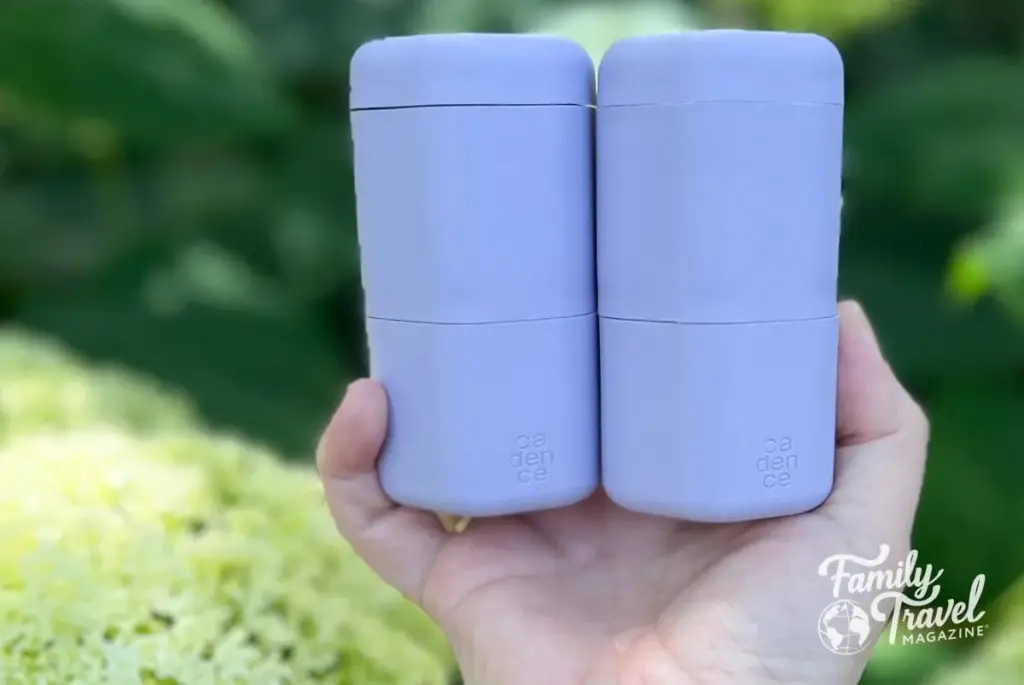
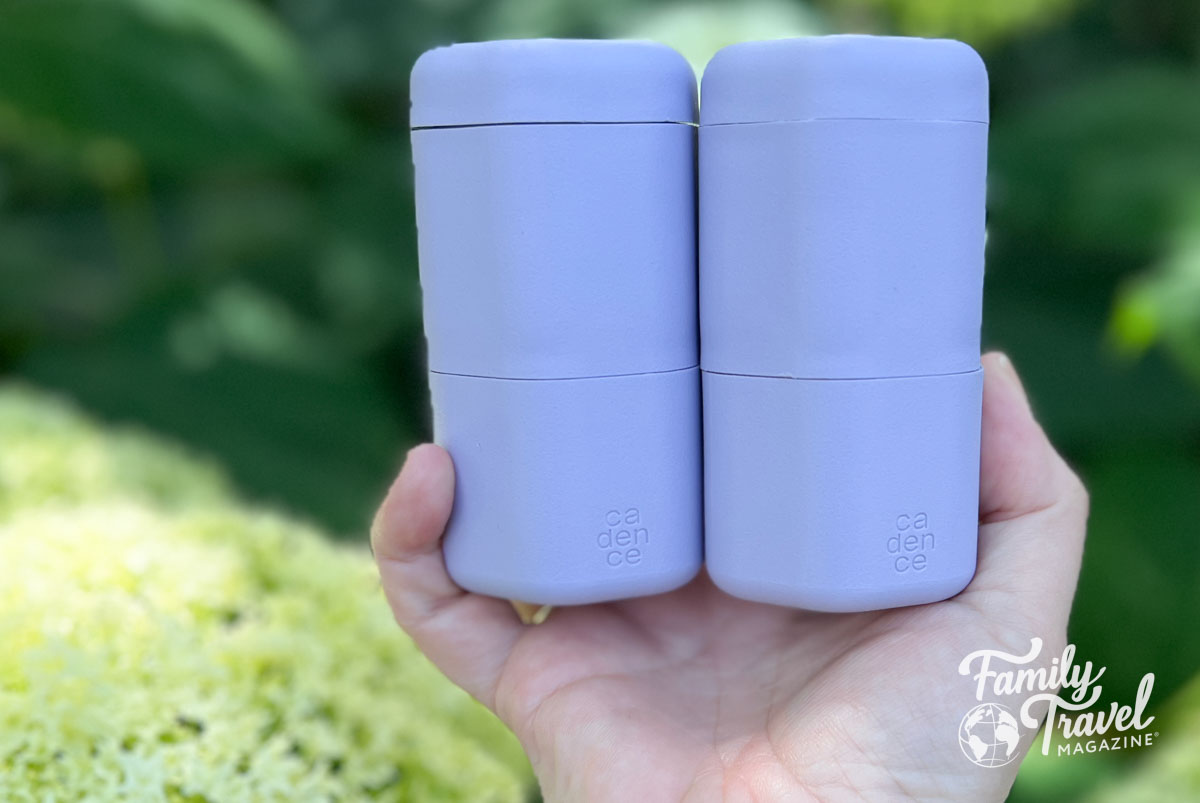
For frequent travelers and sustainability-conscious consumers, investing in modular, reusable container systems represents a paradigm shift. Products like Cadence capsules have revolutionized the travel toiletry market.
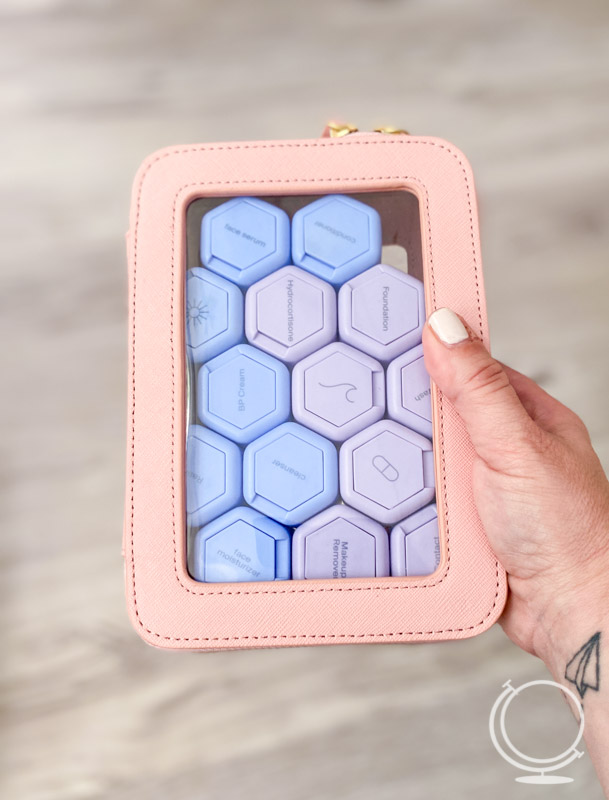
- Design and Functionality: These magnetic, leakproof, refillable containers snap together in customizable configurations. Because they are modular, they stack neatly inside a quart-sized bag, eliminating awkward dead space.
- Labeling: Cadence capsules feature customizable magnetic labels (e.g., shampoo, sunscreen, moisturizer) that adhere securely, ensuring labels do not peel off or dissolve when exposed to high humidity and water in hotel showers.
- Ease of Maintenance: Featuring wide openings, these containers are exceptionally easy to fill directly from bulk-sized home products and simple to clean between trips.
3. Traditional Plastic Refillable Bottles
Alternative options include traditional silicone or hard plastic squeeze tubes and bottles widely available on e-commerce platforms like Amazon.
- While budget-friendly, travelers should exercise caution: low-quality squeeze bottles are notoriously prone to cabin-pressure leaks, which can ruin surrounding clothing. Furthermore, certain plastics absorb cosmetic oils and strong fragrances, making them difficult to thoroughly clean when switching between different products.
4. Separating Solids from Liquids
A common beginner error is attempting to squeeze non-liquid items into the quart-sized bag simply because they belong under the broad mental category of "toiletries."
To maximize precious cubic inches, strictly separate your liquids from your solids:
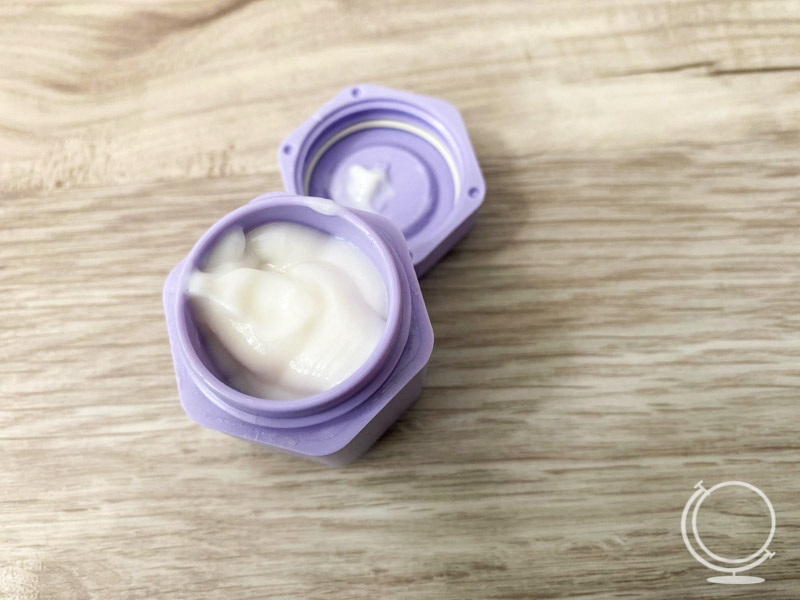
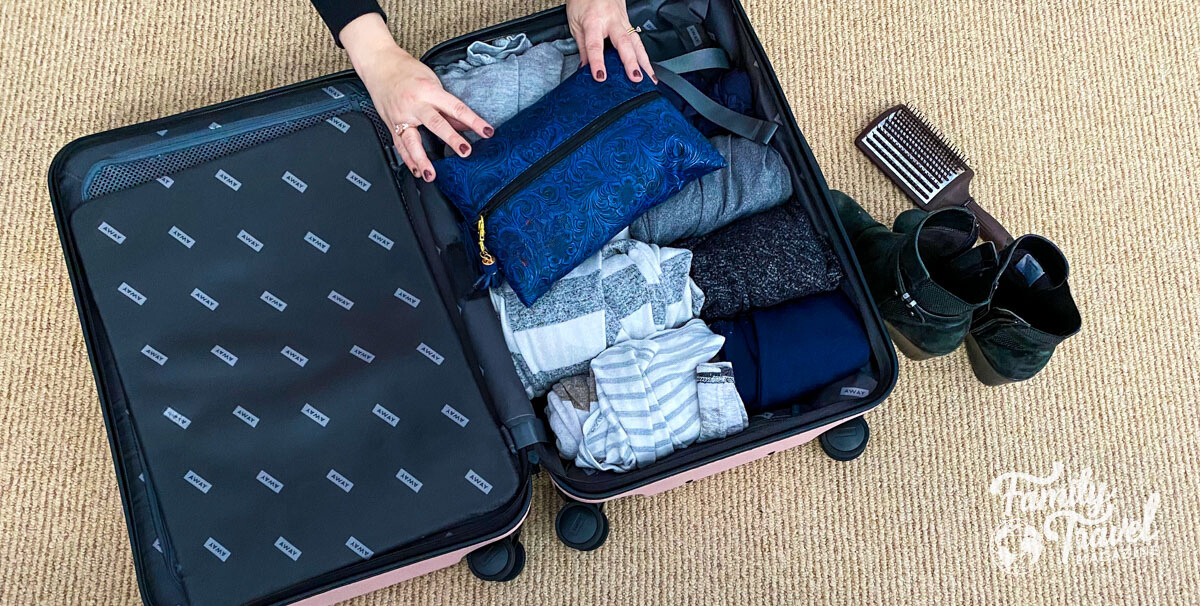
- Items to Remove from the Quart Bag: Toothbrushes, dental floss, solid deodorant sticks, hairbrushes, bar soaps, and dry cosmetic compacts do not fall under TSA restrictions.
- Pack these dry, non-liquid items into a separate standard toiletry bag placed elsewhere in your carry-on luggage, reserving 100% of your quart-sized bag space exclusively for restricted liquids, gels, and creams.
Quart-Sized Bag Options: Durability Meets Luxury
While a standard, disposable Ziploc plastic freezer bag is fully compliant with federal regulations and serves as a reliable budget option, frequent flyers often prefer investing in structured, reusable, and heavy-duty alternatives designed for longevity and style.
- Truffle (Clarity Jetset Case): A luxury gold standard for frequent fliers, Truffle’s clear vinyl cases combine high fashion with uncompromising TSA compliance. Their structured design prevents squishing, and they pair exceptionally well with modular container systems. However, users should verify specific airline or foreign airport compliance, as structural reinforcements occasionally prompt closer inspection abroad.
- Cadence Parcel Systems: Designed explicitly to house their magnetic capsule line, Cadence offers a specialized, TSA-compliant transparent parcel bag that optimizes interior geometry.
- Reinforced Amazon Multi-Packs: Numerous heavy-duty, waterproof, reinforced vinyl bags with leak-proof zippers are available in multi-packs online. These are ideal for families traveling together, ensuring every member of the household possesses their own compliant, durable bag.
Future Outlook
As commercial aviation continues to adapt to the demands of modern mobility, the regulatory landscape surrounding carry-on liquids is poised for continued transformation.
On the technological front, the widespread global rollout of 3D CT screening equipment promises to gradually render the extraction of liquid bags obsolete, drastically reducing airport security queue times. In the European Union and select international aviation hubs, regulatory bodies are actively reviewing pilot programs that could eventually lift the 3.4-ounce restriction entirely once next-generation scanning technology becomes ubiquitous.
However, full global standardization remains years away. For the foreseeable future, international travelers will continue to encounter a fragmented security landscape where local infrastructure dictates screening procedures.
By prioritizing smart packing habits, investing in durable, modular container systems like Cadence capsules, and maintaining strict compliance with the foundational 3-1-1 framework, travelers can insulate themselves against the unpredictability of modern transit. Mastering your carry-on liquids is no longer just about avoiding a delayed security line—it is the ultimate hallmark of the savvy, empowered modern globetrotter.