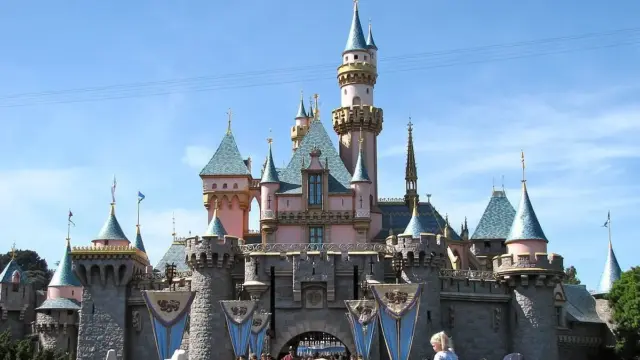

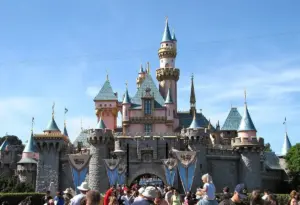
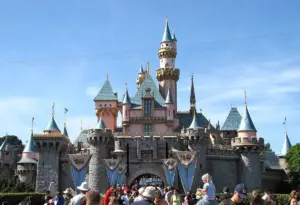


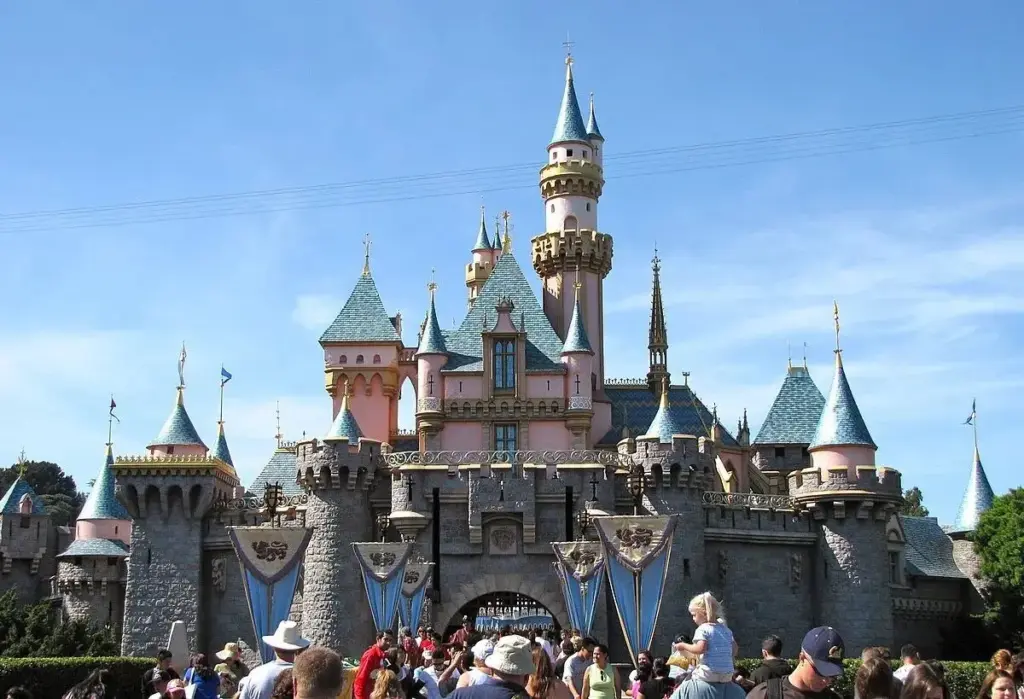
At the heart of Disneyland in Anaheim, California, Sleeping Beauty Castle stands as a symbol of mid-century optimism and family entertainment. For generations, a trip to this iconic park has been a rite of passage for American families. However, as the cost of living rises and household budgets tighten, the economics of a Disney vacation have increasingly become a subject of intense public debate.
In response to these shifting economic realities, the Walt Disney Company is executing a sophisticated, two-pronged pricing strategy. The company’s latest financial maneuvers reveal a deliberate effort to hike prices on premium add-ons and peak-day admissions while aggressively shielding its lowest-tier entry tickets from inflation.
This bifurcated approach represents a calculated bet by Disney executives. By keeping the barrier to entry relatively low for budget-conscious, first-time visitors, the company hopes to establish a lifelong affinity for the brand. The goal is to build an "on-ramp" for young families who may start with budget-conscious visits today but will transition into high-spending consumers as their household wealth builds over time.
The Long-Term Bet: Nurturing the Next Generation of Disney Loyalists
The strategic philosophy behind Disney’s current pricing model was laid bare during a major financial forum. Speaking at a Goldman Sachs conference, Disney Chief Financial Officer Hugh Johnston addressed the growing concerns surrounding the affordability of the company’s domestic theme parks.
Johnston emphasized that pricing is an issue the company’s leadership team is “acutely sensitive to.” Rather than viewing theme park tickets as a short-term tool to maximize immediate quarterly revenue, Disney’s executive suite is playing a much longer game.
Disneyland Ticket Price Evolution (Peak vs. Base)

Peak Ticket (10-Year Trend):
2016:  $119  ========================> (Nearly 90% Increase)
2026:  $224  =================================================

Base Ticket (Tier 0 - Post-2019 Trend):
2019:  $104  =======================> (0% Increase / Price Frozen)
2026:  $104  =======================>
The core of this strategy lies in customer acquisition and lifetime value. Young families are the lifeblood of the Disney ecosystem. If parents of young children find the parks financially inaccessible, they may establish other vacation habits, breaking a multi-generational cycle of Disney fandom.
To prevent this, Disney is deliberately keeping its introductory prices stable. The company wants to ensure that a young family’s first visit to Disneyland is within financial reach. Once that initial connection is made, the psychological hook is set. As those children grow and the parents’ earning power increases, their vacation habits are expected to evolve, leading to higher spending on lodging, dining, merchandise, and premium park upgrades during future visits.
The Tale of Two Tickets: Peak Price Surges vs. the $104 Floor
The practical application of this strategy is clearly visible in Disneyland’s current admission structure. According to an extensive historical analysis conducted by the Disney consumer advocacy and news site Mickey Visit, the cost of experiencing Disneyland depends heavily on when a guest chooses to visit and how much convenience they are willing to buy.
For visitors looking to experience the park during high-demand periods—such as major holidays, summer weekends, or the popular Halloween and Christmas seasons—the cost of entry has climbed dramatically. Mickey Visit reports that the highest-priced, one-day single-park tickets at Disneyland have surged nearly 90% over the past decade, climbing from $119 to $224. This steep upward trajectory reflects the intense demand for peak dates and Disney’s confidence that affluent consumers are willing to pay a premium for holiday visits.
Conversely, Disney has maintained a strict price freeze on its lowest-tier, single-day tickets. Since 2019, the base price for a Tier 0 ticket—valid on historically low-demand weekdays, typically in late January, February, or September—has remained locked at $104.
By keeping this entry-level price stable for several consecutive years, Disney has effectively lowered the real, inflation-adjusted cost of visiting the park for those who are willing to plan their trips around off-peak dates. It allows the company to truthfully market Disneyland as having admission prices starting near a hundred dollars, even as peak-day tickets push past the two-hundred-dollar threshold.
Unbundling the Magic: How Premium Add-Ons Fuel Per-Capita Spending
While base ticket prices for off-peak days remain anchored, Disney is offseting those frozen costs by aggressively monetizing premium upgrades and auxiliary services. This is where the company is playing with how much people are paying, shifting the financial burden from the gate admission to the overall in-park experience.
This "unbundled" approach mirrors the financial models of modern airlines, where the base fare gets the passenger on the plane, but luggage, seat selection, and early boarding incur additional fees. At Disneyland, this manifests in several key areas:
- Skip-the-Line Services: The transition from the complimentary FastPass system to paid line-skipping services has become a major revenue driver. Guests wishing to bypass standby lines must now purchase daily add-ons, the prices of which fluctuate based on daily demand.
- Special Event Ticketing: Disney has increasingly carved out evening hours for separate-ticketed, limited-capacity events, such as Oogie Boogie Bash or seasonal Disneyland After Dark nights. These events require a separate, often expensive ticket, effectively shortening regular park hours for standard day guests while generating a secondary stream of high-margin revenue.
- Dining and Merchandising: High-end character dining experiences, custom lightsaber and droid building, and limited-edition merchandise collections cater directly to high-spending visitors looking to customize their trips with exclusive souvenirs and experiences.
By separating these premium options from the cost of a basic park ticket, Disney allows budget-conscious families to opt out of the extras and enjoy a classic theme park day for the base admission price. Meanwhile, wealthier visitors or those celebrating special occasions can spend hundreds of dollars extra per person to curate a highly optimized, low-friction vacation.
Strategic Flexibility: Courting Southern California Locals and Nighttime Guests
Disneyland Resort in Anaheim operates under a very different demographic reality than its sister resort, Walt Disney World in Florida. While the Florida parks rely heavily on long-distance domestic and international tourists who stay for a week or more, Disneyland is deeply dependent on a massive, loyal base of Southern California locals.
To keep these nearby residents engaged without cannibalizing their high-yield tourist business, Disney frequently deploys targeted promotional programs. These initiatives are designed to fill the parks during slower periods and stimulate secondary spending on food, beverages, and merchandise.
Among these programs are heavily discounted multi-day tickets specifically reserved for local residents, often valid only on weekdays during the winter and spring months. Additionally, Disney has experimented with evening-only admission options and special late-day tickets aimed at locals who want to visit after work or school.
These evening guests are highly valuable to Disney’s bottom line. While they may spend fewer hours in the parks, their per-hour spend on high-margin items like dinners, specialty snacks, and seasonal merchandise is incredibly high. It also ensures that the resort’s retail and dining district, Downtown Disney, remains a bustling hub of activity late into the night.
Navigating Consumer Sentiment in an Era of Theme Park Inflation
Disney’s dual-pricing strategy is not without its risks. The company operates in a highly sensitive public relations environment, where any adjustment to ticket prices is met with intense scrutiny from fans, media outlets, and consumer advocacy groups.
The challenge for Disney is maintaining its reputation as a wholesome, accessible family brand while satisfying Wall Street’s demands for consistent revenue growth and healthy profit margins. If the public perception shifts too far toward viewing Disney as an exclusive playground for the wealthy, the brand risks alienating the very demographic that Hugh Johnston identified as crucial to the company’s long-term survival.
Furthermore, Disney faces intensifying competition. Rival theme park operators are investing billions of dollars in new, highly immersive lands and attractions, positioning themselves as high-value alternatives to a costly Disney vacation.
By freezing the $104 base ticket price and rolling out targeted local discounts, Disney is attempting to build a defensive moat around its consumer pipeline. The strategy relies on a delicate economic equilibrium: using the premium spending of affluent vacationers to subsidize the entry-level "on-ramp" for the next generation of Disney fans. Whether this balancing act will successfully sustain the company’s theme park dominance for decades to come remains one of the most compelling business stories in the modern entertainment industry.