







At a time when the global travel industry is pouring billions of dollars into cutting-edge technology, algorithmic personalization, and hyper-efficient booking systems, a fundamental question remains: What actually inspires a person to pack a bag, board a flight, and cross an ocean?
According to world-renowned chef, author, and humanitarian Vikas Khanna, the answer does not lie in the thread count of a hotel’s sheets, the speed of its Wi-Fi, or the pristine nature of its beaches. Instead, the ultimate catalyst for modern travel is far more primal, sensory, and deeply human: the search for an authentic culinary experience.
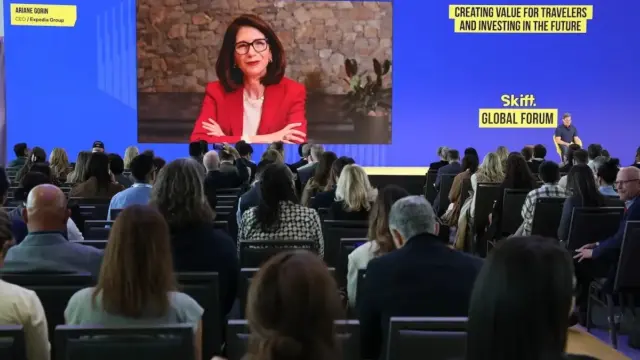
Speaking at the Skift Global Forum in a session moderated by Sree Sreenivasan, co-founder of Digimentors, Khanna delivered a compelling reality check to hospitality executives, destination marketers, and travel technology innovators. He argued that while the industry’s digital transformation is essential, its ultimate purpose must always be to connect travelers to genuine, real-world moments—most of which happen around a dinner table.
The Plate as a Passport: Why Food Tourism Dictates Travel Choices
For decades, destination marketing focused heavily on physical infrastructure and natural geography. Tourism campaigns spotlighted towering skyscrapers, expansive luxury resorts, and postcard-perfect beaches. While these assets still hold value, Khanna suggested that they are no longer the primary decision-making drivers for contemporary travelers, particularly families.
"Hotels, beaches—that’s all okay," Khanna remarked during the forum. "But if you know that there is something being cooked or giving you an experience from food, there’s a chance the family would travel."
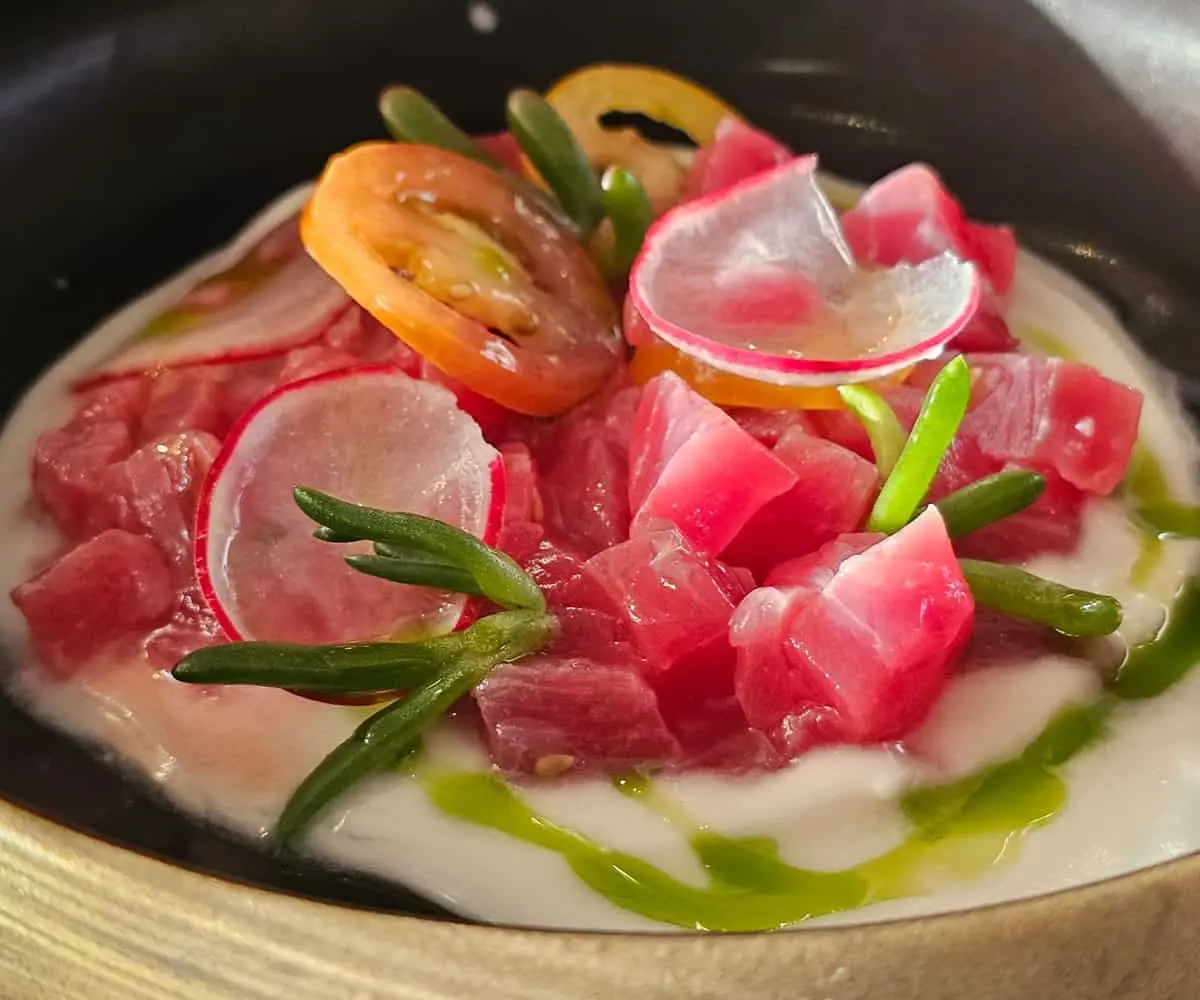
This insight shifts the focus of the travel industry from passive sightseeing to active, sensory participation. Food tourism—once considered a niche market for self-proclaimed "foodies"—has graduated to become a dominant force in global tourism. Travelers are increasingly planning entire itineraries around regional food markets, historical cooking traditions, and local dining rituals.
The psychological pull of culinary travel lies in its ability to offer immediate, unvarnished cultural immersion. While museum exhibitions and historical monuments present culture behind glass or barriers, a local dish offers a direct, visceral connection to the history, geography, and soul of a destination. When a family decides to visit a region because of its legendary street food markets or a specific seasonal harvest festival, they are choosing connection over mere leisure.
The Digital Paradox: Using Technology to Enable, Not Replace, the Human Experience
The travel industry is currently undergoing an unprecedented technological revolution. From artificial intelligence and predictive booking engines to contactless check-ins and virtual reality previews of destinations, technology has streamlined the mechanics of travel. Yet, Khanna’s address highlighted a critical paradox: the more digitized the travel process becomes, the more hungry travelers are for analog, authentic human experiences.
Khanna emphasized that the massive capital investments travel brands are making in technology should not be viewed as the end goal. Instead, technology must serve as a frictionless conduit that delivers travelers to those irreplaceable, sensory moments of physical discovery.
"The industry’s investment in technology is designed to get the traveler to that type of moment," Khanna observed.
In practice, this means travel technology should work behind the scenes to remove administrative friction—simplifying reservations, language barriers, and navigation—so that travelers can fully engage with the local culture. An AI-powered travel assistant is only successful if it guides a traveler to a hidden, family-run trattoria in Rome or a bustling night market in Taipei that they otherwise would never have found. The technology is the map; the culinary experience is the destination.

From Amritsar to the Global Stage: The Authority of Vikas Khanna
To understand the weight of Khanna’s philosophy, one must look at his expansive career as a cultural ambassador. Born in Amritsar, India, Khanna overcame significant physical challenges in his youth to become one of the most influential Indian chefs in the world. His journey from running a small catering business in his grandmother’s kitchen to earning a Michelin star at his New York restaurant, Junoon, is a testament to the universal power of food storytelling.
Khanna is not merely a chef; he is a chronicler of culinary heritage. He has authored dozens of books documenting the diverse, regional foodways of India and the broader subcontinent. His work explores how recipes act as living archives of human migration, trade, and survival.
Furthermore, his humanitarian efforts—most notably the "Feed India" initiative, which distributed millions of meals during the COVID-19 pandemic—demonstrate his belief that food is the ultimate tool for human solidarity and survival. When Khanna speaks about food as the primary reason why people travel, he does so with the authority of someone who has spent his life witnessing how breaking bread can bridge deep cultural, social, and geographic divides.
Redefining Hospitality: Why Amenities Take a Backseat to Authenticity
The implications of Khanna’s insights are profound for the hospitality sector. For years, hotels have competed on material luxury. However, as luxury becomes increasingly commoditized and standardized across global hotel chains, travelers are experiencing a sense of geographic displacement. A luxury suite in New York can feel remarkably similar to one in Tokyo or London.
What cannot be commoditized, however, is local culinary identity. A hotel that partners with local farmers, highlights indigenous cooking techniques, and offers guests hands-on culinary workshops creates a unique, localized value proposition that cannot be replicated elsewhere.
This shift requires a fundamental reassessment of how hospitality brands allocate resources. Instead of focusing solely on physical renovations or aesthetic upgrades, hotels and resorts must invest heavily in their food and beverage programs, ensuring they are deeply rooted in the surrounding community. Offering an authentic, locally sourced breakfast menu or hosting a weekly dinner prepared by a neighborhood chef can do more to build brand loyalty and attract travelers than a state-of-the-art fitness center or a high-tech lobby.
The Future of Food Tourism: Actionable Paths for the Travel Sector
As the travel industry continues to evolve in a post-pandemic landscape, destinations and travel brands must adapt to the growing demand for culinary-centric itineraries. To leverage this trend successfully, industry leaders should consider several strategic paths forward:
1. Elevating Local Food Systems and Artisans
Destination marketing organizations (DMOs) must move beyond promoting standard tourist landmarks and begin actively championing local food systems. This involves highlighting regional farmers, artisanal producers, and traditional home cooks. By creating dedicated culinary trails and supporting food preservation initiatives, destinations can protect their unique heritage while attracting high-value, respectful travelers.
2. Integrating Tech with Cultural Storytelling
Travel tech platforms should design tools that help travelers discover authentic, off-the-beaten-path culinary experiences. This includes integrating regional food history into digital travel guides, offering translation features specifically tailored for local menus, and facilitating seamless bookings for community-based dining experiences.
3. Fostering Community-Based Tourism
True culinary tourism should benefit the local community. Travel operators must design itineraries that support local food entrepreneurs, street vendors, and family-owned establishments. This ensures that the economic benefits of tourism are distributed equitably, fostering sustainable development and preserving the very cultures that travelers come to experience.
Ultimately, the discussion between Vikas Khanna and Sree Sreenivasan at the Skift Global Forum served as a vital reminder of what lies at the heart of travel. While technology provides the wings to fly and the systems to navigate the globe, it is the shared human experience of gathering around a table, tasting unfamiliar flavors, and learning the stories behind them that truly compels us to journey across the world.