



New York City has long been a global epicenter for culture, sports, and entertainment, but the current summer season has elevated the metropolis to unprecedented heights. From the international fervor of the World Cup and the local euphoria of a historic Knicks championship to the media sensation surrounding Taylor Swift’s high-profile wedding, the city has experienced a continuous influx of domestic and international visitors. This rare convergence of major sporting events and pop-culture milestones has kept Manhattan’s streets bustling, its restaurants packed, and its transit systems operating at peak capacity.
Yet, the city’s blockbuster summer is far from over. The next major marquee event poised to dominate the cultural calendar and stimulate the local economy is Harry Styles’ highly anticipated two-month residency at Madison Square Garden.
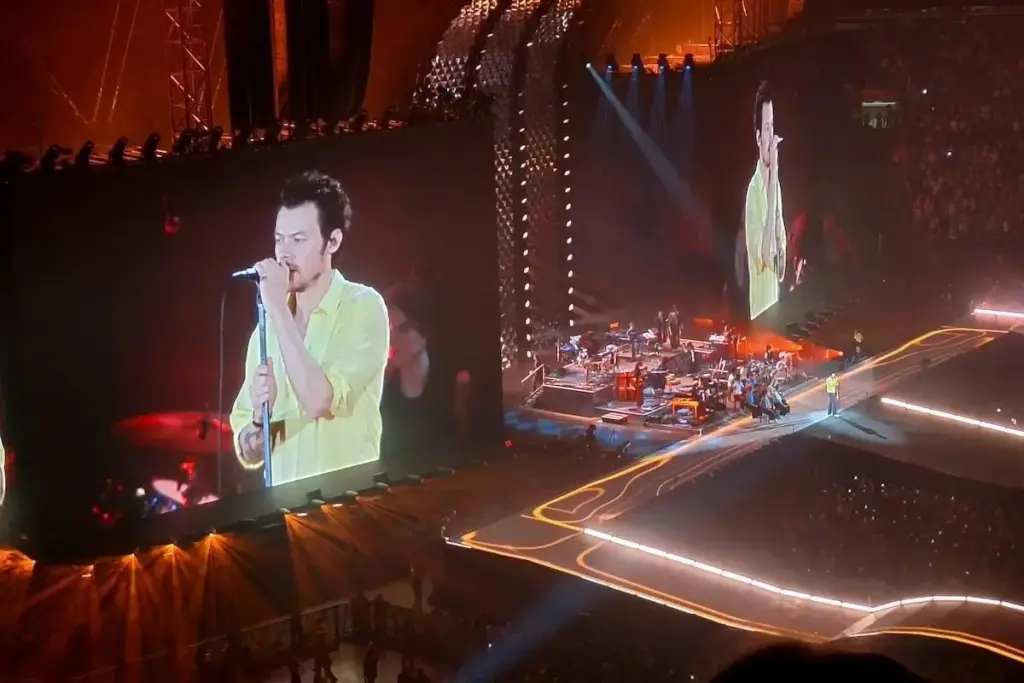
The New York City leg of Styles’ "Together, Together" tour will feature an extraordinary 30-show run at the iconic Midtown arena. Kicking off on August 26, the residency follows highly successful international tour stops in Amsterdam, London, São Paulo, and Mexico City. While the residency model differs significantly from the sprawling, stadium-hopping structure of Taylor Swift’s record-breaking Eras Tour, industry analysts expect Styles’ prolonged presence in Manhattan to provide hotel and short-term rental operators with a highly sustainable, long-term economic boost.
A New Model for Global Touring: The Power of the Arena Residency
The traditional concert tour is a logistical marathon. Artists, crew members, and tons of staging equipment travel from city to city, often spending only one or two nights in a single market before packing up and moving on. While this high-mobility model maximizes geographic reach, it incurs astronomical transportation costs, contributes to significant carbon emissions, and places immense physical strain on the performers and crew.
In contrast, the residency model—long associated with Las Vegas but increasingly adopted by elite pop stars in major global hubs—redefines the relationship between live music and local tourism. By anchoring himself at Madison Square Garden for 30 shows over a two-month span, Harry Styles is turning New York City into a pilgrimage site for his global fanbase.
Before arriving in New York, the "Together, Together" tour established its international appeal with major engagements in Amsterdam, London, São Paulo, and Mexico City. These shows primed the pump for global demand, drawing diverse audiences across Europe and Latin America. However, the decision to dedicate 30 consecutive dates to a single venue in New York City represents a strategic bet on the city’s drawing power as a premier travel destination.
For fans, attending a show in New York is no longer just about buying a concert ticket; it is about booking a multi-day vacation. Because Madison Square Garden is situated directly atop Penn Station in the heart of Manhattan, it serves as an accessible hub for travelers arriving from across the Northeast Corridor, as well as those flying into JFK, LaGuardia, and Newark airports. This geographic advantage transforms a single concert event into a broader travel itinerary, driving significant spending across the lodging, dining, and retail sectors.
Analyzing the Hospitality Impact: Occupancy, ADR, and RevPAR
The timing of the "Together, Together" residency is ideal for New York City’s hospitality sector, which is already enjoying an incredibly lucrative year. According to lodging industry experts, the city’s hotel market has shown remarkable resilience and growth, driven by a robust return of both leisure and business travel.
“New York’s had a very strong year anyway,” said Didio Pequeno, CoStar’s director of hospitality market analytics. “Occupancy is pretty high. ADR [average daily rate] is pretty high. RevPAR [revenue per available room] is really high. So I think this could just potentially add to that.”
To understand the significance of Pequeno’s analysis, it is useful to examine the key performance indicators (KPIs) that define hotel financial health:
- Occupancy Rate: The percentage of available rooms occupied by guests at any given time. New York’s occupancy has remained consistently high throughout the year, fueled by the summer’s earlier major events.
- Average Daily Rate (ADR): The average rental income per paid occupied room per day. High demand allows hotels to command premium pricing, driving ADR upward.
- Revenue Per Available Room (RevPAR): Calculated by multiplying a hotel’s ADR by its occupancy rate, RevPAR is the gold standard metric for assessing overall hospitality performance.
When a major artist hosts a multi-week residency, it creates what hoteliers call a "compression effect." On concert nights, nearby hotels experience a surge in booking velocity, allowing them to optimize their room rates. Because Styles’ residency spans 30 dates over two months, this compression is not a temporary weekend spike; rather, it represents a sustained demand curve.
Short-term rental operators are also poised to reap the benefits. With traditional hotel rooms commanding premium rates, many budget-conscious fans—particularly younger demographics traveling in groups—will look to short-term rentals in Manhattan and the outer boroughs to split lodging costs. This distributes the economic windfall beyond the immediate vicinity of Madison Square Garden, benefiting local neighborhoods in Brooklyn, Queens, and northern New Jersey.
Sizing Up the Eras Tour: A Comparison of Economic Engines
To fully appreciate the economic dynamics of the "Together, Together" residency, it is helpful to contrast it with the standard-bearer of modern music economics: Taylor Swift’s Eras Tour.
The Eras Tour has established itself as an unprecedented macroeconomic force. With 149 shows spread across 51 cities worldwide, the tour has generated an estimated $5 billion in direct economic impact. Swift’s stadium-scale performances have been credited with single-handedly boosting local economies, stimulating transit systems, and causing noticeable upticks in regional inflation—a phenomenon economists have dubbed "Swiftonomics."
| Metric | Taylor Swift’s Eras Tour | Harry Styles’ "Together, Together" NYC Residency |
|---|---|---|
| Total Shows | 149 | 30 (NYC Leg) |
| Geographic Scope | 51 Cities Globally | Single-Venue Anchor (Madison Square Garden) |
| Estimated Economic Impact | $5 Billion (Global) | Highly Concentrated Local Boost (NYC-Specific) |
| Primary Lodging Dynamic | Short-term, high-intensity weekend spikes | Sustained, multi-week baseline occupancy lift |
While Styles’ 30-show run at Madison Square Garden does not match the sheer global scale of the Eras Tour, its concentrated nature offers unique advantages to a single municipality. While a stadium tour brings a massive, 70,000-person crowd to a city for just two or three nights, it can create logistical bottlenecks, extreme price gouging, and immediate post-event drop-offs in demand.
Conversely, Styles’ residency acts as a steady, reliable economic engine. Madison Square Garden’s capacity of approximately 20,000 means that over the course of 30 shows, roughly 600,000 ticket holders will flow through the arena. Spreading this audience over a two-month period allows the city’s infrastructure to absorb the influx smoothly. It provides hotels, restaurants, and transit providers with a predictable, recurring stream of revenue, making it a highly sustainable model for urban tourism management.
The Broader Economic Spillover: Beyond Lodging
The financial impact of a 30-show residency extends far beyond hotel rooms and short-term rentals. The presence of hundreds of thousands of out-of-town music fans creates a powerful multiplier effect across various sectors of the New York City economy.
Food and Beverage
The Midtown Manhattan corridor, particularly the neighborhoods of Chelsea, Hell’s Kitchen, and the Garment District, features a high density of restaurants, bars, and cafes. On concert nights, these establishments experience significant pre- and post-show foot traffic. The sustained nature of the residency allows local business owners to optimize staffing, adjust inventory, and design themed promotions to capture fan spending.
Retail and Merchandising
Concertgoers, particularly those belonging to the highly dedicated "Stylers" fanbase, are known for their fashion-forward concert attire. Local retail districts, vintage clothing boutiques, and makeup retailers often see increased sales as fans shop for the perfect outfit. Additionally, official tour merchandise pop-ups and nearby retail stores benefit from the steady stream of consumers looking to purchase memorabilia.
Public Transit and Ride-Hailing Services
Madison Square Garden’s position as a major transit hub ensures that the Metropolitan Transportation Authority (MTA), regional rail lines (LIRR and NJ Transit), and local taxi and ride-hailing services experience a consistent lift in ridership. This localized transportation surge helps support the city’s public infrastructure revenues during the late-summer shoulder season.
A Historic Summer Solidifies New York’s Tourism Leadership
As the "Together, Together" tour prepares to make its mark on Manhattan starting August 26, the residency represents the perfect culmination of a historic summer for New York City. The city’s ability to seamlessly host the World Cup, celebrate a Knicks championship, navigate the global media spotlight of a Taylor Swift wedding, and now transition into a two-month music residency speaks to its unmatched tourism infrastructure.
For hotel operators, short-term rental hosts, and local business owners, the late-summer residency offers a welcome extension of peak travel season. While the broader macroeconomic environment continues to present challenges, the enduring appeal of live entertainment remains a resilient pillar of the urban economy. As Harry Styles takes the stage at Madison Square Garden, his 30-show run will not only entertain hundreds of thousands of fans but will also cement New York City’s status as the ultimate destination for major marquee events.