







For decades, international travel operated largely on a paradigm of brief, passive consumption. Tourists arrived in foreign destinations, visited high-density landmarks, dined at tourist-centric establishments, and departed with minimal direct engagement with local socio-economic ecosystems. Even the emergence of the "digital nomad" lifestyle over the past decade—hailed as a democratic revolution in working remotely—often replicated these patterns, creating a transient class of high-earning remote workers who floated above local economies rather than integrating into them.
However, an industry-wide shift is underway. A growing segment of international travelers is rejecting short-term sights and digital nomad gentrification in favor of extended, wage-earning, and skill-contributing stays abroad. Driven by structural shifts in global visa arrangements, rising living costs, and a desire for deeper cultural integration, working holidays and structured volunteer programs are rapidly supplanting conventional tourism and remote work models.
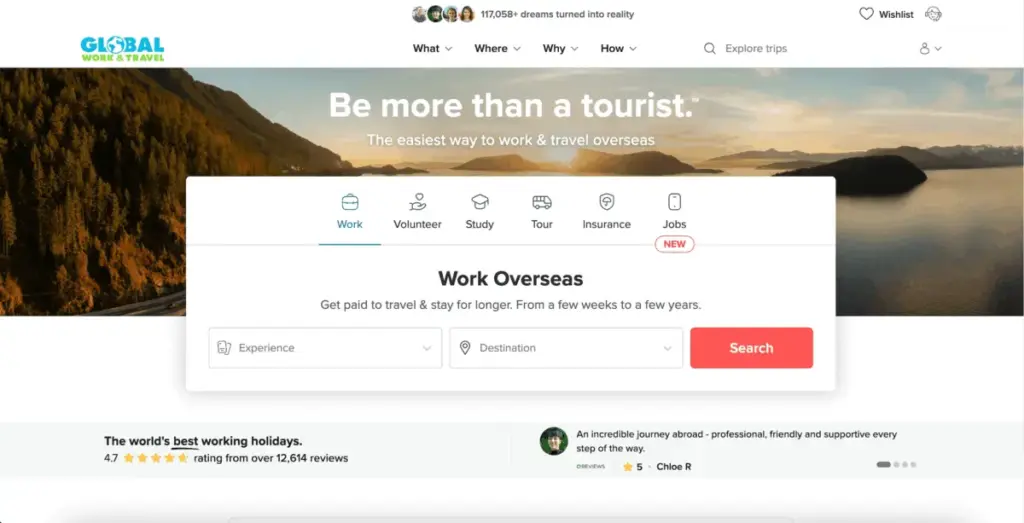
At the center of this transition are specialized placement and logistics facilitators, most notably Global Work & Travel. Having facilitated opportunities for over 116,000 travelers across nearly two decades, the organization exemplifies how structured scaffolding—encompassing visa guidance, verified employer matching, and ongoing local support—is lowering barriers to entry for long-term international mobility. This report analyzes the economic, social, and logistical mechanics driving the transition from extractive tourism to embedded, wage-supported global living.
Detailed Chronology: The Evolution of Modern Long-Term Travel
  1970s–1990s: Traditional Tourism Era
  └── Short-term sight-seeing, guidebook itineraries, low local economic integration.

  2000s–2010s: The "Digital Nomad" Boom
  └── Remote tech/creative jobs, location independence, localized cost-of-living arbitrage.
  └── Challenges: High entry barriers, socio-economic detachment, local real estate pressure.

  2020s–Present: The Structured Working Holiday & Ethical Placement Era
  └── Local wage earning, community-driven volunteering, institutional scaffolding.
  └── Result: Deeper cultural integration, broader economic accessibility, mutual impact.
1. The Era of Extractive Mass Tourism (1970s–2000s)
The modern travel industry was built on speed, convenience, and high turnover. Package tours, hotel chains, and standardized guidebooks created an infrastructure designed to minimize friction for visitors while simultaneously isolating them from authentic local environments. While economically lucrative for major airlines and hotel conglomerates, this model frequently yielded low financial yields for host communities and resulted in superficial, highly commercialized cultural interactions.
2. The Digital Nomad Phenomenon (2010–2020)
With the rapid expansion of high-speed global internet, cloud computing, and remote software platforms, a new paradigm emerged: the digital nomad. Aspirational messaging promised that workers could earn salaries in strong Western currencies while residing in low-cost destinations across Southeast Asia, Latin America, and Eastern Europe.
By the late 2010s, structural flaws in this framework became apparent:
- High Economic Thresholds: Digital nomadism required established remote employment, specialized skills (e.g., software engineering, digital marketing), and pre-existing career stability.
- Economic Isolation: Remote workers often congregated in specialized co-working hubs and short-term rentals, driving up local housing prices without actively contributing labor to the host country’s internal economy.
- Regulatory Ambiguity: Many digital nomads operated on standard tourist visas, creating legal and tax complexities for foreign governments.
3. The Working Holiday Resurgence and Ethical Placement Era (2020–Present)
As inflation, remote-work return mandates, and host-nation pushback against tourist-driven gentrification intensified, travelers sought alternative models. The solution emerged through updated bilateral working holiday agreements and structured gap-year placements. Unlike digital nomads who import foreign jobs, working holidaymakers enter host nations under explicit legal frameworks, joining the local labor force, earning local wages, paying local taxes, and filling persistent labor shortages in sectors such as hospitality, agriculture, education, and eco-tourism.
Supporting Context & Metrics: Comparative Analysis and Industry Indicators
To understand the mechanics of this shift, it is necessary to examine the operational differences between traditional travel, digital nomadism, and managed working holiday placements.
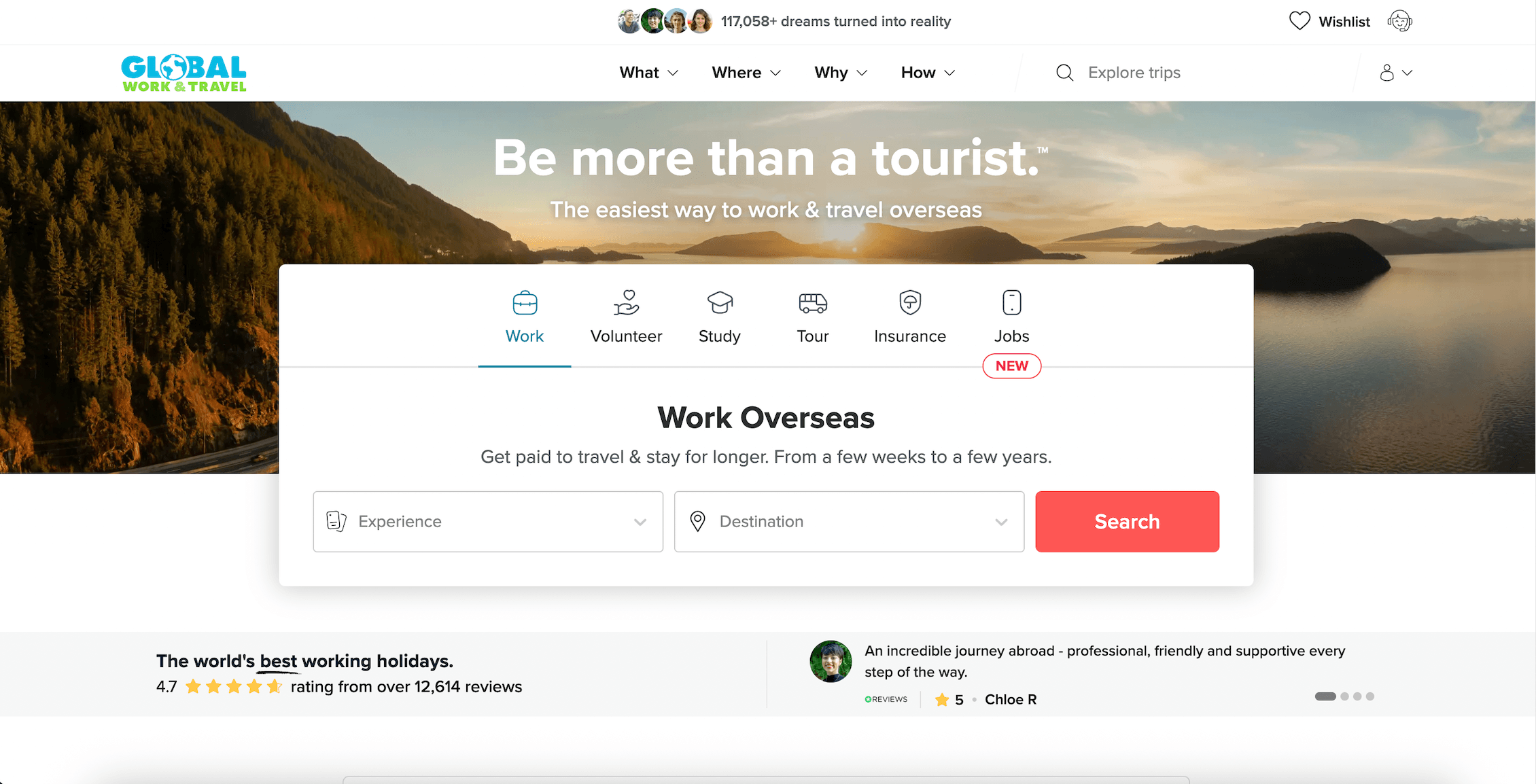
Comparative Framework of Global Mobility Models
| Indicator | Traditional Tourism | Digital Nomadism | Managed Working Holidays |
|---|---|---|---|
| Average Duration | 1–3 Weeks | 1–6 Months | 6–24 Months |
| Primary Income Source | Personal Savings | Remote Foreign Salary | Local Employment / Stipend |
| Economic Integration | Low (Hospitality sectors only) | Medium (Consumes locally, earns foreign) | High (Direct local workforce participation) |
| Cultural Embedding | Minimal / Passive | Moderate (Co-working communities) | High (Local colleagues, long-term residence) |
| Entry Barriers | Low | High (Requires established remote career) | Low to Moderate (Requires administrative setup) |
| Regulatory Framework | Tourist Visa | Tourist Visa / Nomad Visa | Working Holiday / Work Permit |
The Role of Institutional Scaffolding
For many potential long-term travelers, the primary barriers to working abroad are administrative and logistical: navigating foreign visa quotas, securing legitimate pre-departure employment offers, avoiding rental scams, and obtaining tax identification numbers.
Data from Global Work & Travel highlights the scale of demand for institutional support in overcoming these obstacles:
           GLOBAL WORK & TRAVEL: KEY OPERATING METRICS
   ┌─────────────────────────────────────────────────────────┐
   │ Total Placements Globally       │ >116,000 Travelers     │
   │ Years of Operation              │ ~20 Years               │
   │ Geographic Scope                │ UK, Europe, Americas,   │
   │                                 │ Asia, Africa, Pacific   │
   │ Age Eligibility Range           │ 18–35 (Working Holiday) │
   │                                 │ 18–80 (Volunteer/Teach) │
   └─────────────────────────────────────────────────────────┘
Specialized Support Services
Programs delivered by market leaders in this space rely on a centralized technological and operational support structure:
- gWorld Management Platform: A dedicated digital ecosystem where travelers track visa applications, housing assignments, and employment profiles.
- Employment Matching Systems: Vetted partnerships with vetted international employers to prevent labor exploitation and ensure fair wage compliance.
- Flexible Deposit Frameworks: Lifetime deposit policies designed to protect consumer capital against changing geopolitical or economic circumstances.
Ethical Standards in Volunteer Placements
A critical concern within long-term travel is the historical proliferation of unvetted "voluntourism"—programs that prioritize consumer gratification over long-term community utility. Modern placement programs have increasingly moved toward strict auditing standards to ensure sustainability and local autonomy.
Key Areas of Vetted Placement:
- Wildlife Conservation & Rehabilitation: Direct support for verified sanctuaries, such as elephant rescue centers in Thailand and wildlife reserves in South Africa, operating under strict animal welfare protocols.
- Community-Led Initiatives: Educational and infrastructure programs in regions like Zanzibar, Tanzania, where project parameters are defined directly by local leadership rather than external organizations.
- Dedicated Conservation Funds: Frameworks like the Global Animal Welfare Fund, which channel direct financial capital from program fees into habitat preservation and veterinary infrastructure.
Official Statements and Expert Perspectives
Travel analysts and industry practitioners emphasize that the financial and social sustainability of long-term travel relies on moving away from short-term, high-impact stays toward structured community engagement.
Industry Perspectives on the Working Holiday Shift
Matthew Kepnes ("Nomadic Matt"), Founder of NomadicMatt.com and Travel Author:
"Most travel is extractive and passive. You show up, take photos of the same landmarks as everyone else, eat at recommended restaurants, and pass through without going deep. Working holidays completely flip the digital nomad model. Instead of bringing a foreign job with you and floating above the local economy, you integrate directly into it.You meet people through actual work, build a stable daily life, and form genuine relationships with locals and co-workers. Structured platforms lower the operational barriers—such as navigating complex visas and securing verified placements—making long-term international living accessible to millions who don’t possess high-paying remote tech jobs."
Socio-Economic Considerations
Economists specializing in labor migration note that working holidaymakers serve as a critical economic stabilizer for host countries experiencing regional labor deficits. Unlike seasonal migrant labor models that may lack social safety nets, structured working holiday programs provide clear regulatory oversight, tax compliance, and legal protections for young international workers.
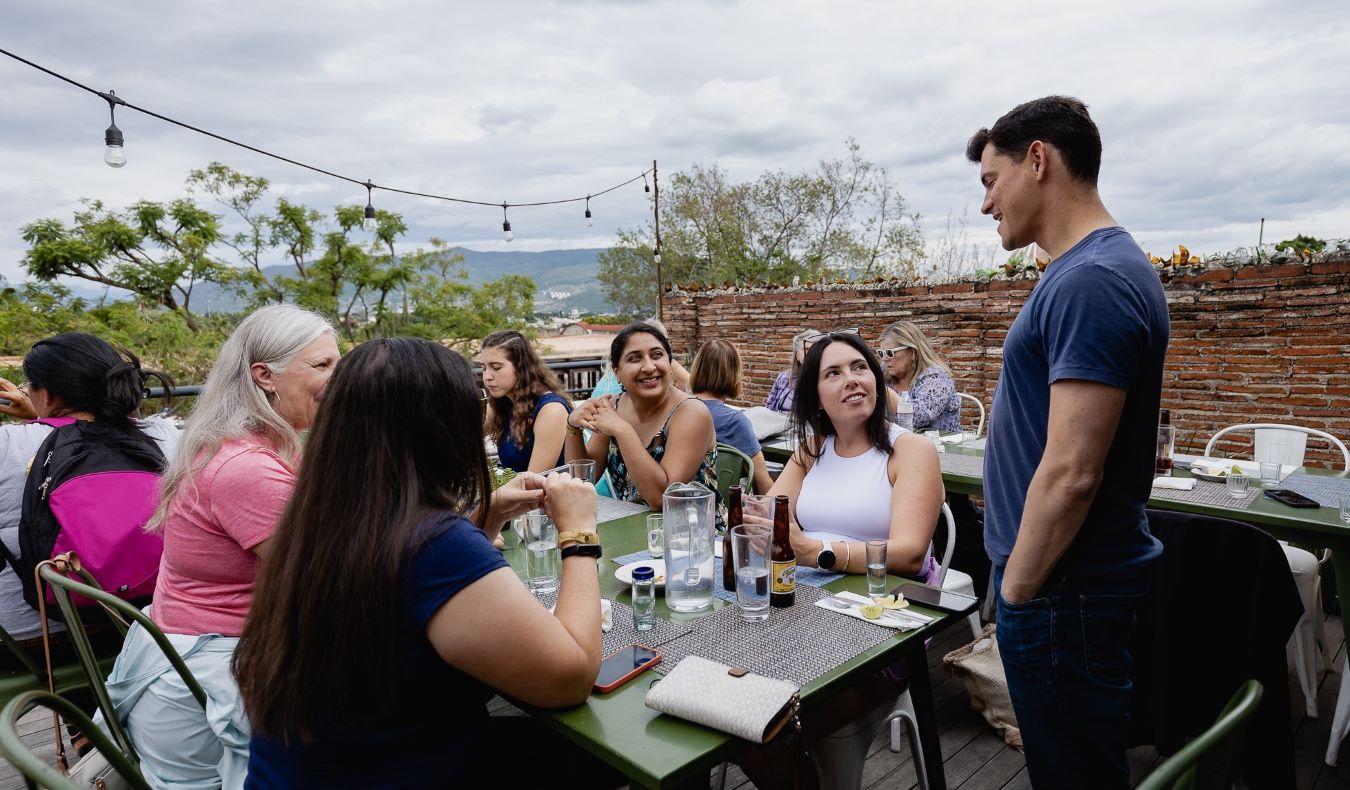
Furthermore, participating individuals report significantly higher metrics of personal development, professional skill acquisition, and long-term cross-cultural competency compared to conventional vacationers.
Future Outlook: Trends Shaping the Next Decade of International Mobility
As governments adjust their immigration policies and travelers seek higher returns on their time and capital, several key trends are set to define the future of long-term international travel.
                   FUTURE TRAJECTORY OF GLOBAL MOBILITY
                                    │
    ┌───────────────────────────────┼───────────────────────────────┐
    ▼                               ▼                               ▼
Expansion of Visa Caps       Integration of Tech Platforms   Demand for Ethical Safeguards
Bilateral agreements         AI-driven job matching &        Third-party auditing of
expanding age limits to 35.  streamlined visa portals.       volunteer & conservation sites.
1. Expansion of Bilateral Visa Agreements
Governments across Europe, the Asia-Pacific region, and North America are actively expanding their Working Holiday Maker (WHM) arrangements. Recent updates have seen age eligibility caps raised from 30 to 35 across multiple partner nations, alongside increased annual visa quotas. This trend reflects a growing recognition of the economic benefits generated by young, flexible international workers.
2. Algorithmic Job Matching and Digital Scaffolding
The integration of specialized placement management platforms will continue to streamline pre-departure logistics. Future developments are likely to feature real-time labor market matching, automated visa processing integration with foreign consulates, and enhanced peer-to-peer networks connecting active workers within specific overseas regions.
3. Rigorous Auditing of Experiential Travel
As consumers become more conscious of greenwashing and exploitative volunteering models, placement agencies will face growing pressure to provide third-party verification of their community impact and wildlife welfare projects. Transparent capital allocation—where program fees demonstrably fund host community priorities—will become a core market differentiator.
4. Convergence of Career Development and Gap Years
The traditional concept of a "gap year" as an unstructured break from education or employment is evolving. Employers increasingly view verified international work placements—whether teaching English with TEFL certifications, participating in structured internships, or managing regional service operations—as key indicators of adaptability, cross-cultural literacy, and self-reliance.
Conclusion
The global travel landscape is undergoing a structural transformation. As the limitations of both brief, extractive sightseeing and socially detached digital nomadism become clearer, managed working holidays and ethical volunteer placements offer a compelling alternative. By combining local economic participation with robust logistical support networks, these programs enable travelers to move beyond the role of passive observers, building sustainable, immersive, and mutually beneficial lives abroad.