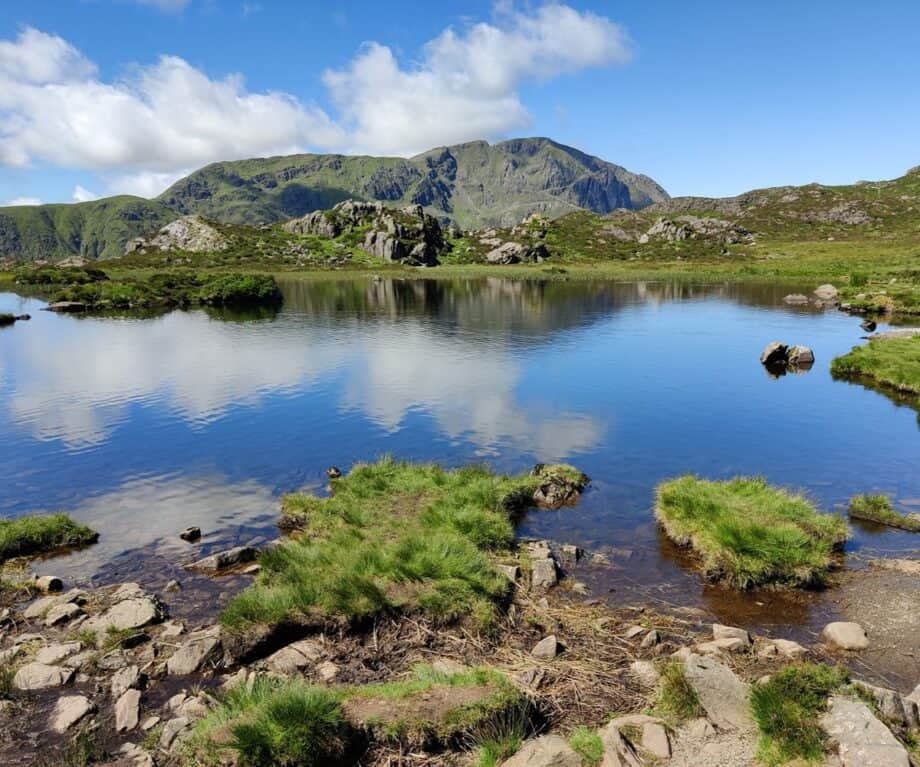
While Cumbria and the Lake District National Park are internationally celebrated for their majestic glaciated valleys, shimmering meres, and rugged fells, their culinary credentials have undergone a quiet revolution over the past two decades. Today, this northwestern county boasts a higher concentration of Michelin-starred establishments than any other region in the United Kingdom outside of London. Yet, beneath the veneer of white-tablecloth fine dining lies a richer, more grounded gastronomic phenomenon: the elevation of the traditional British pub.
Across the length and breadth of the Lake District and the wider county of Cumbria, historic coaching inns, rustic village taverns, and former 17th-century banks have evolved into world-class gastropubs. These venues seamlessly marry the historic hospitality of the North of England with boundary-pushing culinary techniques, foraging traditions, and locally sourced artisanal produce. This comprehensive guide explores eight of the region’s standout culinary pubs, detailing their origins, signature dishes, and the unique cultural landscapes that make them essential destinations for discerning travelers.
Detailed Chronology of Cumbrian Gastronomic Excellence
The evolution of Cumbrian pub culture from simple alehouses to Michelin-starred destinations did not happen overnight. It represents a steady march of culinary talent returning to their roots, paired with a burgeoning local food network.
1. Heft (High Newton)
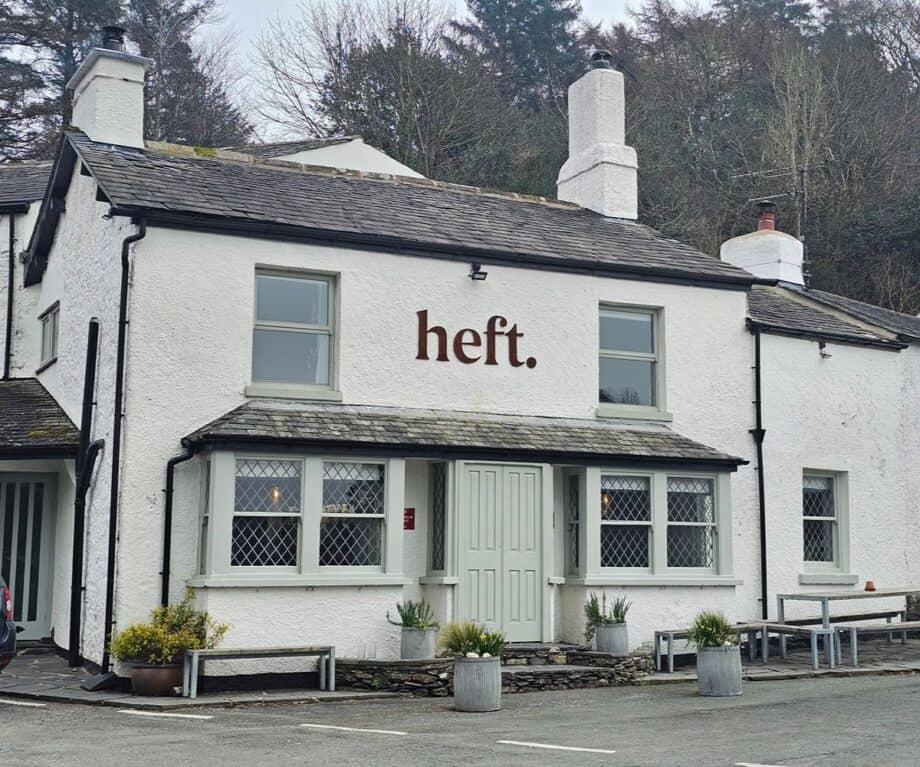
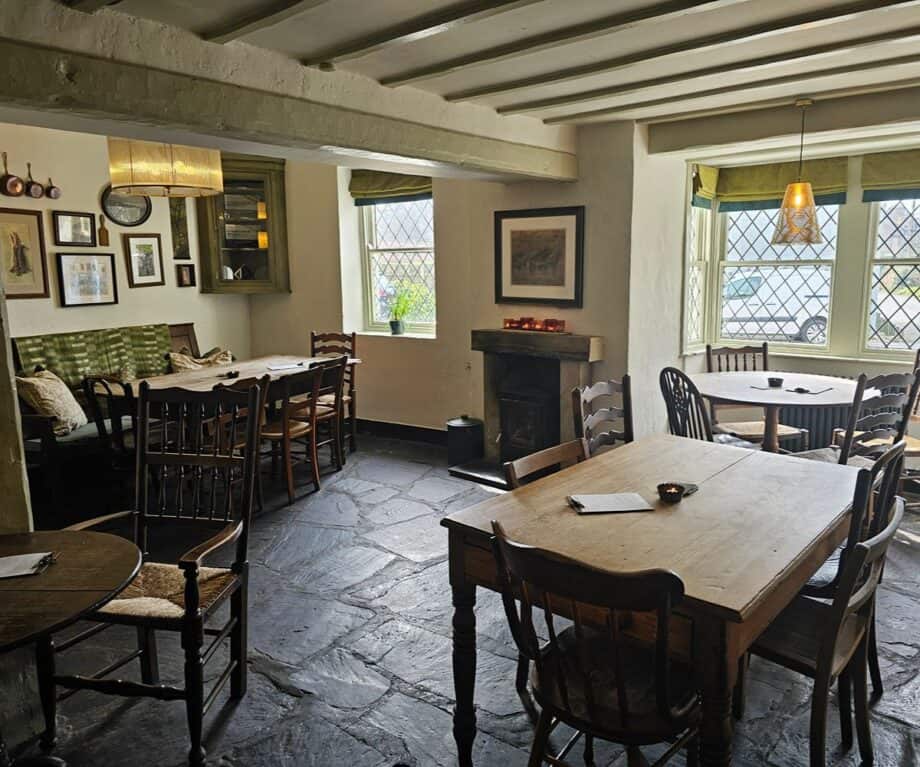
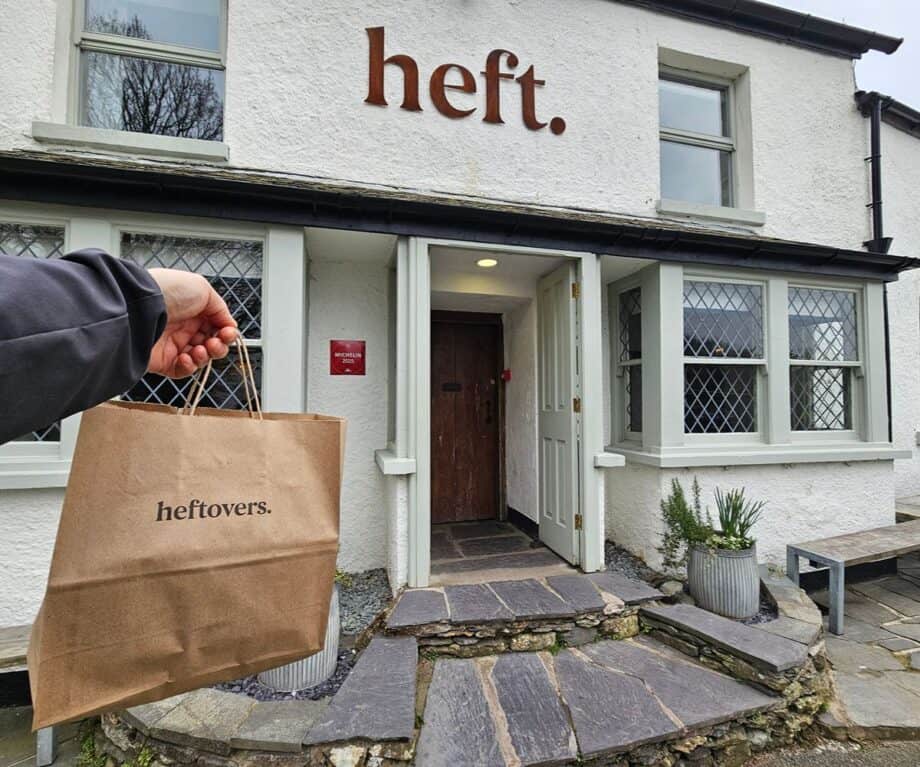
Perched in the quiet village of High Newton, Heft represents a masterclass in the dual-concept establishment. Owned and operated by Cumbrian-born chef Kevin Tickle (formerly of The Forest Side) alongside his wife Nicola, Heft was awarded a Michelin Star in 2023. The venue artfully splits its identity: a casual, dog-friendly historic village pub bar at the front gives way to a refined, formal fine-dining restaurant space toward the rear.
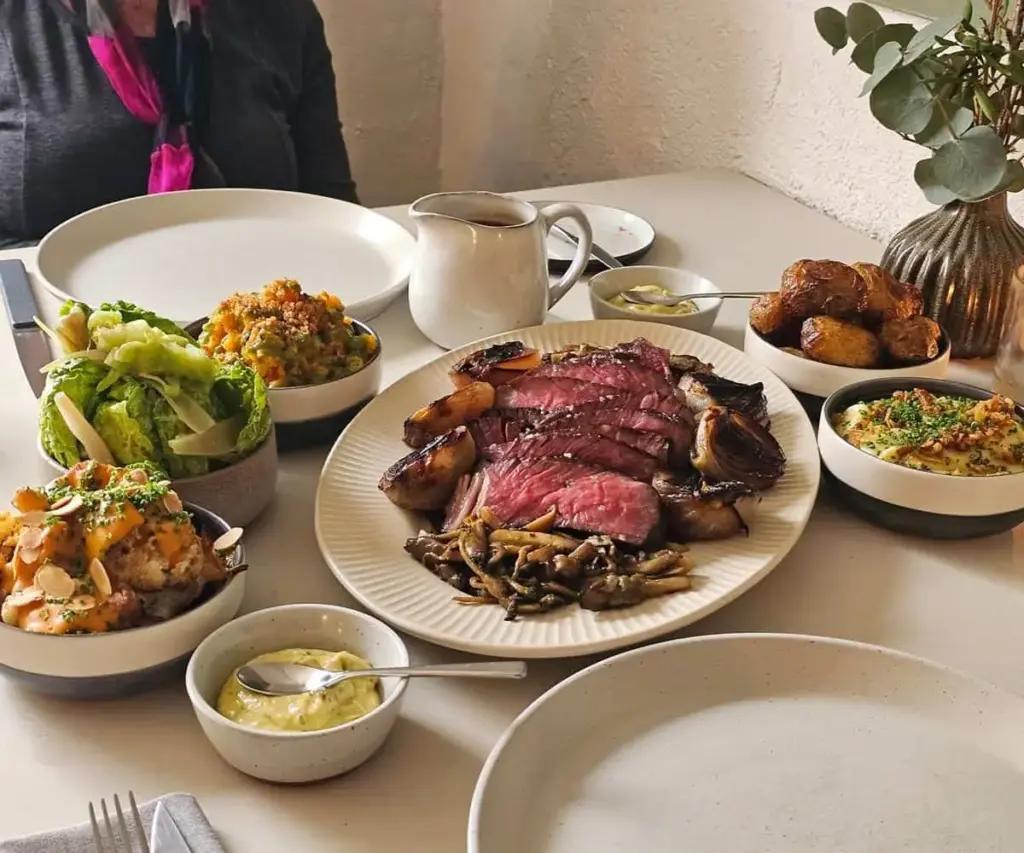
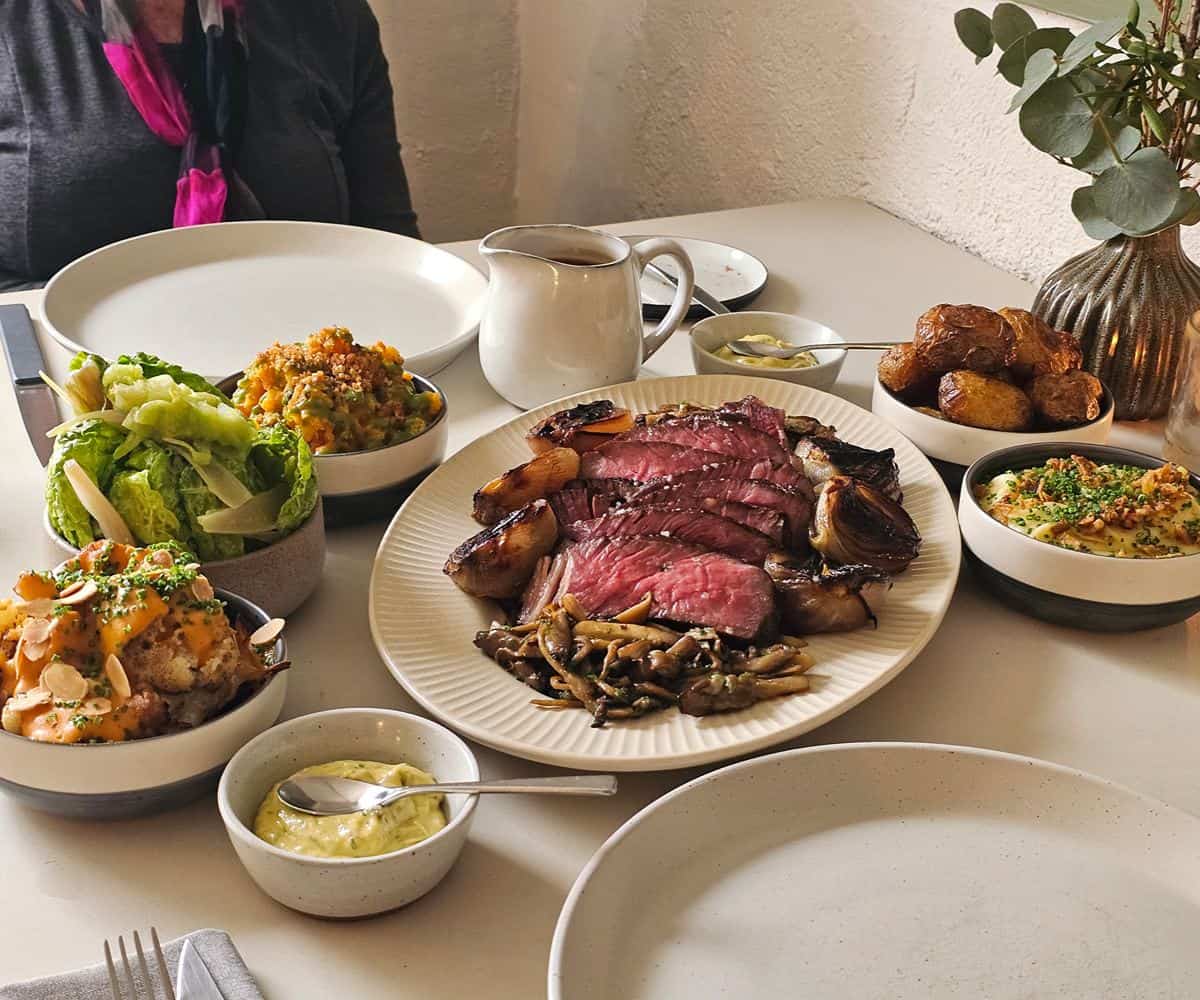
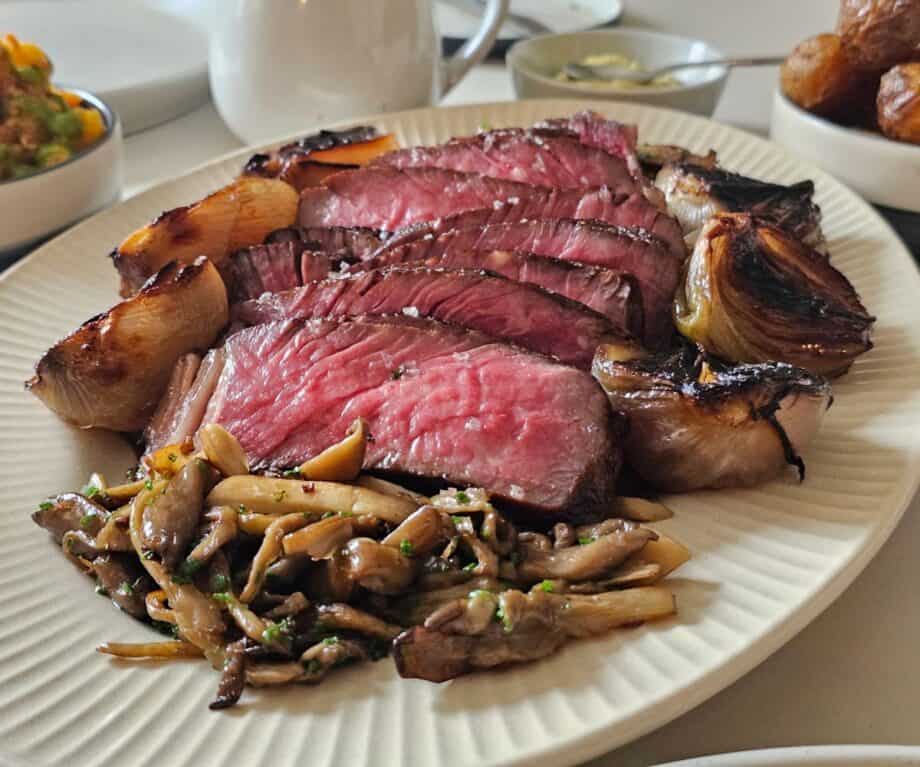
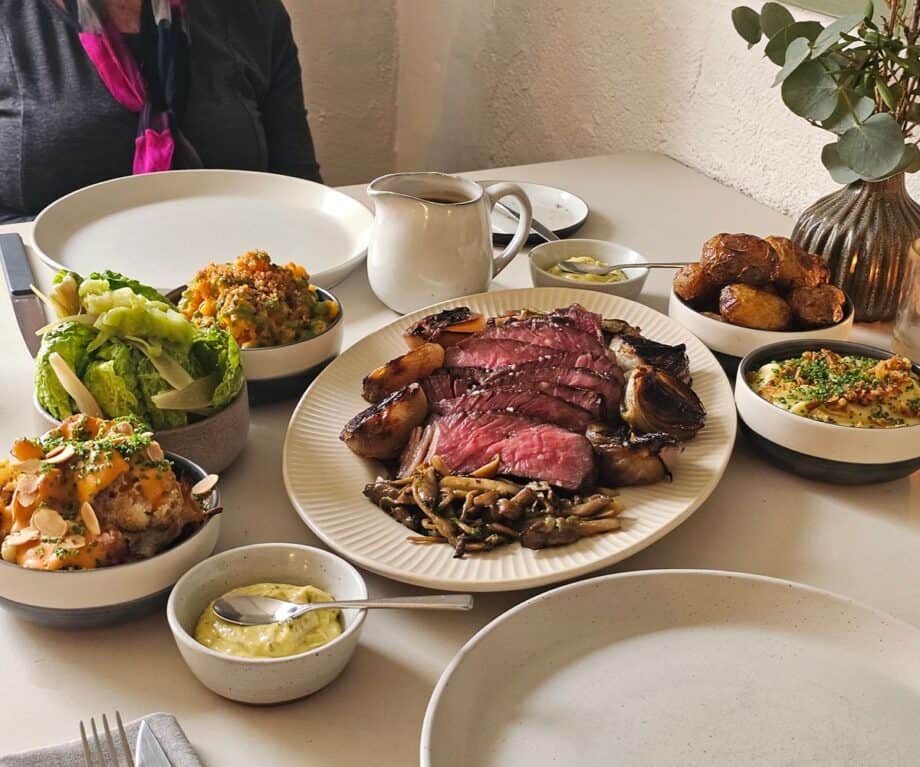
The Culinary Experience: During a visit for Sunday lunch, the standout offering is the sublime 24oz dry-aged beef rib to share. Served pink, it is accompanied by thyme-roasted Roscoff onions, wild mushrooms, ramson béarnaise, and herb-and-garlic potatoes.
Alternative Mains: Diners can choose between whole plaice roasted on the bone in dulse with BBQ’d pak choi and a light curry broth, slow-roasted Herdwick hogget shoulder with seared greens, sauerkraut, and peppercorn sauce, or a salt-baked celeriac “steak” served with black garlic and a sour cream and allium sauce.
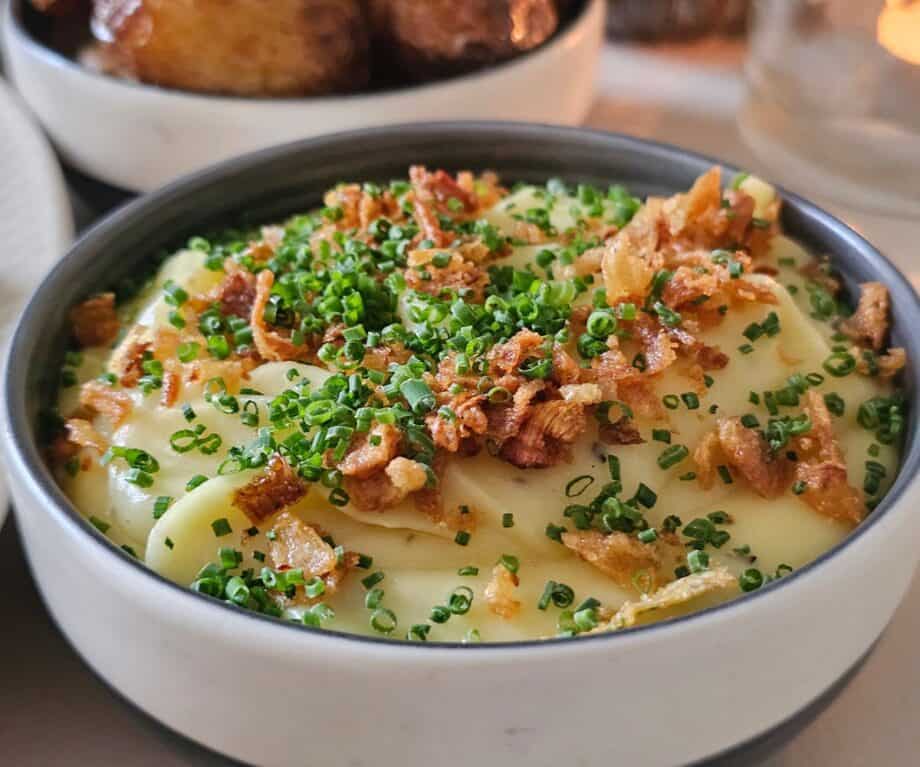
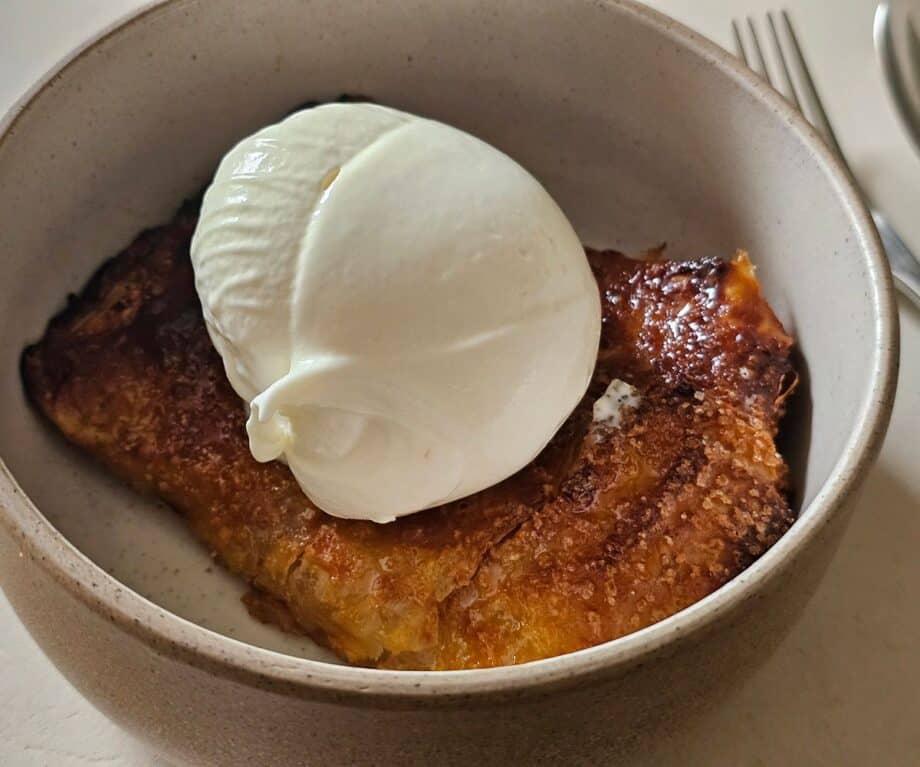
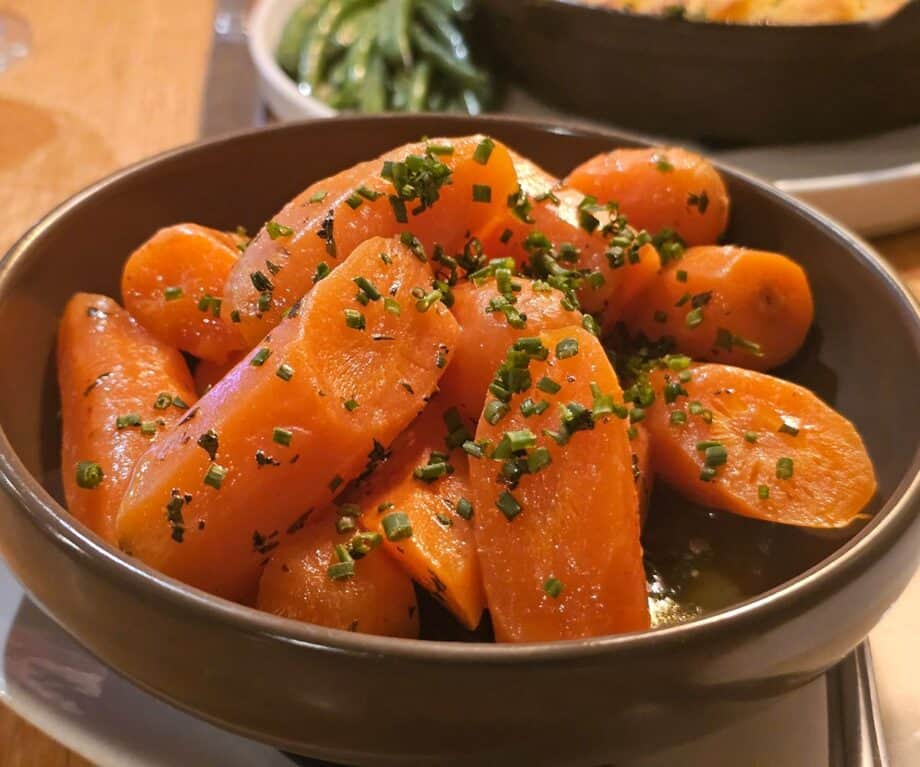
Sides and Desserts: Sides include a three-cheese mac ’n’ cheese with an herb and onion crunch, brown-butter roasted cauliflower with cheesy romesco and toasted almonds, and Isle of Mull cheddar, truffle, and crispy onion mash. Desserts feature Yorkshire rhubarb strudel with mascarpone ice cream and a pecan, maple, and molasses tart with muscovado crémeux.
Etymology: The name "Heft" derives from the traditional Cumbrian agricultural term "hefted," referring to local sheep that naturally learn to stay on their specific, unfenced area of the fell.
2. The Brown Horse (Winster)
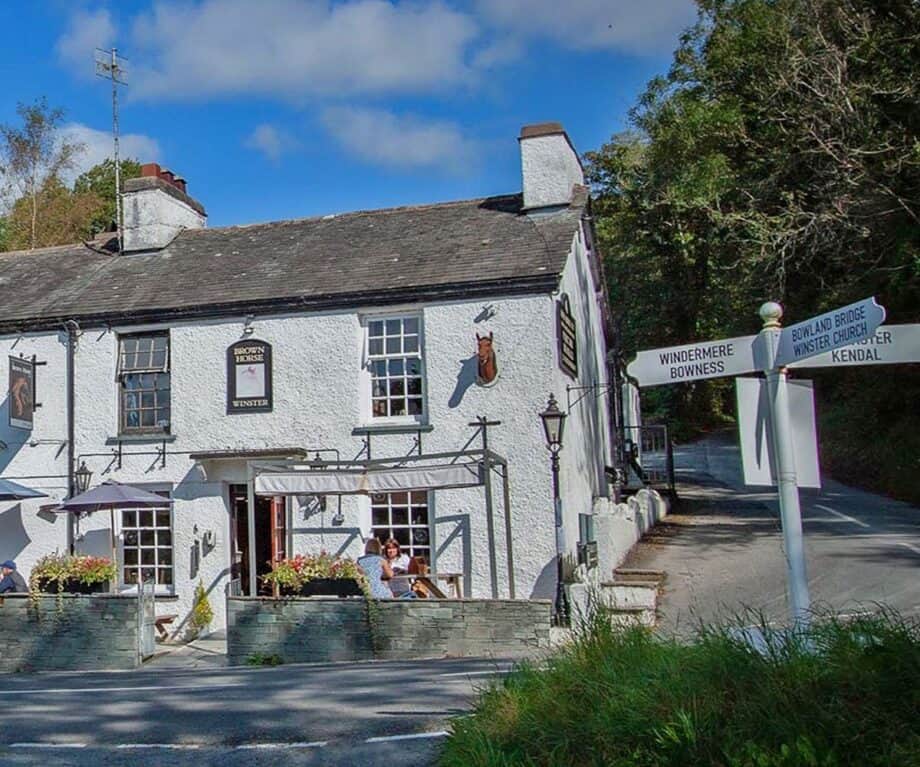
Tucked away in the pastoral Winster Valley—which runs parallel to the damson-famous Lyth Valley—The Brown Horse is an 18th-century coaching inn that leans heavily into hyper-local sustainability, sourcing its meats and vegetables directly from its on-site farm and kitchen gardens.
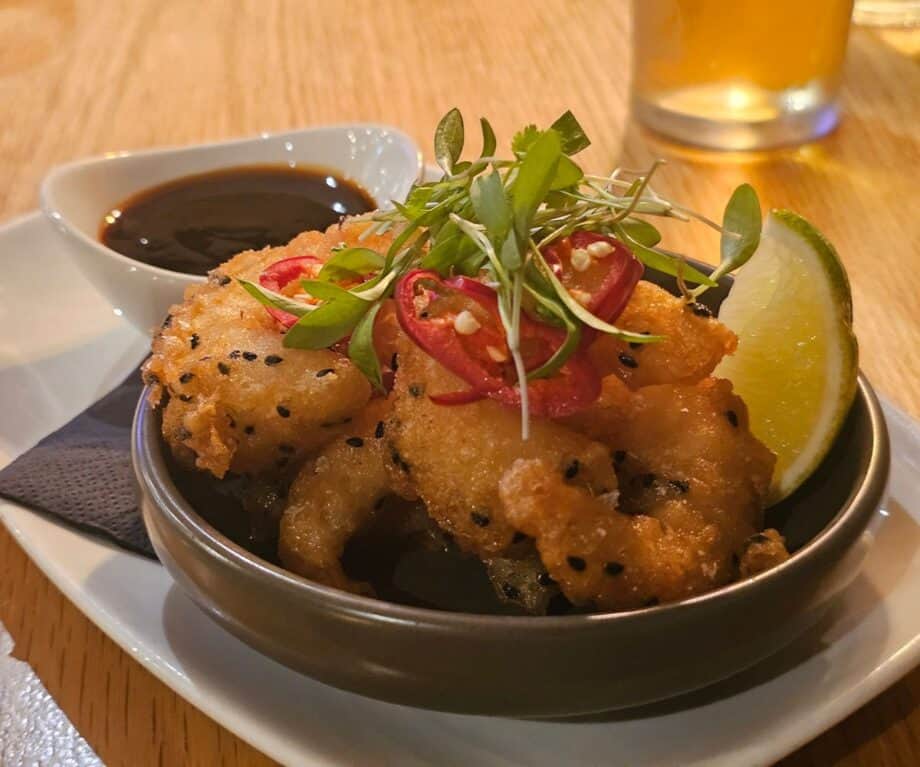
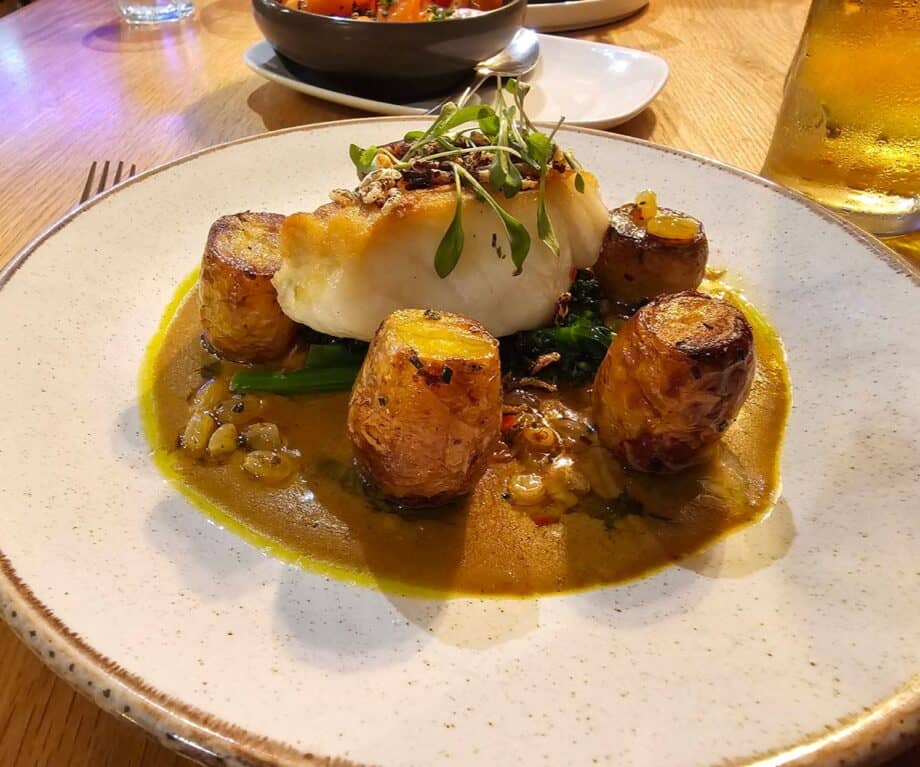
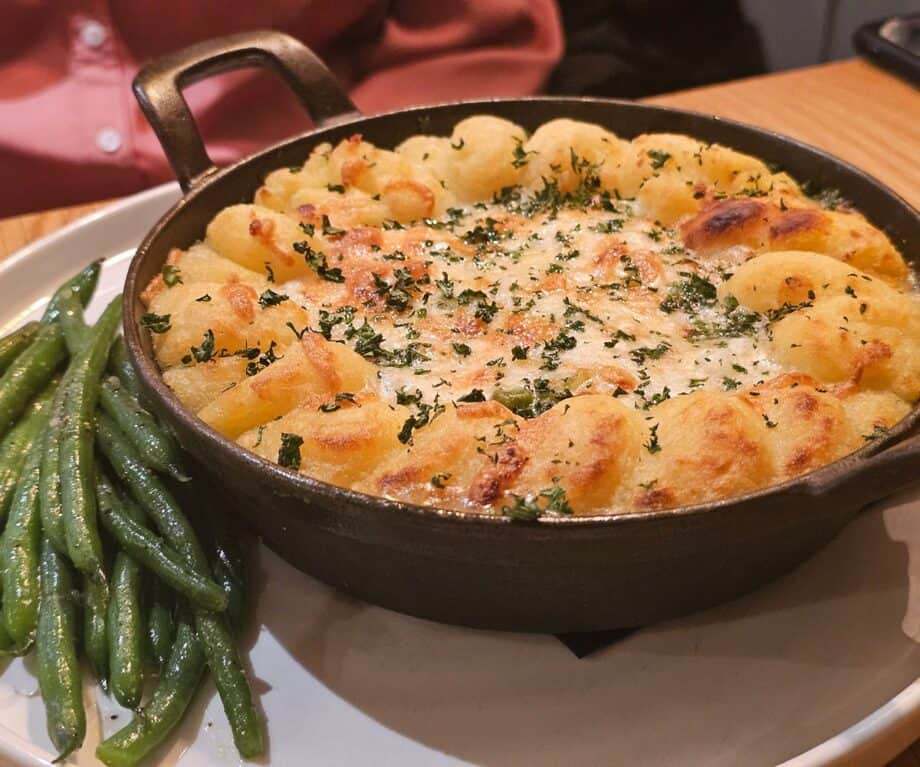
The Menu: Starters feature creative specials such as tempura prawns with teriyaki and soy dipping sauce, and halloumi fries with chilli mayo, alongside menu staples like chicken liver parfait with poached rhubarb, chicken crumb, and toasted brioche. Mains range from roasted corn-fed chicken breast with fondant potato and tarragon jus to gluten-free curried cod with saffron potatoes and korma sauce. Traditionalists can opt for a rich fish pie packed with haddock, cod, salmon, and smoked haddock beneath a golden cheddar mash.
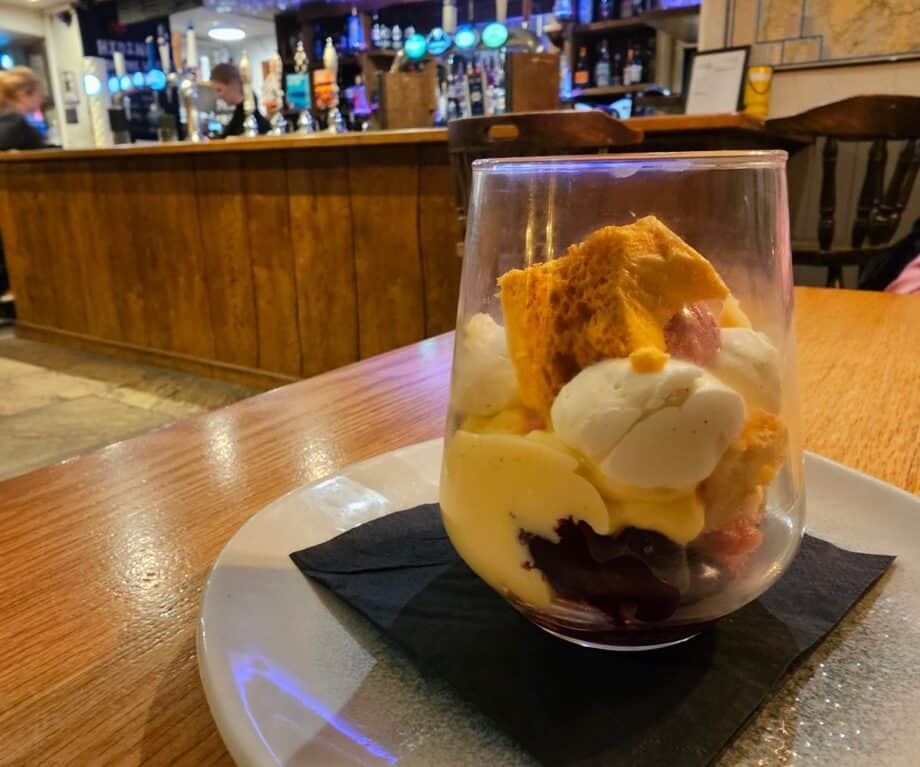
Dessert: A meal here must conclude with the Lyth Valley damson gin trifle, topped with cinder toffee—a fitting tribute to the surrounding terroir.
3. The Black Bull (Sedbergh)
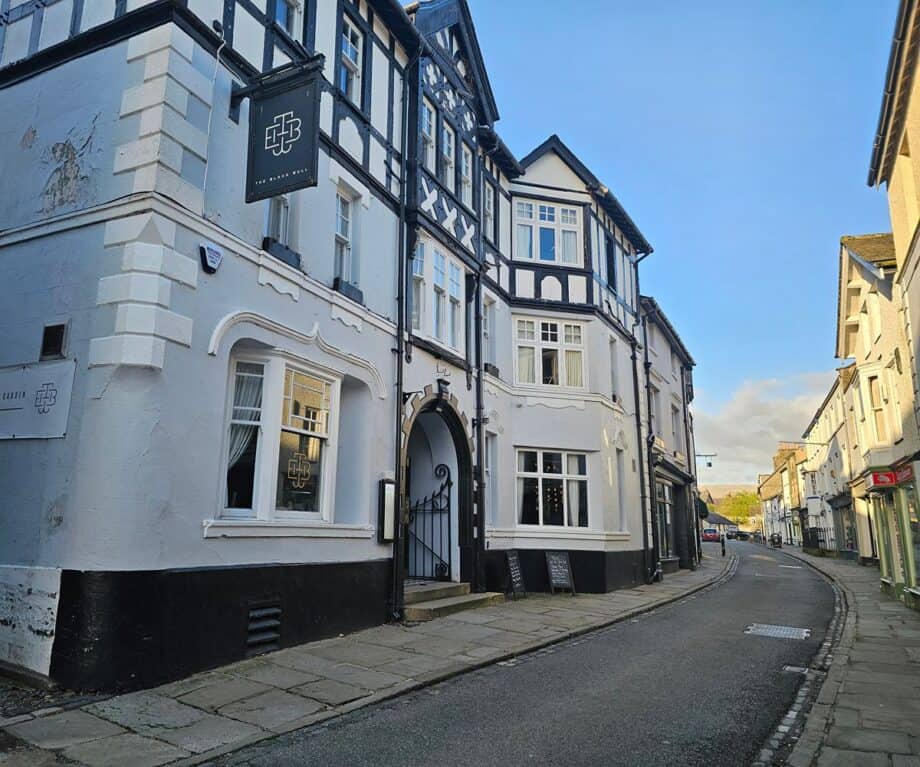
Situated in the historic market town of Sedbergh in the county’s southeastern corner, The Black Bull sits closer to the Yorkshire Dales than the central lakes. Holding 2 AA Rosettes and a spot in the Estrella Damm Top 100 Gastropubs, the 17th-century coaching inn is run by chef Nina Matsunaga.
Fusion and Foraging: Matsunaga, born in Düsseldorf to Japanese parents, infuses British ingredients with subtle European and Asian accents. Appetizers include fermented beetroot tartare with cured hen’s egg and IPA shallots, and Hen of the Woods (Maitake) mushroom parfait with Landlord crackers and wild garlic.
Mains: Hearty options include the Landlord British white beef pie and Lakeland venison served pink with savoy cabbage, rhubarb, and bone marrow.
4. The Brackenrigg Inn (Ullswater)
Acquired by the Another Place hotel group, The Brackenrigg Inn near Ullswater has been meticulously updated into a contemporary upscale foodie pub. Featuring its own microbrewery housed in a converted 18th-century stone barn, the inn balances historic character with modern dining.
Highlights: Shared plates include Cajun-spiced nachos and salt-and-chilli chicken with Asian slaw. Mains feature pan-roasted salmon with sweet chilli noodles and crackling skin, alongside a robust, beef-chunk-laden steak pie served with mash or chunky chips.
5. The Yan (Broadrayne, Grasmere)
Operating on the site of a 17th-century farm just outside Grasmere, The Yan is a family-run bistro-pub hybrid that has achieved cult status among locals and visitors alike. The name stems from "yan," the historic Cumbrian dialect word for "one" used in traditional sheep counting.
Quirky Twists: Dishes incorporate clever Cumbrian-fusion wordplay, such as the "Austri-Yan" pork chop schnitzel and the "Scandinavi-Yan" cartmel valley venison and sausage meatballs. Starters like curried hummus with Bombay mix and chip-shop croquettes redefine classic pub comfort food.
6. The Old Bank (Carlisle)
Celebrating a decade in business, The Old Bank in central Carlisle brands itself as a "Gastro House." Founded by local chef Matt Rayson, the restaurant occupies a former Victorian bank building where patrons can dine inside the original secure walk-in vaults.
Indulgence: Known for massive portions, the menu features treacle-brushed rump of beef with haggis and neep quiche, pan-fried Scottish king scallops with rhubarb ketchup, and a decadent chicken Kiev stuffed with curry and roast garlic butter.
7. The Mason’s Arms (Strawberry Bank)
Perched dramatically on the slopes of Cartmel Fell, The Mason’s Arms offers sweeping views over the Winster Valley. Famed for its expansive beer list and diverse menu, standout small plates include ’nduja prawns and sautéed truffled mushrooms on sourdough. Main courses include Dizzy Blonde beer-battered fish and chips and a steak and Unicorn ale pie.
8. The King’s Arms (Hawkshead)
Housed in a Grade II listed 15th-century building on Hawkshead’s historic square, The King’s Arms retains low timber beams and an open log hearth. Culinary highlights include poached smoked haddock with saffron velouté, and a beef brisket pie featuring an Eden sunset cheddar crust.
Supporting Context & Metrics: The Cumbrian Culinary Economy
To understand the rise of Cumbrian gastropubs, one must examine the economic and agricultural infrastructure supporting them:
Michelin Density: Cumbria boasts over 10 Michelin-starred venues across a relatively sparse population, creating a halo effect that elevates neighboring pubs. Establishments like Heft and The Dog & Gun Inn in Skelton prove that a venue can hold Michelin accolades while maintaining an unpretentious, muddy-boots local pub atmosphere.
Supply Chains: The region relies heavily on local heritage breeds. Herdwick sheep—uniquely "hefted" to the fells—provide distinctively flavored hogget and lamb. Meanwhile, coastal proximity ensures a steady supply of seafood from Morecambe Bay and Scotland, complemented by locally foraged wild garlic, damsons from the Lyth Valley, and artisanal cheeses like Torpenhow.
Official Statements and Industry Insights
Reflecting on the philosophy behind these establishments, chefs and proprietors emphasize a balance between precision and comfort.
"Operating a gastropub in Cumbria is about honoring the landscape without losing the soul of the village local," notes Kevin Tickle of Heft. "People come to the Lake District expecting beauty in nature; our job is to mirror that beauty on the plate using what grows wild right outside our doors."
Industry analysts point out that venues offering both casual bar spaces and formal dining rooms capture a broader demographic—appealing to weary hikers seeking a pint and a pie, as well as destination diners pursuing a multi-course tasting menu.
Future Outlook
As the Lake District National Park continues to attract millions of tourists annually, the region’s gastropubs are poised to remain at the vanguard of British culinary tourism. Future trends indicate an increased focus on zero-waste kitchens, hyper-local foraging, and on-site micro-brewing.
For travelers planning an itinerary through Cumbria, these eight establishments offer far more than a place to rest after a day on the fells—they represent a vibrant, evolving culinary movement deeply rooted in the history, agriculture, and community of northern England. Whether you are sampling a damson gin trifle in the Winster Valley or cutting into a dry-aged rib of beef in High Newton, the message is clear: Cumbria’s greatest hidden treasure isn’t just its landscape—it’s its plate.