





On May 4, 2026, the global sustainability landscape marked a pivotal milestone with the official release of the first Climate Impact Portfolio of 2026. Designed to accelerate the worldwide transition toward net-zero emissions, this latest iteration channels vital carbon offset investments into six meticulously vetted, high-integrity climate projects across the globe. By distributing capital across a diversified matrix of forestry, renewable energy, blue/teal carbon ecosystems, and advanced carbon removal technologies, this portfolio addresses the multifaceted nature of the climate crisis.
The initiative moves beyond simple carbon accounting, delivering measurable co-benefits that intersect with biodiversity conservation, Indigenous land rights preservation, marine health restoration, and sustainable community development. As climate change increasingly strains traditional energy grids, marine habitats, and vulnerable terrestrial ecosystems, portfolios of this caliber offer a strategic blueprint for holistic environmental stewardship. This report provides an exhaustive examination of the 2026 portfolio’s structural design, quantitative impact metrics, individual project profiles, recent operational milestones, and the future outlook for corporate and individual carbon offsetting.

Detailed Chronology and Structural Evolution
The conceptualization, deployment, and continuous monitoring of the 2026 Climate Impact Portfolio represent the culmination of rigorous scientific vetting, community engagement, and adaptive management frameworks.
Q1 2026: Portfolio Formulation and Distribution Strategy
Leading up to the May 4 release, environmental auditors and project developers finalized the allocation metrics for Portfolio 1. Recognizing that single-solution carbon offset strategies often lack the resilience required in volatile economic and climatic environments, designers structured the portfolio to span four distinct pillars:

- Energy Generation: Capturing methane and generating renewable power to alleviate stress on fossil-fuel-dependent or climate-vulnerable grids.
- Carbon Removal & Upcycling: Transforming pervasive environmental hazards—such as invasive seaweed and organic landfill waste—into valuable, long-term carbon-sequestering products.
- Blue and Teal Carbon: Restoring coastal lagoons, salt marshes, and peat swamps, which capture carbon dioxide at rates exponentially higher than terrestrial forests.
- Forestry & Indigenous Stewardship: Protecting standing carbon-dense canopies while empowering Indigenous and local communities to act as frontline guardians of their ancestral lands.
Ongoing Operational Milestones (Early 2026)
Throughout the first quarter and leading into the spring launch, the portfolio’s constituent projects achieved critical operational benchmarks. In Italy’s Venice Lagoon, the Valle Paleazza project executed a major spring tree-planting campaign, introducing 200 resilient saplings supported by rigorous dry-season watering and health-monitoring regimens. Simultaneously, the Keo Seima Wildlife Sanctuary in Cambodia deepened its commitment to community-led governance through extensive first-aid training programs delivered in partnership with the Cambodian Red Cross, ensuring patrol teams operating in remote jungle environments remain equipped for emergency response. In Tanzania, the Yaeda-Eyasi project commenced a comprehensive, multi-year independent verification under the Plan Vivo Standard, updating its baselines and integrating advanced bird-monitoring indicators to track ecological health.
Supporting Context and Quantitative Metrics
The true measure of a climate portfolio lies in its ability to translate financial contributions into verifiable ecological and social outcomes. The projects comprising the first 2026 portfolio collectively drive systemic change across multiple key performance indicators, accelerating the net-zero transition through concrete, scalable actions.

Impact in Numbers
- Terrestrial Forest Preservation: The portfolio successfully prevents the destruction and degradation of 1,060,000 acres of carbon-rich forests, safeguarding ancient canopies that store millions of tons of CO₂ equivalent (CO₂e) while preserving vital habitats for endangered wildlife.
- Renewable Energy Production: Through strategic investments in biogas capture and clean energy infrastructure, the portfolio generates 78.7 Gigawatt-hours (GWh) of renewable energy yearly, displacing carbon-intensive fossil fuel generation and stabilizing regional grids.
- Organic Waste Divergence: Innovative waste-to-energy and coastal cleanup initiatives divert up to 1,440 cubic meters ($textm^3$) of sargassum and green waste from landfills per week, eliminating potent methane emissions at their source and upcycling organic matter into productive agricultural and structural materials.
- Blue and Teal Carbon Conservation: By protecting, managing, and actively restoring 91,317 acres of blue and teal carbon ecosystems, the portfolio leverages coastal and wetland environments that act as some of the most efficient carbon sinks on Earth.
Carbon Dioxide Equivalent Allocation Breakdown
The portfolio allocation reflects a balanced exposure to diverse mitigation strategies, ensuring that investors support both immediate emissions avoidance and long-term carbon drawdown:
- Macaúbas Waste-to-Energy (Brazil): Comprises 39.6% of the portfolio.
- Keo Seima Wildlife Sanctuary (Cambodia): Comprises 34.9% of the portfolio.
- Rimba Raya Biodiversity Reserve (Indonesia): Comprises 14.0% of the portfolio.
- Valle Paleazza Wetland Restoration (Italy): Comprises 5.8% of the portfolio.
- Yaeda-Eyasi Landscape Project (Tanzania): Comprises 4.7% of the portfolio.
- Sargassum Recovery for Clean Coasts (Mexico): Comprises 1.0% of the portfolio.
Deep Dive: Exploring the Six Portfolio Projects
Each project within the 2026 portfolio represents a unique intersection of ecological necessity, technological innovation, and socio-economic empowerment.

1. Macaúbas Waste-to-Energy Project (Brazil)
- Portfolio Share: 39.6%
- Project Type: Energy / Waste Management
- Location: Minas Gerais, Brazil
Context & Impact:
Nestled in Brazil’s historic Iron Quadrangle—a region marked by rapid urbanization and rising energy demands following the historical Gold Rush—the Macaúbas project tackles the dual challenges of urban waste management and grid instability. Organic waste decomposing in municipal landfills naturally releases massive quantities of methane, a greenhouse gas with a global warming potential significantly higher than carbon dioxide over a 20-year timeline.
The Macaúbas facility captures this fugitive biogas, routing it away from the atmosphere and converting it into stable, renewable electricity. This process provides a vital decentralized energy buffer. As climate change induces severe droughts that deplete Brazil’s traditional river-powered hydroelectric dams, supplemental renewable energy from landfill gas becomes indispensable. Furthermore, the project stimulates local green economies, fostering sustainable employment opportunities within the region.
2. Sargassum Recovery for Clean Coasts (Mexico)
- Portfolio Share: 1.0%
- Project Type: Carbon Removal / Marine Conservation
- Location: Riviera Maya, Mexico
Context & Impact:
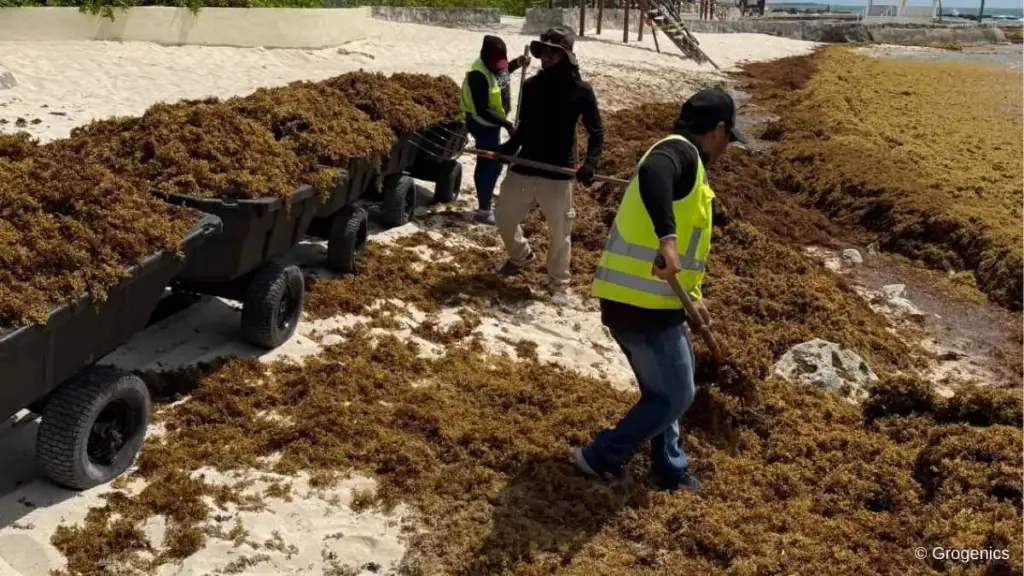
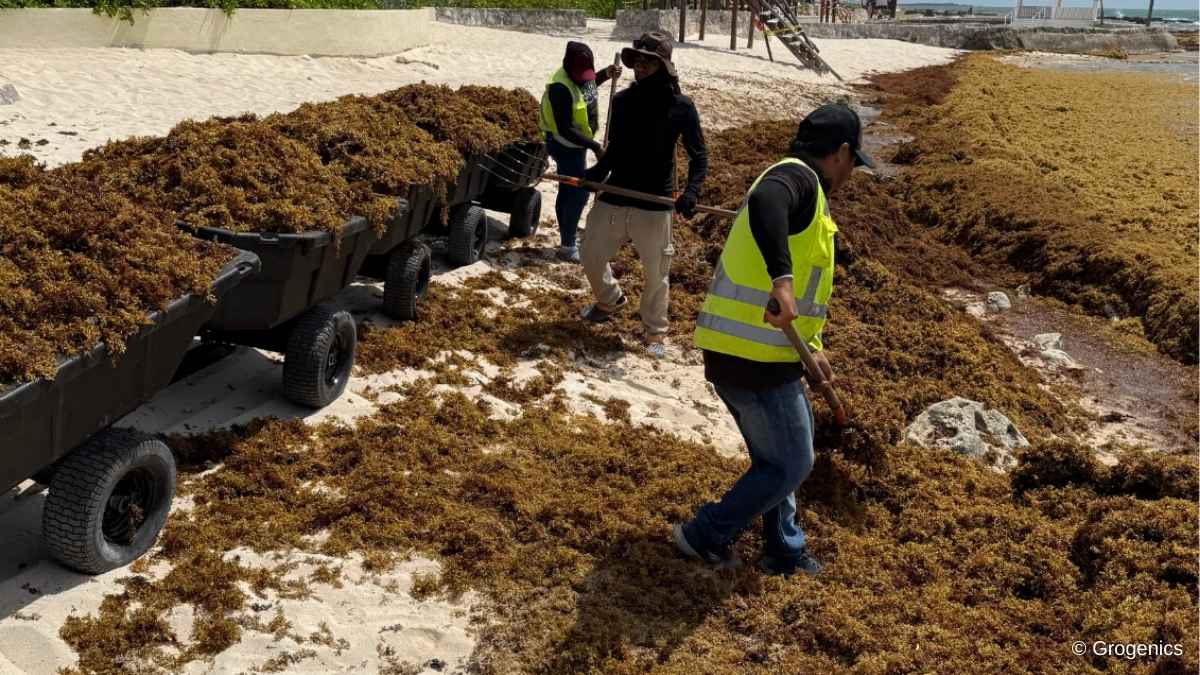
Along the sun-drenched shores of Mexico’s Riviera Maya, unprecedented influxes of pelagic sargassum seaweed have posed an escalating threat to coastal ecosystems. When massive mats of sargassum wash ashore and decompose unchecked, they release noxious hydrogen sulfide gas, smother fragile coral reefs, trap nesting sea turtles, and devastate local tourism economies.
This initiative deploys low-impact, manual and mechanical collection methods to remove sargassum from resort shorelines before decomposition occurs. The harvested seaweed is subsequently upcycled into high-value products, including biochar for soil amendment, organic compost, and shoreline erosion-control materials. Crucially, the initiative supports women-led agricultural cooperatives, supplying locally grown, sustainable produce back to hospitality partners.

Recent Recognition:
Over the past year, the Sargassum Recovery project has earned international acclaim for its pioneering approach to "Blue Innovation." It was named a Top Innovation Winner in the World Economic Forum’s Coastal Tourism Challenge, received the prestigious Ocean Solution Label from the Sustainable Ocean Alliance, and was named a finalist for the 2026 Unlocking the Planet Award.
3. Valle Paleazza Wetland Restoration (Italy)
- Portfolio Share: 5.8%
- Project Type: Blue/Teal Carbon
- Location: Venice Lagoon, Italy
Context & Impact:
The historic fishing valleys of the Venice Lagoon represent a fragile, culturally rich landscape where human heritage and natural hydrology intersect. The Valle Paleazza project restores these ancient marshlands through traditional water management techniques and active ecological restoration, transforming degraded agricultural and commercial plots back into thriving blue carbon sinks.

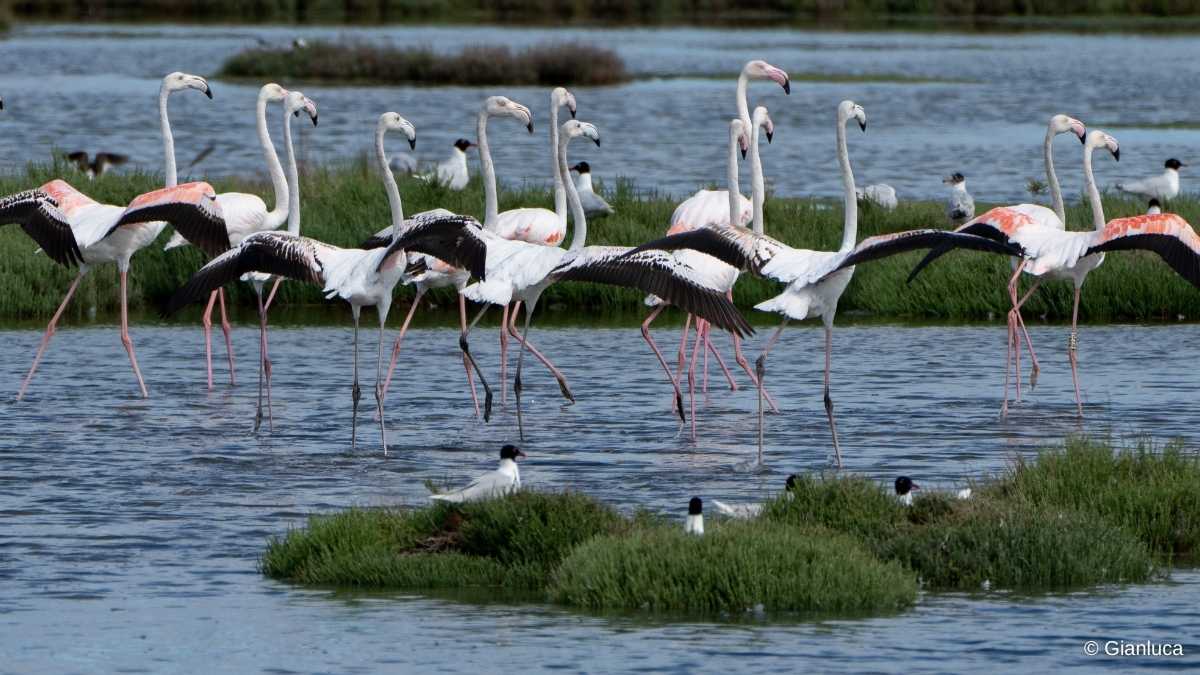
Beyond sequestering atmospheric carbon at accelerated rates, the restored lagoons serve as crucial nurseries for native fish species and nesting grounds for migratory birds, including iconic flocks of flamingos. This ecological revival directly supports the livelihoods of small-scale fishers and aquaculture workers while opening avenues for low-impact, nature-based tourism. Additionally, the restored wetlands act as a natural buffer against tidal flooding and coastal erosion, bolstering the climate resilience of low-lying Venetian communities.
4. Keo Seima Wildlife Sanctuary (Cambodia)
- Portfolio Share: 34.9%
- Project Type: Forestry
- Location: Mondulkiri Province, Cambodia
Context & Impact:
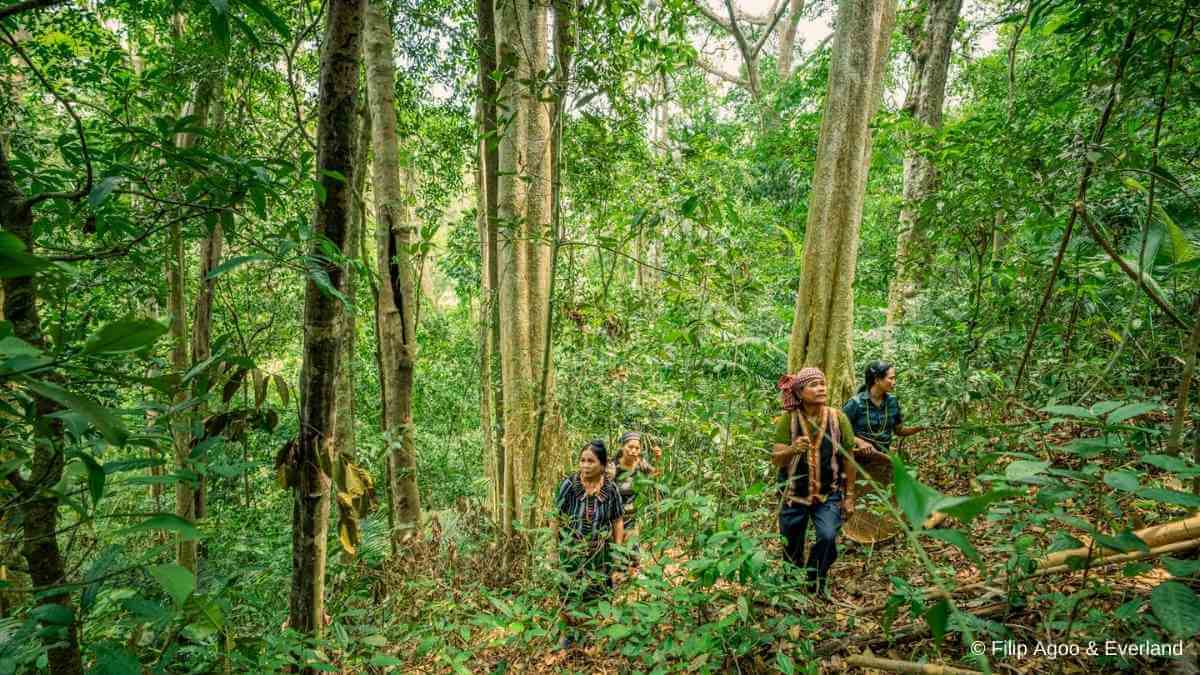
Spanning a vast expanse of tropical forest, the Keo Seima Wildlife Sanctuary is a biodiversity hotspot of global significance. It holds profound cultural, spiritual, and economic value for the indigenous Bunong people. Historically threatened by illegal logging, land grabbing, and agricultural encroachment driven by localized poverty, the forest is now shielded through community-based patrols and sustainable livelihood initiatives.
The project successfully halts deforestation-driven emissions while protecting irreplaceable flora and fauna, including the endangered yellow-cheeked gibbon and Asian elephant. Recent governance enhancements—such as leadership training sessions in Cheung Phnum Beng and Karamash—ensure that conservation management remains firmly rooted in Indigenous autonomy and transparent decision-making. The integration of traditional Bunong architecture (such as the construction of heritage housing units) alongside the community-driven "Green Sprouts" reforestation campaign bridges cultural preservation with active environmental stewardship.
5. Yaeda-Eyasi Landscape Project (Tanzania)
- Portfolio Share: 4.7%
- Project Type: Forestry
- Location: Rift Valley, Tanzania
Context & Impact:
In the dryland forests of Tanzania’s Rift Valley, indigenous hunter-gatherer and pastoralist communities face intense pressure from external agricultural encroachers seeking to convert wild savannas into monoculture croplands. The Yaeda-Eyasi project secures legal land tenure for these indigenous groups, empowering them to protect their forested homelands while maintaining their traditional pastoral lifestyles.
The project introduces sustainable revenue streams derived from carbon finance, directly funding community-managed social programs that improve local healthcare access and educational facilities. Currently undergoing an exhaustive five-year independent verification under the Plan Vivo Standard, the project is updating its carbon accounting baselines and deploying advanced avian biodiversity monitoring programs to track ecosystem recovery in real time. Enhanced Free, Prior, and Informed Consent (FPIC) protocols ensure that local stakeholders retain absolute authority over landscape-level decisions.
6. Rimba Raya Biodiversity Reserve (Indonesia)
- Portfolio Share: 14.0%
- Project Type: Blue/Teal Carbon / Tropical Forestry
- Location: Indonesian Borneo, Kalimantan
Context & Impact:
Situated in the heart of Indonesian Borneo, the Rimba Raya Biodiversity Reserve protects a critical expanse of tropical peat swamp forest that was originally designated for conversion into industrial palm oil plantations. Peat swamp forests store staggering quantities of carbon beneath their waterlogged soils; draining or clearing them releases catastrophic volumes of greenhouse gases into the atmosphere.

By protecting this dense carbon sink, Rimba Raya prevents millions of tons of emissions annually. Simultaneously, the project serves as a sanctuary for the reintroduction of critically endangered Bornean orangutans. By addressing root socioeconomic drivers of deforestation—such as rural poverty, food insecurity, and a lack of medical infrastructure—Rimba Raya delivers holistic community development that aligns human well-being with long-term forest preservation.
Future Outlook: The Evolving Role of Carbon Portfolios
As global regulatory frameworks tighten and corporate sustainability mandates transition from voluntary pledges to rigorous, audit-backed disclosures, the demand for high-integrity carbon portfolios has never been more pronounced. The release of the first Climate Impact Portfolio of 2026 demonstrates a crucial maturation in the carbon offset market: a decisive shift away from isolated, single-issue credits toward diversified, co-benefit-rich portfolios.
Looking ahead, the integration of advanced monitoring, reporting, and verification (MRV) technologies—such as satellite-based canopy analysis, environmental DNA (eDNA) sampling, and blockchain-verified permanence tracking—will continue to elevate the credibility of projects like those in the 2026 portfolio. Furthermore, the emphasis on local community leadership, Indigenous land rights, and equitable revenue sharing sets a new gold standard for ethical climate action.
For corporations, institutional investors, and conscious travelers seeking to neutralize their unavoidable footprint, multi-project portfolios offer an unparalleled vehicle for impact. By spreading risk across energy transition, waste upcycling, marine restoration, and forest conservation, these portfolios guarantee that capital flows precisely where it is needed most—catalyzing a resilient, equitable, and net-zero global future.