









Executive Overview
For the modern traveler, the journey from curbside check-in to final destination is often fraught with subtle, avoidable hazards. Picture the scene: you are standing at the airport departure gate, watching anxiously as gate agents begin demanding that passengers test their carry-on luggage inside rigid metal sizers. Alternatively, imagine dragging a brand-new suitcase over the unforgiving historic cobblestones of a European capital, only for a wheel to snap off completely, throwing your carefully curated itinerary into disarray.
These scenarios are more than just minor inconveniences; they are symptoms of a systemic failure in how consumers approach the selection and purchase of travel gear. Most travelers select luggage based on two superficial metrics: aesthetic appeal and upfront cost. However, neither attribute correlates with structural longevity, durability under duress, or practical functionality.
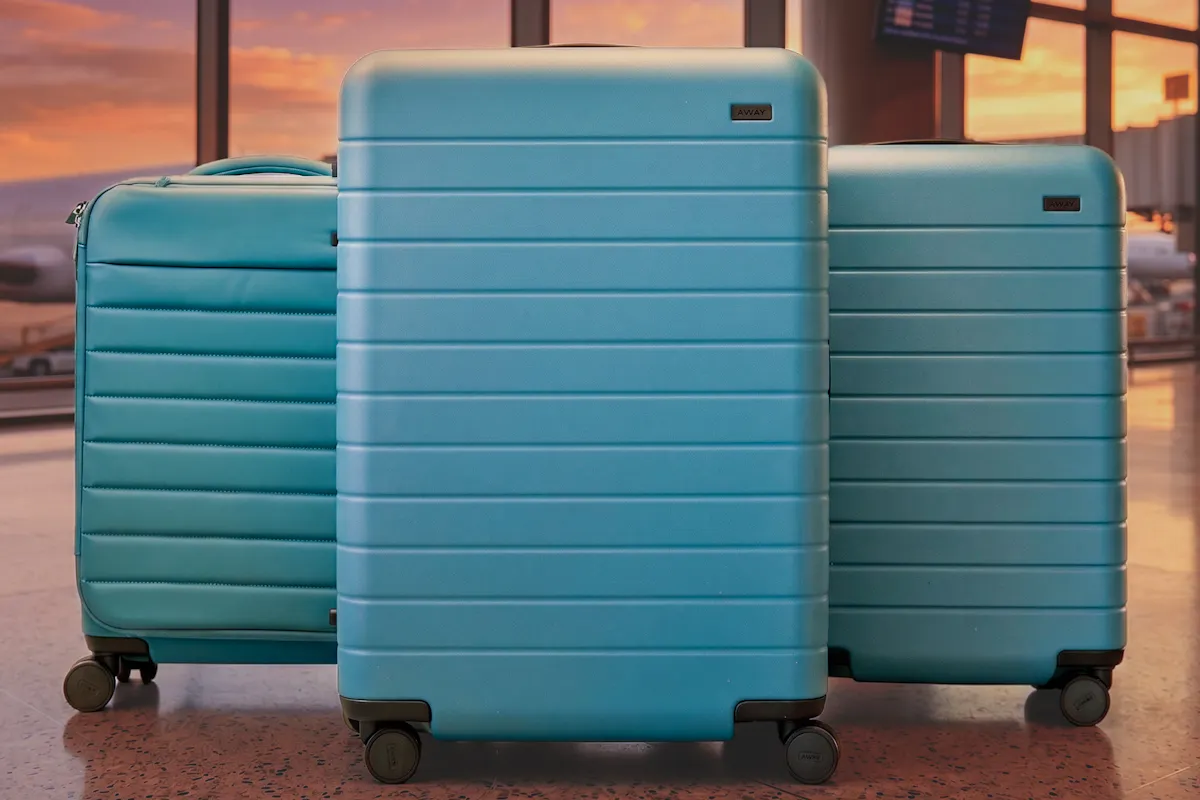
To demystify this process, industry experts and gear analysts have evaluated top-tier market offerings—such as the comprehensive lineup from Away—to establish a definitive blueprint for choosing the ideal carry-on or checked bag. Whether you are prepping for a quick weekend business trip, a month-long excursion abroad, or a sprawling family vacation, understanding the six critical pitfalls of luggage shopping can save you hundreds of dollars in replacement costs, baggage fees, and travel delays.
Detailed Chronology: The Evolution of Modern Luggage Requirements
To understand why selecting a suitcase has become so complex, one must examine how air travel and luggage engineering have evolved over the past two decades.

- The Pre-Wheeled Era (Late 20th Century): For generations, travelers relied on rigid trunks or heavy canvas duffels. Luggage was utilitarian, heavy, and prioritized sheer volumetric capacity over ergonomic maneuverability.
- The Introduction of the Spinner Wheel (Early 2000s): The invention and widespread adoption of 360-degree four-wheel spinner systems revolutionized airport transit. Suddenly, gliding through long terminals required minimal physical exertion. However, these complex mechanical systems introduced new points of structural failure.
- The Rise of Budget Carriers and Strict Sizers (2010s–Present): As low-cost carriers (LCCs) altered airline economics by unbundling ticket prices, they introduced aggressive ancillary fees for carry-on and checked baggage. Simultaneously, overhead bin space became a scarce commodity, prompting airlines to shrink maximum dimension allowances and strictly enforce them via gate sizers.
- The Direct-to-Consumer (DTC) Boom: Brands like Away entered the market by challenging legacy luggage manufacturers, emphasizing integrated technology (early models featured built-in power banks), minimalist aesthetics, rigorous stress testing, and lifetime warranties. This shift forced the entire industry to re-evaluate build quality, customer service, and repairability over disposability.
Supporting Context & Metrics: The Six Fatal Mistakes of Luggage Selection
Navigating the crowded marketplace requires a strategic framework. Avoiding the six most common purchasing mistakes will ensure your investment lasts for years.
Mistake #1: Buying For The Wrong Reasons (Aesthetics vs. Frequency)
Most consumers fall into the trap of purchasing luggage based purely on how it looks on a website or how cheap it is on clearance. Realistically, your budget should be indexed to your travel frequency.
- Occasional Travelers (1–2 trips per year): You do not need commercial-grade tactical gear. A dependable mid-range bag will suffice.
- Frequent Flyers (Multiple flights per month): Durability, advanced organizational panels, and structural integrity are non-negotiable.
Furthermore, higher prices do not automatically guarantee superior features. Look for brands that back their products with robust warranties that cover airline and transit damage, not just manufacturing defects. Brands that prioritize modular repairs over wholesale replacements—fixing a broken zipper or swapping out a worn wheel rather than forcing you to throw the entire bag away—offer vastly superior long-term environmental and financial value.
Mistake #2: Ignoring Your Trip Type and Destination
Different itineraries demand entirely different equipment.
- Business Travel: Requires structured packing spaces for formal attire, quick-access exterior pockets for laptops and travel documents, and sleek profiles that fit overhead bins.
- International & Multi-Leg Journeys: Involve stricter international weight caps and rougher baggage handling. Always design your packing strategy around the most restrictive airline you plan to fly. If your bag complies with the strictest carrier, it will pass muster globally.
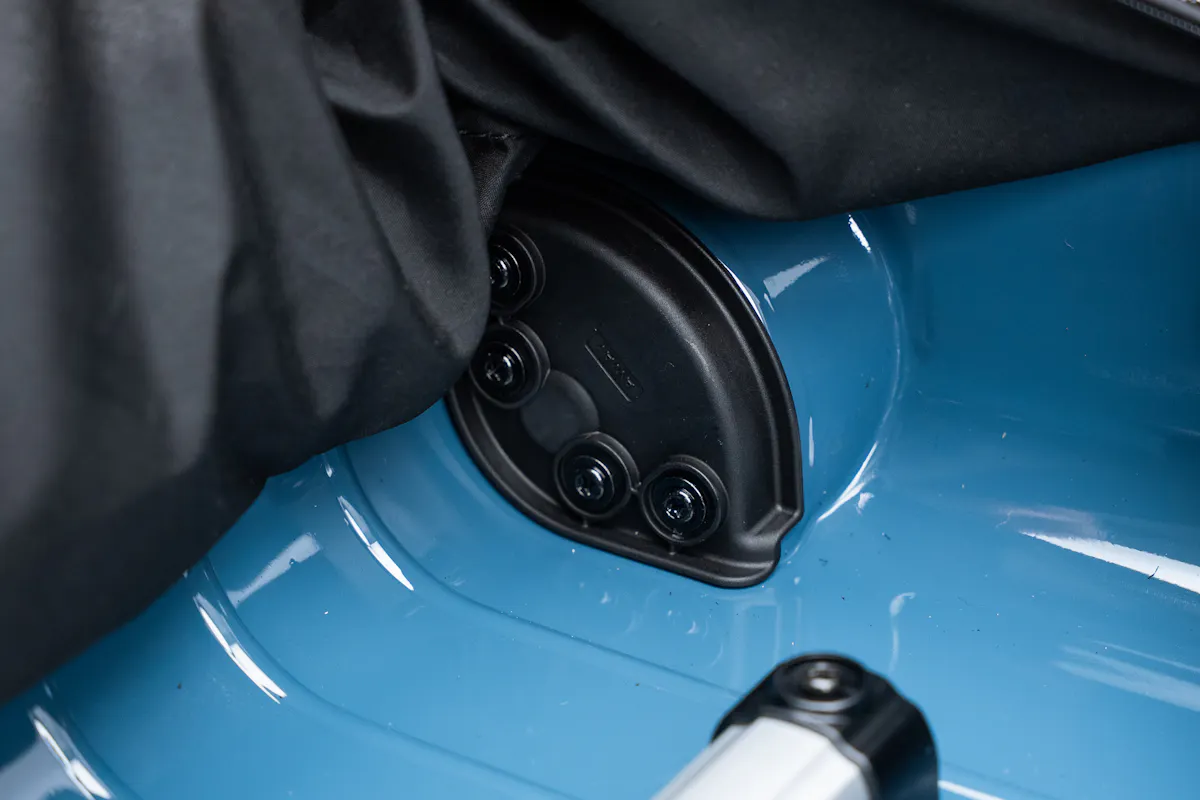
- Terrain Considerations: Heading to a destination with unpaved roads or cobblestones? While four-wheel spinners are supreme in airports, they struggle in deep gravel or ancient streets unless tipped back onto two wheels. If you anticipate extreme terrain, look for reinforced, beefed-up wheel housings.
Mistake #3: Minimizing Quality for Immediate Savings
Scoring a $40 discount on a nameless budget suitcase feels like a victory until a wheel housing cracks or a zipper track fails midway through a trip in a foreign city. Replacing a broken bag in a high-priced tourist destination almost always exceeds the upfront cost of buying a reliable, well-tested product initially.
Quality lies in the materials and hardware:
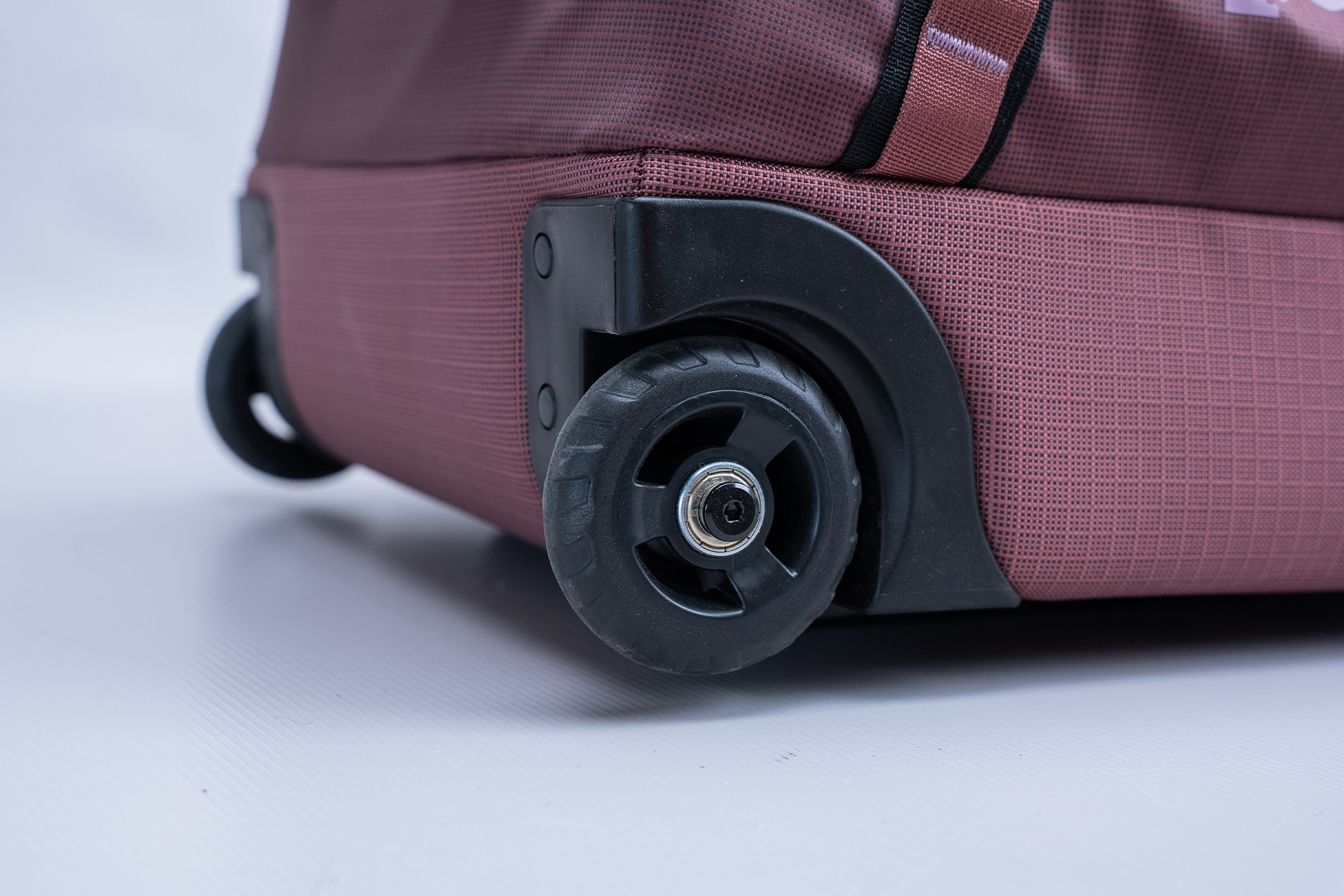
- Hardside Shells: Look for thick, resilient polycarbonate rather than brittle, cheap plastics. High-end brands subject their shells to intense impact testing in freezing temperatures to ensure they won’t shatter under rough handling.
- Softside Bags: Look for high-denier fabrics (such as heavy-duty nylon) that resist tearing and puncturing.
- Hardware: Telescope handles should lock securely without excessive side-to-side wobble, and zippers should glide smoothly without catching on internal linings.
Mistake #4: Disregarding Airline Restrictions
This is arguably the most costly mistake travelers make. Domestic and international carriers maintain wildly divergent standards for carry-on and checked luggage dimensions.
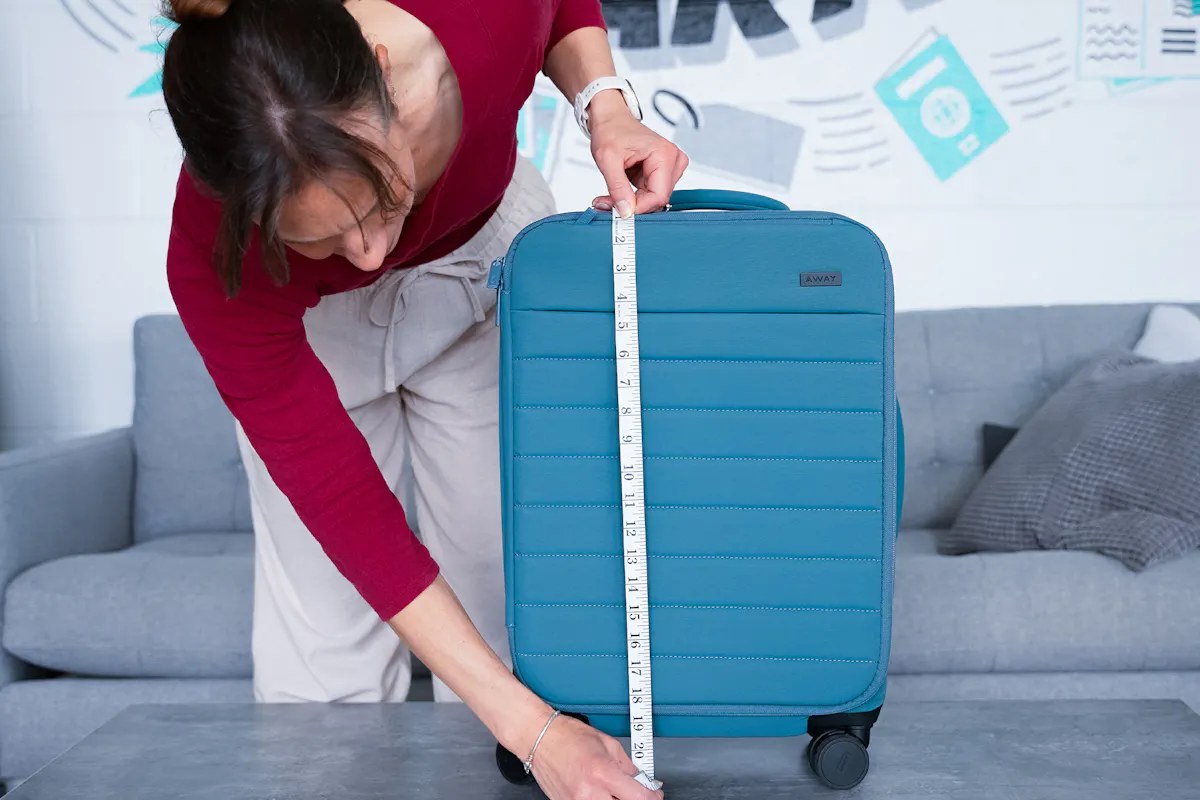
- The Sizer Reality Check: Never trust marketing labels like "carry-on friendly." Always measure the bag yourself—including the wheels and protruding handles—before heading to the airport.
- Enforcement Discrepancies: While some major legacy carriers (like Delta) may occasionally overlook a bag that is fractionally oversized, ultra-low-cost carriers (like Frontier or Spirit) are notorious for mandatory gate-sizing and heavy penalty fees.
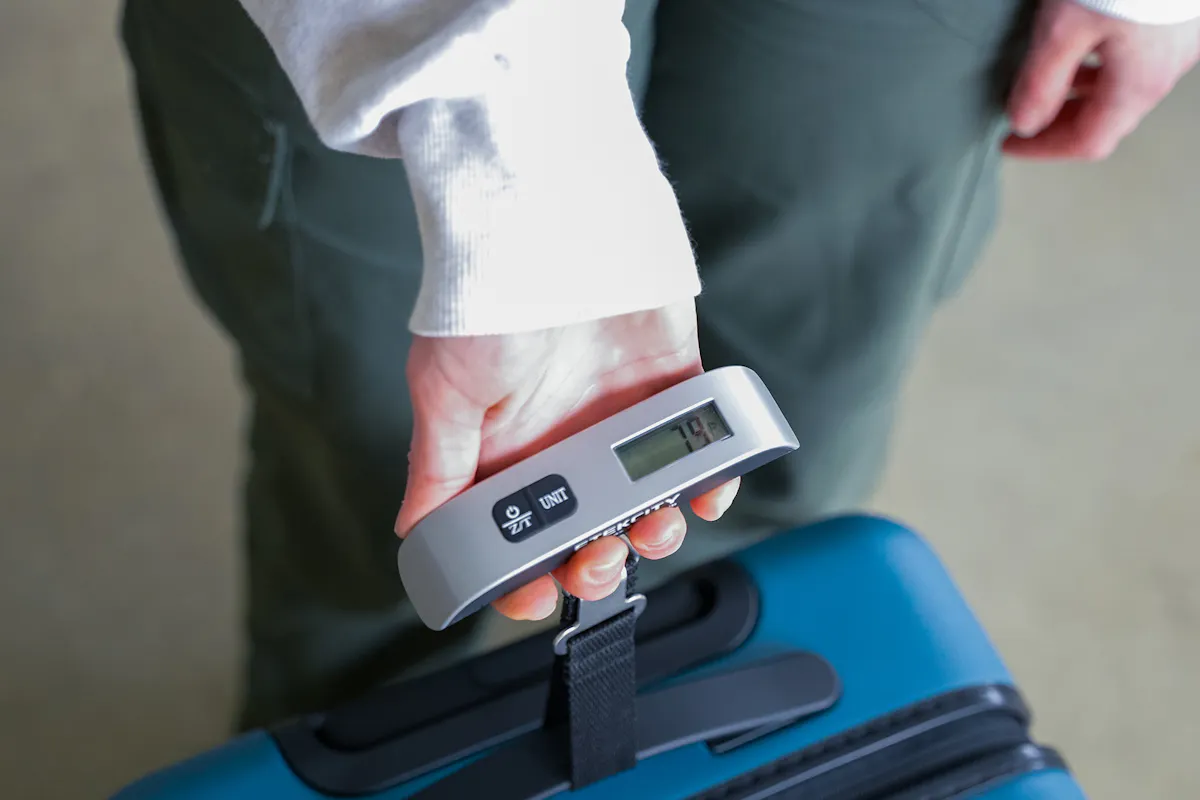
- Weight Limits: Many international carriers enforce strict weight caps (often 7 to 10 kilograms) for carry-ons. Starting with an empty bag that weighs under 7 pounds ensures you do not waste precious weight allowances before packing a single item.
Mistake #5: Choosing the Wrong Shell (Hardside vs. Softside)
The debate between hardside and soft-sided luggage comes down to personal travel habits:

- Hardside (Polycarbonate/Aluminum): Excellent for protecting fragile items, electronics, and souvenirs. They are weather-resistant and easy to wipe clean. However, they typically feature a 50/50 split clamshell opening, which requires twice as much floor space to unpack in a hotel room.
- Softside: Highly versatile, often featuring exterior pocket access for laptops, magazines, and travel pillows. They offer more "give" if you tend to slightly overpack, and they open via a traditional lid-style flap. However, cheap softside bags can tear, and over-bulging exterior pockets can compromise the bag’s center of gravity.
Mistake #6: Overlooking Internal Organization
Minimalist luggage can be frustrating if you cannot access essentials during transit. Consider whether you prefer a clamshell layout (equal depth on both sides), a top-loading duffle style, or an expandable gusset. Furthermore, check whether the interior compression panels are removable so you can integrate your own preferred packing cubes or modular pouches. Built-in features like dedicated laundry bags for soiled garments can also streamline your packing routine significantly.
Official Industry Insights & Expert Perspectives
To maintain journalistic integrity, industry analysts emphasize that consumer education is the single most effective tool against travel friction.

"When consumers purchase luggage, they are buying an insurance policy for their belongings," notes a leading travel gear technologist. "If a brand refuses to cover airline damage under its warranty, it is telling you precisely how much confidence they have in their own manufacturing standards. True quality is defined by what happens after the sale—specifically, how a company handles repairs, replacement parts, and customer support when the inevitable happens on the tarmac."
Experts also stress the importance of understanding volumetric capacity. Two suitcases advertised as "40 liters" can pack completely differently depending on the internal framing, lining thickness, and compression mechanisms. Consumers are consistently advised to look past marketing buzzwords and evaluate hands-on reviews, warranty terms, and real-world stress-testing protocols (such as AXT performance testing standards used by premium manufacturers to simulate miles of wheel spinning and thousands of zipper cycles).
Future Outlook: What Lies Ahead for Travel Gear
As the global travel landscape continues to rebound and evolve, the luggage industry is moving toward greater sustainability, modularity, and transparency.
- The Shift Toward Repairability: Driven by environmental awareness and consumer demand for sustainability, the era of the "disposable suitcase" is drawing to a close. Forward-thinking brands are shifting toward modular design architectures where wheels, handles, and zippers can be easily repaired at home using standard tools or serviced through quick-turnaround care programs.
- Smart Technology Integration: While early iterations of "smart luggage" faced regulatory hurdles due to non-removable lithium-ion batteries, future designs are perfecting modular, easily detachable power banks that comply fully with TSA and international airline safety protocols.
- Advanced Material Science: Expect to see lighter, stronger composite materials that reduce empty bag weights even further without sacrificing impact resistance, ensuring travelers can maximize their airline weight allowances.
By approaching luggage selection not as an afterthought, but as a calculated investment in your travel infrastructure, you can eliminate transit stress, avoid unexpected airline fees, and ensure your gear withstands the rigors of the road for years to come.