



Executive Overview
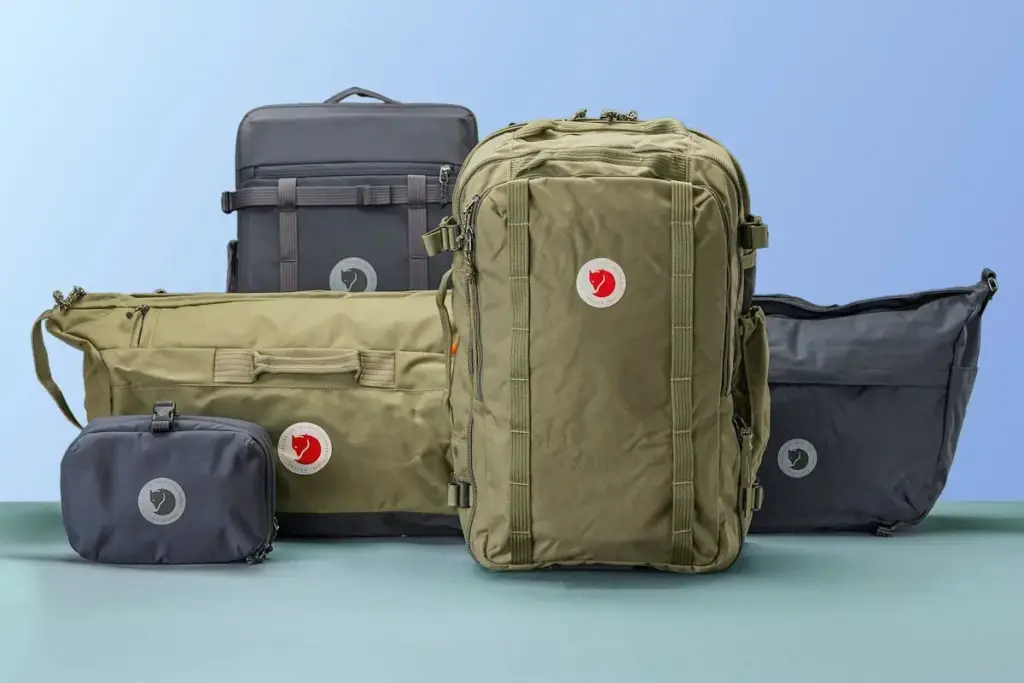
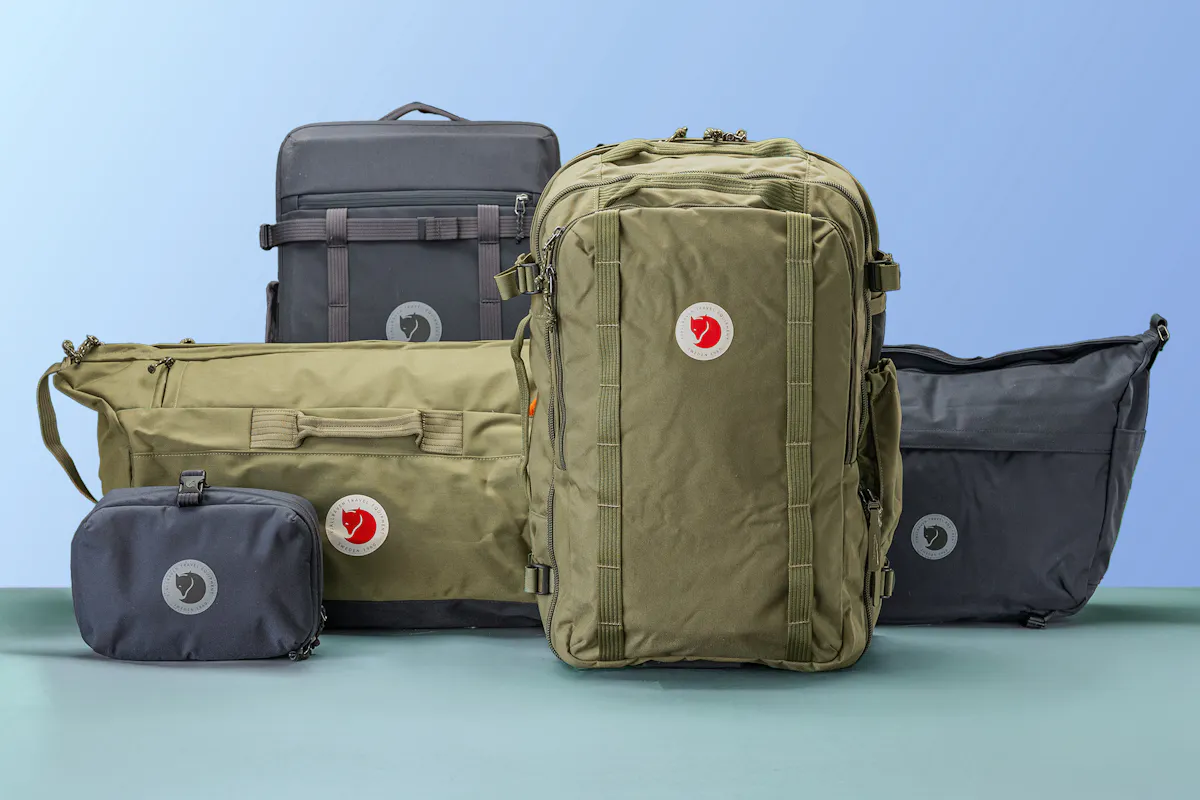
In the rapidly expanding market of travel and outdoor gear, the intersection of sustainability, durability, and classic design has historically been difficult to navigate. Consumers are increasingly forced to choose between modern, highly technical equipment made from synthetic polymers that harm ecosystems, or retro aesthetics that lack the ergonomic and modular features necessary for modern transit. Enter Fjällräven—a brand synonymous with Swedish outdoor heritage—and its flagship travel solutions, most notably the Fjällräven Färden line, which aims to bridge this generational gap.
Sponsored and recently highlighted in comprehensive gear analyses by testing platforms like Pack Hacker, Fjällräven’s contemporary approach to travel systems emphasizes circular thinking, robust material selection (such as their signature G-1000 heavy-duty fabrics), and timeless design philosophy. This in-depth report investigates the structural integrity, market positioning, and philosophical underpinnings of Fjällräven’s product ecosystem. We analyze how the brand balances corporate sustainability mandates with the demanding realities of global travel, offering a critical look at whether these modular systems justify their investment for the modern globetrotter.
Detailed Chronology: From Örnsköldsvik to Global Travel Dominance
To truly understand the weight and reliability of modern Fjällräven products, one must examine the brand’s trajectory from its humble beginnings in the rugged terrain of northern Sweden to a global authority in outdoor and travel equipment.
The Foundation (1960s–1970s)
- 1960: Åke Nordin founds Fjällräven in the small town of Örnsköldsvik, Sweden. Frustrated by the uncomfortable, rigid backpacks available at the time, Nordin constructs a wooden-frame backpack in his basement, laying the groundwork for ergonomic load distribution.
- 1968: The introduction of the iconic Greenland Jacket, treated with Greenland Wax (a blend of paraffin and beeswax), marks the birth of the proprietary G-1000 fabric concept—a material that would define the brand’s durability ethos for decades.
- 1978: The Kånken backpack is launched, originally designed to alleviate back pain among Swedish schoolchildren. It soon becomes a global cultural and functional phenomenon.
The Expansion into Technical Travel Gear (1990s–2010s)
- Transition to Travel: While initially focused on mountaineering and trekking (hiking, camping), Fjällräven recognizes the shifting demographics of adventure. Travelers are no longer just pitching tents in the Scandinavian wilderness; they are navigating urban airports, train stations, and multi-modal transit networks.
- Material Evolution: The brand introduces improved iterations of its G-1000 variants (Silent, Lite, Air), balancing weather resistance with breathability, moving away from heavy reliance on environmentally problematic per- and polyfluoroalkyl substances (PFAS).
The Modern Era and the Färden Line (2020s–Present)
- Sustainable Mandates: Faced with tightening global regulations and heightened consumer awareness regarding microplastics and carbon footprints, Fjällräven transitions entirely away from toxic chemical treatments in its waterproofing lines, adopting fluorocarbon-free (PFC-free) impregnations.
- The Launch of the Färden Series: Recognizing a gap in its catalog for dedicated, multi-day travel systems—as opposed to strictly day-hiking packs—Fjällräven introduces the Färden collection. Designed for seamless transitions between urban environments and rugged landscapes, the series incorporates wheeled luggage, duffels, and backpacks engineered specifically for modern transit logistics.
- June 2026 Reviews and Evaluations: Gear authorities like Pack Hacker spotlight the Färden system, praising its balance of understated Scandinavian aesthetics, robust harness systems, and organizational layouts tailored for digital nomads and frequent flyers.
Supporting Context & Metrics: The Anatomy of Modern Travel Gear
When evaluating a travel system like the Fjällräven Färden line, industry analysts look at several key performance indicators (KPIs): weight-to-durability ratios, material sustainability, organizational modularity, and long-term ergonomic comfort.
Material Science: G-1000 and Recycled Polyamide
Fjällräven relies heavily on proprietary and recycled textiles to achieve its legendary longevity.
- G-1000 HeavyDuty Eco: Composed of 65% recycled polyester and 35% organic cotton, this tight weave provides exceptional resistance to wind, water (when waxed), and abrasion. Unlike pure synthetics that degrade rapidly under UV exposure, cotton-polyester blends age gracefully, developing a distinct patina that many travelers favor.
- Recycled Polyamide (Nylon): For structural elements and high-stress travel bags where weight savings are paramount, Fjällräven utilizes high-denier recycled nylon, reducing virgin petroleum dependency while maintaining high tensile strength.
Ergonomics in Transit
Unlike traditional rolling luggage that forces awkward postures, or cheap backpacks that strain the lumbar region, the Färden travel ecosystem incorporates adjustable, stowable harness systems.
- Weight Distribution: Travel systems often fail because they are optimized for either carrying or rolling, but rarely both. The integration of padded shoulder straps, sternum straps, and load-lifters on convertible travel bags allows users to traverse cobblestone streets, stairs, and escalators without physical strain.
- Modular Compression: Internal mesh dividers, compression straps, and dedicated compartments for laptops and toiletries ensure that gear remains immobilized during transit, preventing the "shifting load" phenomenon common in soft-sided luggage.
Official Statements and Design Philosophy
Fjällräven’s corporate ethos has consistently centered on the concept of "functional, durable, and timeless" equipment. In various design briefs and sustainability reports, company executives have reiterated their core mission:
"Our goal has never been to follow fast-moving seasonal fashion trends. If a piece of equipment is built to last twenty years, it inherently reduces the consumer’s carbon footprint by eliminating the cycle of replacement. When we design a travel system like Färden, we ask ourselves: Will this bag perform just as reliably on a train through Europe today as it will on a wilderness trek a decade from now?"
Furthermore, the brand’s sustainability framework emphasizes absolute transparency regarding supply chain ethics. Fjällräven is a long-standing member of the Fair Labor Organization (FLO) and adheres to strict animal welfare standards, notably through the Down Commitment, ensuring that down insulation is 100% traceable and ethically sourced.
Industry reviewers examining the brand’s modern output note that this philosophical consistency is what commands consumer loyalty. As the Pack Hacker team highlighted in their recent evaluations, gear that successfully merges retro heritage aesthetics with modern technical execution occupies a rare, highly defensible market niche.

Future Outlook: The Next Generation of Sustainable Travel Systems
As we look toward the remainder of the decade and beyond, the travel gear industry faces unprecedented challenges and opportunities. Climate change regulations, shifting remote work demographics, and evolving airline baggage restrictions will heavily dictate the design of future travel equipment.
1. The Push Toward True Circularity
While using recycled polyester and organic cotton is an established baseline, the next frontier for brands like Fjällräven is design-for-disassembly. Future travel systems will likely feature modular components—such as replaceable wheels, zippers, and handles—allowing users to repair rather than replace damaged gear. This circular economic model aligns perfectly with Fjällräven’s historical resistance to disposable consumer culture.
2. Weight Optimization Without Sacrificing Durability
Consumers increasingly demand ultra-lightweight travel kits to comply with stringent carry-on weight limits imposed by budget airlines. However, extreme weight savings often compromise tear resistance. The future of fabric engineering lies in ultra-high-molecular-weight polyethylene (UHMWPE) blends and bio-based synthetics that offer maximum strength at a fraction of traditional weights, all while maintaining a low environmental impact.
3. Smart Integration and Modular Ecosystems
The lines between digital life and physical travel continue to blur. Future iterations of travel systems are expected to feature integrated, removable tech pods, built-in RFID-blocking compartments, and optimized cable-management architectures designed to accommodate the ever-growing array of portable electronics carried by modern nomads.
Conclusion
Fjällräven’s enduring success—exemplified by lines like the Färden travel series and celebrated across enthusiast platforms—proves that durability never goes out of style. By anchoring their modern product lines in decades of outdoor heritage while aggressively adapting to contemporary sustainability standards, the brand offers a compelling blueprint for the future of travel gear. For travelers seeking a reliable companion that can withstand the rigors of global transit while respecting the planet, investing in thoughtful, heritage-inspired systems remains a sound and sustainable choice.