






Executive Overview
For the true gastronome, travel is not merely about accumulating passport stamps or capturing iconic architectural landmarks; it is a visceral, sensory exploration defined by the plate, the glass, and the market stall. If your most enduring travel memories revolve around the aromatic complexity of a freshly ground spice, the minerality of an indigenous wine, or the lively chatter echoing through a historic piazza, your luggage likely returns home stuffed with regional condiments, artisanal cookbooks, and vacuum-sealed cheeses. You are a culinary traveler—a distinct breed of wanderer who believes that the soul of a culture is best understood through its kitchen.
However, executing a successful solo culinary trip requires a delicate balance of rigorous logistical groundwork and open-air spontaneity. Unlike group travel, where dining decisions are often democratized and diluted to satisfy the lowest common denominator, solo dining places the traveler entirely in the driver’s seat. Without a companion to lean on for conversation or decision-making, the solo foodie must master the art of intentional planning, leveraging digital tools, local insights, and cultural immersions to transform solo dining from a perceived challenge into an empowering, deeply intimate adventure.
This comprehensive guide breaks down the anatomy of planning a world-class solo food and wine journey. Drawing from seasoned travel methodologies, digital innovations, and immersive experiential platforms, we examine the twelve foundational pillars required to curate the most delicious solo trip imaginable.
Detailed Chronology: The Evolution of Culinary Travel Planning
Planning a journey centered around gastronomy cannot be left to serendipity alone, though spontaneity has its sacred place. A successful culinary expedition follows a strategic, phased timeline that begins months before departure and culminates at the candlelit table of a local eatery.
Phase 1: Pre-Departure Intelligence (Months 3 to 1)
The genesis of any great food trip is broad, sweeping research. Before booking flights or securing accommodations, the traveler must conduct an exhaustive audit of the destination’s agricultural and culinary identity.
- Mapping the Terroir: Understand the geography of flavor. What grape varietals thrive in the regional soil? What are the seasonal harvests during your intended window of travel? Researching local produce, traditional dishes, and modern gastronomic movements sets a baseline of expectations.
- Digital Reconnaissance: Cast a wide digital net. Subscribe to regional tourism boards, local food writers’ newsletters, and independent culinary blogs. Platforms like TimeOut serve as invaluable compasses, offering hyper-local "best of" guides for everything from artisanal coffee roasters to underground supper clubs.
- Leveraging Artificial Intelligence: Modern trip planning has been revolutionized by generative AI. Prompting tools like ChatGPT to construct a baseline three-day food and wine itinerary provides a structured starting point. While these automated suggestions require human cross-referencing and verification, they often unearth hidden neighborhood gems that traditional guidebooks overlook.
Phase 2: Securing Immersive Experiences (Weeks 4 to 2)
Once the skeletal itinerary takes shape, the traveler must secure high-demand experiential bookings that are virtually impossible to acquire upon arrival.
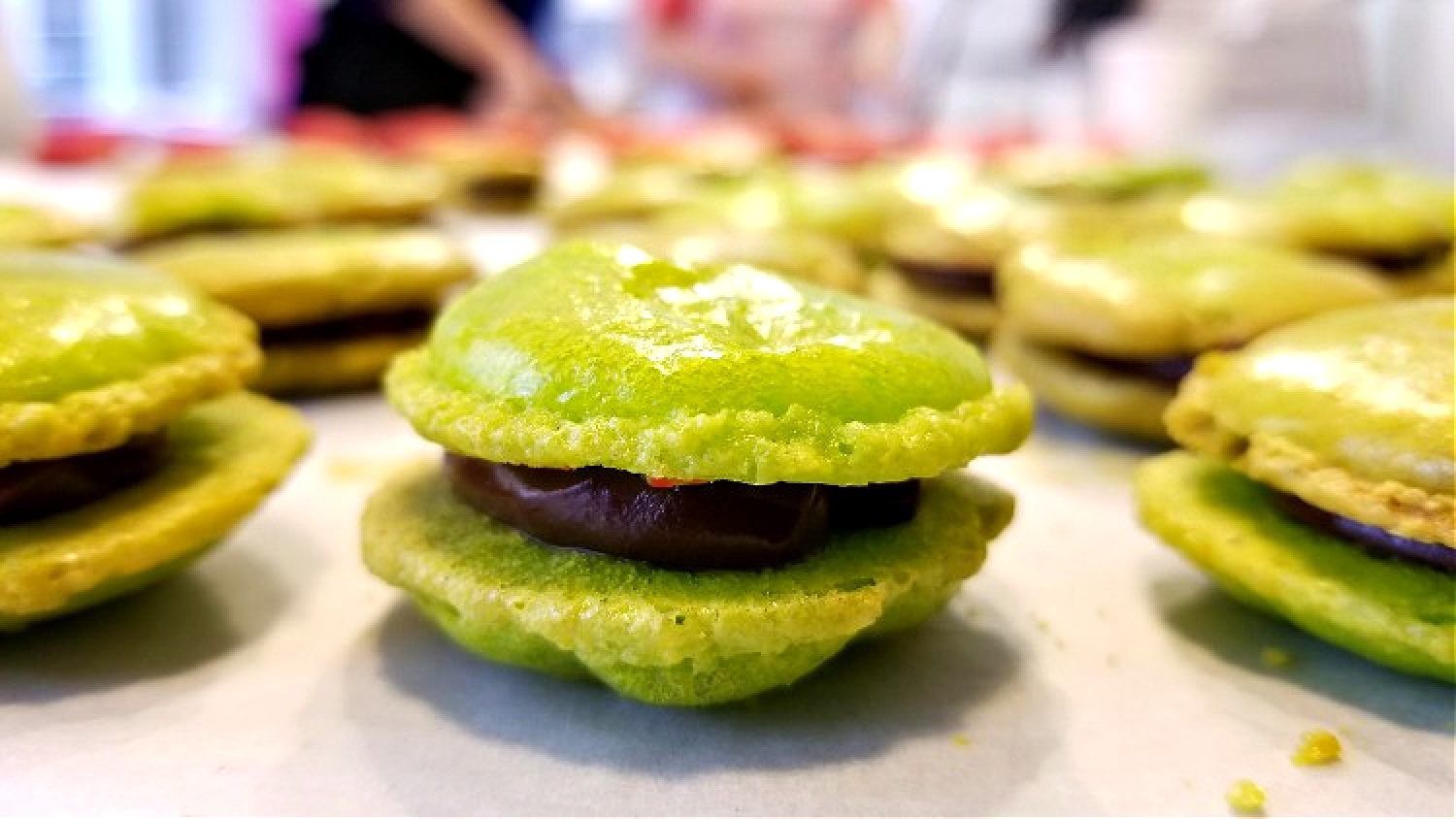
- Educational Immersion: Enrolling in a cooking class or baking workshop bridges the gap between consumer and creator. In cities like Barcelona or Rouen, booking a class that begins with an escorted tour of a historic market—such as the bustling Boqueria—provides vital context. These sessions naturally foster camaraderie among solo travelers, culminating in a shared meal and a cascade of insider tips from the chef.
- Private and Small-Group Guided Tours: Securing spots on specialized walking tours, such as a half-day neighborhood pastry and cheese excursion in Paris, removes the guesswork of navigating foreign food hubs. An expert guide unlocks doors to artisanal producers who rarely interface with typical tourists.
- Booking Specialized Platforms: Reserve exclusive dining experiences via peer-to-peer networks and artisan-apprenticeship platforms to secure deep cultural integration well before landing.
Phase 3: Real-Time Execution and Spontaneous Adaptation (On the Ground)
The final phase occurs on foreign soil, where meticulous planning meets the unpredictable magic of the road.
- Financial Optimization: Utilize dining apps like TheFork to secure substantial reservations-based discounts at high-end European restaurants, preserving your travel budget for rare bottles of wine or market souvenirs.
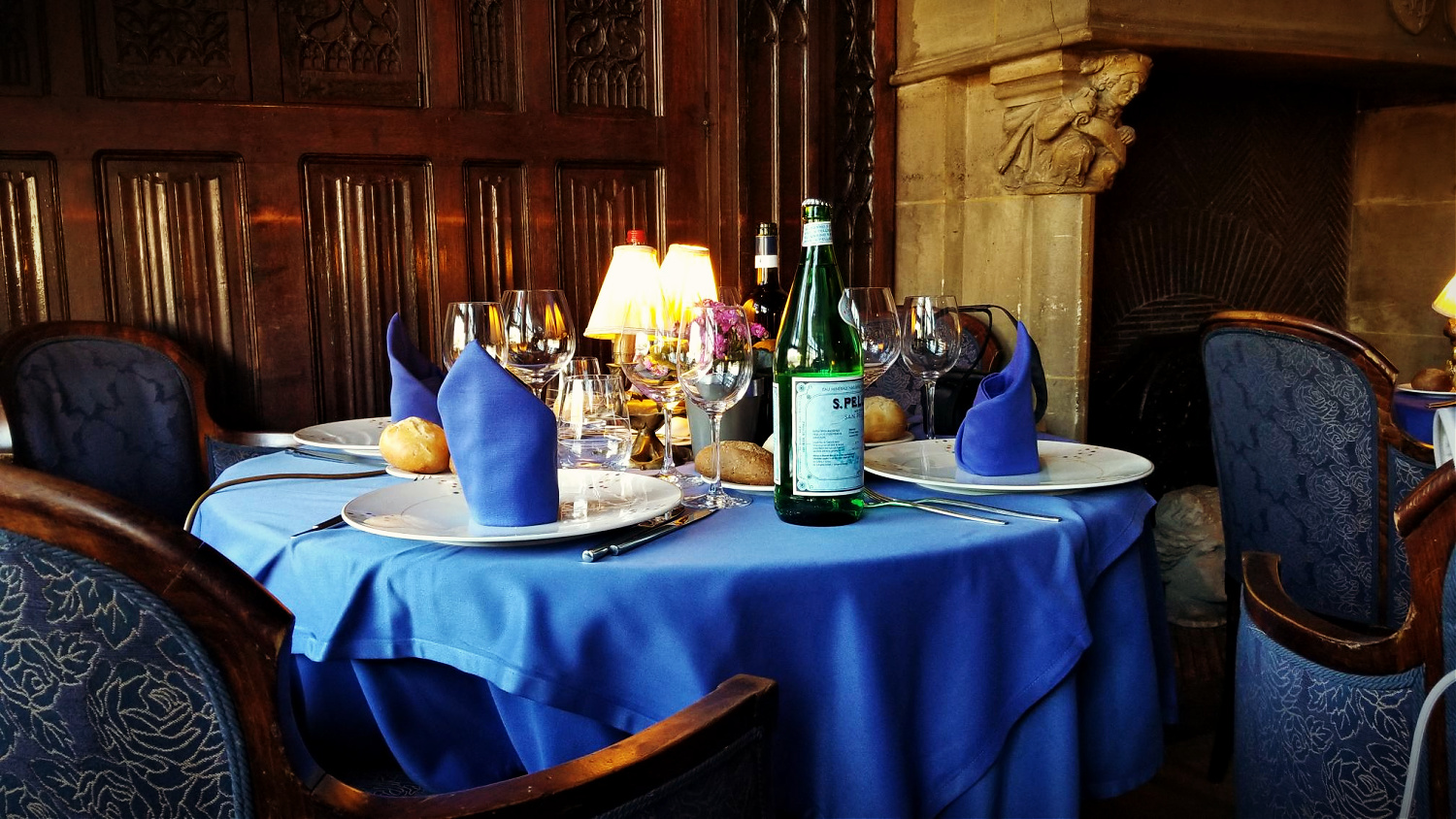
- The Art of the Pivot: While structure provides safety and direction, true travel is enriched by the unexpected. Whether stumbling into a regional tourism office that redirects your afternoon into a spontaneous winery minibus tour, or following an instinctive hunch based on the number of wine glasses set on a local bistro table, leave structural gaps in your calendar to allow the destination to reveal its secrets organically.
Supporting Context & Metrics: The Mechanics of Modern Solo Gastronomy
To fully appreciate the scope of modern culinary travel, one must examine the tools and metrics driving this sector. The intersection of technology, community, and traditional hospitality has transformed how solo travelers navigate foreign food scenes.
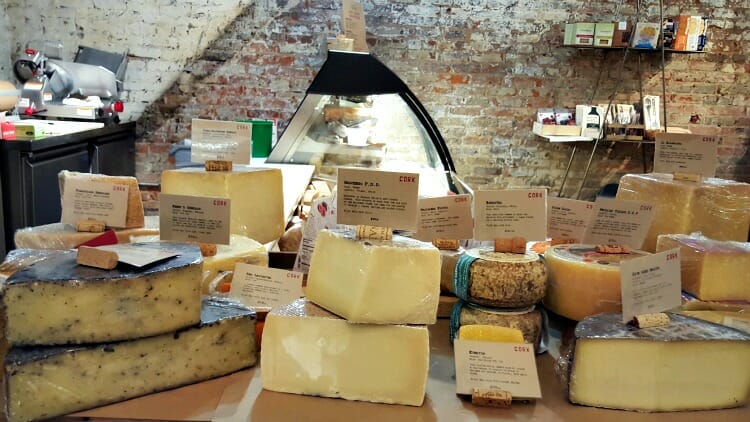
The Digital Toolkit for the Solo Foodie
| Tool / Platform | Primary Function | Solo Traveler Benefit |
|---|---|---|
| EatWith | Home-cooked dining experiences with local hosts | Offers a built-in social environment, eliminating the intimidation factor of solo dining while providing authentic home-style regional recipes. |
| VAWAA (Vacation With an Artist) | Multi-day mini-apprenticeships with global artisans | Allows deep engagement with traditional culinary crafts—such as knife-making, fermentation, or beekeeping—fostering tangible skill acquisition. |
| TheFork | Restaurant reservation and discount platform in Europe | Delivers significant financial savings (often up to 30% off food bills), freeing up capital for premium wine pairings and specialty food purchases. |
| TimeOut & Local Periodicals | Hyper-local culture and dining guides | Bridges the gap between tourist traps and genuine local haunts, unearthing neighborhood spots favored by residents. |
Demographic Shifts in Solo Culinary Travel
Recent travel industry data indicates a steady surge in solo travel, with culinary tourism acting as a primary catalyst. Over 65% of modern solo travelers cite local food and wine experiences as the primary deciding factor when choosing a destination. Furthermore, platforms facilitating home-hosted meals have seen double-digit year-over-year growth, driven largely by solo adventurers seeking authentic human connection over sterile, solitary restaurant booths. The traditional stigma surrounding eating alone at a table for one has evaporated, replaced by an empowered culture of mindful, self-directed epicurean discovery.
Official Statements & Expert Perspectives
Experienced travel writers, culinary historians, and hospitality experts continuously emphasize that food is the ultimate cultural translator.
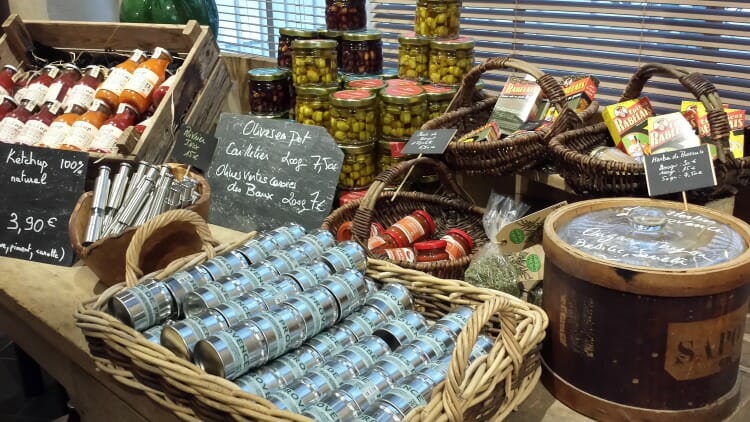
"When you travel solo through food, you are never truly alone. The market vendor sharing the origin story of a native cheese, the chef guiding your hands through the kneading of pasta dough, and the tablemate across a shared supper club become your temporary community. The kitchen is the most egalitarian space on earth."
— Leading Insights from Global Culinary Travel Advocates
Industry analysts note that the proliferation of niche booking applications has fundamentally democratized access to high-end gastronomic experiences. Where travelers once relied entirely on expensive concierge services or outdated print publications, today’s solo wanderers possess direct digital pipelines to local micro-producers, foragers, and underground culinary collectives.
Future Outlook: The Horizon of Culinary Exploration
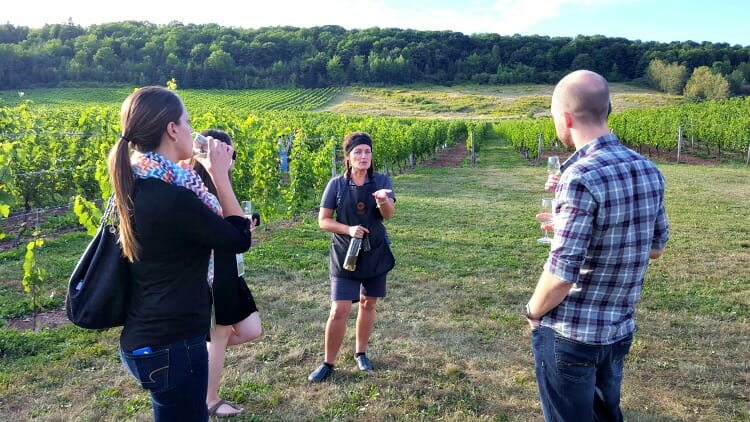
As global tourism continues to evolve, the intersection of technology and authentic sensory travel will deepen. We are already witnessing the rise of hyper-localized hyper-specialized tours—such as wilderness foraging excursions in Nova Scotia led by indigenous guides, or regenerative beekeeping workshops in California.
For the solo traveler, the future promises even more frictionless integration between digital discovery and real-world immersion. Artificial intelligence will soon offer predictive, real-time culinary routing based on micro-weather patterns, localized seasonal harvests, and instantaneous table availability. However, the core ethos of culinary travel will remain unchanged: the willingness to pull up a chair, step into a foreign kitchen, and taste the world with an open mind and an insatiable appetite.