








Executive Overview
For generations, travelers and gastronomes alike have grappled with a fundamental question when contemplating New Zealand’s culinary identity: What, precisely, is Kiwi cuisine?
Unlike France, Italy, or Japan—nations whose culinary traditions are instantly conjured by a mere mention, deeply anchored in centuries of codified culture and regional heritage—New Zealand’s gastronomic story has historically resisted a tidy definition. For a long time, observers mistook this lack of a singular, uniform national dish for a cultural void.
That perspective was fundamentally upended with the arrival of the legendary Michelin Guide, which officially extended its rigorous evaluation to New Zealand, awarding stars to fourteen establishments nationwide, including the coveted two-star distinction bestowed upon Essence in Queenstown. With over a hundred venues featured across the inaugural guide, international gastronomy has formally acknowledged what locals have long understood: New Zealand’s food culture is not a monolithic genre, but rather a vibrant, living mosaic.
This comprehensive overview explores how New Zealand’s culinary ecosystem evolved from a quiet collection of regional producers into an internationally acclaimed destination. By examining historic multicultural influences, landmark Michelin victories—such as Auckland’s Tala claiming the world’s first Michelin star for a Samoan restaurant—and the intrinsic link between the country’s dramatic landscapes and its plates, this report details a seismic shift in global fine dining.
Detailed Chronology: The Evolution of Aotearoa’s Plate
To understand New Zealand’s modern culinary triumph, one must trace the chronological layers of its food history—a narrative written by migration, geography, and an evolving respect for the land.
1. The Deep Roots: Māori Traditions and Kaitiakitanga
Long before European settlers arrived, the foundations of New Zealand cuisine were laid by Māori, whose relationship with land, sea, and seasonal cycles was governed by kaitiakitanga (guardianship and environmental stewardship). This ancient knowledge system dictated when to harvest, fish, and cultivate, utilizing traditional cooking methods such as the hāngī (an earth oven heated by hot stones). This profound understanding of provenance forms the bedrock upon which modern New Zealand chefs build their menus today.
2. The European and Global Layering
Following European settlement in the 19th century, British and continental culinary traditions were layered over indigenous practices. Over subsequent decades, successive waves of immigration from across the Pacific Islands and Asia injected new spices, techniques, and flavor profiles into the national palate. Rather than erasing what came before, these cultures converged organically. The resulting food scene became an unscripted, highly authentic record of everyone who chose to call the islands home.
3. The Modern Fine Dining Awakening (Late 20th – Early 21st Century)
For decades, high-end dining in New Zealand often meant replicating European models—importing foreign expectations of luxury rather than defining local ones. However, a quiet revolution began to brew at the turn of the millennium. Local chefs, winemakers, and growers started to champion native ingredients—such as horopito, kawakawa, and kūmara—while celebrating world-class regional produce like Bluff oysters and Central Otago stone fruits.
4. The 2026 Michelin Milestone
The culmination of this decades-long evolution arrived with the debut of the Michelin Guide in New Zealand. Inspectors spent months traversing the country, decoding its diverse culinary dialects. The resulting guide—featuring fourteen starred restaurants and over a hundred recommended eateries—signaled that New Zealand’s distinct culinary philosophy had finally captured global attention.
Supporting Context & Metrics: The Anatomy of New Zealand’s Food Scene
The quantitative success of the inaugural Michelin release is striking, but the true story lies in the diversity and philosophy of the recognized establishments.
- Total Starred Restaurants: 14 establishments across the North and South Islands have been awarded Michelin stars.
- The Two-Star Pinnacle: Essence, perched on a hillside above Lake Wakatipu in Queenstown, stands alone as New Zealand’s first two-star restaurant, led by Chef Paul Froggatt.
- A Historic First: Tala in Auckland achieved international headlines by becoming the first Samoan restaurant anywhere in the world to earn a Michelin star, cementing Pacific cuisine at the highest tier of global gastronomy.
- Geographic Spread: The guide highlights a decentralized culinary landscape, stretching from Waiheke Island’s vineyard retreats to Christchurch’s innovative dining rooms and Marlborough’s seafood hubs.
The Landscape on the Plate
What distinguishes New Zealand’s fine dining scene is its hyper-local integration. Travelers frequently report that a meal here is not merely consumed in isolation; it is the culmination of the day’s physical journey.
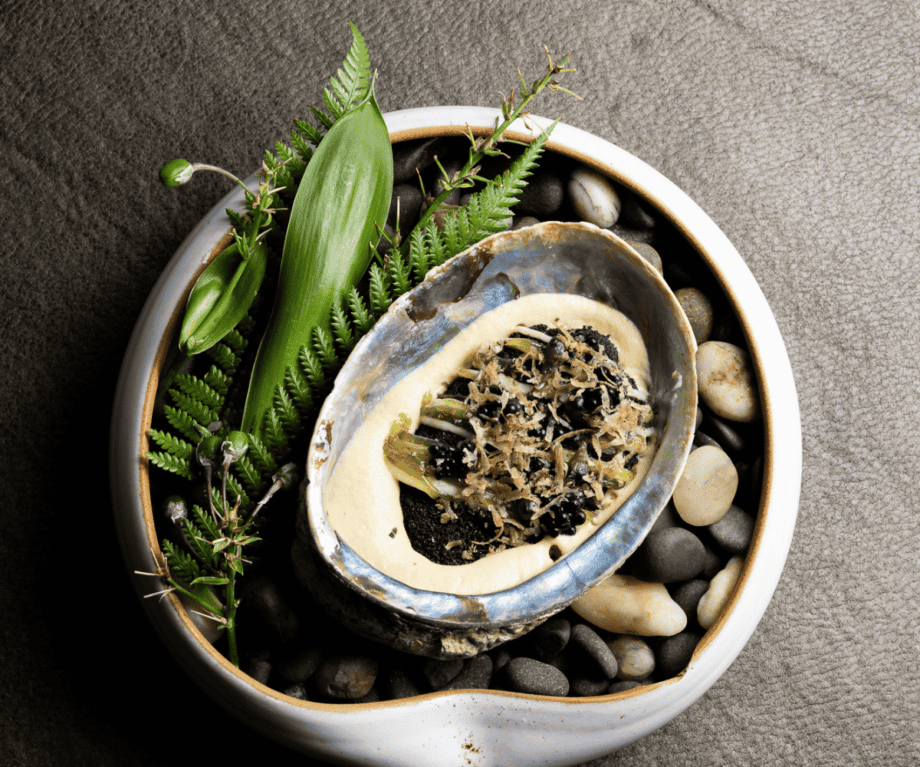
Consider a traveler dining above Lake Wakatipu after a day exploring Central Otago’s rugged terrain, or enjoying freshly shucked Marlborough seafood hours after navigating the pristine waters of the Sounds. The terroir is inseparable from the plate. As Chef Paul Froggatt demonstrates at Essence, menus are dictated not by fixed templates, but by the daily harvest and seasonal shifts of the surrounding ecosystem.
Official Statements and Industry Insights
The transition from a quiet Pacific outpost to a recognized culinary heavyweight has prompted reflection from key tourism and culinary leaders.
Rene de Monchy of Tourism New Zealand encapsulated the philosophical shift behind the country’s success following the Michelin announcement:
"Our chefs are cooking from where they actually live, rather than trying to recreate someone else’s idea of fine dining."
This sentiment resonates deeply with international visitors. Feedback consistently highlights the personal connection inherent in the New Zealand dining experience—whether it is a vineyard owner recounting the triumphs and trials of a specific harvest season, or a chef explaining how a native ingredient, forgotten for a generation, was thoughtfully reintroduced to the modern menu.
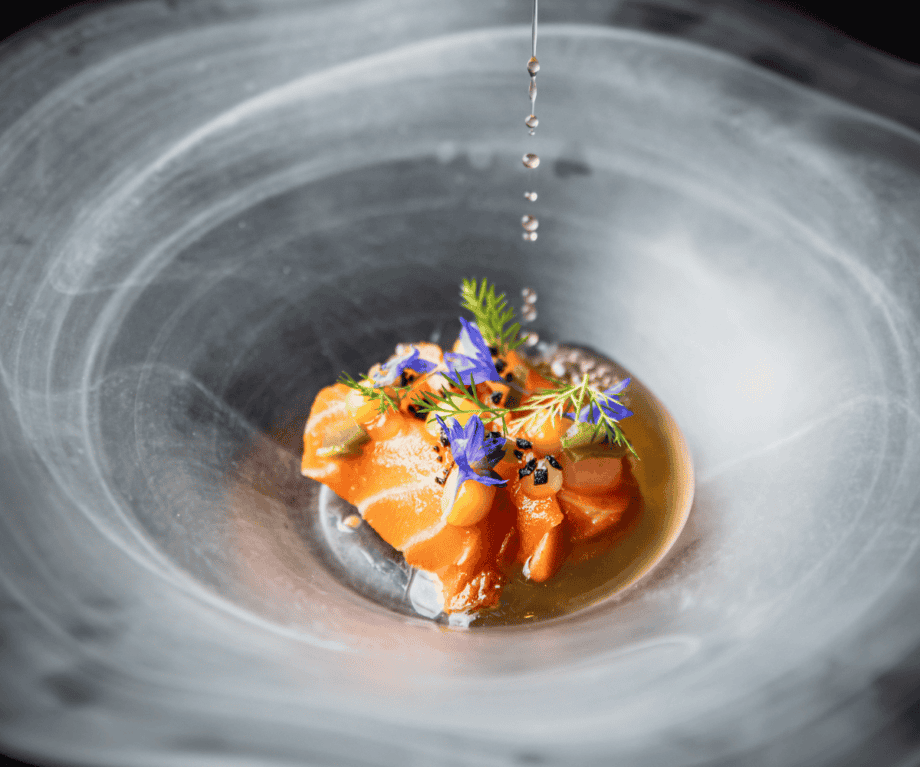
Henry Onesemo, chef and driving force behind Auckland’s landmark restaurant Tala, expressed the profound significance of his establishment’s recognition for the broader Pacific community:
"We have always believed that Samoa deserves a place on the international culinary stage, and Michelin agrees!"
This milestone extends far beyond a single award; it validates Pacific food traditions as sophisticated, world-class gastronomy that stands shoulder-to-shoulder with the culinary traditions of Paris, Tokyo, and Copenhagen.
Future Outlook: Where Do We Go From Here?
The arrival of the Michelin Guide is expected to transform New Zealand’s tourism landscape, drawing an influx of international gastronomes eager to experience the country’s unique culinary narrative. However, the true triumph of this moment is not commercial validation from European inspectors, but the internal confidence it instills in local creators.
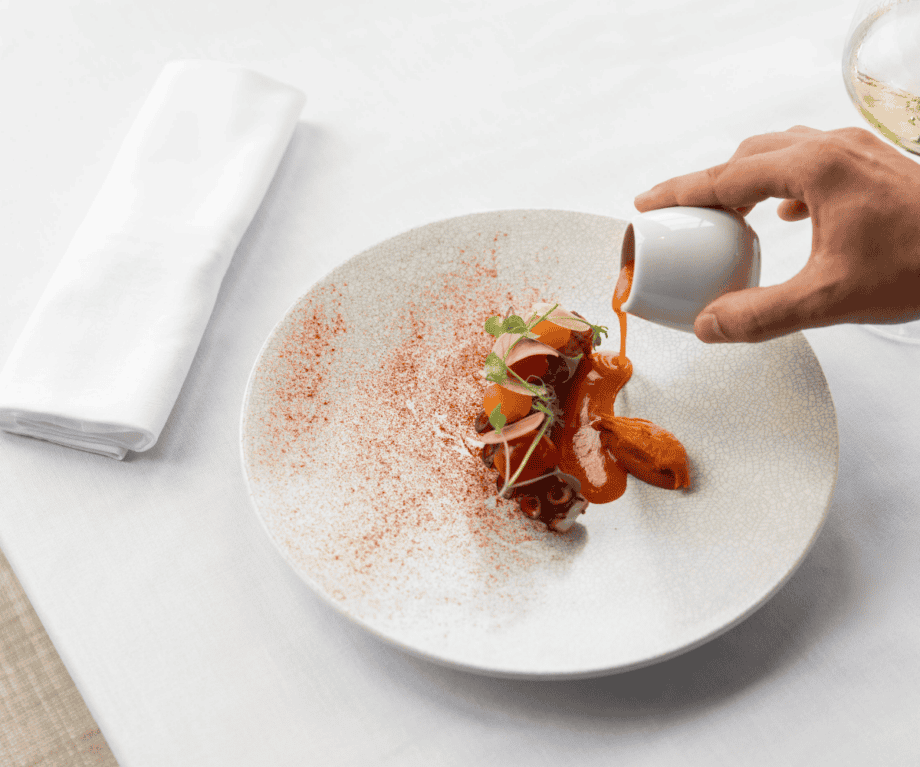
New Zealand’s chefs, growers, producers, and front-of-house teams no longer feel the pressure to conform to imported definitions of luxury. Instead, they are defining luxury on their own terms: through absolute freshness, deep cultural respect, and an unbreakable bond with the land and sea.
For those planning a culinary expedition to Aotearoa, the best advice no longer starts with a specific restaurant reservation. As local experts suggest, the proper approach is to first ask where your journey takes you across the dramatic landscapes of the islands—because the food will always be waiting to tell that exact story.