








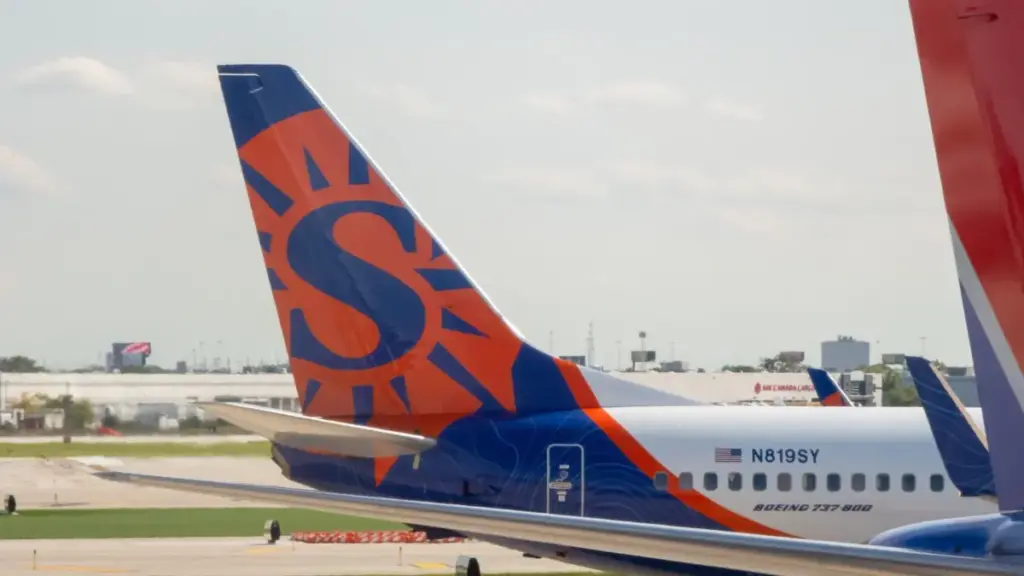
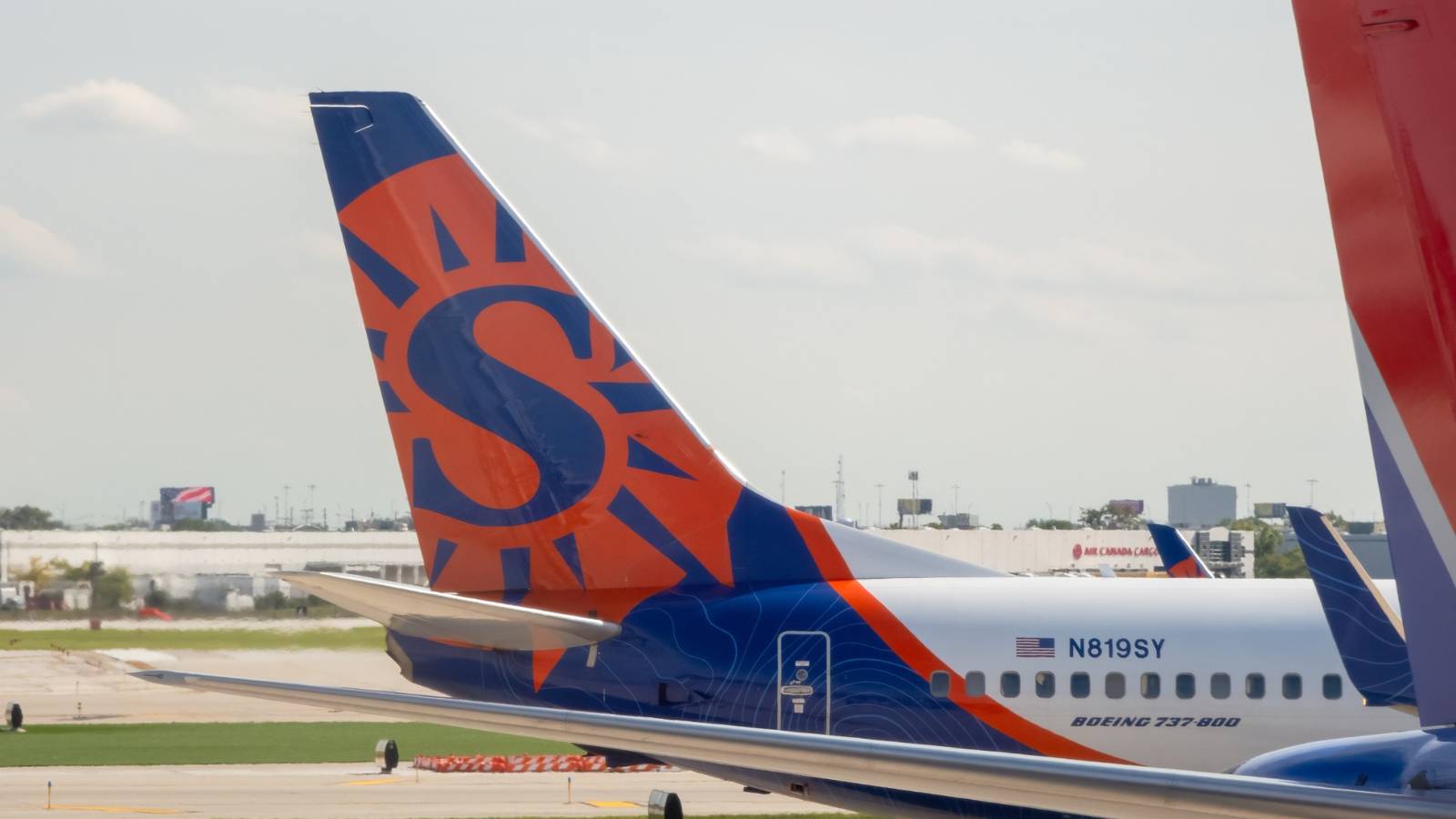
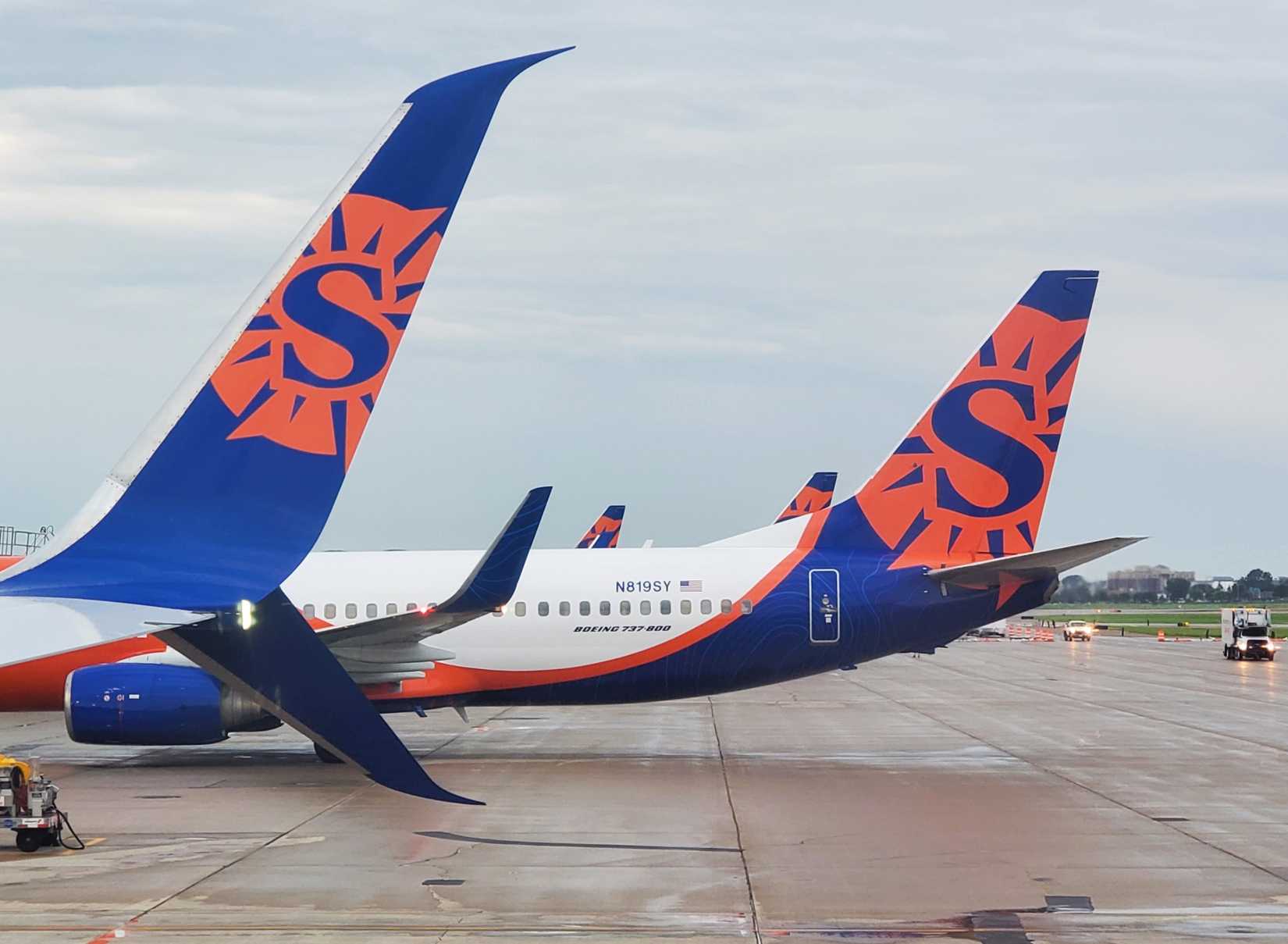
In the hyper-competitive landscape of American commercial aviation, human capital is just as vital as fleet availability or gate allocations. For low-cost carriers operating in the shadow of major network legacy giants, retaining skilled flight crew members has historically been an uphill battle. This reality has been thrust into sharp relief at Minneapolis-St. Paul International Airport (MSP), where Sun Country Airlines has been forced to enact sweeping, dramatic cuts to its September flight schedule.
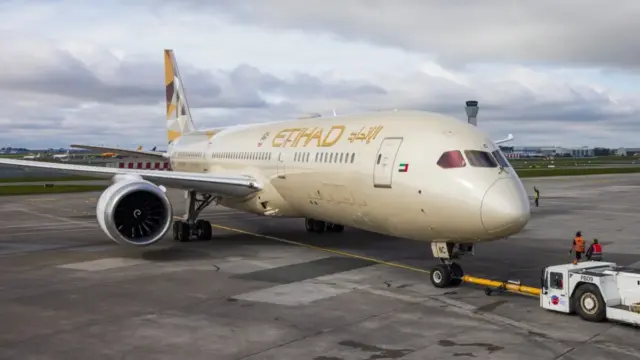
According to the latest scheduling data from aviation analytics firm Cirium, Sun Country’s capacity out of MSP is plummeting by nearly 40% year-on-year. The root cause of this contraction is not weak passenger demand or fleet grounding, but rather a severe wave of pilot attrition. Driven by an aggressive hiring surge from Delta Air Lines—the dominant SkyTeam legacy carrier headquartered in Atlanta and reigning supreme at the Twin Cities hub—Sun Country’s junior pilot ranks have rapidly thinned.
This cascading operational constraint was brought to light during a recent second-quarter earnings call by Greg Anderson, CEO of Allegiant Air, Sun Country’s parent company. While Anderson stopped short of explicitly naming the competitor, his references to the "largest full-service carrier at MSP" pointed squarely at Delta. As legacy carriers ramp up recruitment to feed their expanding international and domestic networks, smaller airlines are left scrambling to backfill empty flight deck seats, sacrificing scheduled routes and peak-season frequencies in the process.
Detailed Chronology: The Anatomy of a Schedule Slash
The unfolding capacity reduction at Minneapolis-St. Paul International Airport did not happen in a vacuum. It is the culmination of shifting labor market dynamics, pilot wage negotiations, and the insatiable recruitment appetite of major network airlines.
The Build-Up to the Labor Crunch
For years, regional and low-cost carriers have functioned as the training grounds for the commercial aviation industry. Junior first officers and captains log their hours, gain vital jet-transition experience, and wait for the inevitable call from a legacy carrier offering widebody opportunities, richer retirement contributions, and more predictable scheduling lines.
Over the course of late 2025 and into mid-2026, this natural pipeline accelerated into a torrent. Delta Air Lines, seeking to maximize aircraft utilization and expand its transoceanic and domestic footprint out of its strategic midwestern hub at MSP, significantly amplified its hiring quotas. According to industry insiders and executive disclosures, Delta’s hiring rate at MSP doubled compared to previous cycles.
The Domino Effect on Sun Country
For Sun Country Airlines—a hybrid low-cost carrier specializing in scheduled leisure routes and charter operations—this localized hiring surge struck at its operational core. Because Sun Country’s pilot base at MSP leans heavily on junior aviators who reside in or prefer the Twin Cities area, the proximity and prestige of a legacy giant like Delta proved irresistible.

As resignation letters piled up through the late spring and early summer of 2026, Sun Country’s flight operations department found itself running dangerously low on crew reserves. By July, leadership realized that maintaining the previously published September timetable would violate legal flight-time limitations and subject the airline to chronic operational disruptions, delays, and cancellations. The only viable recourse was a preemptive, surgical reduction of capacity.
Supporting Context & Metrics: The Scale of MSP Capacity Re-alignment
An analysis of the numbers reveals the staggering scale of Sun Country’s retreat at MSP for the upcoming autumn shoulder season. Aviation analytics from Cirium paint a clear picture of an airline forced into a defensive posture.
Sun Country’s Shrinking September Footprint
When comparing Sun Country’s operational output for September 2026 against the same month in 2025, the contractions are stark across every major metric:
- Total Flights: Sun Country is scheduled to operate just 344 flights out of MSP this September, a steep drop from the 567 flights operated in September 2025. This translates to a year-on-year reduction of 39.3%.
- Total Seats: Available seating capacity will fall from 105,477 seats down to 63,866 seats—a decline of 39.5%.
- Available Seat Miles (ASMs): Factoring in stage lengths, Sun Country’s overall network productivity out of its home base is down by 37.3%.
These figures underscore the reality that pilot shortages are no longer abstract industry talking points; they are concrete economic drivers capable of instantly neutering an airline’s growth strategy in its primary hub.

Official Statements and Industry Insights
The severe capacity adjustments forced public transparency from airline leadership. During Allegiant Air’s second-quarter financial earnings call, the situation was addressed head-on by executive leadership, shedding light on the mechanics of the pilot drain.
Allegiant CEO Greg Anderson Addresses the Pilot Drain
As the parent company navigating these labor headwinds, Allegiant Air’s CEO Greg Anderson provided critical color regarding the localized pilot attrition. Speaking to analysts and media representatives, Anderson noted:
"Over the past few months, Sun Country has experienced elevated pilot attrition, concentrated among its junior MSP pilots and largely driven by increased hiring at the largest carrier in the Twin Cities."
While Anderson refrained from directly uttering Delta’s name, industry analysts immediately recognized the description. Delta Air Lines holds a commanding monopoly-like presence at MSP, making it the only "largest full-service carrier" capable of absorbing hundreds of pilots without flinching. Anderson’s comments highlighted the asymmetrical competition low-cost carriers face when legacy airlines decide to tap directly into a regional competitor’s backyard labor pool.
The Appeal of the Legacy Business Model
Industry observers note that the migration of pilots from low-cost operators to legacy network carriers is rooted in career longevity and compensation structures. Full-service network carriers offer pilots rapid upgrades to widebody aircraft flying profitable international long-haul routes, superior profit-sharing schemes, and robust defined-benefit or enhanced defined-contribution pension plans. For a junior first officer at Sun Country based in Minneapolis, transitioning to Delta represents not just a pay bump, but the realization of a career-long ambition.
Delta’s Fortress Hub: The Epicenter of Twin Cities Aviation
To understand why Sun Country’s pilots are migrating so eagerly, one must examine the sheer scale and dominance of Delta Air Lines at Minneapolis-St. Paul International Airport. MSP is not merely a focus city for Delta; it is one of the crowning jewels of its domestic and international route network, inherited largely through its historic merger with Northwest Airlines.
Flight Volumes and Mainline Dominance
Cirium data for September 2026 illustrates Delta’s towering presence at the facility:
- Total Operations: Delta and its regional partners are scheduled to operate 9,557 flights out of MSP this September, marking a 0.7% increase over September 2025’s tally of 9,489.
- Regional Feed: Out of those thousands of departures, 3,498 flights will be operated by regional feeder partners under the Delta Connection brand, predominantly serving domestic spokes across the American Midwest and Great Plains.
- Mainline Strength: Delta’s mainline division will operate 6,059 flights out of the Twin Cities next month. Of those, 5,588 are domestic services, while 471 are international routes—representing a 5.6% year-on-year increase in international departures compared to September 2025.
- Global Reach: Key international routes out of MSP include high-frequency services to Canadian hubs such as Vancouver (YVR) and Calgary (YYC), alongside lucrative transatlantic lifelines to European gateways like Amsterdam (AMS).
MSP Traffic Share Breakdown
When analyzing the broader airport ecosystem, Delta’s market dominance becomes absolute. Total passenger flight operations at MSP for September stand at 12,329 flights. Delta’s 9,557 scheduled flights account for an astonishing 77.5% of the airport’s total monthly traffic.
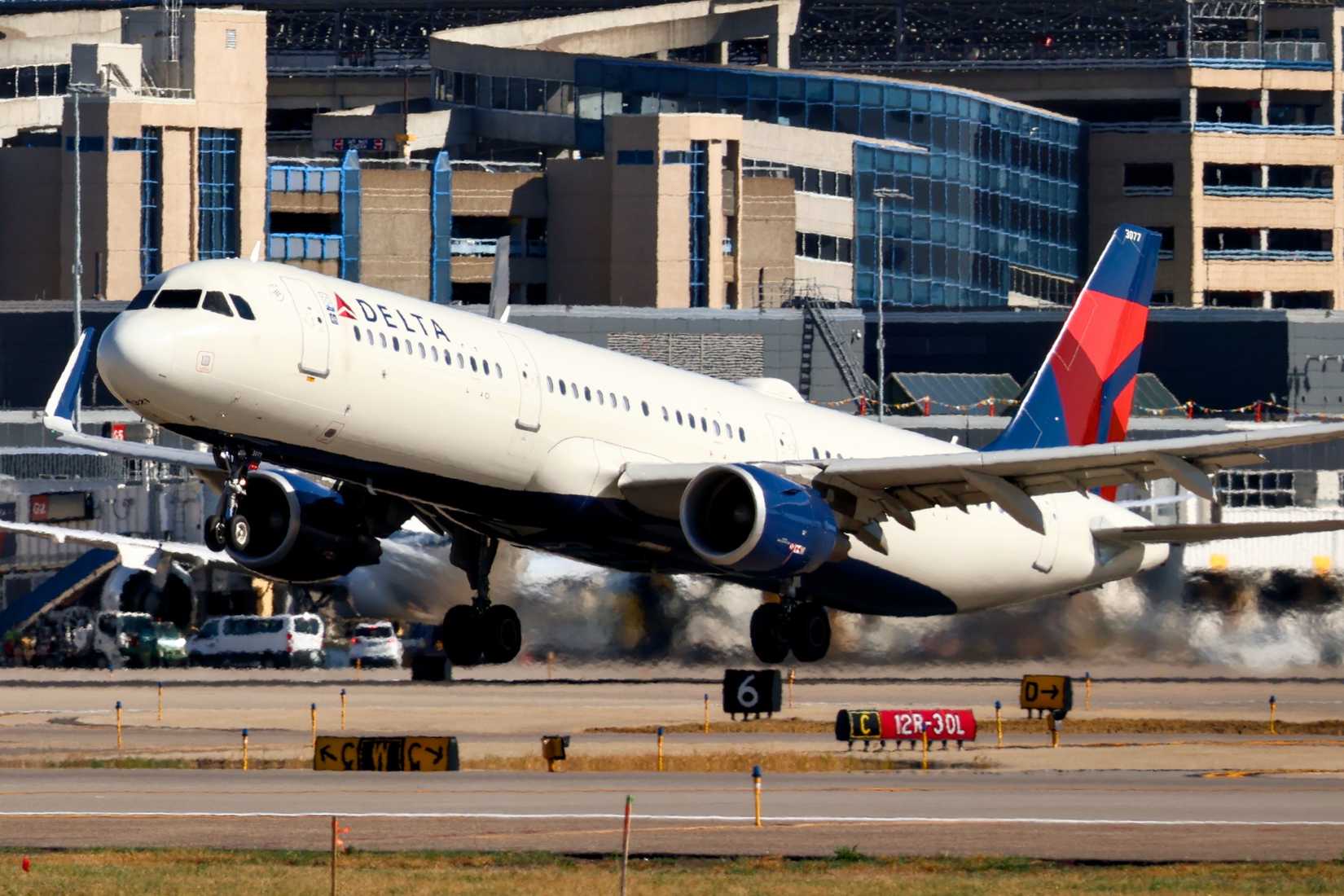
To put Delta’s colossal footprint into perspective, consider the rest of the carrier lineup at MSP:
- American Airlines: Ranks second by flight volume with 650 flights, capturing just 5.3% of the monthly market share.
- United Airlines: Ranks third with 647 flights, though it edges out American in seat capacity with 96,139 seats compared to American’s 81,948.
- Southwest Airlines: Claims the fourth spot with 490 flights and 81,912 seats.
- Sun Country Airlines: Slips down the ranking table into fifth place due to its forced September schedule contraction.
- Other Carriers: Frontier Airlines, Alaska Airlines, WestJet, and Air Canada round out the remaining minor market share.
Future Outlook: Navigating the Labor Squeeze
As Sun Country Airlines digests its September capacity reductions, the airline faces a complex strategic crossroads. The immediate challenge is stabilizing its crew ranks and preventing further schedule erosion heading into the lucrative winter holiday travel period.
Rebuilding the Pipeline
To stem the bleeding, low-cost and hybrid carriers are being forced to re-evaluate compensation packages, upgrade timelines, and quality-of-life provisions for their flight crews. Simply matching starting wages is no longer sufficient; airlines must offer retention bonuses, predictable rostering, and accelerated command upgrades to convince junior pilots to stay put rather than answer the siren song of legacy carriers.
Furthermore, training pipelines must be optimized. Bringing new-hire pilots through ground school, simulator sessions, and operating experience (OE) lines requires immense institutional resources. When attrition spikes among junior first officers, the training department is thrown into overdrive just to maintain status quo operations, let alone facilitate fleet expansion.

Long-Term Implications for MSP
For passengers traveling through Minneapolis-St. Paul, Sun Country’s capacity cuts mean fewer direct leisure options, potentially higher airfares on remaining low-cost routes, and a consolidation of market power under Delta Air Lines. While Delta’s fortress hub ensures unmatched global connectivity for Twin Cities travelers, the reduction in robust low-cost competition underscores the fragile ecosystem of regional aviation labor.
As the industry looks beyond the autumn of 2026, the aviation labor market remains the ultimate arbiter of airline growth. Until the pilot supply-demand imbalance reaches a sustainable equilibrium, carriers like Sun Country will continue to walk a tightrope between ambitious scheduling and the harsh reality of pilot attrition.