









Executive Overview
For decades, the American beauty and skincare market operated on a reactive paradigm. Consumers battling acne, hyperpigmentation, aging, or irritation were conditioned to seek aggressive, quick-fix solutions designed to strip, peel, or instantly correct visible flaws. Retinoids, physical scrubs, and high-strength acid peels dominated bathroom cabinets and spa menus alike, often prioritizing rapid aesthetic transformation over the biological integrity of the skin barrier.
Today, that landscape has radically transformed. Driven by a cultural pivot toward holistic wellness and preventative self-care, Korean beauty—universally known as K-Beauty—has evolved from a niche global phenomenon into one of the most powerful and transformative forces in the American beauty industry. Generating an estimated $2 billion in U.S. sales and outpacing the growth of the broader beauty sector, K-Beauty has permanently altered how American consumers perceive, treat, and value their skin.
At the heart of this movement is a philosophy rooted in long-term skin health, intensive hydration, and barrier protection rather than overnight correction and heavy cosmetic coverage. This paradigm shift has traveled far beyond digital retail and social media algorithms; it is actively reshaping the operational menus of medspas, day spas, and traditional wellness destinations across the United States. As major Korean retail giants like Olive Young eye massive U.S. brick-and-mortar expansions, American esthetics is undergoing a quiet revolution—one where cultivating "glass skin" is no longer just a viral social media trend, but a baseline standard for professional skincare.
Detailed Chronology: From Niche Curiosity to Mainstream American Dominance
To understand how K-Beauty conquered the American market, it is essential to trace its evolution from an underground exporter of obscure ingredients to a dominant pillar of Western wellness culture.
Phase 1: The Grassroots Discovery (Early-to-Mid 2010s)
Long before mainstream department stores allocated shelf space to sheet masks and snail mucin, Korean skincare existed as a subterranean obsession among beauty bloggers and forum communities. Early adopters experimented with imported goods sourced from specialized e-commerce sites, fascinated by unfamiliar textures, multi-step regimens, and exotic formulations. Concepts like the legendary "10-step skincare routine" initially struck mainstream American consumers as overwhelming, yet they sparked a vital conversation regarding daily ritualism versus sporadic maintenance. During this phase, K-Beauty was viewed primarily as a novelty—a fun, multi-layered ritual rather than a serious clinical alternative to Western dermatology.
Phase 2: The Digital Acceleration and Ingredient Revolution (Late 2010s)
As platforms like YouTube and Instagram matured, visual beauty content accelerated the spread of K-Beauty philosophies. The concept of "glass skin"—defined by an ultra-dewy, luminous, poreless, and deeply hydrated complexion—captured the imagination of younger demographics. Concurrently, K-Beauty brands shifted the global conversation toward advanced ingredients. Components like centella asiatica (cica), hyaluronic acid derivatives, fermented extracts, and bee venom entered the Western lexicon. Consumers began to realize that Korean laboratories were pioneering innovations years ahead of Western counterparts, particularly regarding gentle efficacy and elegant formulation chemistry.
Phase 3: The Pandemic Shift and the Rise of the Skin Barrier (2020–2022)
The global health crisis served as a profound catalyst for the wellness industry. Confined to their homes, consumers turned inward, reevaluating self-care routines. The obsession with heavy makeup plummeted, replaced by a "skin-first" mindset. Simultaneously, years of over-exfoliation and aggressive acid use caught up with many consumers, resulting in widespread skin barrier damage, sensitivity, and chronic inflammation. K-Beauty’s core tenets—gentle nourishment, deep hydration, and barrier repair—emerged as the ultimate remedy. Skincare transformed from a chore into a meditative, therapeutic ritual designed to soothe both the skin and the nervous system.
Phase 4: Institutional Integration and Retail Expansion (2023–Present)
Today, K-Beauty is no longer confined to specialty online retailers. Major American beauty conglomerates, luxury department stores, and local day spas have integrated Korean principles into their core offerings. The announcement of major Korean retail expansions—such as Olive Young targeting U.S. brick-and-mortar storefronts—cements this cultural integration. K-Beauty is now a multi-billion-dollar economic powerhouse seamlessly embedded into the American lifestyle.
Supporting Context & Metrics: The Economics of the Glow
The triumph of Korean beauty in the United States is supported by striking macroeconomic metrics and shifting consumer demographics.
Market Valuation and Growth Trajectory
Recent market analysis indicates that U.S. sales of Korean skincare products have surged to an estimated $2 billion market, defying broader economic fluctuations that have periodically slowed discretionary retail spending. While legacy beauty sectors experience steady, incremental growth, K-Beauty continues to significantly outpace overall beauty market expansion. This outperformance is driven by unrelenting consumer demand for three core pillars: efficacy, innovation, and ingredient transparency.
Demographic Shifts: The Rise of the Skin-First Consumer
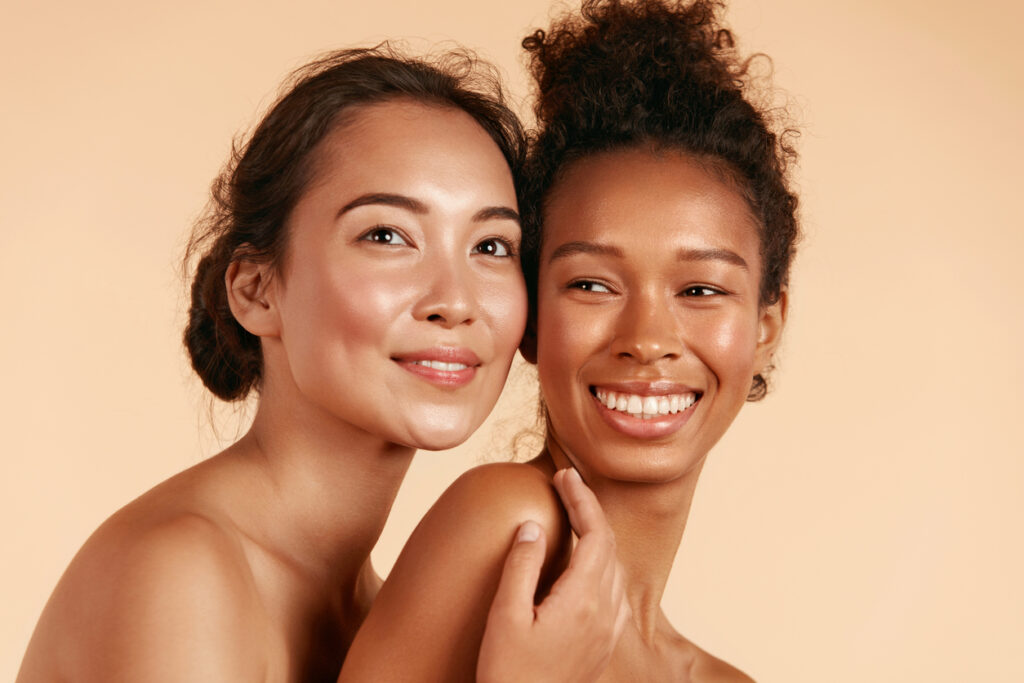
Younger generations—specifically Gen Z and Millennials—are leading this charge, displaying a profound ideological shift away from heavy cosmetics and toward bare-skin confidence. Industry data consistently demonstrates that these demographics allocate a significantly higher percentage of their disposable beauty income to preventative skincare rather than color cosmetics. They view skincare not as a tool for masking perceived flaws, but as a long-term wellness investment akin to physical fitness or clean nutrition.
The Science of Prevention
Unlike traditional Western models that historically relied on aggressive post-problem interventions (such as harsh spot treatments for active acne or abrasive procedures to erase fine lines), the Korean approach focuses heavily on micro-maintenance. By maintaining optimal hydration levels and reinforcing the skin’s lipid barrier on a daily basis, the skin develops natural resilience against environmental stressors, pollution, and premature aging. This scientific foundation has won over not only consumers but also licensed estheticians and dermatological professionals who recognize the long-term benefits of non-disruptive skincare.
Beyond Products: The Transformation of the American Spa Experience
While the early wave of K-Beauty was product-centric, its current evolution has deeply penetrated the professional service sector. American spas, medspas, and wellness studios are fundamentally restructuring their treatment menus to incorporate Korean-inspired methodologies.
The Shift in Professional Esthetics
Traditional American spa facials have historically emphasized deep mechanical extractions and exfoliating peels that often leave the skin temporarily compromised. In contrast, Korean-inspired professional treatments prioritize:
- Layering Hydration: Applying multiple phases of lightweight, nutrient-dense essences and serums to infuse moisture deep into the epidermis.
- Lymphatic Stimulation and Facial Massage: Utilizing specialized massage techniques to release facial tension, boost microcirculation, and promote natural detoxification without aggressive pulling.
- Customized Barrier-Supportive Protocols: Tailoring every step of a facial to the unique micro-climate and immediate biological needs of the client’s skin barrier.
These treatments deliver an immediate, luminous "glass skin" glow while fortifying the skin’s structural integrity over time. Consequently, spa menus across the United States are pivoting away from aggressive resurfacing and toward holistic revitalization.
Spotlight on Industry Leaders: Spafinder Partners Embracing K-Beauty Philosophies
For consumers eager to experience these transformative traditions firsthand, several premier Spafinder partner locations across the United States are actively championing skincare philosophies aligned with Korean wellness standards:
- Skin Accord (New Lenox, Illinois): Serving the southwest suburbs of Chicago, Skin Accord operates on the fundamental premise that true skin health begins with a deep, individualized understanding of each client’s unique dermal needs. Their advanced customized facials and barrier-supportive treatment plans mirror the modern K-Beauty ethos of personalized, non-invasive long-term wellness.
- King Spa (Palisades Park, New Jersey): As one of the most iconic Korean wellness destinations in the United States, King Spa offers an authentic immersion into traditional Korean spa culture (jjimjilbang). By seamlessly combining traditional heat therapy, communal relaxation, specialized body scrubs, and holistic self-care, King Spa reinforces the foundational Korean belief that skincare is an integral component of total-body wellness rather than an isolated aesthetic service.
- Esthetics by Joanne (Fullerton, California): Reflecting the high standards of the West Coast wellness scene, this practice emphasizes results-driven, personalized skincare. Joanne’s methodology honors the core K-Beauty pillars of consistency, customized regimens, and sustained skin vitality.
- Earth Esthetics (Martinez, California): Bridging the gap between traditional esthetics and advanced modern skincare, Earth Esthetics focuses on skin renewal and healthy aging. Their treatment philosophy aligns with the Korean commitment to preserving and nourishing skin health at every stage of life.
Future Outlook: The Era of Thoughtful Beauty
As we look toward the future of the wellness industry, it is evident that the influence of Korean beauty is not a fleeting trend, but a permanent cultural evolution.
The longevity of K-Beauty lies in its psychological impact: it encourages consumers to slow down, cultivate a mindful daily ritual, and develop an intimate, educated relationship with their own bodies. Rather than impulsively chasing viral, short-lived miracle treatments, consumers are increasingly empowered by ingredient knowledge, scientific literacy, and a holistic understanding of self-care.
At a time when modern consumers face mounting anxieties regarding environmental toxins, chemical exposure, and the physical toll of fast-paced lifestyles, K-Beauty offers a restorative sanctuary. It provides a blueprint for a healthier, more sustainable approach to beauty—proving definitively that the future of skincare is thoughtful, preventative, and deeply rooted in lifelong wellness.