




For decades, the rhythm of a cruise vacation was defined by a set of rigid, time-honored traditions. Guests packed formal wear, planned their days around set dinner times, and sat down for leisurely, multi-course meals that stretched comfortably over an hour and a half.
However, the post-pandemic travel landscape has fundamentally disrupted these long-standing patterns. Today’s cruise passengers are rejecting rigid schedules, demanding faster service, and shifting their daily routines significantly earlier.
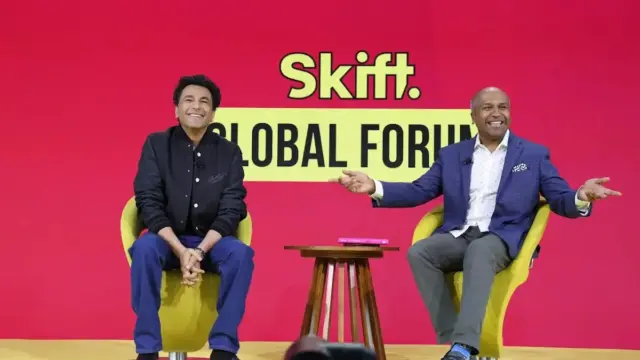
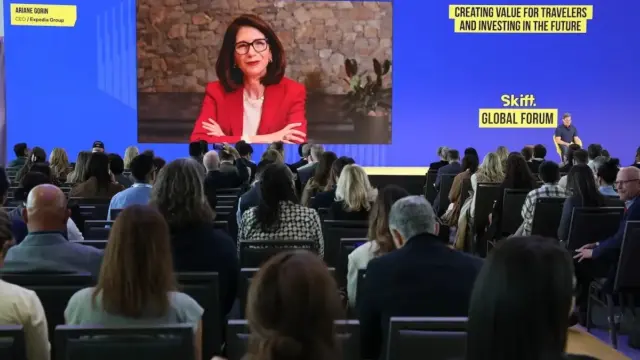
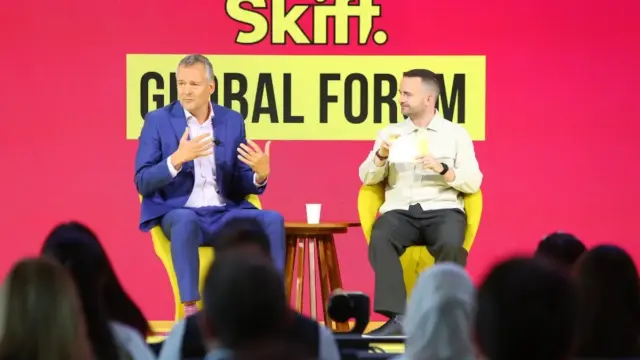
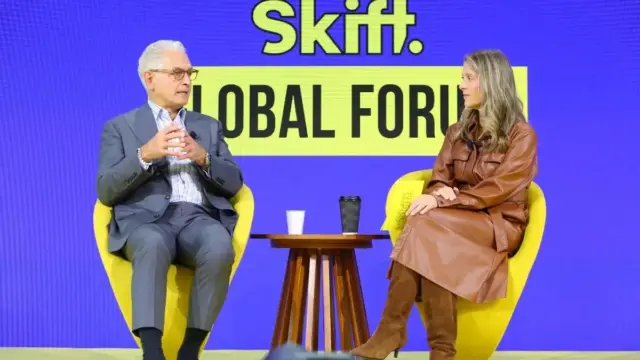
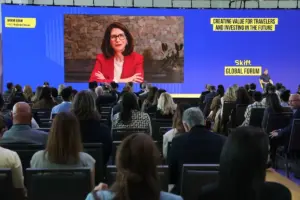
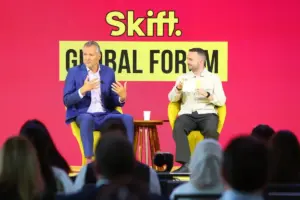
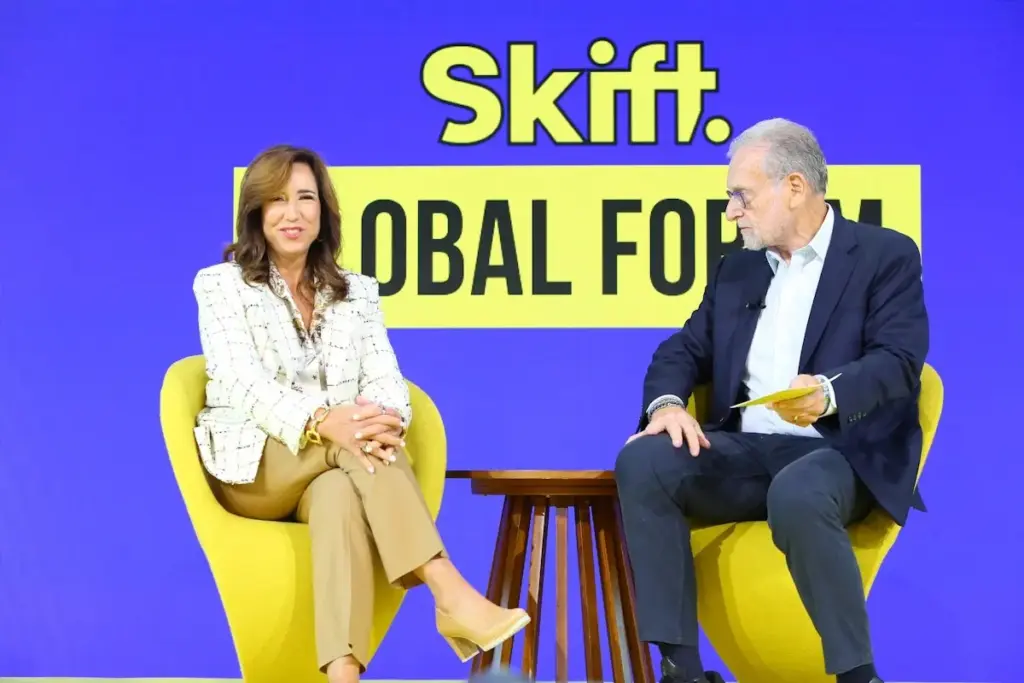
This profound behavioral shift was a central focus at the Skift Global Forum, where Christine Duffy, President of Carnival Cruise Line, sat down with veteran CBS News travel editor Peter Greenberg. During the discussion, Duffy revealed that traveler habits have undergone a material and measurable transformation since the COVID-19 pandemic.
The traditional 90-minute formal dining experience is rapidly losing favor, replaced by a demand for speed, flexibility, and early-evening convenience. To keep pace, Carnival has had to radically restructure its onboard dining operations—a shift that offers valuable lessons for the broader global hospitality and leisure sectors.
The Death of the 90-Minute Dinner and the Rise of the 5:00 PM Rush
Historically, cruise ship main dining rooms operated on a dual-seating system, typically offering an early seating around 5:45 PM and a late seating around 8:15 PM. For generations of cruisers, the late seating was highly coveted, allowing travelers to spend a full day in port, enjoy a late afternoon nap, dress in formal attire, and savor a slow, social dinner.
According to Duffy, that paradigm has vanished. Today, guests who previously requested the 8:00 PM late seating are now lining up outside the dining rooms at 5:00 PM.
"People absolutely do not want the 90-minute formal dining experience anymore," Duffy observed during the session.
This shift is not merely anecdotal; it is backed by hard operational data across Carnival’s fleet of ships. The demand for early dining has surged so dramatically that cruise lines are facing unprecedented operational bottlenecks at the very start of the evening, while late-night dining venues see significantly lower traffic.
Several cultural and psychological factors drive this shift:
- The Prioritization of Time: Post-pandemic travelers are highly protective of their vacation hours. They increasingly view a long, drawn-out dinner as a barrier to experiencing other onboard activities rather than the highlight of their evening.
- The Blur of Work and Leisure: As flexible and remote work arrangements have altered daily routines on land, consumers have grown accustomed to eating earlier and on their own schedules. These lifestyle habits have naturally migrated onto cruise ships.
- The Evolution of Entertainment: Modern cruise ships are floating entertainment complexes featuring Broadway-style theater productions, comedy clubs, live music, and interactive game shows. Guests want to eat quickly so they can secure prime seating for early-evening entertainment.
Engineering the Pivot: Express Dining and Flex-Time Formats
For a mega-ship carrying upwards of 5,000 passengers, a sudden shift in dining preferences presents a massive logistical challenge. Cruise ship galleys are marvels of industrial engineering, designed to prep, cook, and plate thousands of identical meals in highly synchronized waves. When passengers reject the synchronized model in favor of turning up whenever they please—and expecting rapid service—the traditional galley model breaks down.
To address this challenge, Carnival Cruise Line introduced "express dining" formats designed to get guests in and out of the main dining room in under an hour. This required a complete reengineering of the kitchen workflow, table rotation strategies, and menu structures.
Streamlining the Menu and Service Flow
To achieve a sub-one-hour dining time without sacrificing quality, Carnival streamlined its menus, focusing on dishes that can be prepared with high precision and speed. Waitstaff training was also updated to emphasize rapid table turnarounds, ensuring that appetizers, main courses, and desserts are delivered in a tight, seamless sequence.

Expanding Flexible Dining Formats
Carnival has expanded its "Your Time Dining" program, allowing guests to open their mobile app, request a table when they are hungry, and receive a notification when their table is ready. This digital queueing system helps distribute the passenger flow more evenly, mitigating the physical crowds that gather at 5:00 PM.
Elevating Casual and Alternative Venues
Recognizing that not every guest wants to step into the main dining room, Carnival has heavily invested in casual, fast-casual, and outdoor dining concepts. Partnerships with high-profile personalities—such as Guy Fieri’s Guy’s Burger Joint and Shaquille O’Neal’s Big Chicken—provide passengers with high-quality, freshly prepared meals in a fraction of the time required for a sit-down dinner. These venues act as vital relief valves for the main dining rooms, dispersing the high volume of early-evening diners across the ship.
A Bellwether for the Global Hospitality Industry
The behavioral shifts observed by Carnival are not unique to the cruise industry. They represent a broader, macro-level evolution in consumer behavior that is currently reshaping land-based hotels, resorts, theme parks, and urban restaurants worldwide.
Hospitality companies across all sectors are grappling with a consumer base that is increasingly "time-poor" and highly focused on convenience. In the past, luxury and high quality were synonymous with slow, highly attentive, and formal service. Today, modern consumers define luxury as control over their own time. They expect high-quality experiences delivered quickly and on their own terms.
Land-based resorts and hotels can draw several key insights from Carnival’s adaptation strategies:
+-----------------------------------------------------------------------------+
|                       THE MODERN HOSPITALITY PLAYBOOK                       |
+-----------------------------------------------------------------------------+
|                                                                             |
|  1. DECENTRALIZE DINING OPTIONS                                             |
|     Reduce reliance on single, large-capacity dining rooms. Expand high-    |
|     quality grab-and-go options, food halls, and fast-casual concepts.      |
|                                                                             |
|  2. EMBRACE MOBILE-FIRST LOGISTICS                                          |
|     Utilize guest-facing apps for virtual waitlists, mobile ordering, and   |
|     contactless payments to eliminate physical friction points.             |
|                                                                             |
|  3. RE-THINK SERVICE VELOCITY                                               |
|     Acknowledge that guests value speed. Train staff to recognize when a     |
|     table wants a quick, efficient meal versus a leisurely experience.      |
|                                                                             |
+-----------------------------------------------------------------------------+
The Evolving Demographics of the Modern Cruise Passenger
To fully understand why these behavioral shifts have taken hold so rapidly, one must look at the changing demographics of the cruise passenger. While cruising was once dominated by retirees and older travelers who appreciated the slow pace of traditional ocean liners, the market has expanded dramatically.
Today, Carnival and its competitors are attracting a much younger, highly diverse, and family-oriented demographic. Millennials and Gen Z travelers are booking cruises in record numbers, drawn by the value proposition, multi-destination itineraries, and hassle-free nature of cruise vacations.
These younger generations have grown up in the era of on-demand services, ride-sharing, and food delivery apps. They have little patience for long waits, rigid dress codes, or structured dining schedules. They prefer casual environments where they can socialize on their own terms.
By pivoting toward express dining and flexible, tech-enabled service formats, Carnival is not just reacting to a temporary post-pandemic trend; it is actively future-proofing its business model to align with the expectations of the next generation of travelers.
Looking Ahead: The Future of Leisure and Travel
The conversation between Christine Duffy and Peter Greenberg highlights a fundamental truth about the modern travel industry: adaptability is the key to survival. The travel brands that thrive in the coming decade will be those that closely monitor customer data, recognize shifting behavioral trends early, and possess the operational agility to pivot their service models accordingly.
For Carnival Cruise Line, the willingness to dismantle long-held dining traditions in favor of faster, more flexible formats has proven essential to maintaining high guest satisfaction scores in a highly competitive vacation market.
As travelers continue to reevaluate how they spend their time and money, the companies that make travel seamless, efficient, and respectful of the guest’s schedule will ultimately win the day. Flexibility is no longer a premium add-on; it has become the baseline expectation for travelers worldwide.