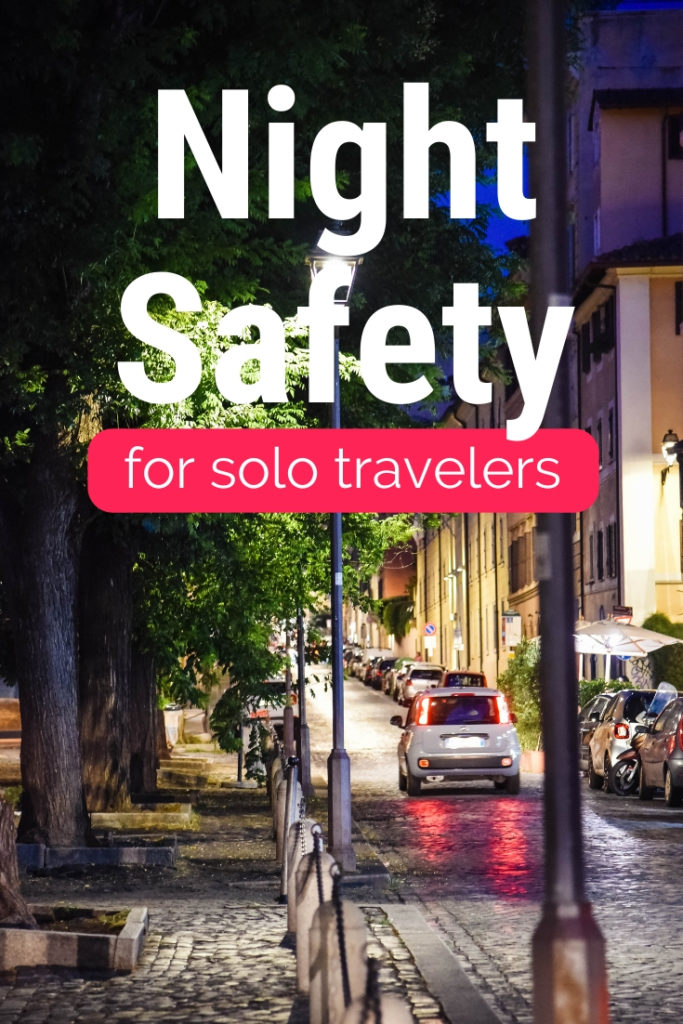
For decades, the cultural narrative surrounding solo travel has carried an underlying caveat, particularly as daylight fades. The prevailing wisdom often warned travelers—especially women—to retreat to their accommodations by sundown, framing the night as a domain reserved for locals, groups, or organized tours. However, a massive shift in modern demographics, coupled with a booming independent travel economy, has forced a recalibration of this outdated paradigm. Today, millions of globetrotters regularly embark on solo nocturnal excursions, exploring everything from the bustling night markets of Hong Kong to the neon-lit theater districts of New York City and London.
Night safety for solo travelers is not an unattainable ideal; rather, it is a specialized skill set rooted in situational awareness, proactive planning, and psychological preparedness. While many core safety principles mirror those practiced in one’s hometown, foreign environments introduce variables ranging from language barriers and unfamiliar transit networks to cultural misinterpretations. This comprehensive report synthesizes decades of field-tested methodologies from seasoned global travelers, transforming abstract caution into an authoritative, 17-point operational framework designed to ensure that exploring the world after dark remains an empowering, safe, and exhilarating experience.
Detailed Chronology: The Evolution of Modern Solo Travel Safety
To understand contemporary nocturnal travel safety, one must examine how the landscape of independent travel has evolved over the last half-century.
The Era of the Analog Pioneer (1970s–1990s)
Before the advent of smartphones, global positioning systems, and rideshare applications, solo travelers navigated foreign cities relying on physical paper maps, public payphones, and guidebook recommendations. Night safety during this era was largely reactive. Travelers depended heavily on concierge desks, physical hotel locks, and intuition. Getting lost after dark often meant high-stakes navigation, asking strangers for directions under streetlamps, and relying on cash transactions that made travelers prime targets for opportunistic crime.
The Digital Disruption (2000s–2010s)
The rise of the digital age fundamentally transformed urban navigation. The introduction of smartphones equipped with GPS, followed quickly by ridesharing platforms like Uber and Lyft, radically altered how solo travelers moved through nocturnal landscapes. No longer bound exclusively to unpredictable street hails or confusing subway lines late at night, travelers gained the ability to door-to-door transit tracking. Simultaneously, peer-to-peer review systems on lodging platforms forced a higher standard of accountability regarding accommodation security.
The Modern Ecosystem (2020s–Present)
Today, solo travel is no longer viewed as a niche adventure for the hyper-independent or reckless; it is a mainstream lifestyle choice embraced across all genders, ages, and demographics. The modern safety playbook has expanded beyond basic street smarts to incorporate a robust digital and psychological toolkit. Travelers now utilize specialized safety apps, offline translation tools, and real-time communication networks. However, modern connectivity has also introduced new vulnerabilities, such as digital tracking risks, social media oversharing, and sophisticated online scams targeting tourists. Navigating the night safely in the 2020s requires balancing high-tech preparedness with timeless, analog street smarts.
Supporting Context & Metrics: The Reality of Urban Exploration After Dark
Statistics compiled by global tourism boards and international safety organizations consistently indicate that while urban crime does spike in specific districts after dark, the vast majority of incidents involving tourists are crimes of opportunity—such as pickpocketing, purse snatching, and scams—rather than violent encounters.
Understanding Urban Vulnerability
Risk is rarely distributed evenly across a city. Metropolitan areas generally experience distinct shifts in foot traffic patterns once commercial districts close and entertainment zones peak. Solo travelers often fail to recognize the temporal boundaries of safe zones; a bustling commercial avenue at 4:00 PM can transform into a deserted, poorly lit corridor by 11:00 PM.
Furthermore, data shows that fatigue and alcohol consumption significantly amplify vulnerability. A tired traveler navigating an unfamiliar subway system late at night suffers from delayed reaction times and impaired judgment, making them ideal targets for opportunistic petty criminals. Recognizing these systemic patterns forms the foundation of the 17 essential safety rules detailed below.
The 17 Essential Safety Rules for Solo Travelers at Night
1. Consult Reliable Sources Before Departure
Never step out into an unfamiliar neighborhood blindly. Before leaving your accommodation, cross-reference your evening itinerary with trusted sources—such as hotel concierges, long-term expatriates, or verified local travel forums. Because perceptions of safety are subjective, gathering multiple expert opinions provides a realistic baseline of what to expect after dark.
2. Strategize Your Transit Inbound and Outbound
Logistical planning is your primary shield against vulnerability. While taking public transportation during the early evening is generally safe and cost-effective, late-night returns often warrant direct, point-to-point transit.
Taxis and Rideshares: Always utilize licensed, official taxis or reputable rideshare apps (Uber, Lyft) where vehicle tracking is active. Actively avoid unmarked "pirate cabs," which bypass regulatory oversight.
Public Transit After Dark: If you must take a bus or subway late at night, position yourself strategically near the driver or conductor, or choose a carriage populated by families and groups rather than isolated cars.
3. Leave a Paper Trail and Take a Hotel Card
Always leave a discreet note in your room detailing your intended destination and expected return time. Additionally, secure a physical business card from your hotel or hostel and keep it in an easily accessible pocket. If you encounter a language barrier when attempting to return via taxi, handing the physical card to the driver eliminates miscommunication and ensures a direct, safe return to your base.
4. Ditch the Purse or Backpack
Traditional handbags, satchels, and backpacks act as neon signs for opportunistic thieves. Leave bulky bags securely locked in your accommodation. While travel safety experts frequently debate the absolute security of hotel safes, they remain significantly safer than hiding valuables haphazardly around a room. If utilizing an electronic room safe, never default to lazy combinations like "1234" or "0000," which offer zero protection.
5. Diversify Your Financial Storage
Never keep all your financial assets in one location. While keeping a small amount of cash accessible for immediate transactions is sensible, stash emergency funds in hidden locations—such as inside a shoe, a specialized travel belt, or securely pinned inner garment pockets. If confronted by a thief, handing over an easily accessible small wallet satisfies their demands immediately without compromising your ability to pay for emergency shelter or transit.
6. Socialize with Boundaries
Meeting locals and fellow travelers is one of the greatest joys of solo travel, but vigilance must not be abandoned at the bar door. Remember that new acquaintances are still strangers whose backgrounds are entirely unknown to you. Vacation environments often lower psychological defenses, and cultural nuances can lead to misunderstandings of tone or intent. Always maintain interactions within well-lit, populated public spaces.
7. Refuse Lifts from New Acquaintances
A golden rule of nocturnal solo travel is to maintain absolute independence over your mobility. Never accept a ride from someone you have just met in a bar, hostel, or public square, nor should you share an impromptu taxi with a casual acquaintance. Entering a confined, private vehicle with an unverified individual eliminates your safety safety net and places you in an acutely vulnerable position.
8. Enlist the Support of Bartenders and Servers
When frequenting pubs, lounges, or restaurants alone, make an effort to establish a polite, positive rapport with your server or bartender. Hospitality staff are intimately familiar with the venue’s clientele and local street dynamics. Cultivating this brief alliance means you have an immediate, observant advocate on your side who will readily intervene or summon assistance if an aggressive individual begins harassing you.
9. Maintain Strict Vigilance Over Your Beverage
Drink tampering is an indiscriminate threat that affects travelers across all demographics. Never leave your drink unattended, even for a few seconds to use the restroom. Be acutely wary of strangers attempting to create unnecessary distractions—such as asking for directions, spilling something on your clothing, or demanding a light—while an accomplice compromises your glass.
10. Prioritize Rest and Sobriety
Exhaustion mimics intoxication; when your brain is fatigued, your cognitive processing speed plummets. Ensure you go out well-rested. Furthermore, maintain strict moderation regarding alcohol consumption. Remaining completely sober—or consuming non-alcoholic alternatives—ensures your situational awareness remains razor-sharp, allowing you to read room dynamics and respond swiftly to emerging threats.
11. Dispel Gender Assumptions in Safety
Safety is a universal human concern, not a gendered one. While societal conditioning often portrays women as uniquely vulnerable, seasoned travelers and safety advocates note that male solo travelers face distinct risks, particularly regarding targeted street altercations, overconfidence, and robbery. Conversely, never assume a traveling companion is inherently safe simply based on shared demographics. Maintain healthy boundaries with everyone.
12. Protect Your Accommodation’s Anonymity
Your hotel, hostel, or rental apartment is your ultimate sanctuary. Never disclose your specific accommodation details to casual acquaintances or strangers you meet while out at night. If asked where you are staying, remain intentionally vague (e.g., naming a nearby landmark or general neighborhood rather than a specific street address).
13. Dress for the Environment, Not Just the Night Out
While personal expression is paramount, cultural context matters immensely when traveling abroad. Dressing with conservative modesty in regions with strict local customs helps you blend into the local population and drastically reduces unwanted attention. Additionally, keep jewelry to an absolute minimum to avoid drawing the eyes of opportunistic street thieves.
14. Master the Art of Asking Strangers for Help
If you lose your bearings or find yourself turned around in an unfamiliar city at night, exercise discernment when selecting who to approach for directions. Avoid approaching isolated individuals standing in dark corners. Instead, seek out established family units, couples with children, or uniformed service personnel operating within a well-lit storefront.
15. Equip Your Smartphone with Safety Technology
Modern technology provides an invaluable layer of digital armor. Ensure your smartphone is loaded with at least one or two specialized travel safety applications capable of tracking your location, sharing your itinerary with trusted contacts back home, or signaling an emergency. At the absolute minimum, research and store the local emergency dispatch numbers before stepping out.
16. Redirect Requests for Help
Scammers frequently exploit human empathy by faking distress, injuries, or urgent pleas for assistance to lure tourists into compromised alleyways or isolated zones. If someone approaches you at night claiming to need immediate help, do not attempt to play hero. Instead, direct them toward local authorities, police officers, or established public venues where professional help is readily available.
17. Embrace the Power of Being "Rude"
Social etiquette dictates that we should be polite, accommodating, and pleasant. However, when faced with persistent harassment or unwanted attention from an individual who ignores verbal boundaries, throw polite etiquette out the window. Be loud, draw immediate public attention, and make a scene. Predators and harassers rely on their targets feeling embarrassed or quiet; public scrutiny is their ultimate deterrent.
Official Statements & Expert Perspectives
Global tourism security analysts emphasize that fear should never dictate a traveler’s itinerary, but respect for local conditions must govern their actions.
"Traveling solo at night is entirely manageable when approached with the mindset of an urban resident rather than a distracted tourist," notes international travel security consultant Marcus Vance. "Locals do not walk down dark alleys flashing expensive jewelry, nor do they accept rides from unverified strangers. By adopting local behavioral patterns, the solo traveler immediately sheds the ‘target’ sign."
Furthermore, hospitality unions worldwide advocate for increased collaboration between municipal law enforcement and night-economy operators to ensure that popular transit hubs and entertainment districts maintain high-visibility lighting and active patrol units well into the morning hours.
Future Outlook
Looking ahead, the landscape of solo night safety is poised to be heavily shaped by emerging technologies and shifting urban planning initiatives. As smart cities expand globally, municipalities are increasingly investing in IoT (Internet of Things) infrastructure—such as intelligent street lighting that brightens upon detecting pedestrian movement, widespread public Wi-Fi grids, and integrated emergency call pillars.
Concurrently, travel tech developers are rolling out advanced AI-driven safety apps capable of analyzing real-time crime data, crowd densities, and transit disruptions to suggest hyper-local, secure walking routes for solo explorers.
Ultimately, the future of night safety for solo travelers lies in the intersection of advanced personal empowerment and intelligent technological backing. By remaining educated, culturally sensitive, and fiercely alert, solo travelers will continue to reclaim the night, proving that the world after dark is expansive, vibrant, and entirely open for exploration.