

Executive Overview
In an era dominated by high-speed rail networks, congested airports, and massive cruise liners carrying thousands of passengers, a quiet counter-revolution is taking place on the historic waterways of Europe. Discerning travelers are increasingly turning away from mass-market tourism in search of authentic, deeply localized experiences. Enter the realm of luxury hotel barging—a niche travel sector that prioritizes unhurried pacing, cultural immersion, and personalized hospitality.
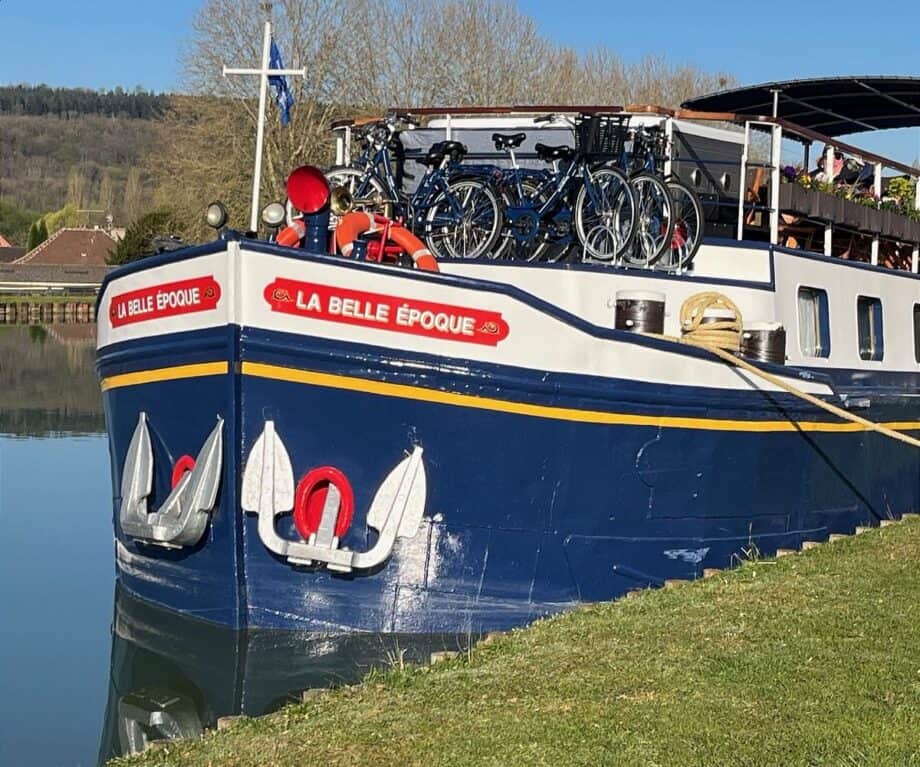
At the forefront of this movement is La Belle Epoque, an elegant vessel operated by European Waterways that cruises the picturesque Burgundy Canal in Northern France. Accommodating a maximum of just 12 guests across six en-suite cabins, this meticulously restored 1930s former log barge bridges the gap between the intimacy of a private country house and the shifting panoramas of a luxury floating boutique hotel.
Covering a mere 50 miles over a six-night itinerary, the vessel moves at a leisurely pace of approximately five kilometers per hour. This deliberate crawl allows guests to absorb landscapes, wildlife, and rural French life that are entirely invisible to travelers rushing between major urban centers. Featuring gourmet gastronomy, Premier and Grand Cru wine pairings, private excursions to historic châteaux and wine estates, and an all-inclusive pricing model, La Belle Epoque represents the pinnacle of slow travel. This comprehensive review examines the mechanics, culture, and enduring appeal of this unique luxury cruise experience as it prepares for the 2026 season.
Detailed Chronology: A Week Aboard La Belle Epoque
A typical six-night voyage aboard La Belle Epoque is structured to balance relaxation with immersive cultural excursions. While itineraries can vary slightly depending on seasonal navigation conditions and private charter requests, a standard journey along the Burgundy Canal weaves together historical exploration, oenological education, and leisurely onboard living.
Embarkation and the Rhythm of the Canal
The journey begins with a private transfer from a designated meeting point to the barge, where the captain and crew welcome guests with a traditional champagne reception. As the mooring lines are cast off, La Belle Epoque settles into its signature pace—gliding effortlessly along the water at walking speed.
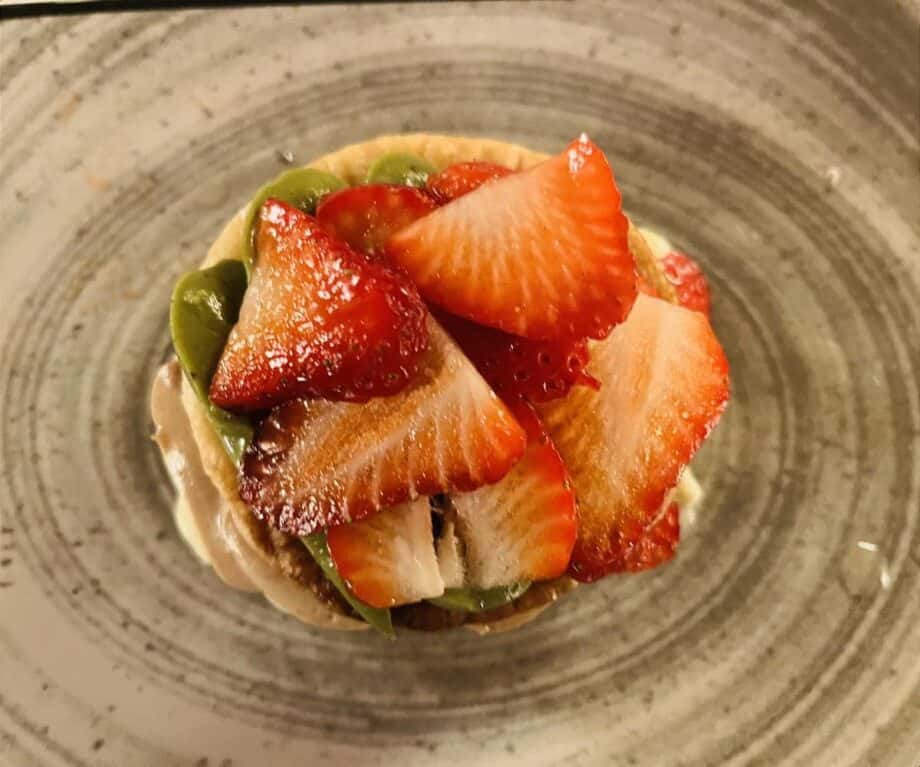
The first evening sets the culinary tone for the week. Guests gather in the salon or on the sundeck for pre-dinner cocktails before sitting down to a multi-course dinner prepared by the onboard chef. These meals are not merely dining events; they serve as a masterclass in regional French cuisine, utilizing fresh ingredients sourced daily from local markets and artisan producers.
The Art of Slow Cruising
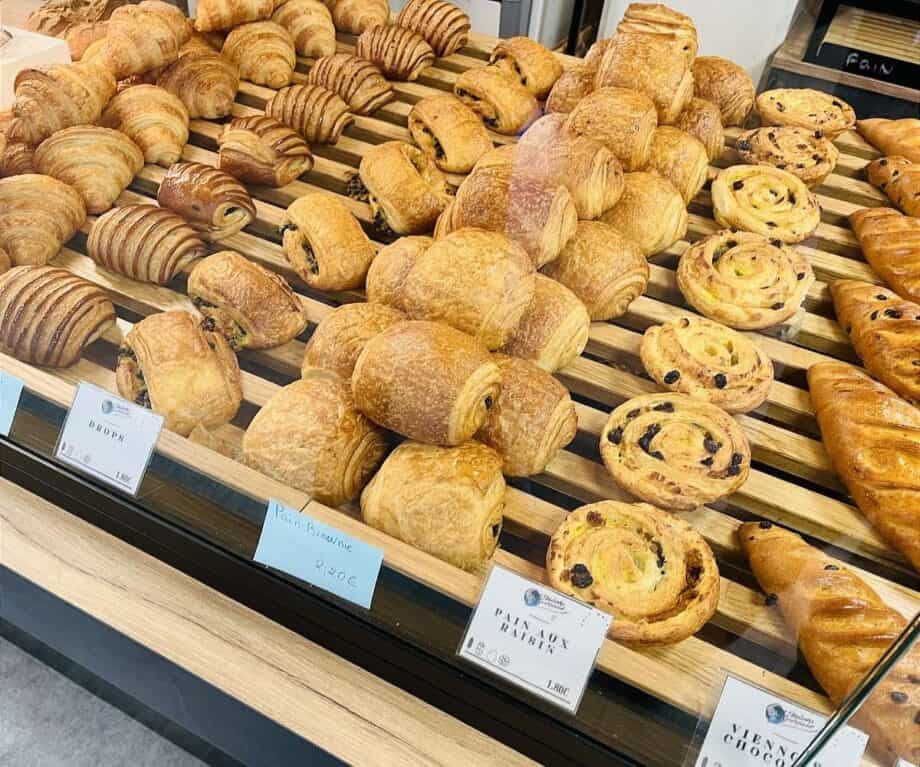
Mornings aboard the barge begin with the aroma of freshly baked bread and pastries. Guests have the unique opportunity to accompany the captain on an early-morning bicycle or walking trip to a village bakery, participating in the quintessential French daily routine.
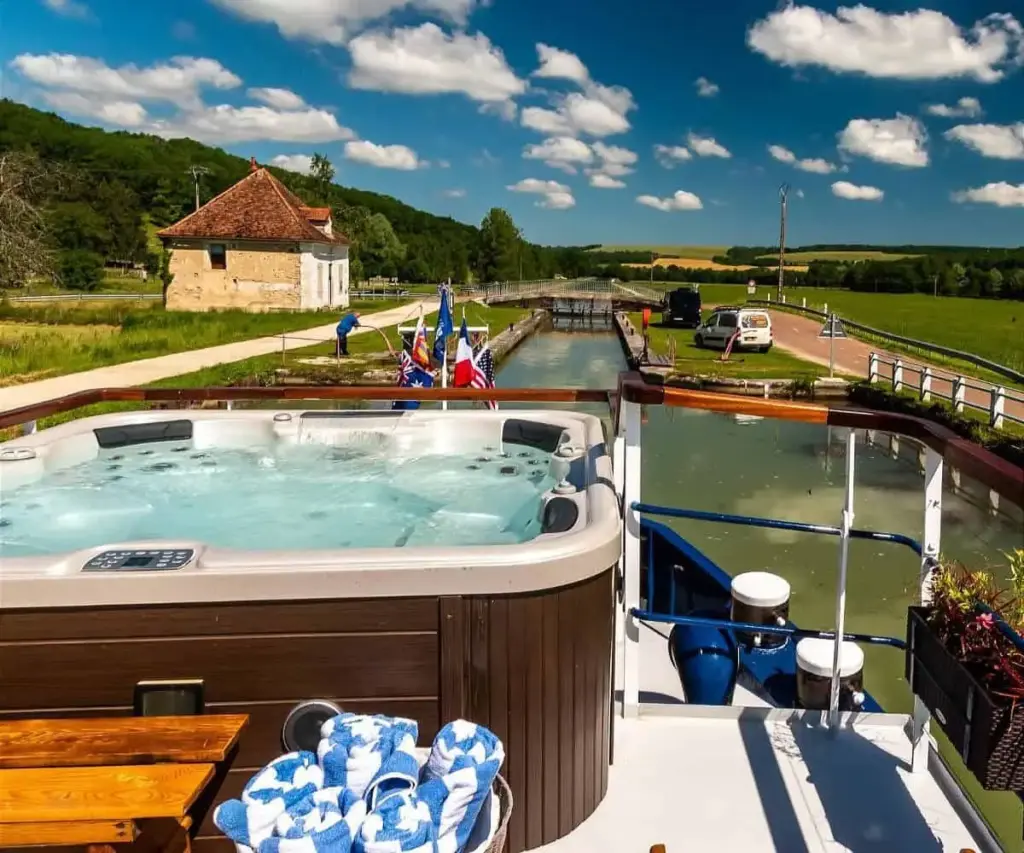
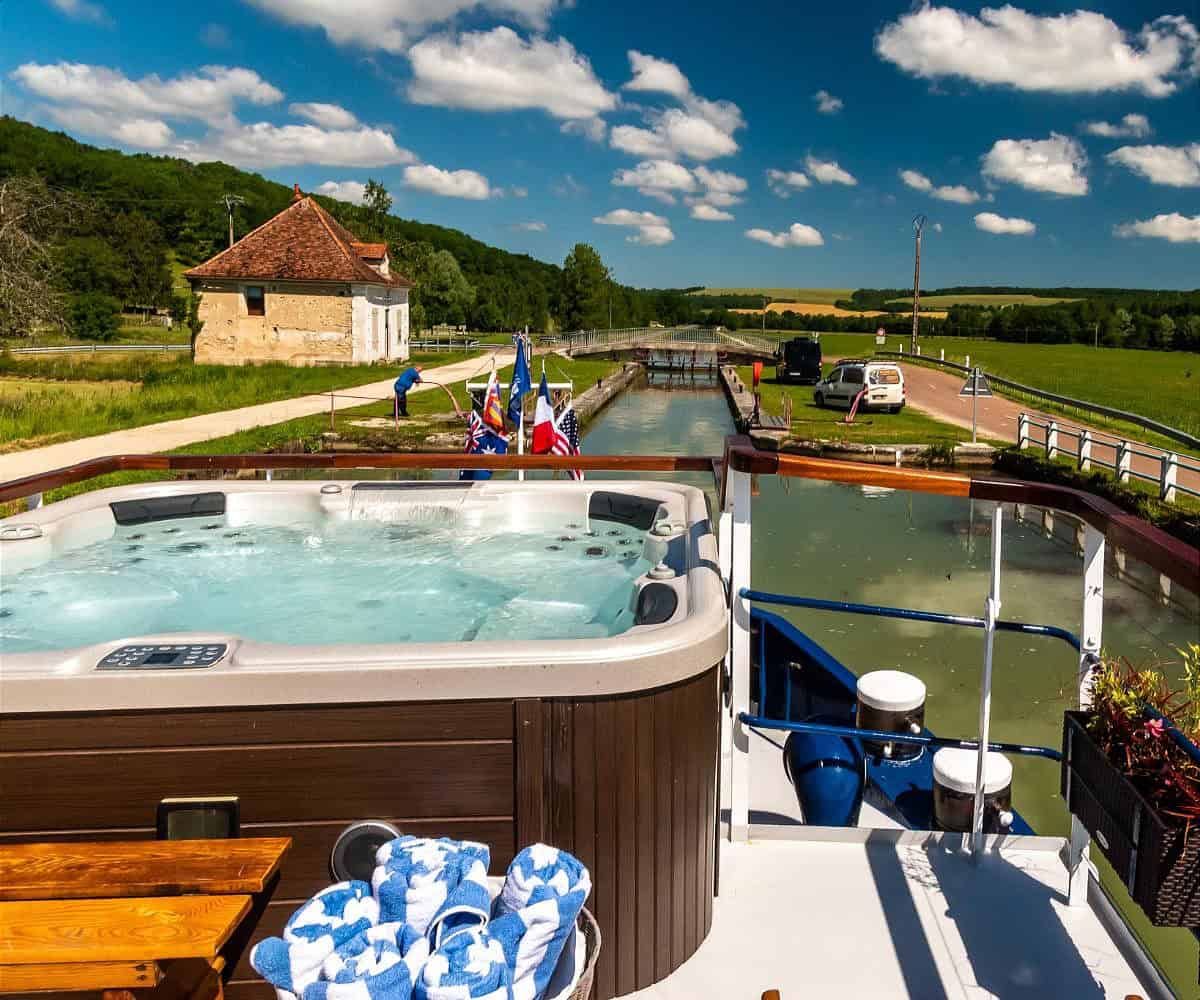
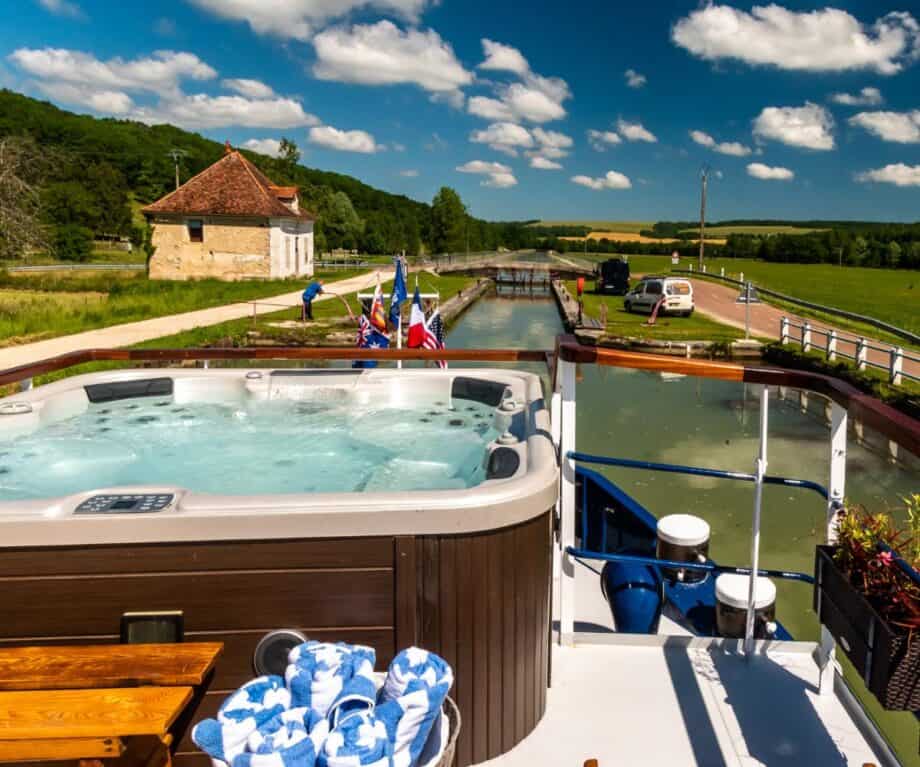
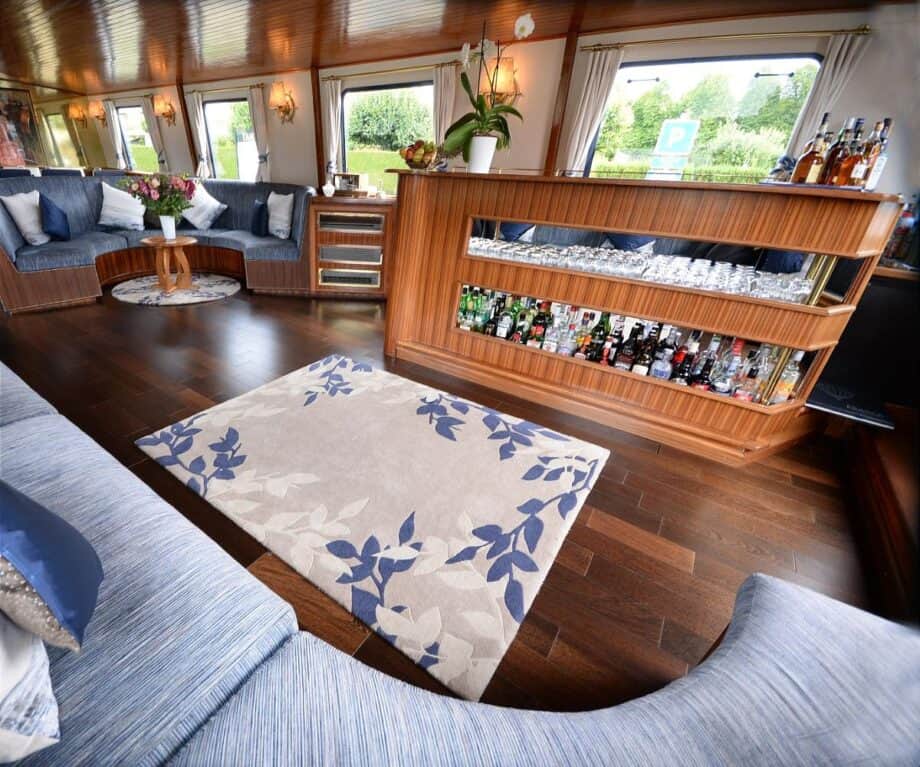
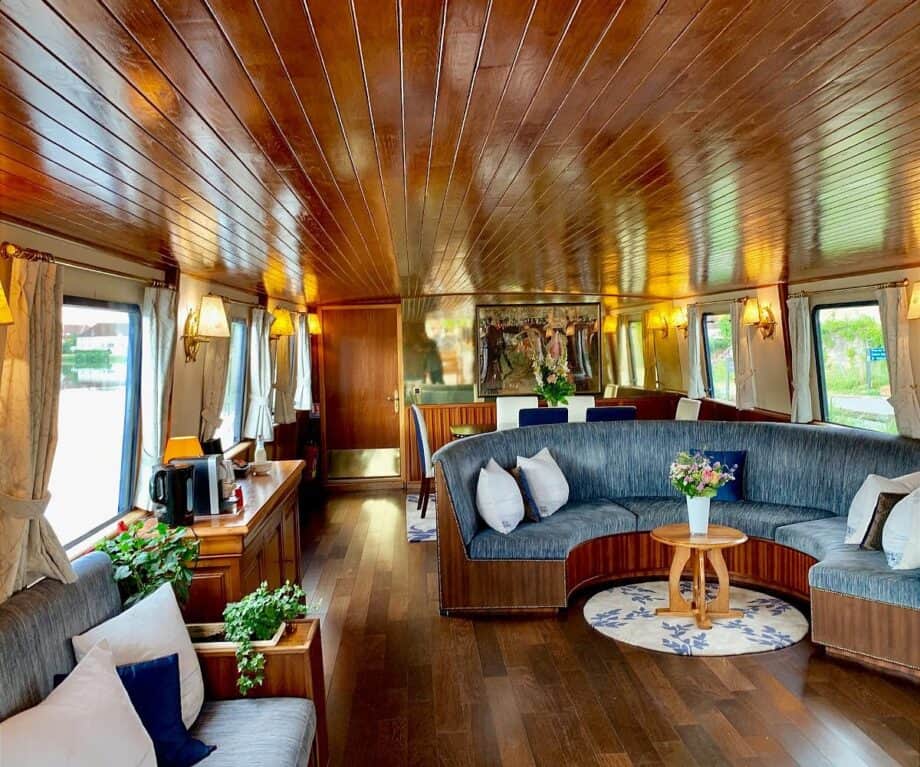
As the barge resumes its journey, passengers can choose to relax in the deck-mounted hot tub, read in the wood-paneled lounge, or stroll along the canal towpath alongside the vessel. The route winds past lockkeepers’ whitewashed cottages, rolling pastures grazed by Charolais cattle, and medieval stone bridges. Wildlife—including herons, kingfishers, and egrets—frequently populates the reed beds, underscoring the untouched natural beauty of the region.
Excursions into History and Viticulture
Afternoons are dedicated to privately guided excursions away from the canal. Unlike large-group bus tours, European Waterways leverages long-standing local relationships to grant guests behind-the-scenes access to private estates, family-owned vineyards, and UNESCO World Heritage sites.
Key highlights of the itinerary include:
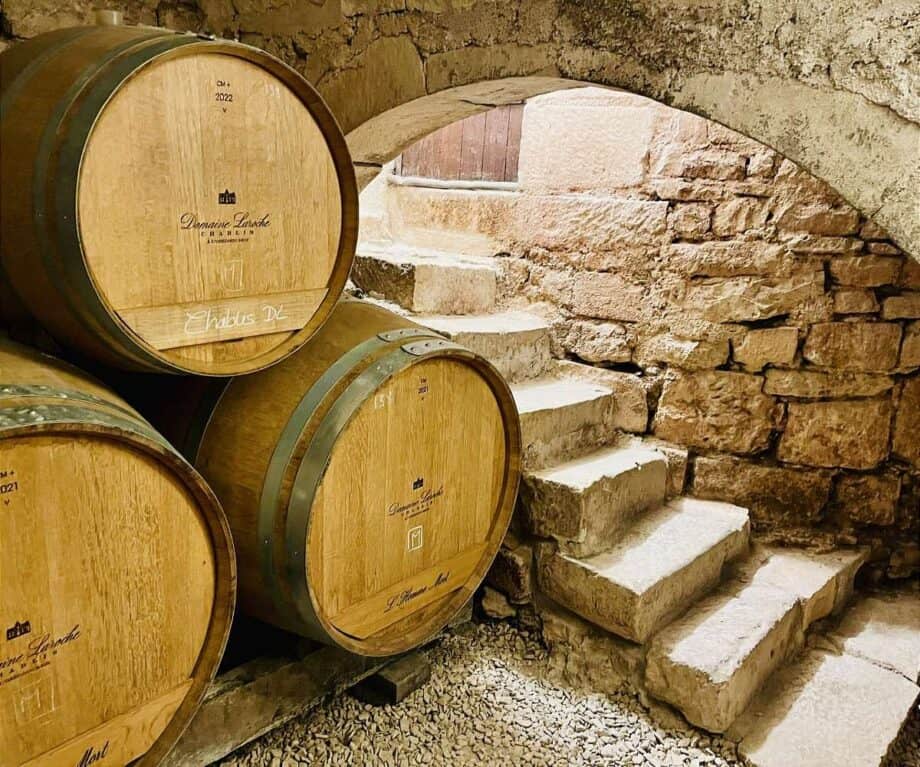
- Chablis: A deep dive into the world-renowned wine region, featuring tours of centuries-old cellars and tastings that illustrate the impact of Kimmeridgian soil on Chardonnay production.
- Château d’Ancy-le-Franc: An architectural masterpiece of the French Renaissance, showcasing magnificent frescoes and period furnishings that reflect 16th-century royal ambitions.
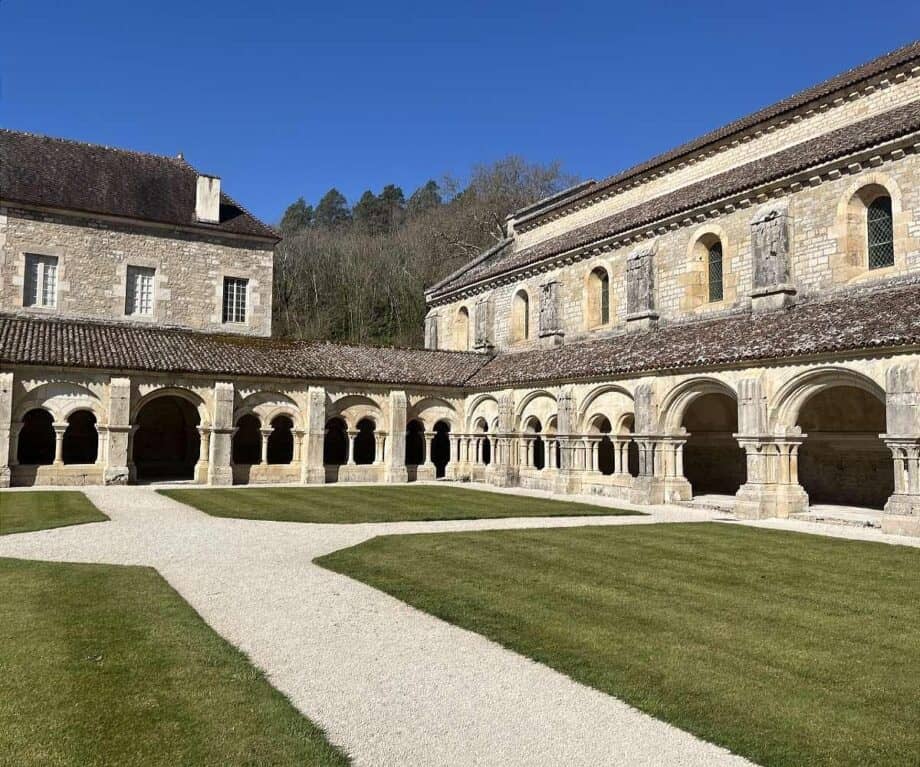
- Abbaye de Fontenay: A strikingly preserved Cistercian monastery founded in 1118, offering an atmosphere of profound tranquility and austere medieval architecture.
- Château de Baron Charles de Taisne: An exclusive visit to a private family estate in the Champagne region, where guests learn about traditional blending techniques before enjoying a bespoke lunch hosted by the family.
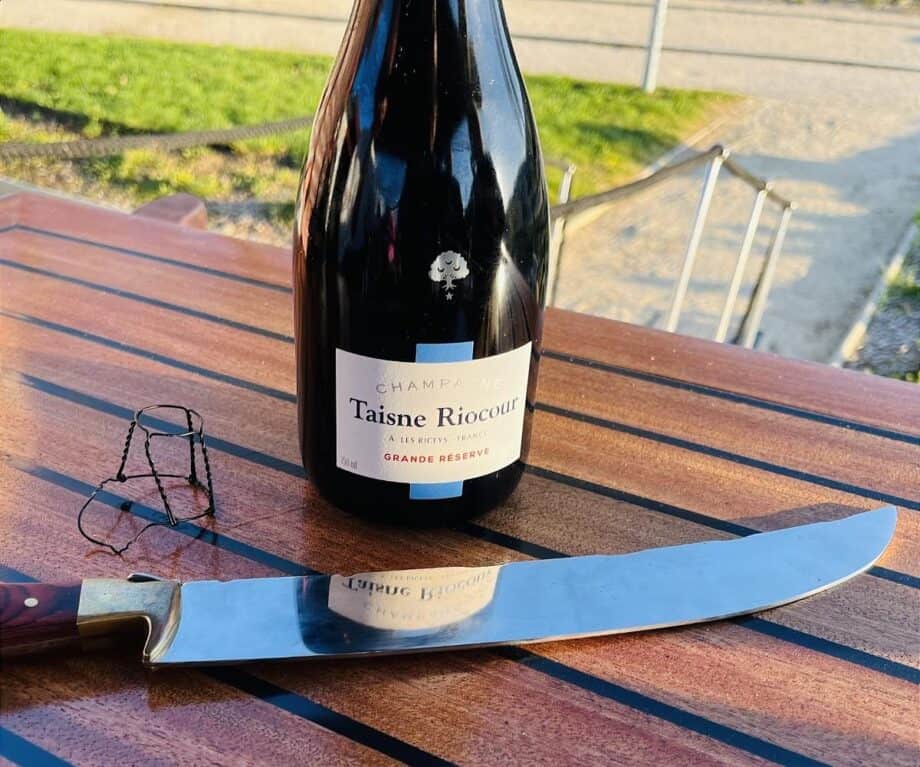
The cruise culminates in the Captain’s Dinner, a formal evening marked by the theatrical tradition of sabring a bottle of champagne, followed by a celebratory multi-course feast celebrating the friendships forged along the canal.
Supporting Context & Metrics
To fully appreciate the appeal of La Belle Epoque, it is necessary to examine the specifications, demographics, and economic framework that govern luxury hotel barging in Europe.
Vessel Specifications and Amenities
Originally constructed in 1930 as a commercial log barge, the vessel underwent a comprehensive transformation to meet modern luxury standards while preserving its nautical heritage.
- Passenger Capacity: Maximum of 12 guests, ensuring an intimate and uncrowded environment.
- Accommodation: Six spacious en-suite cabins equipped with modern climate control, plush bedding, and contemporary bathroom fixtures.
- Public Spaces: A bright, wood-paneled salon and dining room, a fully stocked open bar, a sun deck with comfortable loungers, and an outdoor hot tub.
- Crew-to-Guest Ratio: A dedicated crew of professional hospitality staff, including a captain, tour guide, master chef, and attentive hostesses, ensuring a personalized level of service.
Historical Provenance
Beyond its luxurious modern refit, La Belle Epoque carries a remarkable historical legacy. During the Second World War, the barge reportedly served as a clandestine transport vessel within the French Resistance network, assisting in the rescue and evacuation of downed Allied airmen. This layer of wartime history imbues the vessel with a distinct sense of character that sets it apart from newly manufactured river cruise ships.
Pricing and Inclusions
For the 2026 season, individual bookings for a six-night cruise aboard La Belle Epoque start at £5,190 per person (based on double occupancy in a shared cabin).
The all-inclusive pricing structure covers:
- Accommodation in an en-suite cabin for six nights.
- All gourmet breakfasts, lunches, and multi-course dinners.
- Fine wines paired with every lunch and dinner, including Premier and Grand Cru selections.
- An open bar available 24/7.
- Daily guided excursions, private estate visits, and all entrance fees.
- Air-conditioned chauffeured minibus transfers at the start and end of the cruise itinerary.
- Full barge charter options for families, corporate retreats, or private groups seeking exclusive use of the vessel and customizable itineraries.
Official Statements and Industry Perspective
The growing demand for slow travel and experiential tourism has placed European Waterways at the forefront of the luxury niche market. Industry observers note that travelers are increasingly shifting away from checklist tourism in favor of deep cultural immersion.
Michael Edwards, an experienced travel journalist and commentator, notes the distinct nature of the experience: "There are luxury holidays, and then there are journeys that truly immerse you in the culture, cuisine and character of a destination. A cruise aboard La Belle Epoque firmly belongs in the latter category."
European Waterways emphasizes that the success of its operations relies heavily on human connection. By employing local crew members, partnering with generational winemakers, and maintaining small passenger manifests, the company ensures that guests do not feel like tourists observing a culture from behind a glass window, but rather like honored guests participating in the daily life of rural France.
Future Outlook: The Evolution of Luxury Barging
As the global travel landscape continues to evolve through 2026 and beyond, the sector of luxury hotel barging is positioned for steady growth. Modern affluent travelers are placing a higher premium on privacy, sustainability, and authenticity—values that are inherently baked into the hotel barge model.
Sustainability and Slow Mobility
Unlike mass-market cruise ships, which face growing scrutiny regarding their environmental footprint and contribution to overtourism in fragile historic ports, hotel barges represent a form of low-impact travel. Operating on historic canals originally built for freight transport, vessels like La Belle Epoque consume minimal fuel relative to their passenger capacity. Furthermore, by distributing tourist spending directly to rural artisans, local bakers, boutique winemakers, and regional châteaux, the cruise model actively supports the economic vitality of rural communities that might otherwise be bypassed by modern infrastructure.
Expansion of Private Charters
Industry trends indicate an accelerating demand for full-vessel buyouts. Multi-generational families, milestone celebration groups, and corporate executive teams are increasingly opting to charter entire barges rather than book individual cabins. This trend allows operators like European Waterways to tailor itineraries around specific thematic interests—such as advanced wine masterclasses, culinary workshops, cycling tours, or historical explorations—ensuring that the product remains highly adaptable to changing consumer desires.
Broadening Horizons
While Burgundy remains the crown jewel of French barging, the broader success of La Belle Epoque has paved the way for expanded operations across a diverse network of waterways. European Waterways currently maintains a fleet traversing historic canals in Scotland, England, Ireland, Italy, Belgium, and the Netherlands. Each destination applies the same operational philosophy: small ships, slow pacing, exceptional gastronomy, and uncompromising personal service.
The Final Verdict
For travelers seeking an alternative to the uniformity of large-scale river cruising, La Belle Epoque offers a compelling proposition. By combining the heritage of a historic vessel with contemporary luxury, unhurried navigation, and unmatched culinary access, it delivers a masterclass in slow travel. As the tourism industry looks toward a more mindful and sustainable future, journeys along the quiet canals of Burgundy prove that sometimes, traveling at five kilometers per hour is the fastest way to truly understand a destination.