







Published August 7, 2026
By Jen Murphy
For decades, the standard business model of North American ski resorts was clear-cut: dazzle winter visitors with high-speed, heated chairlifts, heavily groomed trails, and booming après-ski nightlife, then shutter operations or slow to a crawl the moment the spring snowpack melted. For summer travelers, mountain villages were often little more than pass-through waypoints on the drive to remote wilderness trailheads and national park campsites.
That paradigm is undergoing a fundamental structural shift. Driven by increasingly unpredictable, shorter snow seasons and a surging demand for warm-weather mountain recreation, resorts across the United States and Canada are aggressively evolving. No longer content to treat the green months as an “off-season,” major mountain operators are injecting millions of dollars into infrastructure, hospitality, and creative programming.
From cutting-edge mountain bike trails and glass-and-steel summit observatories to high-end boutique hotels, astrotourism hubs, and even weed-eating “goat crews,” North American ski resorts are successfully reinventing themselves as thriving, year-round adventure destinations.
Detailed Chronology: The Evolution of Summer Mountain Tourism
The transition from seasonal winter playgrounds to robust year-round eco-systems did not happen overnight. It has been a progressive adaptation accelerated by environmental pressures and changing consumer habits.
- The Early 2010s — The Foundation: Resorts began experimenting with basic summer operations, primarily relying on scenic chairlift rides, standard hiking paths, and rudimentary downhill mountain biking tracks to capture a slice of the family vacation market.
- The Late 2010s — Infrastructure Investment: Recognizing that scenic views alone were no longer enough, early-adopter resorts began installing multi-million-dollar summer attractions, including alpine coasters, zip lines, and initial via ferrata climbing routes.
- The Early 2020s — Climate Realities and Early Closures: Successive years of volatile winter weather—culminating in seasons where more than 50 western ski resorts closed early due to depleted snowpacks—forced operators to accelerate summer rollout schedules to protect their bottom lines.
- The 2026 Shift — Full-Scale Diversification: Summer 2026 has marked a watershed moment. Resorts are no longer just opening early; they are debuting sophisticated culinary programs, luxury lodging, international DarkSky certifications, and specialized endurance events that rival their winter offerings in scale, prestige, and economic impact.
Supporting Context & Metrics: Regional Spotlights and Innovations
Colorado’s Front Range and High Country
Colorado has long served as a bellwether for the ski industry. On the state’s Front Range and surrounding ranges, summer 2026 has shattered previous expectations.
At Keystone Resort, historically treated as a rapid day-trip destination even during peak winter months, the debut of the full-service Kindred hotel this May has completely redefined the base area. Steps from the River Run Gondola, Kindred anchors a new wave of summer programming, including silent morning nature walks, astronomy nights hosted by the Keystone Science School, and culinary workshops.
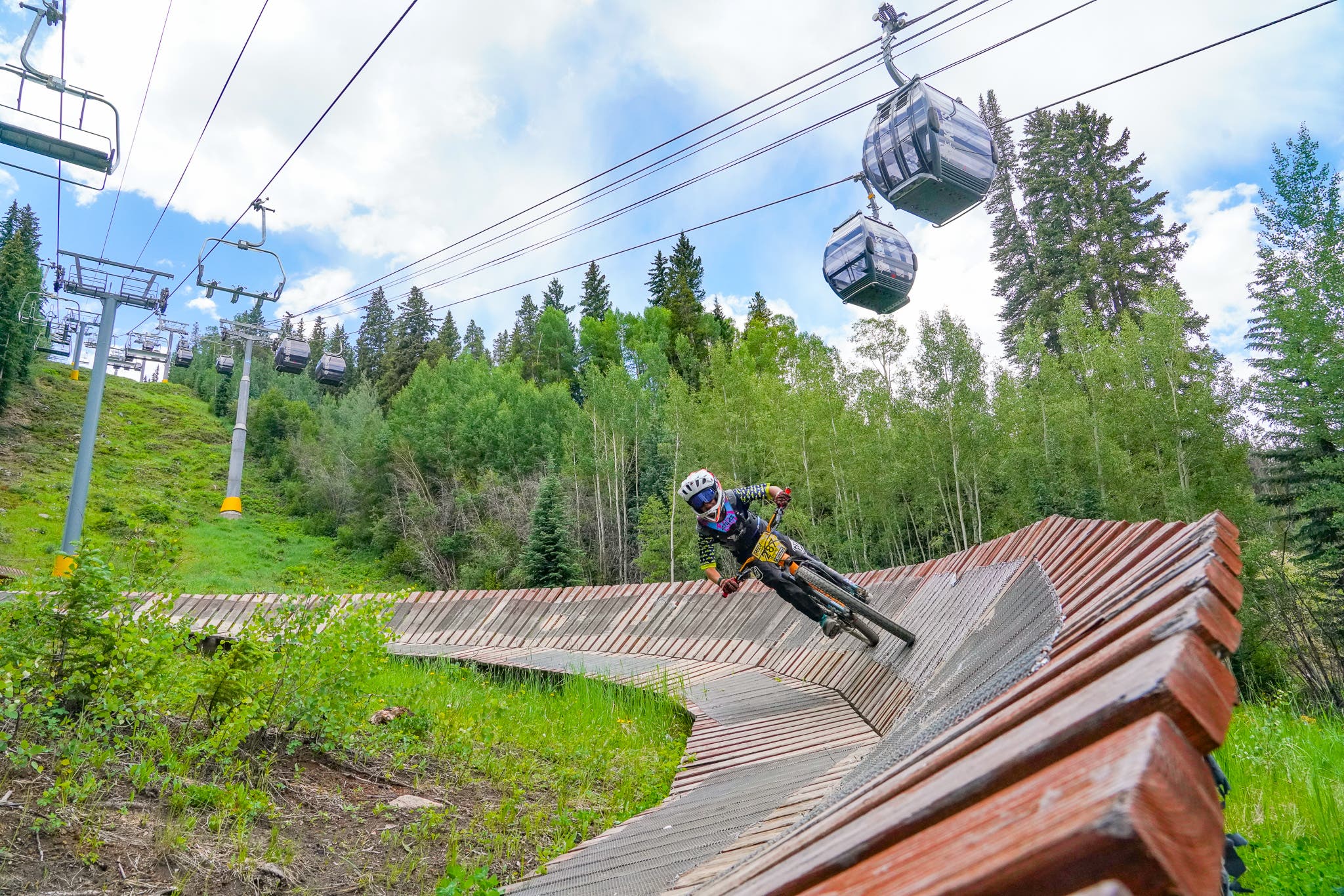
Keystone also completed the WD-40 trail at the Keystone Bike Park—its first new mountain biking path in nearly a decade. Constructed with reclaimed wood from Bergman Bowl snow fencing, the cruisy blue trail allows riders to bypass easier green terrain and access the technical switchbacks of the Mosquito Coast trail. Paired with free Thursday evening gondola rides, barbecues, and concerts (the "Summer Afternoon Club"), plus the annual Wine and Jazz Festival, Keystone is retaining visitors for multi-night stays.
Just 67 miles away, Winter Park Resort responded to poor early-season snow conditions by opening its Trestle Bike Park by Memorial Day weekend—weeks ahead of its historical schedule. Winter Park also introduced a family-friendly 2.4-mile Alpine Fairy Trail and an upgraded 3,000-foot alpine slide.
Further west, Vail rolled out curated high-alpine Jeep tours culminating in chef-led mountaintop picnics, alongside guided cycling adventures paired with sound baths and yoga. Meanwhile, Steamboat Resort has introduced Friday night comedy shows at 9,000 feet in Thunderhead Lodge, Saturday night outdoor movies, and Sunday lawn yoga, while preparing to host an endurance-testing 29029 "Everesting" event this August.
Big Sky’s Architectural Marvel in Montana
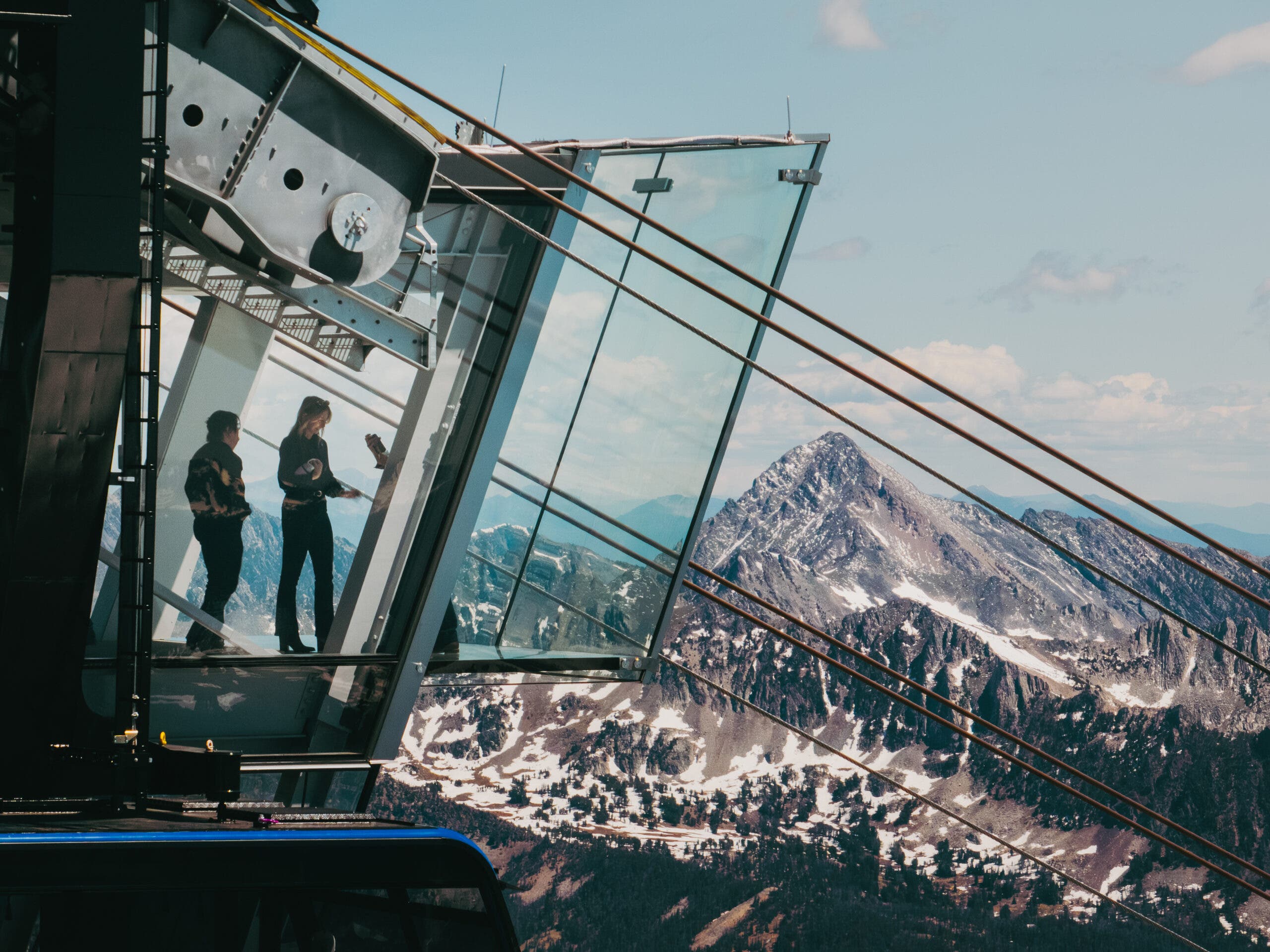
In Montana, Big Sky Resort has elevated high-alpine accessibility to literal new heights with the summer 2026 debut of Kircliff. This futuristic, steel-and-glass observation deck sits at the 11,166-foot summit of Lone Peak.
Thanks to the newly integrated Explorer gondola and the high-speed Lone Peak tram—which climbs 2,000 vertical feet in just four minutes—visitors, including wheelchair users, can easily reach Montana’s highest scenic overlook. On clear days, the vantage point offers sweeping views of more than ten mountain ranges across Montana, Idaho, and Wyoming, with Yellowstone and Grand Teton National Parks visible on the horizon. The infrastructure upgrades simultaneously unlock access to the resort’s expanding network of over 50 miles of mountain bike trails.
Aspen Snowmass and Idaho Escapes
In Aspen, mountain operations are stepping out from behind their traditional role as a scenic backdrop for cultural events like the Food and Wine Classic. Aspen Snowmass doubled its bike-haul capacity on the new Elk Camp Chair at Snowmass, expanded access to the Lost Forest adventure park, and hosted wellness events with the global morning dance community Daybreaker alongside high-end Sunday brunches on the mountain.
Across the state line in Idaho, Tamarack Resort has leaned into its lakeside positioning by unveiling a 100-slip public marina on Lake Cascade. Featuring paddleboard and kayak rentals, rentable private beach cabanas, and a waterfront Hawaiian food truck, the resort offers an authentic tropical coastal vibe deep within the Rocky Mountains.
East Coast Thrills: Vermont and Pennsylvania
The transformation is equally pronounced on the East Coast. Killington Resort in Vermont poured $215,000 into its summer adventure center—representing one of its largest capital expenditures for the warm-weather season in a decade. New additions include a 24-foot climbing wall, a multi-story webbed climbing tower, and bungee-assisted trampolines, complementing its existing 4,800-foot alpine coaster and the 30-mph Soaring Eagle zipline.
In Pennsylvania’s Pocono Mountains, Camelback Resort shifts its identity entirely during the summer months into Camelbeach, the state’s largest outdoor waterpark. Featuring 39 waterslides, a lazy river, and a wave pool, the park extended its reach in 2026 by hosting adults-only Saturday night beach club events complete with live DJs.
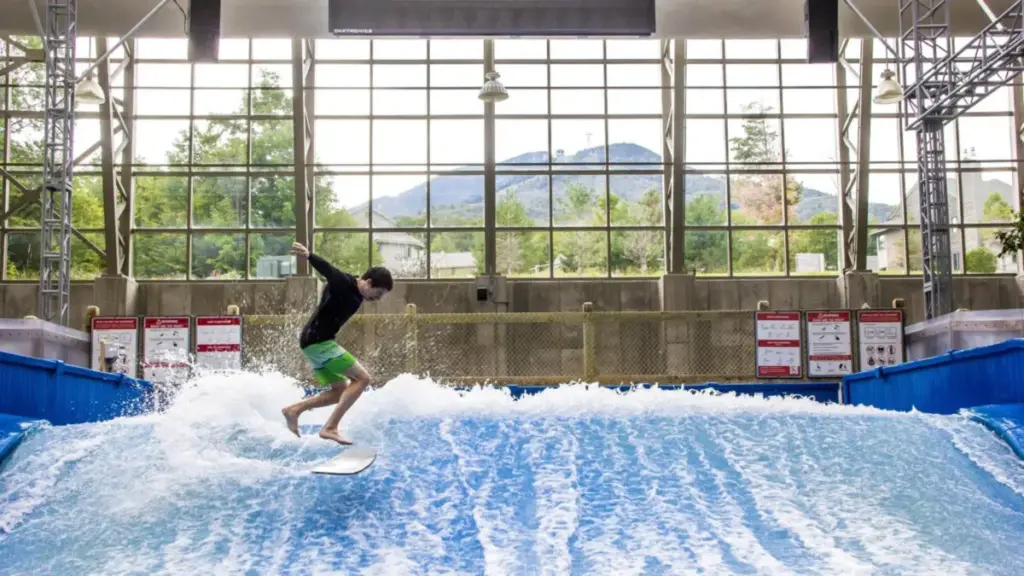
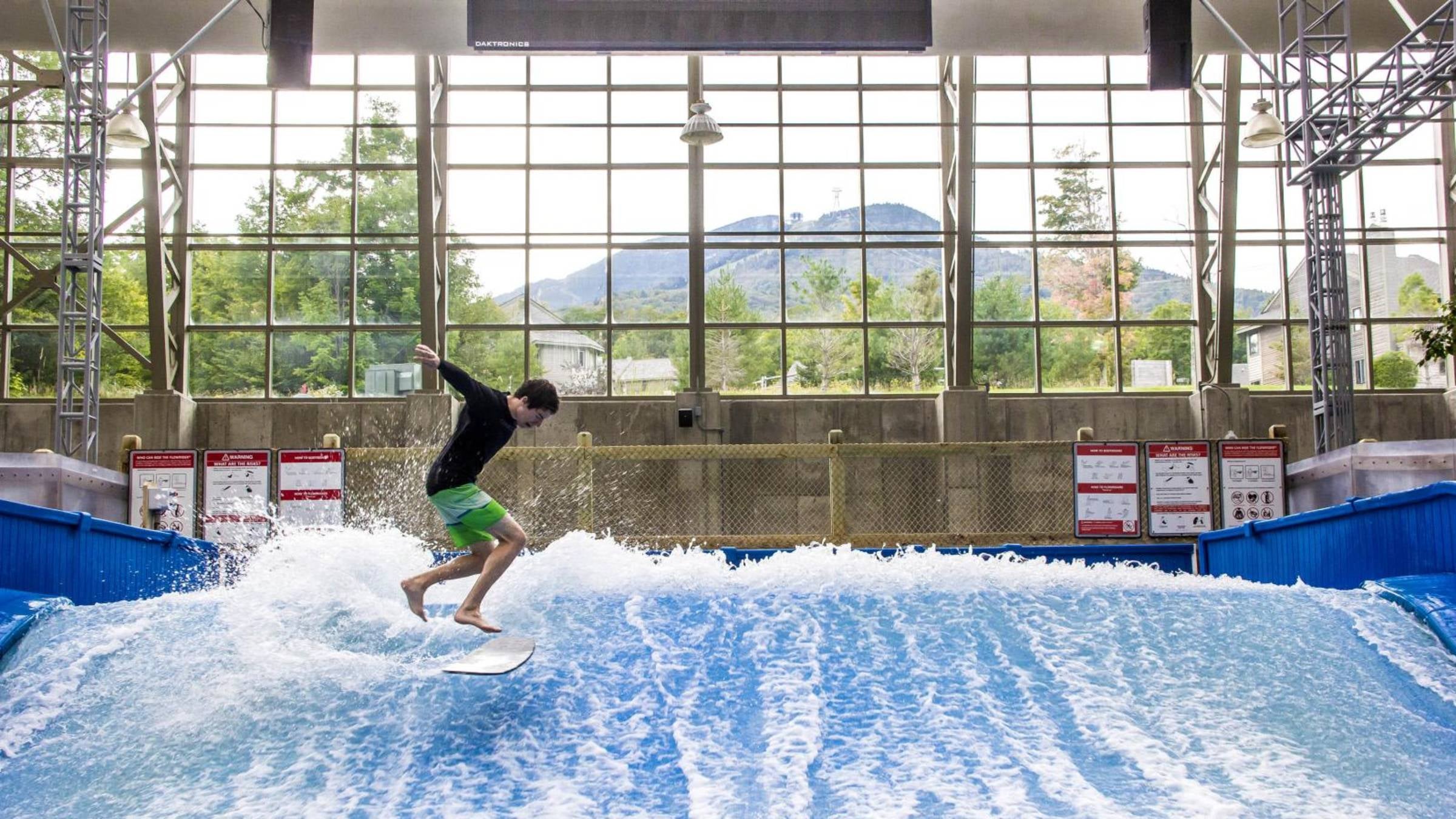
Vermont’s Jay Peak has leaned heavily into culinary programming, golf, and its indoor waterpark—highlighted by a summer surf series taught by top-ranked U.S. FlowRider athlete Monica Caffrey. Most notably, Jay Peak introduced the Chew Crew, a herd of Vermont-raised goats and sheep tasked with natural trail maintenance through "goatscaping." The animals have unexpectedly evolved into one of the resort’s premier tourist attractions.
Astrotourism and New Frontiers in Idaho and Wyoming
As summer evenings cool, astrotourism is proving to be a major economic driver. Sun Valley Resort in Idaho recently achieved an international DarkSky certification, marking a historic milestone for U.S. mountain resort lodging. Similarly, Snow King Mountain in Jackson, Wyoming, invested in the nation’s only mountaintop observatory and planetarium, supported by the recent arrival of the adventure-focused boutique hotel brand Trailborn at its base.
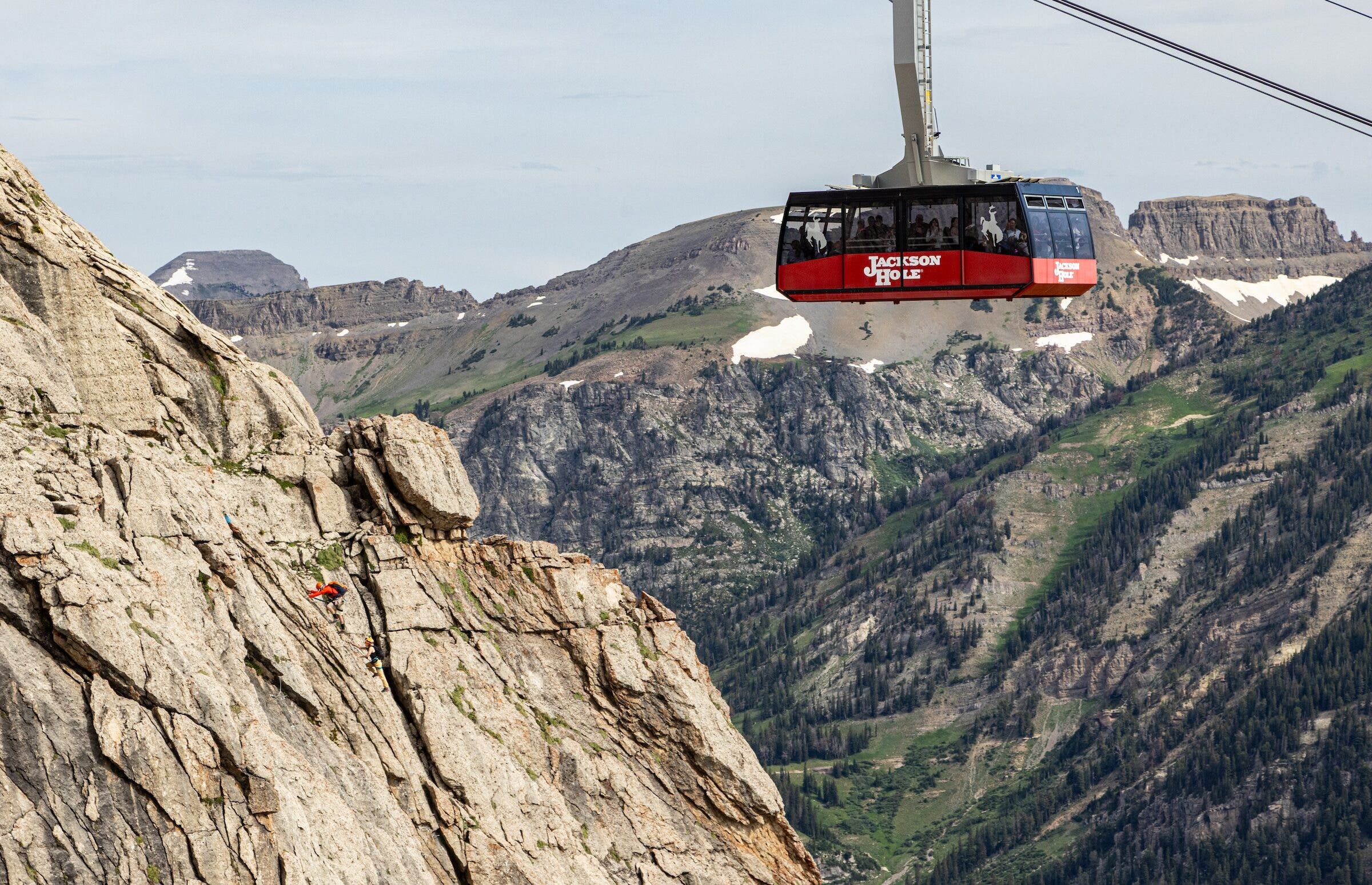
Just down the road at Jackson Hole Mountain Resort, officials have introduced a free shuttle connecting Town Square and Teton Village to alleviate traffic and drive visitors to the resort’s summer offerings. These include the rigorous Corbet’s Couloir via ferrata—scaling one of North America’s most infamous ski runs—and the culinary scene anchored by Sure Hand, the restaurant inside the newly opened Faraway hotel.
Official Statements
Industry leaders emphasize that the diversification of mountain operations is no longer an experimental luxury, but an operational necessity.
"For mountain resorts, summer isn’t simply the off-season anymore. It’s become an opportunity to introduce new audiences to the mountain in ways they may never have considered. Whether that’s live music, surfing, goats on ski trails, or simply spending an evening outdoors over dinner, every experience helps build a year-round relationship with the resort while easing the concentration of visitors in traditional tourism areas."
— Steve Wright, President and General Manager, Jay Peak Resort"Summer is an increasingly important part of our business, and we’re investing in it accordingly."
— Susan Cross, Vice President of Mountain Operations, Aspen Snowmass"Investments like these enhance the guest experience and reinforce that there’s plenty of fun to be had here long after the snow melts each spring."
— Josh Reed, Spokesperson, Killington Resort
Future Outlook
As the climate patterns of North America continue to shift and outdoor enthusiasts demand continuous access to recreational spaces, the traditional seasonal boundary of the ski resort is effectively obsolete.
With six weeks of official summer remaining in 2026 and vibrant fall foliage seasons on the immediate horizon, mountain operators are well-positioned to maintain high occupancy rates year-round. Upcoming premier alpine events, such as the Big Sky Food & Wine Festival and the Whistler Village Beer Festival, underscore a permanent cultural shift: the modern mountain resort is no longer just a place to ski; it is a dynamic, 365-day alpine ecosystem.