









By Luke Diaz
Published: August 25, 2026
Executive Overview
For decades, the final moments before stepping onto a commercial aircraft have been characterized by a distinct brand of travel anxiety. Passengers clutch rolling suitcases, eyeing gate agents with apprehension while sizing up metal drop-in frames—commonly known as bag sizers—dreading the dreaded words: "Your bag won’t fit; it has to be checked."
For American Airlines, this tense pre-boarding ritual is officially a thing of the past.
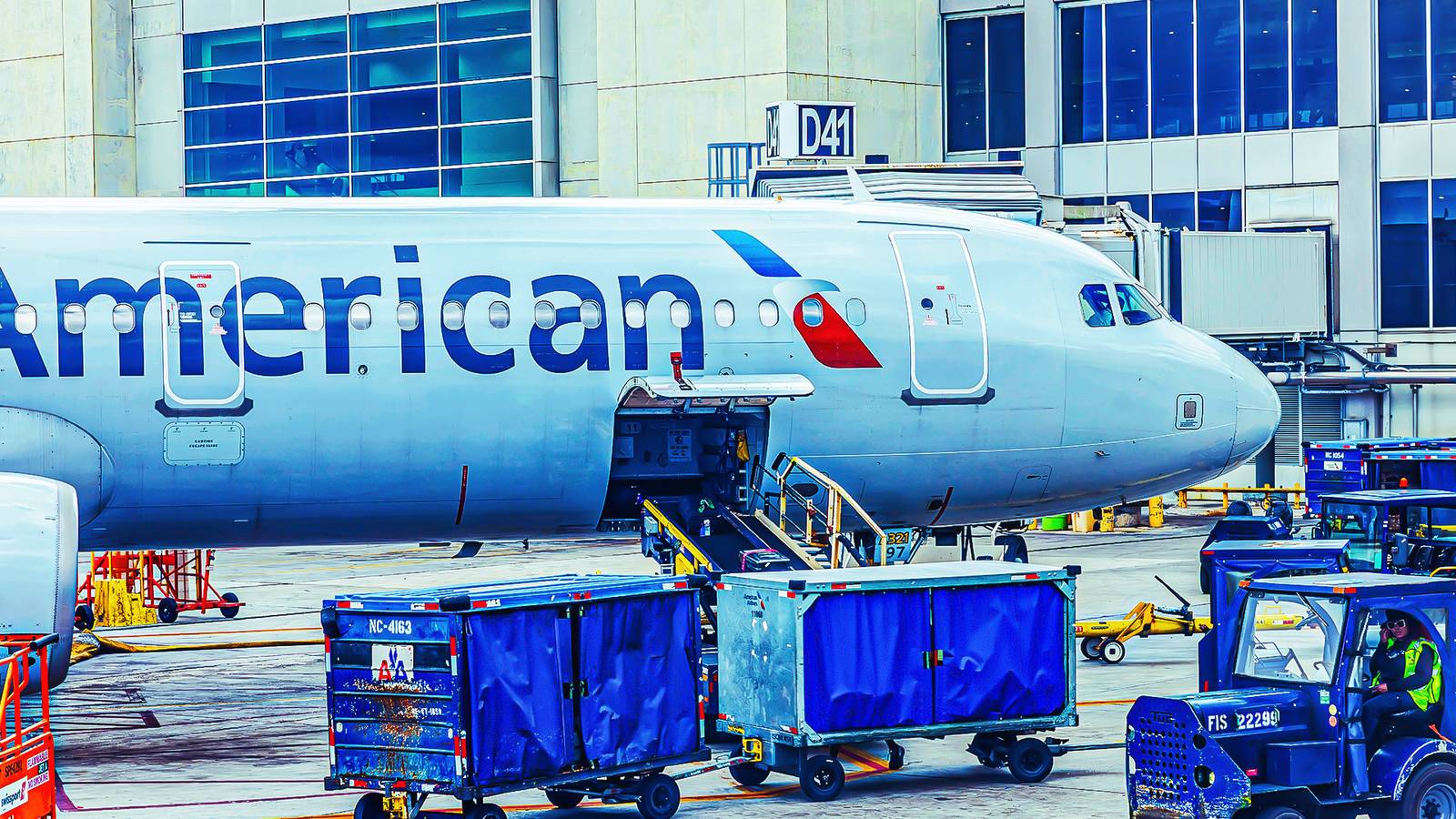
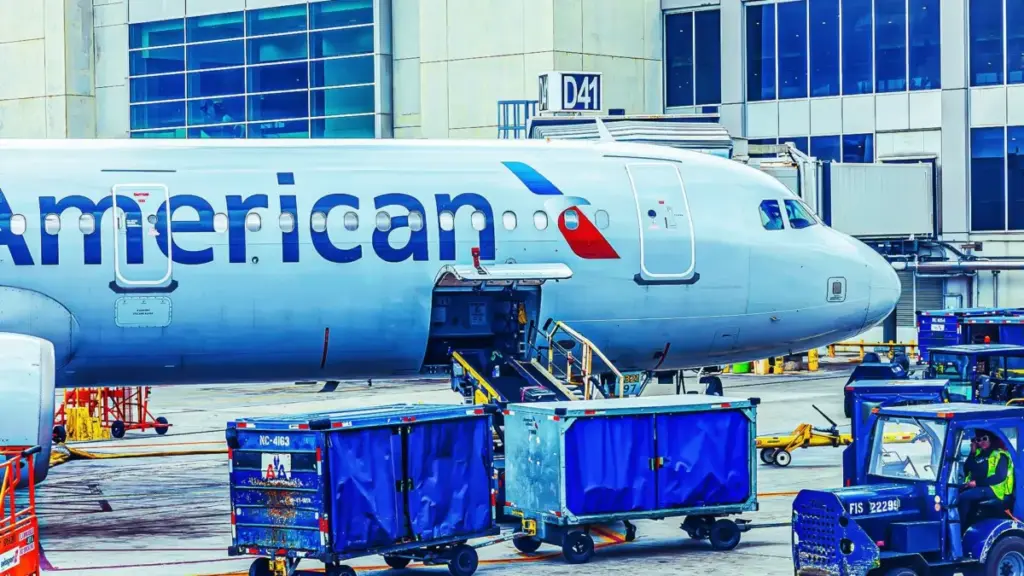
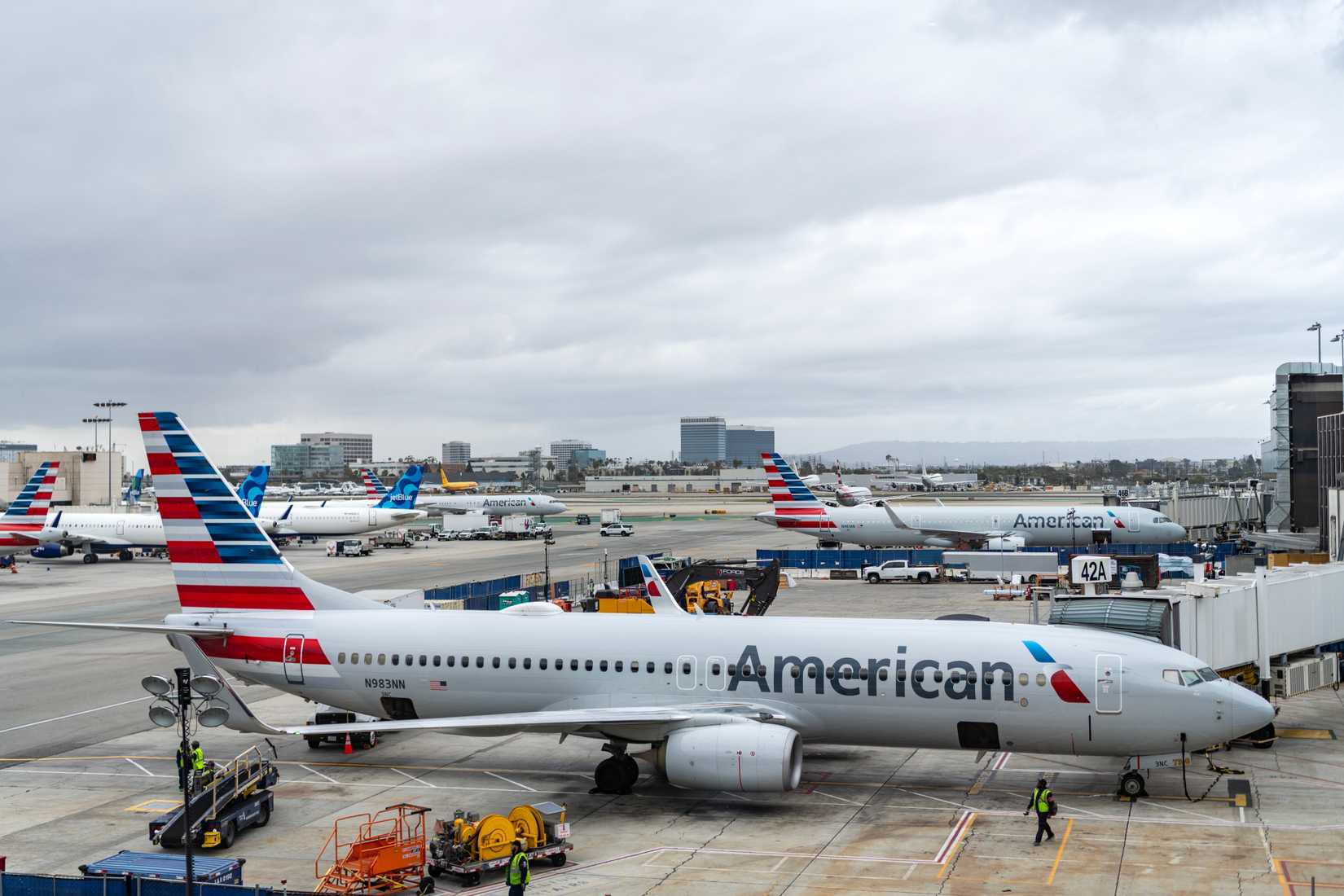
Following a strategic policy shift introduced late last year, American Airlines has begun systematically eliminating its physical carry-on size-checking stations from airport boarding gates. While the airline’s official baggage dimensions remain strictly unchanged—22 x 14 x 9 inches (56 x 36 x 23 cm) for standard carry-ons and 18 x 14 x 8 inches (45 x 35 x 20 cm) for personal items—the enforcement mechanism has undergone a radical transformation.
Instead of relying on rigid, physical measurements at the threshold of the jet bridge, American is placing its trust in human judgment. Gate agents and cabin crews are now empowered to use visual assessments and professional discretion, instructed to "err on the side of the customer" when evaluating borderline luggage.
The move is designed to solve a multi-billion-dollar aviation problem: gate bottlenecks. By removing physical obstructions and reducing confrontational interactions, American hopes to streamline the boarding process, boost its on-time departure metrics, and chip away at a stubborn public reputation for poor customer service. But as the airline transitions toward a more flexible, visual-assessment model, industry observers are left asking whether a simplified boarding process can truly heal deeper, systemic operational wounds.

Detailed Chronology: The Evolution of the Boarding Process
To understand the significance of American Airlines’ recent shift, one must examine how airport boarding procedures evolved into the high-stress environments travelers encounter today.
The Era of the Mechanical Sizer
For years, major carriers relied on physical metal sizers positioned directly at the gate podiums. The logic seemed sound on paper: provide a physical template to eliminate arguments. If a bag slid into the frame effortlessly, it was cleared for the cabin. If it stuck, it was flagged for gate-checking.
In practice, however, these stations became major operational bottlenecks. Passengers uncertain about their luggage dimensions would routinely stop at the mouth of the jet bridge to test their bags, freezing the line behind them. Impromptu packing realignments—shuffling laptops, heavy coats, and souvenirs between bags—further ground the boarding queue to a halt.

Compounding the logistical delay was the human cost. Publicly forcing a traveler to jam an oversized bag into a metal frame often sparked friction between stressed passengers and overworked gate agents. These interactions frequently escalated into embarrassing, public arguments, casting a pall over the start of the journey.
The Shift Toward Visual Discretion
Recognizing that these physical chokepoints directly harmed on-time performance, American Airlines quietly initiated a pilot policy change, followed by the complete removal of gate-area sizers.
Under the updated framework:

- Physical sizers remain in the main terminal lobbies and check-in areas, encouraging passengers to verify bag dimensions before clearing security rather than at the final boarding minute.
- Gate agents utilize visual assessments, relying on training and situational awareness to spot genuinely oversized bags rather than policing every millimeter of clearance.
- Discretion favors the flyer, with explicit guidance for staff to give the benefit of the doubt on borderline items, minimizing conflict and keeping the queue moving.
This mirrors a broader industry trajectory. Years ago, United Airlines made a parallel choice to prioritize gate flow over rigid enforcement, steering the wider aviation sector away from pedantic baggage counting and toward common-sense visual management.
Supporting Context & Metrics: The Cost of Delays and Customer Perception
American Airlines’ policy overhaul does not happen in a vacuum. It represents a calculated effort to tackle financial leakages and long-standing public relations challenges.
The Economic Toll of Gate Delays
In commercial aviation, time is quite literally currency. Every minute an aircraft sits idle at the gate beyond its scheduled departure time incurs cascading costs, from burning premium fuel reserves to triggering missed connecting flights for passengers and disrupting downstream crew schedules.
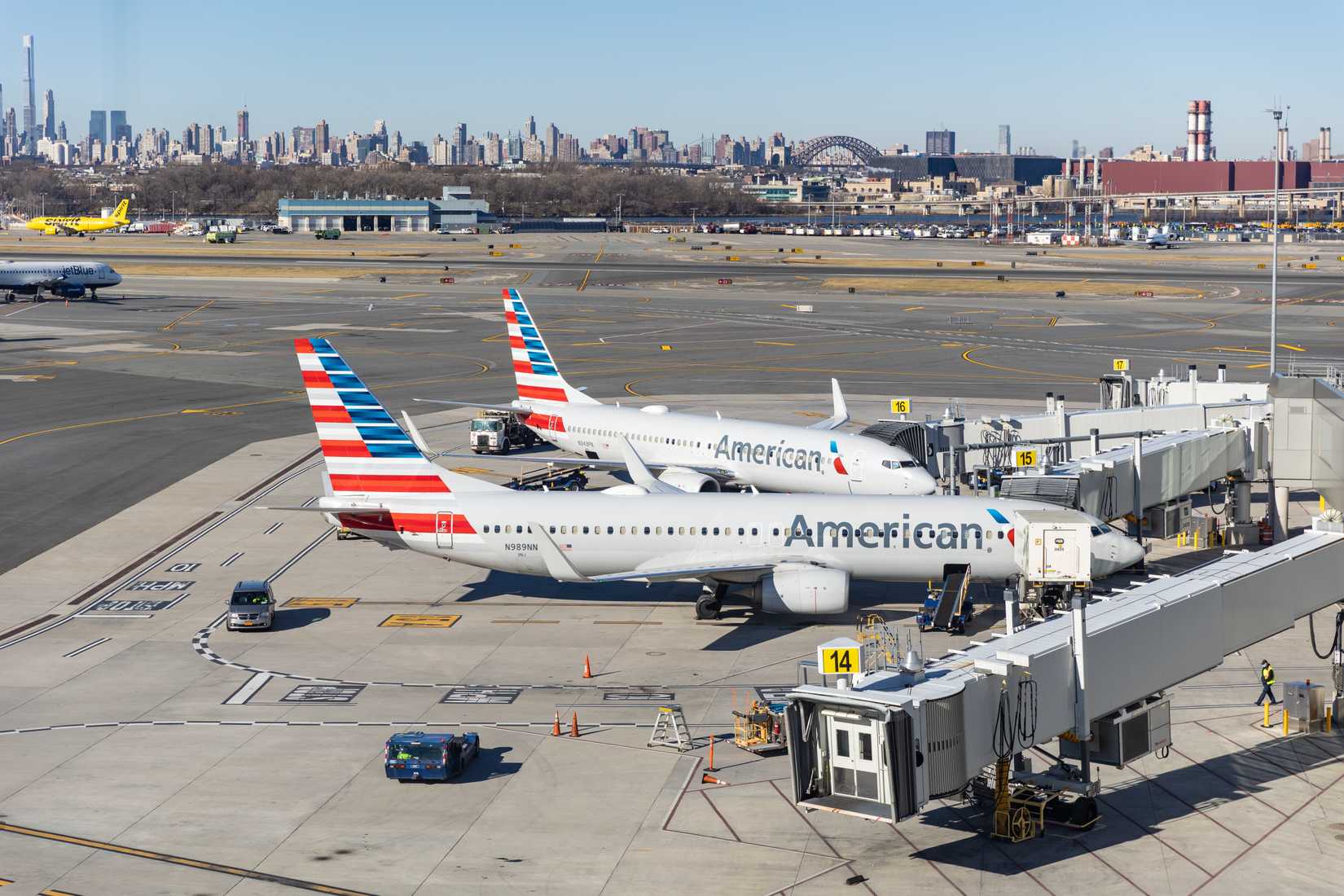
When a boarding queue backs up because a passenger is arguing with an agent over a bulky roller bag, the entire operation suffers. By eliminating physical sizers and empowering agents to make fast, pragmatic decisions, American aims to shave crucial minutes off its turnaround times. Quicker boarding directly translates to higher on-time performance (OTP)—a vital metric that influences both operational expenses and airline rankings.
Navigating Public Perception
For over a decade—particularly following its 2013 merger with US Airways—American Airlines has struggled with public perception. Government reports, industry studies, and frequent flyer forums often place American near the bottom of major US carriers regarding operational consistency, cancellation rates, and customer service satisfaction.
Flyers have long voiced frustrations over a perceived corporate culture that prioritizes cost-cutting and efficiency over passenger comfort. Frontline employees, from gate agents to phone representatives, have occasionally been characterized in customer reviews as unapproachable or rigid.
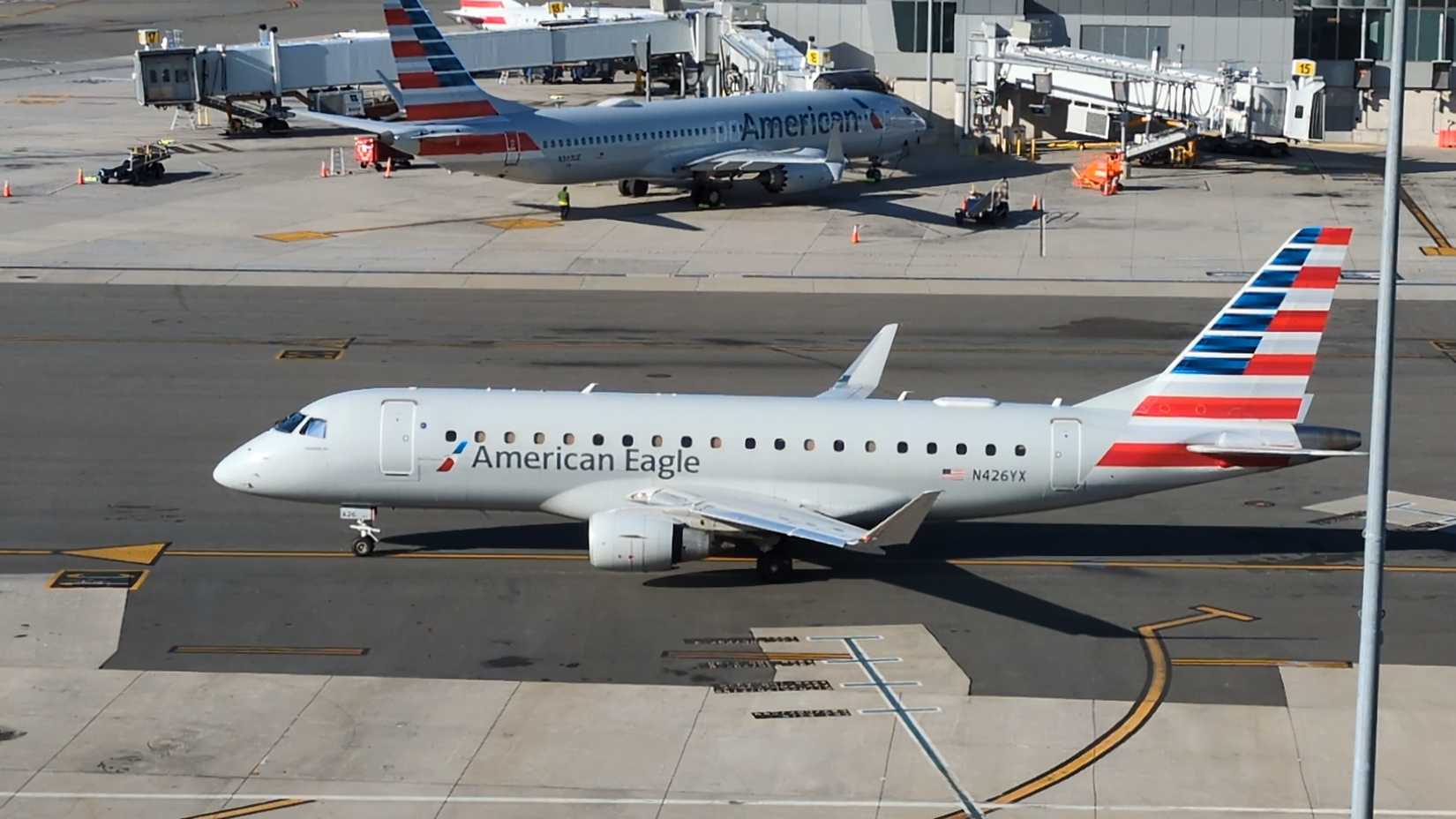
By instructing gate staff to "err on the side of the customer," American is making a visible, psychological pivot. Replacing an adversarial, rule-bound checkpoint with a collaborative, empathetic approach is a direct attempt to heal daily friction points between employees and passengers.
Official Guidelines & Luggage Specifications
While the enforcement process has changed, American Airlines’ official baggage parameters remain firm. Travelers must still adhere to established limits to avoid unexpected fees or gate-checking requirements.
Carry-On vs. Personal Item Limits
- Carry-on Bag: Maximum dimensions of 22 x 14 x 9 inches (56 x 36 x 23 cm), inclusive of handles and wheels. This bag must fit securely within the overhead bin.
- Personal Item: Maximum dimensions of 18 x 14 x 8 inches (45 x 35 x 20 cm). This must fit entirely underneath the seat directly in front of you (purses, small backpacks, briefcases, and laptop bags).
- Exemptions: Diaper bags, child safety seats, strollers, and medically necessary devices remain fully exempt from these size restrictions.
What Happens to Oversized Bags?
If a bag is ultimately deemed too large for the cabin under the new visual assessment policy, it must be checked. Passengers should keep the following economic and logistical realities in mind:
- Advance vs. Gate Pricing: It is always cheaper to check luggage online or at the ticket counter before clearing security.
- Gate Fees: Checked bags processed at the gate incur standard checked baggage fees—typically $40 for the first checked bag, with higher costs for additional or overweight luggage.
- Mainline vs. Regional Handling:
- Mainline Flights: Passengers leave oversized bags at the end of the jet bridge before boarding and collect them at the destination baggage carousel.
- American Eagle Regional Jets: Due to severely restricted overhead space, bags that cannot fit are tagged as "valet bags" and are returned to passengers on the jet bridge immediately upon deplaning.
- Elite Status and Credit Cards: AAdvantage elite status holders and co-branded credit card members retain their designated baggage waivers, meaning gate agents will check qualifying bags free of charge.
Future Outlook: Can a Boarding Tweaks Fix Systemic Challenges?
The removal of gate-area sizers and the embrace of agent discretion are welcome developments for frequent flyers exhausted by rigid bureaucracy. By cutting down on gate friction, American Airlines is addressing a high-visibility pain point that directly influences the passenger experience.
However, industry analysts note that a smoother boarding process is only one piece of a much larger puzzle. American continues to navigate systemic operational hurdles, including higher rates of mishandled luggage and baggage tracking complaints compared to legacy competitors like Delta Air Lines and United Airlines. Furthermore, closing the gap in on-time performance and cancellation recovery will require deep, continuous investments in fleet reliability, crew scheduling software, and customer support infrastructure.
Ultimately, American Airlines’ new carry-on policy serves as an encouraging sign of cultural pragmatism. By trusting its frontline staff to exercise common sense and put the customer first, the airline is trading rigid metal boxes for human empathy—a shift that just might restore a little breathing room to the friendly skies.