


Executive Overview
For nearly two decades, the remote island of Ko Lipe, situated in the Andaman Sea near the Malaysian border within Thailand’s Tarutao National Marine Park, existed as a quiet refuge for adventurous travelers. In the mid-2000s, the island operated largely off the grid, characterized by limited daily electricity, dirt footpaths, and minimal permanent infrastructure. Today, an investigation into the island’s transformation reveals a starkly different reality: Ko Lipe has adopted an aggressive, unsustainable tourism model reminiscent of heavily damaged hubs like Ko Phi Phi.
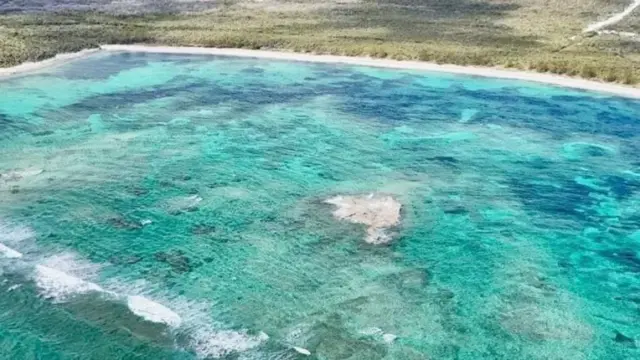
Recent field assessments and long-term comparative observations highlight a rapid acceleration of environmental degradation and socio-economic displacement on the island. Pristine palm groves have been cleared for luxury resort complexes featuring private swimming pools—despite the island possessing no natural freshwater source. Natural sand tracks have been paved with concrete to accommodate motor vehicles and heavy construction equipment. Offshore, dense motorized boat traffic and unmanaged runoff are suffocating local coral reefs, while oil slicks blanket the surface of once-crystal waters.
As Thailand wrestles with post-pandemic tourism pressures, Ko Lipe serves as a cautionary case study of unregulated tourism growth. Tourism ethics experts and sustainable development advocates are increasingly advising travelers to boycott overdeveloped destinations like Ko Lipe in favor of sustainably managed alternatives in the region, arguing that consumer demand remains the most potent tool for driving systemic policy reform.
Detailed Chronology: From Off-Grid Sanctuary to Concrete Hub
+-----------------------------------------------------------------------------------+
|                            KO LIPE DEVELOPMENT TIMELINE                           |
+-----------------------------------------------------------------------------------+
| 2006: Off-Grid Backpackers' Refuge                                                 |
|  • Electricity restricted to a few hours daily                                    |
|  • Unpaved sand footpaths; zero motor vehicles                                    |
|  • Rustic beachfront huts (~$2 USD/night); minimal waste footprint                |
|  • Isolated economy centered around five local eateries & one beach bar           |
+-----------------------------------------------------------------------------------+
| 2010s: Unregulated Infrastructure Expansion                                       |
|  • Arrival of continuous power grids and mainland commercial investment           |
|  • Paving of main tracks into concrete thoroughfares                              |
|  • Transition from low-impact guesthouses to multi-story resort units             |
+-----------------------------------------------------------------------------------+
| Present: Ecological Overcapacity & Displacement                                   |
|  • Widespread deforestation for luxury resorts featuring private pools            |
|  • Acute freshwater deficit and unregulated waste discharge                       |
|  • Severe coral reef degradation from anchor damage and fuel pollution            |
|  • Displacement of native landowners by mainland corporate interests              |
+-----------------------------------------------------------------------------------+
The 2006 Era: Minimal Footprint and Seasonal Isolation
In 2006, Ko Lipe was regarded as one of Southeast Asia’s final frontier destinations. Accessible only by seasonal longtail boats, the island lacked basic modern conveniences. Electricity was rationed to a few hours each evening via small generators, accommodation consisted largely of rudimentary, $2-a-night thatched-roof bungalows, and local commerce was restricted to a handful of family-run eateries and a single beach bar.
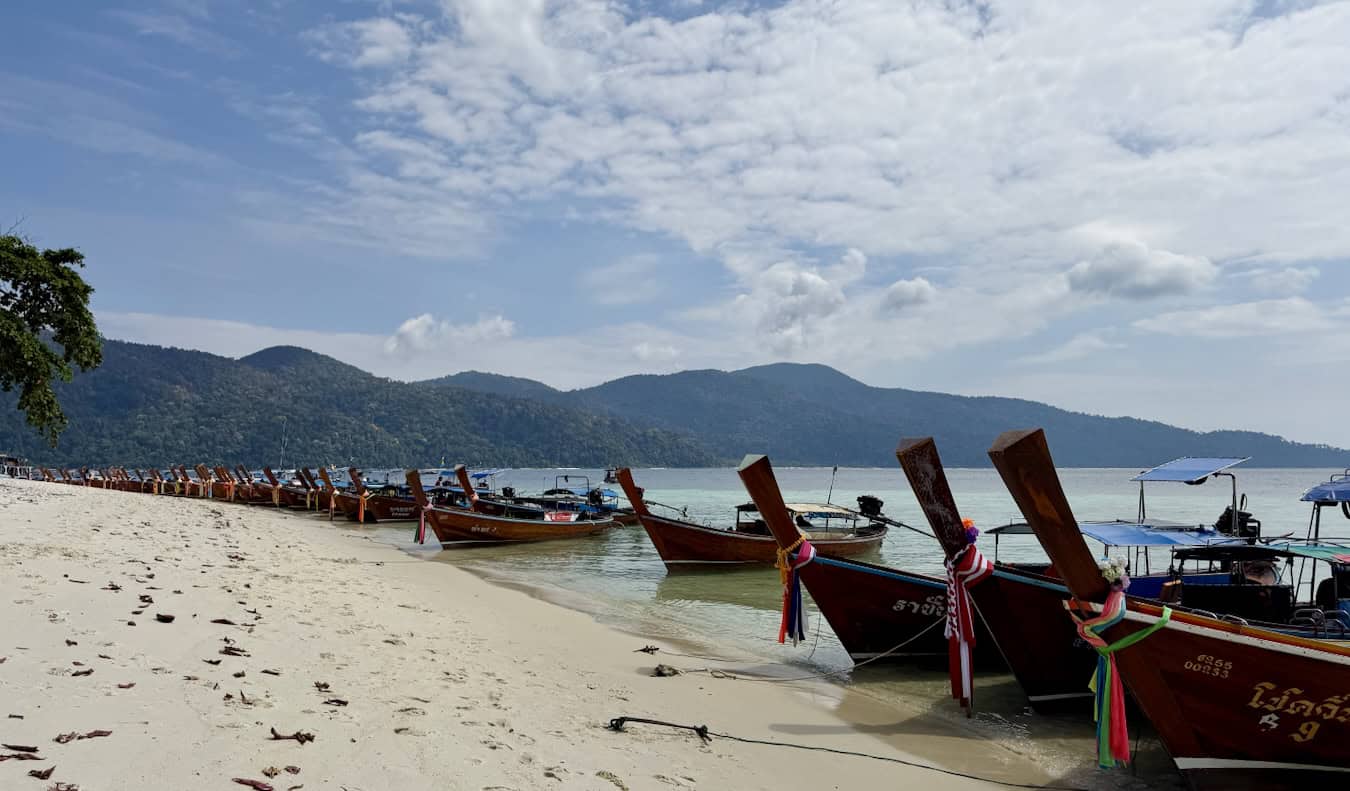
The island’s low visitor density naturally enforced ecological preservation. Inter-island transport relied on manual labor or small-scale boating, while footpaths remained unpaved sand tracks winding through dense tropical flora. The island operated within its carrying capacity, isolated by geographic constraints and a brief operational window dictated by seasonal monsoons.
The Tipping Point: Unchecked Commercialization
Over the past 19 years, driven by national initiatives to expand tourism revenues across the southern Andaman corridor, Ko Lipe underwent rapid industrialization. The transition was characterized by a push to attract high-yield, short-stay tourists.
The structural evolution accelerated as mainland developers acquired extensive coastal plots. To service larger visitor volumes, local authorities and private investors initiated large-scale infrastructure projects, replacing sand trails with concrete roads designed to support trucks, utility vehicles, and motorbike fleets.
Present Reality: A Fragile Ecosystem at Capacity
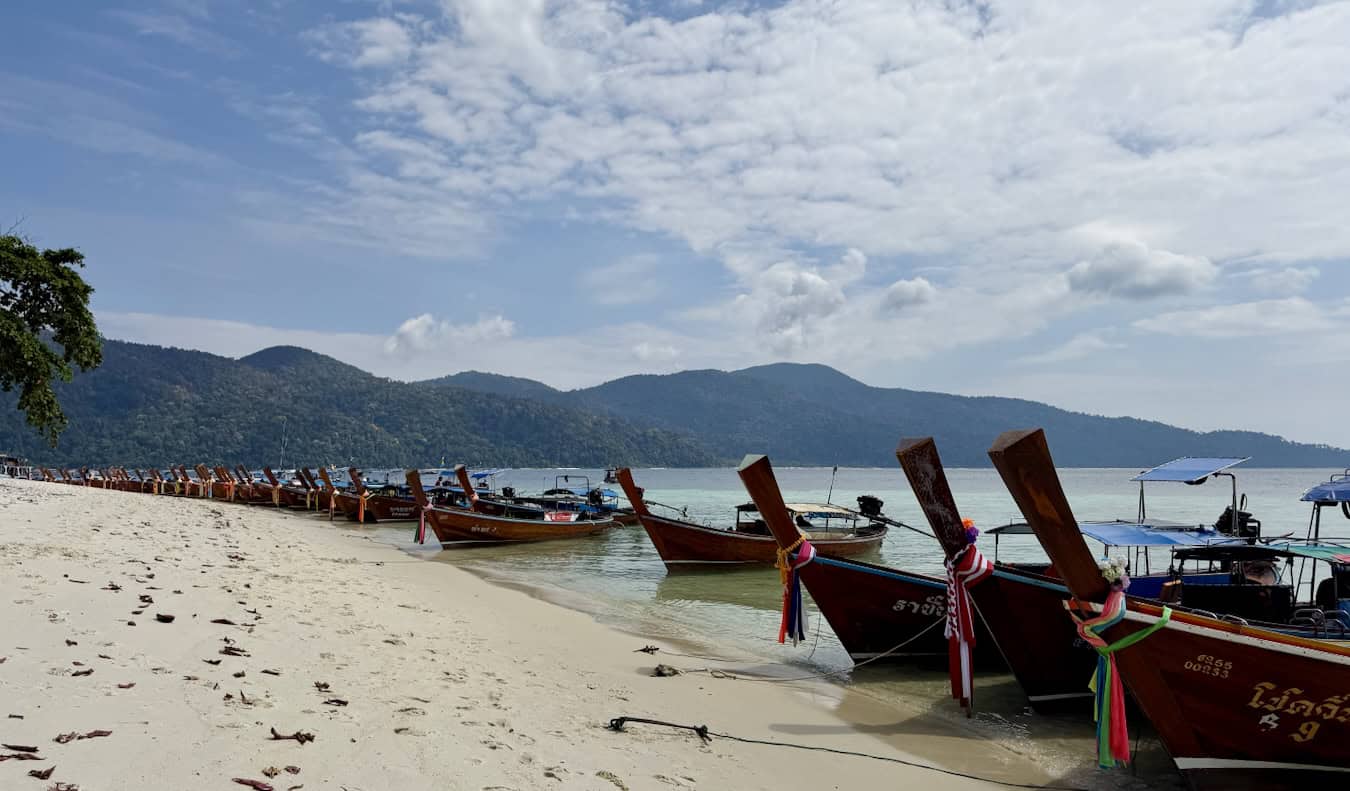
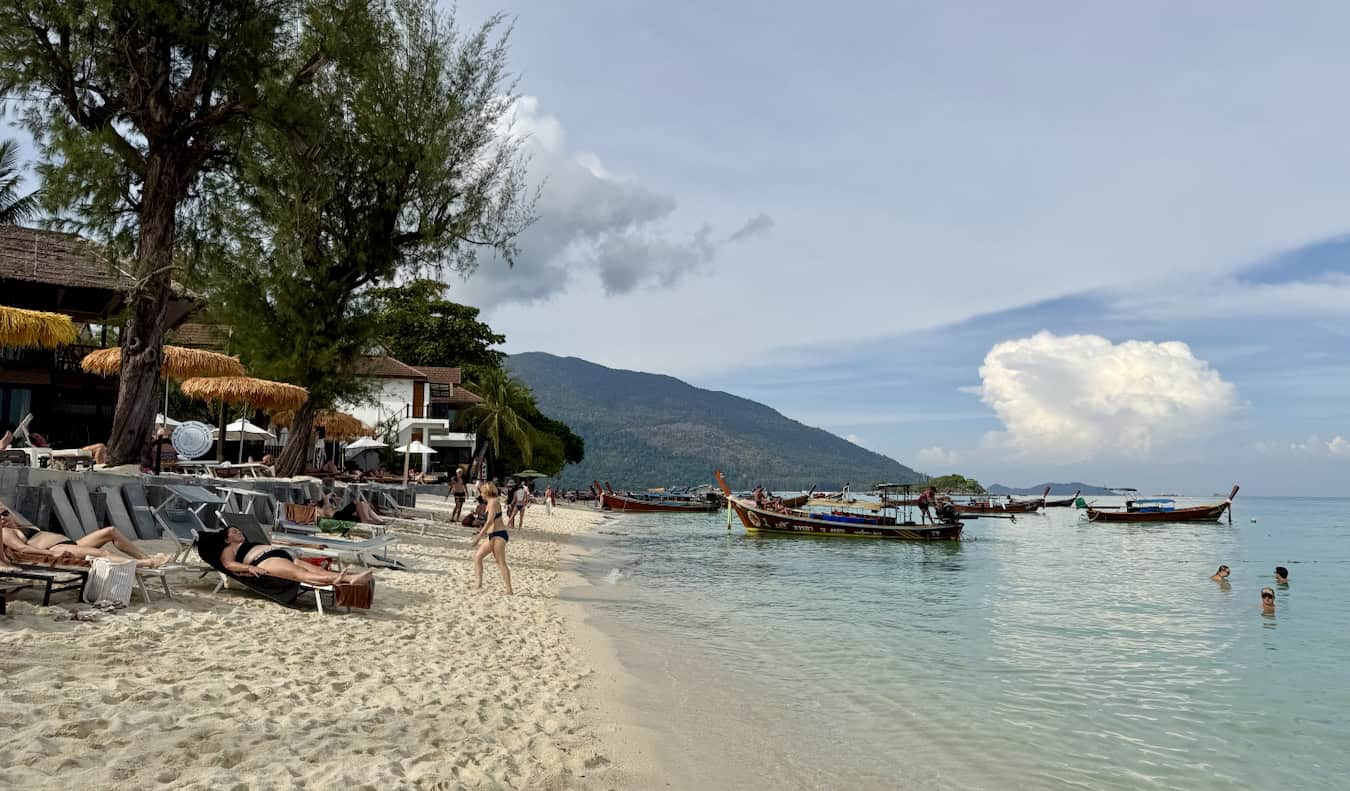
Today, Ko Lipe operates as a hyper-commercialized transit and resort island. It functions as a primary border-crossing hub linking Southern Thailand to Malaysia’s Langkawi Island, funneling thousands of transient passengers daily through fragile marine zones. The idyllic quiet that once defined the destination has been replaced by continuous construction noise, vehicle traffic, and heavy marine transport.
Supporting Context & Metrics: Environmental and Socio-Economic Breakdown
+-----------------------------------------------------------------------------------+
|                           CRITICAL STRESS POINTS ON KO LIPE                       |
+-----------------------------------------------------------------------------------+
| Resource Stress         | • Zero natural freshwater supply on-island              |
|                         | • Artificial luxury pools driving extreme water strain    |
+-------------------------+---------------------------------------------------------+
| Marine Ecosystem        | • Heavy coral degradation via physical anchor strike    |
|                         | • Hydrocarbon film on water surface from boat exhaust   |
+-------------------------+---------------------------------------------------------+
| Socio-Economic Shift    | • Native landowners displaced by mainland capital       |
|                         | • Wealth leakage: profits leave island economy          |
|                         | • Replacement of authentic culture with mass amenities  |
+-------------------------+---------------------------------------------------------+
Hydrological Deficit and Resource Strain
One of the most severe ecological contradictions on Ko Lipe is the expansion of luxury amenities—specifically private swimming pools—on an island with no natural freshwater reserves.
- Water Sourcing: Meeting the daily operational demands of high-end resorts requires importing freshwater via barges or running high-energy desalination units, which release hypersaline brine into shallow coastal ecosystems.
- Waste Management: The lack of comprehensive sewage treatment facilities leaves underground aquifers and coastal waters vulnerable to wastewater runoff, threatening both public health and marine flora.
Marine Degradation and Coastal Pollution
The marine ecosystem surrounding Ko Lipe, formerly celebrated for its biodiversity, faces unprecedented stress:
- Coral Mortality: Benthic surveys and diver reports indicate widespread damage to soft and hard coral formations. Direct causes include physical strikes from longtail boat anchors, direct mechanical damage from reckless snorkeling tours, and elevated water turbidity from coastal erosion.
- Hydrocarbon Contamination: The concentrated operation of hundreds of motorized longtail boats and speedboats along the shoreline releases constant exhaust fumes and fuel residue. A visible hydrocarbon slick frequently covers the surface waters along primary landing beaches, posing chronic contamination risks to sea life and bathers alike.
- Food System Disruption: Overfishing to feed the non-native dietary demands of international tourists has disrupted local marine food webs, reducing species diversity across reef environments.
| Environmental Vector | Pre-Development State (c. 2006) | Present-Day Condition | Environmental Consequence |
|---|---|---|---|
| Island Infrastructure | Dirt footpaths, zero motor traffic | Paved concrete roads, trucks, motorbikes | Soil compaction, elevated ambient heat, runoff erosion |
| Freshwater Consumption | Low; basic bucket showers, localized wells | High; resort swimming pools, pressurized plumbing | Severe groundwater depletion, saltwater intrusion |
| Coastal Marine Zone | Pristine coral reefs, clear waters | Anchor-damaged reefs, hydrocarbon fuel slicks | Decimated marine life, loss of marine biodiversity |
| Culinary & Local Economy | Local family-owned Thai kitchens | Western-centric tourist menus, mainland franchises | Cultural homogenization, economic displacement |
Socio-Economic Realities and Local Displacement
The rapid monetization of Ko Lipe has failed to yield long-term economic stability for its indigenous population.
- Land Loss and Gentrification: Soaring real estate valuations prompted many local families and indigenous Chao Lay (Sea Gypsies) to sell land rights to mainland corporate developers. Those who sold often lacked formal legal protections, leading to eventual physical and economic displacement.
- Labor Displacement: Much of the island’s hospitality workforce is now imported from mainland provinces or neighboring countries. Consequently, a substantial portion of tourism expenditures leaks out of the island economy rather than enriching the local community.
- Cultural Homogenization: Traditional local dining options and cultural spaces have been largely displaced by standardized Western-style restaurants, sports bars, and commercial storefronts targeting short-term international tour groups.
Industry Perspectives & Comparative Analysis
The "Phi Phi Model" of Unregulated Tourism
Tourism analysts frequently cite Ko Lipe as the latest victim of the "Phi Phi Model"—a pattern of tourism development where rapid commercial expansion outpaces regulatory governance. Historically observed in places like Ko Phi Phi Don and Maya Bay, this model yields short-term tax revenues at the expense of long-term environmental viability.
"Thailand’s coastal development strategy has historically favored immediate yield over ecological capacity. Without strict daily visitor caps and strict spatial zoning, fragile island ecosystems inevitably reach structural failure."
— Dr. Anan Siripanya, Southeast Asian Marine Conservation Analyst
The Illusion of Paradise for First-Time Visitors
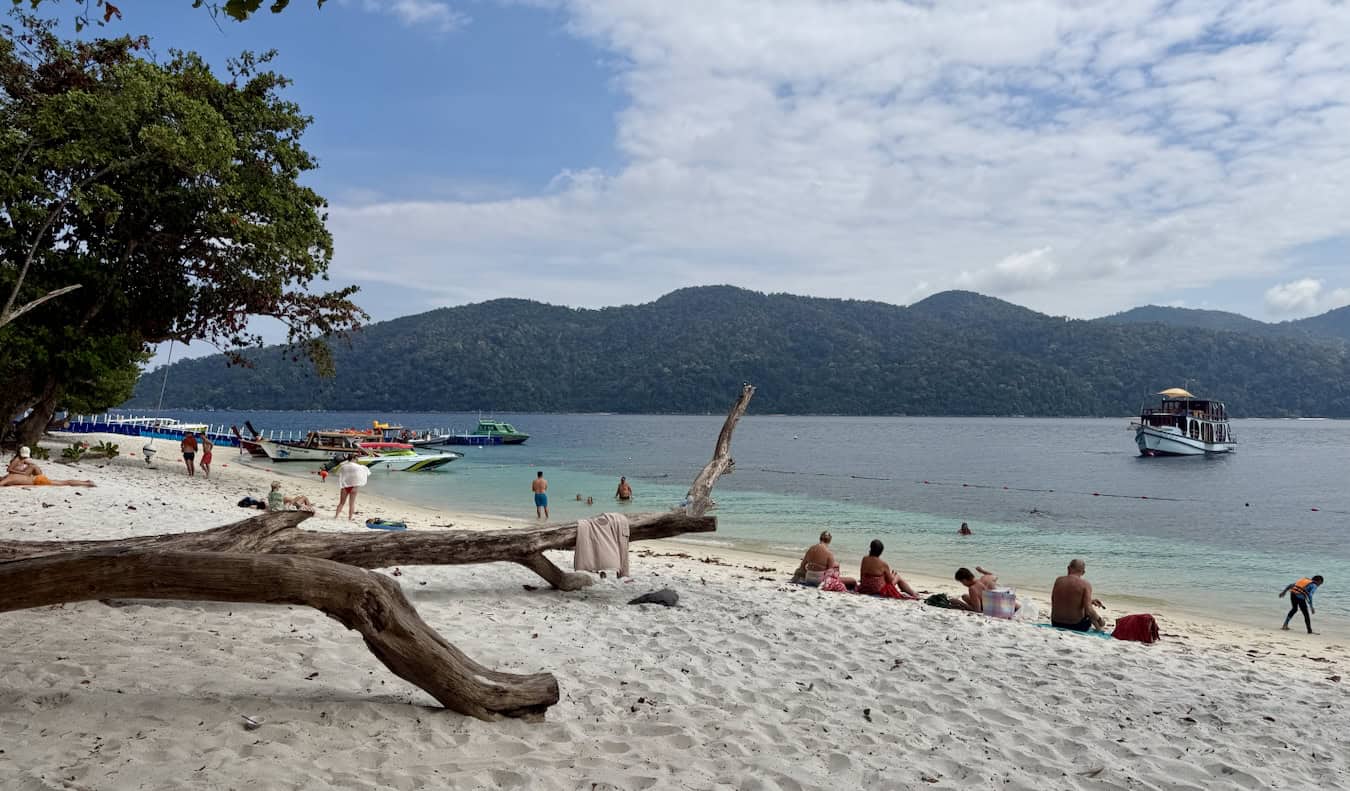
Despite systemic ecological stress, Ko Lipe continues to receive favorable reviews from first-time travelers. Observers note that compared to extreme mass-tourism hubs like Phuket or mainland Krabi, Ko Lipe’s blue waters, white sands, and proximity to uninhabited islets in Tarutao National Marine Park still present a surface-level impression of untouched beauty.
However, experts emphasize that this visual dynamic masks underlying ecosystem collapse. First-time visitors lack the temporal baseline required to recognize loss of live coral cover, reduced fish populations, and degraded air and water quality.
       SURFACE ILLUSION                         ECOLOGICAL REALITY
+-------------------------------+       +-------------------------------+
|  • Azure sea & white sand     |       |  • Decimated coral reefs      |
|  • Postcard-ready vistas      |  VS   |  • Severe freshwater deficit  |
|  • Proximity to outer islets  |       |  • Surface hydrocarbon slicks |
|  • Resort-style amenities     |       |  • Socio-economic displacement|
+-------------------------------+       +-------------------------------+
Future Outlook & Strategic Recommendations
The Case for Strategic Boycotts and Responsible Choices
Faced with overdevelopment, prominent travel ethicists and environmental advocates are advising tourists to deliberately exclude Ko Lipe from their itineraries.
The argument relies on historical precedent: consumer demand shifts have previously forced policy and operational reforms across Southeast Asia. Notable examples include:
- Ethical Wildlife Tourism: Widespread tourist refusal to participate in elephant riding directly accelerated the industry’s pivot toward certified ethical sanctuaries.
- Eco-Lodging Certification: Surging demand for sustainable accommodations pushed regional resort operators to adopt certified waste management and energy systems.
By redirecting capital away from compromised destinations, consumers send a clear market signal to national tourism boards that unsustainable overdevelopment carries long-term financial penalties.
Sustainable Alternatives in the Andaman Sea
Travelers seeking authentic, environmentally responsible island experiences in Southern Thailand are encouraged to divert their visits toward destinations that enforce stricter spatial zoning and community-led conservation frameworks:
                  SUSTAINABLE ALTERNATIVE DESTINATIONS
                                   |
         +-------------------------+-------------------------+
         |                         |                         |
         v                         v                         v
   [ KO LANTA ]               [ KO JUM ]               [ KO MOOK ]
   • Low-impact resorts       • Unpaved interiors       • Community-led tourism
• Strict marine park rules • Minimal commercial footprint • Controlled visitor caps- Ko Lanta: Offers established waste management programs, expansive spatial zoning that prevents hyper-concentration, and active marine conservation initiatives.
- Ko Jum (Ko Pu): Maintains low-impact accommodation infrastructure, unpaved interior tracks, and minimal commercial footprint, preserving local community structures.
- Ko Mook: Features community-managed eco-tourism initiatives that directly channel tourism revenues into local school systems and coastal preservation programs.
Policy Directives for Sustainable Recovery
For Ko Lipe to avoid permanent ecological collapse, state agencies—including the Department of National Parks, Wildlife and Plant Conservation (DNP) and the Tourism Authority of Thailand (TAT)—must implement decisive regulatory interventions:
- Mandatory Daily Visitor Caps: Enforce strict carrying-capacity limits on passenger ferries arriving from both mainland Thailand and Langkawi.
- Moratorium on Resort Construction: Halt all new resort and commercial construction projects, pending comprehensive environmental impact assessments (EIAs).
- Marine Traffic Restrictions: Ban heavy motorized transport within designated nearshore coral zones, establishing mandatory offshore mooring buoys to eliminate anchor strikes.
- Utility and Waste Audits: Require all commercial operators to install verified wastewater filtration systems and ban single-use plastics across the island.
Without these regulatory mechanisms, Ko Lipe risks complete ecological depletion—a tragic end for an island once celebrated as one of the world’s finest marine sanctuaries.