



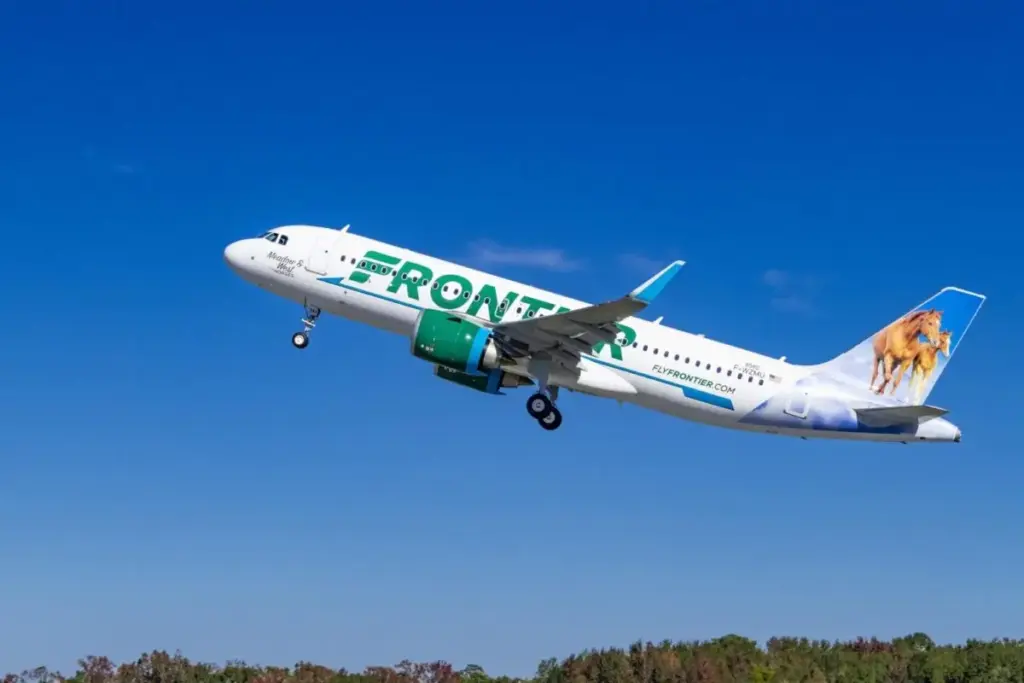
The economics of the modern aviation industry are being severely tested by a relentless surge in global jet fuel prices. While the entire sector is feeling the financial strain, the pain is not distributed equally. A sharp divide has emerged between the nation’s largest legacy carriers and its ultra-low-cost carriers (ULCCs) and budget airlines.
For major network airlines, rising operational costs can often be absorbed or passed along to passengers through higher ticket prices, premium seat upcharges, and robust corporate travel bookings. However, for budget carriers, whose business models depend entirely on stimulating demand with ultra-low base fares, raising prices is a highly risky proposition.
Compounding this operational headache is a cold shoulder from Washington. Despite active lobbying efforts by budget airline advocates, there is currently little to no political appetite in Congress to offer financial relief or tax reprieves to help these carriers weather the storm. The situation has left discount airlines in a precarious position, forced to navigate soaring fuel costs without the legislative safety nets or pricing power enjoyed by their larger rivals.
The Asymmetrical Impact of Soaring Jet Fuel Costs
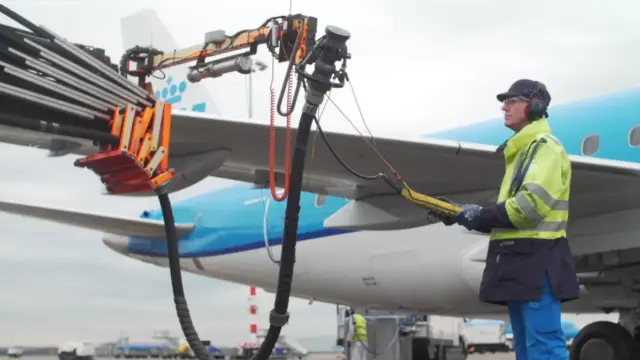
Jet fuel is typically an airline’s largest or second-largest operating expense, often accounting for 25% to 35% of total operating costs. When crude oil prices climb, the crack spread—the cost of refining crude oil into jet fuel—frequently widens, compounding the financial pressure on airline balance sheets.
+-------------------------------------------------------------------+
|                     THE FUEL COST DILEMMA                         |
+-------------------------------------------------------------------+
|  LEGACY CARRIERS (Delta, United, American)                         |
|  - High premium & corporate demand (lower price sensitivity)      |
|  - Ability to raise fares and implement fuel surcharges            |
|  - Diversified revenue from loyalty programs & international hubs |
+-------------------------------------------------------------------+
|  BUDGET CARRIERS (Frontier, Allegiant, Avelo, Breeze)             |
|  - Price-sensitive leisure travelers (high price elasticity)      |
|  - Fare hikes directly suppress passenger volume                  |
|  - High reliance on unbundled fees; limited premium leverage      |
+-------------------------------------------------------------------+
For legacy carriers like Delta Air Lines, United Airlines, and American Airlines, a rise in fuel costs is certainly a headwind, but one they are equipped to manage. These network carriers cater to business travelers, international vacationers, and premium-cabin passengers who exhibit relatively low price sensitivity. If a legacy carrier needs to add a fuel surcharge or raise the price of a transcontinental ticket by $20, their core customer base is unlikely to cancel their travel plans.
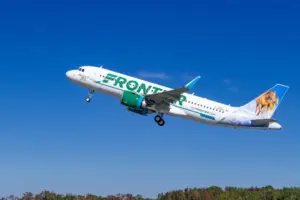
In stark contrast, the business model of ultra-low-cost and value carriers is highly sensitive to price fluctuations. Operators such as Frontier Airlines, Allegiant Air, Avelo Air, and Breeze Airways cater almost exclusively to price-sensitive leisure travelers. Many of these passengers only choose to fly because the ticket price is exceptionally low; if a budget carrier raises its base fare to offset fuel costs, it risks crossing a threshold where the consumer decides to drive instead of fly, or simply stay at home.
Because budget airlines cannot easily pass fuel price increases on to their customers without destroying demand, their profit margins are squeezed immediately and severely. This structural vulnerability has transformed the current fuel price environment from a manageable operational hurdle into an existential challenge for the value aviation sector.
Silence on Capitol Hill: The AVA’s Frustrated Advocacy
As the financial pressure mounts, budget carriers have turned to Washington for help, but their pleas are falling on deaf ears.
Jonathon Freye, the executive director of the Association of Value Airlines (AVA), recently revealed the depth of the industry’s frustration. The AVA is a trade group that represents the interests of prominent ultra-low-cost and start-up carriers, including Allegiant, Frontier Airlines, Avelo Air, and Breeze Airways. These airlines play a critical role in the U.S. transportation network, often serving secondary markets and smaller regional airports that legacy airlines have abandoned.
Freye told Skift that the AVA has actively reached out to several congressional offices in recent weeks to discuss the severe impact of rising fuel prices on their operations. However, those outreach efforts have yielded little to no traction. According to Freye, the group has so far not received any indication that Congress is willing to consider relief measures for the struggling sector.
“There’s clearly a sort of concern about the affordability of transportation, and I think for a lot of our customers and the big carriers, too,” Freye said, highlighting the shared anxiety over how rising costs will ultimately affect the traveling public.
The lack of urgency in Washington is underscored by the silence of key legislative bodies. The House Transportation and Infrastructure Committee, which oversees federal aviation policy and would be instrumental in drafting any industry-specific relief, did not immediately respond to requests for comment regarding the AVA’s appeals.
Seeking a Lifeline: The Debate Over Fuel Tax Suspensions
Among the policy mechanisms that budget carriers have eyed to alleviate the crisis is legislative relief targeted at fuel taxes. Specifically, discussions have surfaced regarding proposals or draft bills aimed at temporarily suspending federal taxes on commercial aviation fuel.
Under normal economic conditions, these taxes contribute to the Airport and Airway Trust Fund, financing critical infrastructure projects and Federal Aviation Administration (FAA) operations. However, in times of acute fuel price spikes, a temporary suspension of the federal jet fuel excise tax could provide immediate, direct cash-flow relief to airlines.
For a budget carrier operating on razor-thin margins, even a temporary reduction of a few cents per gallon can translate into millions of dollars in savings over a fiscal quarter. This saved capital could mean the difference between maintaining a regional route or cutting service entirely.
Yet, the prospects for such legislative relief remain incredibly dim. Washington is currently grappling with deep partisan divisions, intense scrutiny over federal spending, and a general reluctance to intervene in corporate market dynamics. Following the billions of dollars in federal aid distributed to the airline industry during the COVID-19 pandemic through the Payroll Support Program (PSP), there is widespread "bailout fatigue" among lawmakers.
Many politicians are hesitant to support any measure that could be perceived as a corporate handout to airlines, even if the relief is targeted at low-cost carriers that provide essential connectivity to underrepresented communities.
The Broad Implications for American Travelers
The struggle of value airlines is not just an industry-wide corporate issue; it has direct, tangible consequences for the average American consumer.
Budget carriers have democratized air travel over the last two decades. By unbundling services—allowing passengers to pay only for the base fare and add extras like baggage and seat selection à la carte—carriers like Frontier and Allegiant have made flying accessible to millions of low- and middle-income families who otherwise could not afford it.
Furthermore, carriers like Avelo and Breeze have built their entire networks around underserved regional airports, such as Tweed-New Haven Airport in Connecticut or Provo Airport in Utah. These flights offer direct, hassle-free travel options to travelers who would otherwise have to drive hours to major international hubs.
If high fuel prices persist and Washington continues to withhold assistance, value carriers will be forced to make difficult operational decisions to survive:
- Route Rationalization: Airlines will likely cut unprofitable or marginally profitable routes, particularly those serving smaller regional airports where demand is highly price-sensitive.
- Capacity Reductions: By grounding older, less fuel-efficient aircraft and reducing flight frequencies, carriers can lower their overall fuel burn, though this reduces the availability of cheap flights.
- Increased Ancillary Fees: To avoid raising base fares, budget airlines may feel compelled to aggressively raise fees for carry-on bags, checked luggage, seat assignments, and on-board refreshments, eroding the "low-cost" appeal of the ticket.
As these adjustments take hold, the overall affordability of air travel in the United States is bound to decline. Consumers will face fewer choices, higher overall travel expenses, and reduced regional connectivity, effectively reversing years of progress in making the skies accessible to everyone.
A Turbulent Horizon for the Value Sector
With global energy markets remaining highly volatile due to geopolitical tensions, supply constraints, and refining bottlenecks, jet fuel prices are unlikely to experience a sustained drop in the near term. For the members of the Association of Value Airlines, the road ahead is fraught with operational hurdles.
Without a sympathetic ear in Congress or a willingness from federal policymakers to explore temporary tax suspensions or other relief measures, budget airlines must rely entirely on their own operational ingenuity. They will need to double down on fuel-efficiency initiatives, optimize their flight paths, renegotiate supplier contracts, and find innovative ways to drive ancillary revenues without alienating their core customer base.
Ultimately, the current crisis highlights a stark reality of the modern aviation landscape: when economic headwinds blow, it is the carriers championing affordability for everyday consumers that are left to navigate the storm alone.