









For the committed trail runner, the intersection of physical suffering and psychological reward is where the sport truly lives. It is the realm of thin air, relentless vertical gain, and technical terrain that demands absolute focus. While a smooth park loop offers cardiovascular maintenance, it is the "monster run"—routes defined by punishing climbs, vast wilderness exposure, and unforgiving environments—that captures the imagination and tests the limits of human endurance.
Whether you are an experienced ultrarunner looking to peak your season or a seasoned marathoner preparing to transition to high-alpine terrain, tackling America’s most iconic vertical routes requires more than just fitness; it demands meticulous preparation, deep respect for the elements, and gear engineered to withstand the harshest natural conditions. From the soaring fourteeners of the Rocky Mountains to the sweeping, wildflower-strewn balds of the East and the staggering depths of the Grand Canyon, here is a definitive guide to five of the most legendary, high-stakes trail runs across the United States.
Executive Overview: The Anatomy of a Monster Run
What separates a standard trail run from an iconic endurance route? Primarily, it is a combination of technical difficulty, sustained elevation change, and geographic isolation. In recent years, the popularity of high-alpine and backcountry trail running has surged exponentially, driven by a cultural shift toward immersive outdoor experiences and advancements in technical footwear and apparel—such as the rugged performance gear found in the Brooks Cascadia Collection, designed specifically to handle unpredictable backcountry terrain.
However, conquering these routes requires a fundamental paradigm shift in how runners approach training. Elevation change alters everything: oxygen availability plummets, muscular fatigue accelerates exponentially on descents, and weather patterns can shift from calm sunshine to life-threatening lightning storms in a matter of minutes. This comprehensive guide breaks down five definitive American trail runs, analyzing their terrain, logistical hurdles, and the raw metrics that make them masterpieces of endurance architecture.
Detailed Breakdown: Five Iconic American Endurance Routes
1. Longs Peak, Rocky Mountain National Park, Colorado
- Distance: 13.6 miles (Out-and-Back)
- Elevation Profile: High-alpine summit push culminating at 14,259 feet
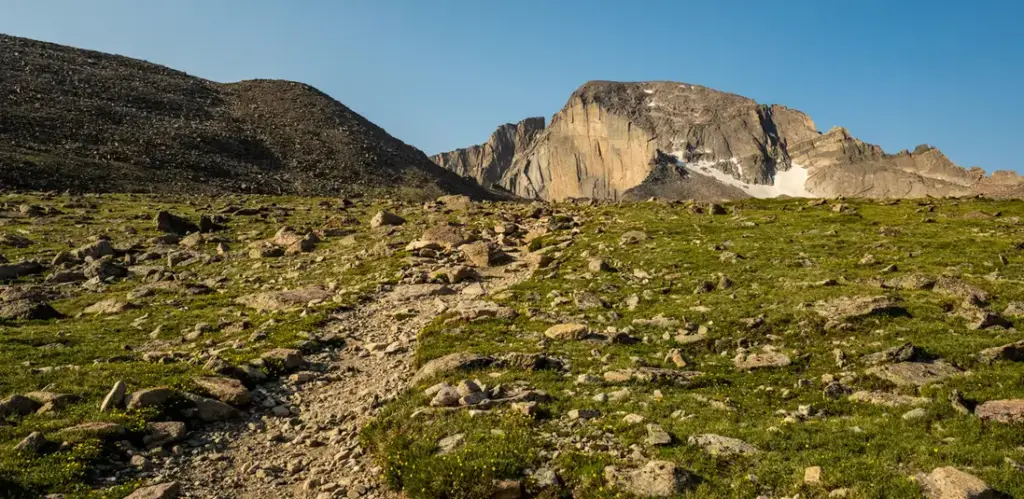
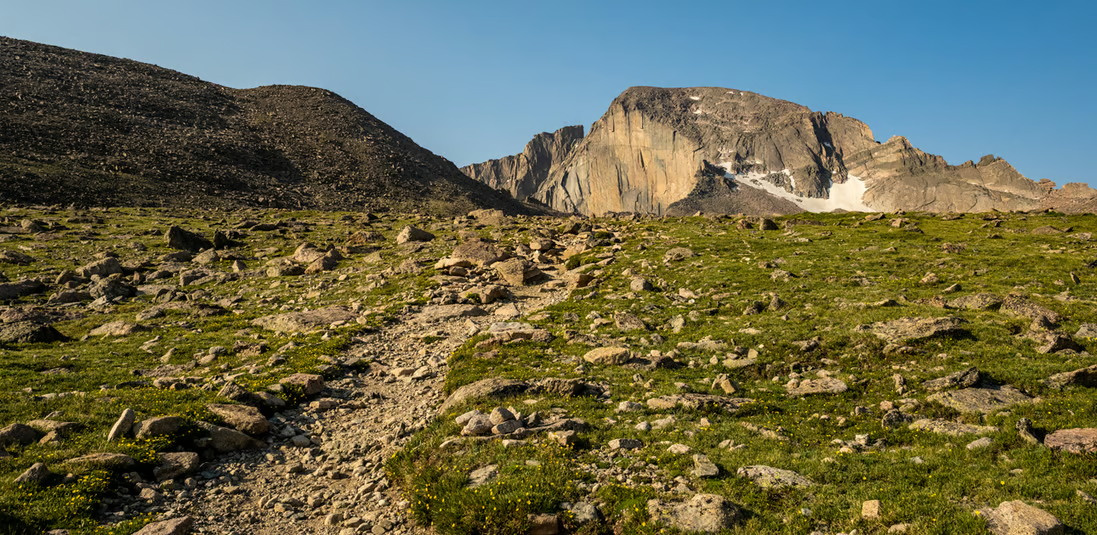
Rising majestically above the Front Range, Longs Peak is the tallest mountain in Rocky Mountain National Park and a legendary proving ground for alpine runners. At 14,259 feet, the peak is not merely a destination; it is a stern test of cardiovascular capacity and technical footwork.
The route begins innocuously enough, winding through subalpine forests before breaking out into the sprawling sub-alpine tundra of the Boulderfield. Here, the running is characterized by a balance of smooth-striding singletrack that allows for an efficient rhythm, gradually transitioning into increasingly technical, rocky terrain.
The true crucible of the Longs Peak run, however, is its final mile. Known as the Keyhole route and the homestretch, this section requires runners to leave behind traditional running mechanics and engage in exposed, high-altitude scrambling. Navigating vertical granite slabs with sheer drop-offs requires immense upper-body stability, absolute confidence in your footing, and meticulous weather management. Afternoon thunderstorms are a constant summer threat on the summit, meaning runners must execute an alpine start—often hitting the trail well before dawn—to ensure safe passage above tree line.
2. Mission Trails Five-Peak Challenge, San Diego, California
- Distance: 16.3 miles
- Elevation Profile: Rolling desert-mountain transition with over 4,000 feet of cumulative climbing
For those seeking a stark contrast to the snowy peaks of Colorado, the Mission Trails Five-Peak Challenge in San Diego delivers a relentless, sun-baked endurance test. Spanning 16.3 miles across Mission Trails Regional Park, this classic route strings together five distinct summits: Cowles Mountain, Pyles Peak, Kwaay Paay, and the North and South Fortunas.
Despite sitting at a much lower absolute elevation than its Rocky Mountain counterpart, this route is punishing in its own right. Runners face a cumulative climb of more than 4,000 feet, packed into short, incredibly steep pitches characterized by loose dirt, jagged rock steps, and relentless exposure.
The reward for this suffering is nothing short of panoramic: sweeping vistas stretching from the blue expanse of the Pacific Ocean across inland valleys and jagged peaks. However, the desert environment introduces a critical logistical variable: heat and hydration. Unlike alpine routes fed by mountain streams, Mission Trails requires runners to carry every drop of water they will need, making advanced hydration strategies and heat acclimatization absolute prerequisites for success.
3. Art Loeb Trail, Canton/Davidson, North Carolina
- Distance: 29.4 miles (Point-to-Point)
- Elevation Profile: Rolling forest paths and exposed alpine balds with over 8,000 feet of climbing and descent
Widely regarded as one of the toughest and most punishing trails in the Eastern United States, the Art Loeb Trail is a masterpiece of Appalachian endurance running. Traversing the Pisgah National Forest, this 29.4-mile point-to-point route forces runners to earn every single step, climbing and descending more than 8,000 feet over its course.
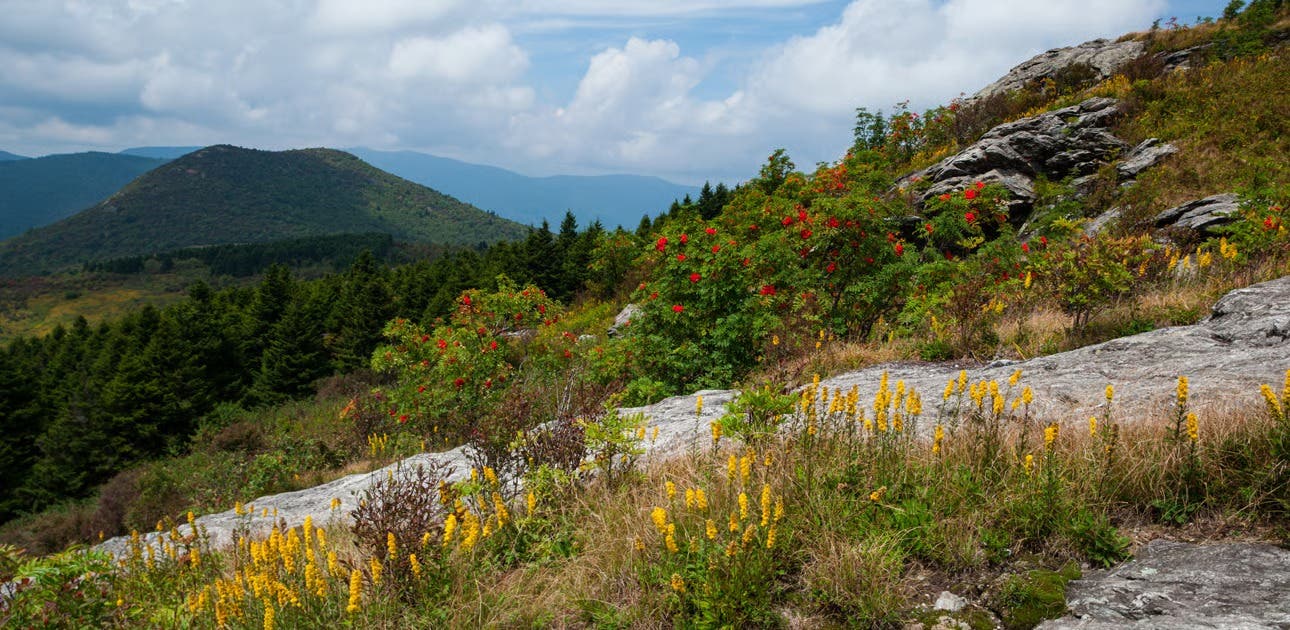
The trail is a living museum of Southeastern wilderness ecosystems. Runners ascend through dense, moss-draped hardwood forests before bursting out onto expansive, wind-swept balds—such as Black Balsam Knob and Cold Mountain—that offer 360-degree views of the surrounding blue-ridged horizon. Between these high points, the trail tests ankles and quads with steep, root-choked descents and punishing, technical climbs.
Because the Art Loeb Trail is a point-to-point traverse rather than a loop, it requires careful logistical planning. Fortunately, the trail’s legendary status has fostered a thriving ecosystem of local shuttle services that assist runners and backpackers with trailhead transportation, transforming a complex logistical puzzle into a seamless backcountry experience.
4. The Enchantments Thru-Run, Leavenworth, Washington
- Distance: 18.6 miles (Point-to-Point)
- Elevation Profile: Deep alpine wilderness traverse featuring over 5,000 feet of elevation gain
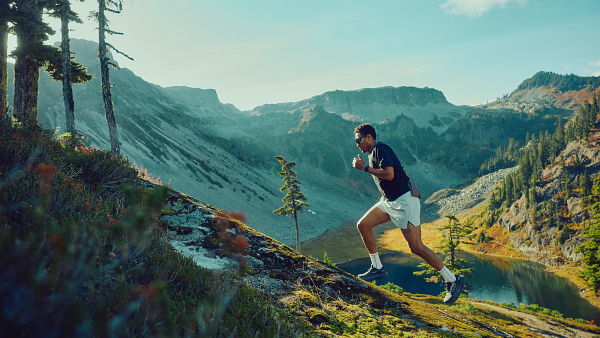
Tucked away in the rugged Alpine Lakes Wilderness of Washington State, the Enchantments Thru-Run is widely considered one of the most visually stunning—and physically demanding—trail runs in North America. The 18.6-mile point-to-point route reads like a geography textbook of alpine wonders, treating runners to massive granite slabs, turquoise alpine lakes, jagged spires, roaring creek crossings, and frequent encounters with local mountain goats.
While the route can technically be tackled in either direction, the classic west-to-east traverse is a rite of passage for Pacific Northwest ultrarunners. This direction forces runners to tackle the infamous Aasgard Pass: a brutal, lung-searing climb that gains a staggering 2,200 feet of elevation in a single, unyielding mile of shifting talus and boulder fields.
In total, the route accumulates over 5,000 feet of climbing. Navigating this technical wonderland demands footwear with aggressive traction and exceptional lockdown to handle slick granite slabs and loose scree. Like the Art Loeb, the point-to-point nature of the route means utilizing local shuttle services is essential for completing the traverse efficiently.
5. Rim-to-Rim-to-Rim (R2R2R), Grand Canyon National Park, Arizona
- Distance: 40.6 miles (Out-and-Back)
- Elevation Profile: Massive canyon traverse with over 22,000 feet of cumulative elevation change
When discussing the absolute pinnacle of American trail running adventures, all roads eventually lead to the Grand Canyon. The Rim-to-Rim-to-Rim (R2R2R) run is the undisputed heavyweight champion of big-adventure endurance routes.
Spanning 40.6 miles, this monumental undertaking begins on the South Rim, plunges vertically down the South Kaibab Trail to the roaring Colorado River, ascends the punishing North Kaibab Trail to the North Rim, and then forces runners to reverse the entire journey. In total, R2R2R packs in an astronomical 22,000 feet of cumulative elevation change.
The physical toll of this route is magnified exponentially by the canyon’s unique microclimate. Temperatures at the Colorado River (Phantom Ranch) can soar well into the triple digits even as snow lingers on the rims, creating a brutal internal furnace that requires meticulous electrolyte management, strategic pacing, and a deep understanding of self-regulation. It is not merely a run; it is an expedition of attrition that rewards only the best-prepared athletes with the running experience of a lifetime.
Supporting Context & Metrics: Preparing for Vertical Terrain
Tackling routes with thousands of feet of elevation change requires a paradigm shift in training methodology. Traditional road-running volume, while building an aerobic base, does little to prepare the musculoskeletal system for the eccentric loading of long, technical descents.
The Physiological Impact of Vertical Gain and Loss
- Climbing (Concentric Contraction): Pushes the cardiovascular system to its absolute ceiling, demanding high VO2 max and robust muscular endurance in the glutes, quads, and calves.
- Descending (Eccentric Contraction): Causes micro-tears in muscle fibers as the quadriceps act as natural brakes against gravity. This is often the primary factor that causes runners to "blow up" late in a monster run.
To mitigate these stresses, endurance coaches recommend incorporating specific hill repeats, weighted vest hiking, and dedicated strength training focused on single-leg stability and core integrity into weekly training blocks. Furthermore, footwear selection becomes critical. Runners need shoes that offer a balance of underfoot protection against sharp rocks, responsive cushioning to absorb impact over dozens of miles, and sticky rubber outsoles capable of gripping wet granite, loose scree, and dry desert dust.
Official Statements and Industry Insights
As the sport of trail running continues to evolve, outdoor brands and technical gear manufacturers are placing an unprecedented emphasis on durability and adaptability. Modern runners are pushing further into the backcountry, demanding equipment that can seamlessly transition from smooth forest singletrack to exposed alpine scrambles.
"The modern trail runner is no longer satisfied with predictable, manicured paths," notes product development specialists within the outdoor endurance sector. "Athletes are seeking out raw, unfiltered interactions with nature. That means our gear needs to evolve in lockstep—providing the exact balance of protection, agility, and comfort required to tackle everything from the humid balds of North Carolina to the scorching depths of the Grand Canyon."
Industry veterans emphasize that while training and physical conditioning remain the primary drivers of success in mountain running, technological advancements in apparel and footwear have dramatically expanded what is humanly possible in high-consequence environments. By leveraging purpose-built gear designed to withstand abrasive rock, shifting scree, and variable weather, runners can focus entirely on the physical and mental challenge of the trail ahead.
Future Outlook: The Evolution of High-Altitude Endurance
Looking toward the horizon, the culture of trail running is experiencing a renaissance of accessibility and ambition. Trail routing applications and community-driven mapping platforms have democratized access to once-obscure backcountry routes, allowing runners from all backgrounds to plan, scout, and execute complex alpine traverses with unprecedented precision.
Simultaneously, local communities near iconic trailheads are increasingly embracing the economic and cultural impact of the endurance tourism boom. Infrastructure such as dedicated shuttle systems in areas like the Art Loeb Trail and the Enchantments has streamlined logistics, allowing runners to focus on conservation, safety, and personal achievement rather than vehicular positioning.
However, with this increased accessibility comes a heightened responsibility. As foot traffic grows on fragile alpine tundra, delicate desert ecosystems, and erosion-prone mountain singletrack, the running community faces a collective imperative to practice Leave No Trace principles rigorously. Protecting the wild, untamed nature of these five monster runs ensures that future generations of endurance athletes will continue to find the ultimate reward in the relentless effort of the climb.