








Executive Overview
Crossing an international boundary with a recreational vehicle (RV) often elicits a sense of bureaucratic anxiety among travelers. Unlike standard passenger vehicles, an RV functions simultaneously as a transit mode and a fully provisioned domestic residence, complete with rolling pantries, specialized gear, and, in many cases, household pets. For the hundreds of thousands of motorists traversing the United States–Canada border annually—particularly those embarking on the storied pilgrimage along the Alaska Highway—the customs inspection represents a critical operational milestone.
Recent travel data underscores a steady resurgence in overland cross-border tourism between the U.S. and Canada. Navigating this transition seamlessly requires a meticulous understanding of international transit protocols, agricultural import restrictions, firearm regulations, and pet documentation standards. Far from being an arbitrary obstacle, the Canadian Border Services Agency (CBSA) operates under a mandate of trade facilitation and national biosecurity. When approached with thorough preparation, absolute transparency, and adherence to established protocols, the border crossing transforms from a source of trepidation into a routine, highly manageable phase of an epic northern expedition.
Detailed Chronology: The Anatomy of a Successful Border Crossing
Understanding the sequential phases of a cross-border transit can demystify the process and equip RV owners with the psychological and logistical readiness required for a smooth journey. Below is the operational chronology experienced by modern travelers navigating the Portal, North Dakota crossing en route to the Canadian provinces.
Phase 1: Pre-Arrival Preparation and Document Staging
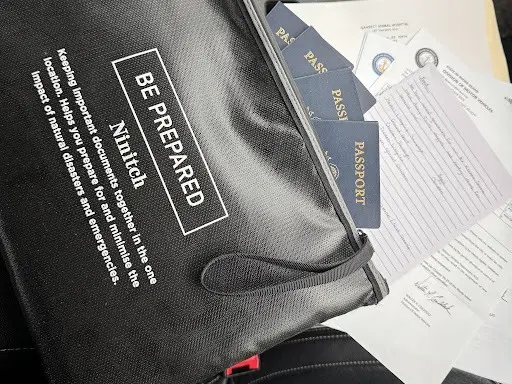
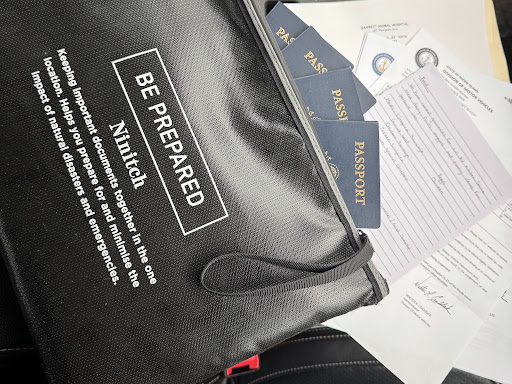
Weeks prior to departure, meticulous travelers must assemble all mandatory identification, vehicle registrations, and cross-border paperwork. Rather than scattering these critical instruments across glove compartments or deep storage lockers, authoritative travel guidelines recommend consolidating physical documents within a secure, easily retrievable container—such as a fireproof document bag stored within arm’s reach of the driver’s seat.
For seasonal workers or "workampers," this staging phase must also incorporate employment verification letters, seasonal contracts, and itinerary outlines. While not universally requested by CBSA officers, having these ancillary documents ready precludes delays should an agent inquire about the exact nature and duration of the extended stay.
Phase 2: Inventory Management and Agricultural Declarations
The most significant psychological hurdle for full-time and recreational RVers is managing the mobile kitchen. Standard passenger cars cross with minimal provisions; RVs cross with weeks of perishable and non-perishable groceries.
The cardinal rule of agricultural declarations is absolute transparency. Attempting to conceal food items or second-guess agricultural restrictions frequently results in secondary inspections, confiscations, or financial penalties. The most effective approach involves maintaining an inventory log of all onboard food supplies. When questioned by customs officials, full-time travelers are advised to state clearly: "We live and travel full-time in our RV, so we have our normal groceries and household food for personal use." This framing aligns precisely with the operational expectations of border authorities, who understand the domestic realities of life on four wheels.
Phase 3: Queue Management and Initial Engagement
Upon arrival at the port of entry, motorists must account for potential infrastructure delays. Commercial traffic, including heavy semi-trucks, frequently shares lanes at northern border crossings, particularly during peak logistical windows or in early spring when seasonal travel begins to surge.
When pulling up to the inspection booth, drivers should switch off audio systems, roll down all vehicle windows to facilitate clear communication, and ensure all occupants remain calm and cooperative. The initial interaction typically consists of a standardized series of inquiries regarding citizenship, duration of stay, the nature of goods being imported, and the presence of restricted items.
Phase 4: Secondary Inspection Readiness (If Applicable)
While many RVs clear primary inspection within minutes, a fraction of travelers are directed to secondary inspection areas. This is a routine administrative procedure rather than a punitive measure. Secondary checks often involve a physical walkthrough of the vehicle by CBSA personnel to verify agricultural declarations, check safety equipment, or inspect pet documentation. Maintaining a tidy, accessible interior layout significantly accelerates this process, minimizing friction for both the traveler and the examining officer.
Supporting Context & Metrics: Navigating Regulations, Gear, and Logistics
A successful cross-border expedition into Canada requires careful attention to specific regulatory categories that frequently trip up unprepared motorists.
1. Firewood Biosecurity Protocols
One of the most strictly enforced environmental regulations at the international boundary pertains to the transport of untreated firewood. Transporting firewood across state, provincial, or international borders is a primary vector for the spread of invasive forest pests, such as the Emerald Ash Borer and the spongy moth.
CBSA biosecurity officers maintain zero tolerance for uncertified, out-of-region firewood. Travelers must leave all existing firewood behind before approaching the port of entry. Securing seasoned, locally sourced wood immediately after crossing the border ensures compliance with environmental protection mandates while supporting regional conservation efforts.
2. Firearms, Self-Defense Tools, and Weapon Restrictions
The legal frameworks governing firearms in Canada differ fundamentally from those in the United States. Attempting to bring prohibited weapons across the border can result in immediate confiscation, heavy fines, and criminal prosecution.
- Prohibited Items: Handguns, AR-style semi-automatic rifles, and pepper spray formulated explicitly for self-defense (often labeled as "bear spray" in the U.S. but subjected to strict categorization depending on labeling and concentration) frequently fail to meet Canadian import criteria.
- Regulated Exceptions: Certain non-restricted hunting rifles and shotguns may be permitted under specific declarations, accompanied by mandatory paperwork and processing fees.
For the vast majority of RV travelers, the most prudent operational strategy is to leave all personal firearms and questionable self-defense tools with trusted family members or secure domestic storage facilities prior to departure, thereby eliminating administrative complications at both entry and re-entry points.
3. Pet Importation Standards
Traveling with domestic animals—such as cats or dogs—requires strict adherence to animal health regulations. While Canada does not universally require a veterinary health certificate for domestic cats arriving from the United States, proof of up-to-date rabies vaccination is non-negotiable.
Documentation must clearly display vaccine validity dates and microchip identification numbers if applicable. Furthermore, travelers must research the re-entry requirements for the United States prior to departure, ensuring that all health records remain valid for the entirety of the round-trip journey. Storing pet health records alongside human passports ensures instant retrieval should a border agent request an animal inspection.
4. Technological and Logistical Resilience: Navigation and Fuel
Remote northern travel demands robust logistical planning beyond the immediate border station:
- Offline Cartography: Cellular connectivity deteriorates rapidly in the remote expanses of northern North Dakota, Saskatchewan, Alberta, British Columbia, and the Yukon. Downloading offline mapping packages (such as regional Google Maps or specialized GPS databases) prior to crossing is essential for uninterrupted navigation.
- Metric Conversion and Fuel Management: Canada operates under the metric system; fuel is priced and dispensed by the liter rather than the gallon. Combined with currency exchange calculations and regional price inflation in remote sectors, fuel expenditures can escalate rapidly. Prudent RVers operating heavy towing rigs adopt a strict operational threshold, never allowing fuel reserves to drop below 50 percent capacity when transiting remote corridors.
Official Statements and Regulatory Guidance
Border authorities and tourism boards consistently emphasize that compliance is built upon preparation and honesty. In official advisories issued by customs agencies, the emphasis remains squarely on proactive declarations.
"The foundational cornerstone of international border security is voluntary compliance. Travelers who maintain accurate inventories, declare all agricultural products, firearms, and currency exceeding regulatory limits, and present clear documentation experience minimal friction at ports of entry. Concealment remains the primary catalyst for extended inspections and legal penalties."
— International Customs Compliance Directorate (Advisory Brief)
Similarly, outdoor recreation and travel coalitions stress the value of viewing border crossings not as adversarial checkpoints, but as administrative gateways to sovereign territory.
"Treating the border crossing as a collaborative safety check rather than a hurdle changes the entire travel experience. When you respect the biosecurity laws of our neighbors to the north, you actively participate in the preservation of their natural ecosystems—from pristine forests to native wildlife populations."
— North American Overland Travel Association
Future Outlook: Trends in Overland Travel and Cross-Border Mobility
As interest in remote overlanding, nomadic lifestyle models, and extended wilderness expeditions continues to grow, the infrastructure supporting cross-border RV travel is evolving.
1. Digital Integration and Expedited Processing
Future trends indicate a gradual push toward digital pre-clearance applications and enhanced biometric verification models. While commercial freight and frequent commuters utilize trusted traveler programs (such as NEXUS), the recreational vehicle sector is increasingly looking toward digital manifest declarations to expedite primary booth interactions. Streamlining agricultural and inventory declarations via mobile applications could soon reduce average primary inspection times significantly.
2. Environmental Protection and Evolving Biosecurity Standards
As climate change accelerates the spread of invasive species and agricultural pathogens, biosecurity protocols at the U.S.–Canada border are expected to tighten rather than loosen. Future RV travelers must anticipate heightened scrutiny regarding agricultural imports, soil contamination on vehicle undercarriages, and firewood transport restrictions. Staying informed via official government portals (such as the CBSA official website) will remain an indispensable duty for any motorist planning an extended northern migration.
3. Sustainable Tourism Along the Alaska Highway Corridor
The modern overlander is increasingly cognizant of their environmental footprint. The future of RV travel to Alaska and the Canadian territories relies heavily on sustainable practices—supporting local communities, respecting indigenous land rights, adhering to "Leave No Trace" principles within national parks like Banff and Jasper, and properly managing waste resources in remote eco-zones.
By marrying meticulous border-crossing preparation with a deep respect for local regulations and ecological preservation, travelers ensure that the northern frontier remains accessible, pristine, and welcoming for generations of explorers to come.