





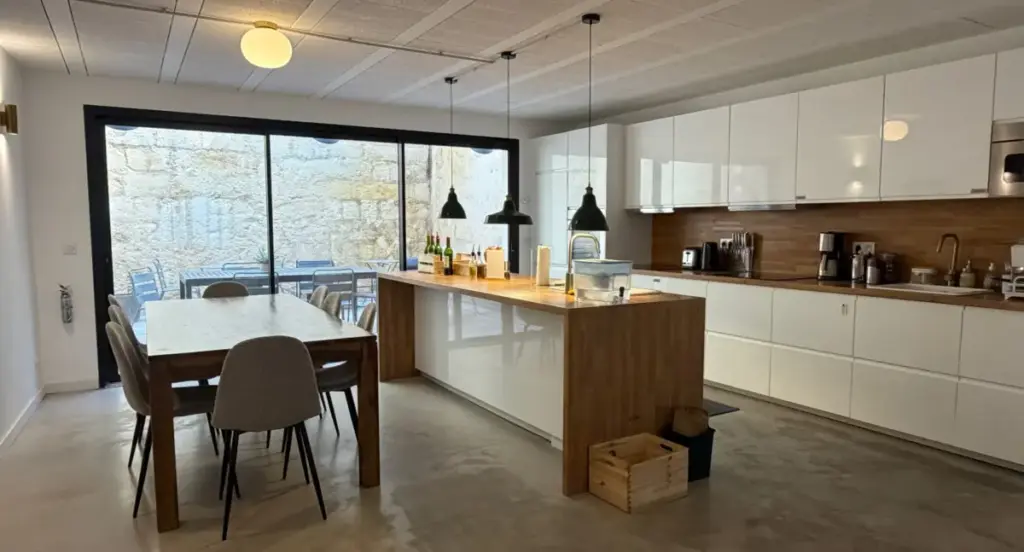
: The Rise of Curated Coliving in the Remote Work Era
The rapid expansion of distributed workforces over the past decade has permanently disrupted traditional boundaries between corporate labor, residential real estate, and global tourism. What was once a niche lifestyle reserved for freelance software engineers and travel bloggers—commonly termed "digital nomadism"—has matured into an institutionalized economic movement. However, as millions of knowledge workers transitioned to remote and hybrid schedules, a persistent operational friction emerged: the struggle to balance baseline professional productivity with meaningful geographic mobility.
For years, remote professionals navigating foreign markets faced a stark binary choice. On one end were budget hostels—cost-effective and socially vibrant, yet severely lacking in quiet workspaces, privacy, and robust digital infrastructure. On the other end were traditional hotels and short-term residential rentals (e.g., Airbnb), which provided privacy and comfort but often lacked verified high-speed connectivity, ergonomic workstations, and pathways for local social integration. This operational void led to widespread worker isolation, reduced productivity, and search fatigue.
In response, specialized hospitality platforms have developed an asset-light, network-driven model that bridges boutique residential accommodation with enterprise-grade coworking infrastructure. At the forefront of this property technology (proptech) evolution is Outsite, a global network of coliving and coworking properties designed specifically for location-independent professionals.
Operating a network of more than 50 locations serving over 5,000 active members worldwide, Outsite offers a standardized environment where enterprise security, high-bandwidth connectivity, and community curation intersect. This report provides an in-depth, investigative analysis of Outsite’s operational framework, corporate chronology, market positioning, and real-world execution, based on direct field evaluations at their European properties.
Detailed Chronology: From Santa Cruz Surf House to Global Infrastructure
+-----------------------------------------------------------------------------------+
|                            OUTSITE'S EVOLUTION TIMELINE                            |
+-----------------------------------------------------------------------------------+
|                                                                                   |
|  2015: FOUNDING                                                                   |
|  • Established in Santa Cruz, CA, targeting "work-and-surf" professionals.         |
|  • Validated demand for high-speed Wi-Fi combined with flexible living.           |
|                                                                                   |
|  2016–2019: PORTFOLIO EXPANSION                                                   |
|  • Scaled across North America, Latin America, and Western Europe.                |
|  • Shifted from informal shared houses to professionally managed boutique units.   |
|                                                                                   |
|  2020–2021: PANDEMIC-ERA PIVOT                                                    |
|  • Corporate knowledge workers joined the traditional nomad base.                 |
|  • Introduced subscription tiers to lock in recurring community revenue.          |
|  |                                                                                |
|  2022–PRESENT: INSTITUTIONALIZATION & GLOBAL REACH                                |
|  • Expanded to 50+ locations, 5,000+ active members worldwide.                    |
|  • Integrated designated local Community Managers and localized event schedules.  |
+-----------------------------------------------------------------------------------+
The Genesis Phase (2015–2018)
Outsite was founded in 2015 against the backdrop of an emerging gig economy and the initial wave of cloud-based collaborative software. The venture originated with a single residential property in Santa Cruz, California. The concept targeted tech professionals seeking to trade corporate headquarters for coastal environments without sacrificing access to high-speed internet or quiet working conditions.
During this foundational period, the platform established its core operational thesis: remote workers would pay a premium for guaranteed workspace specs (ergonomic chairs, reliable power delivery, enterprise-grade Wi-Fi) bundled with private sleeping quarters and communal social areas.
Scaling and Pre-Pandemic Validation (2018–2020)
As venture capital flowed into real estate technology, Outsite systematically expanded its footprint beyond California to international hubs including Lisbon, Costa Rica, and major U.S. metropolitan areas. During this phase, the platform shifted from informal shared houses to systematically managed boutique properties featuring custom interior design, integrated keyless access technology, and dedicated common spaces.
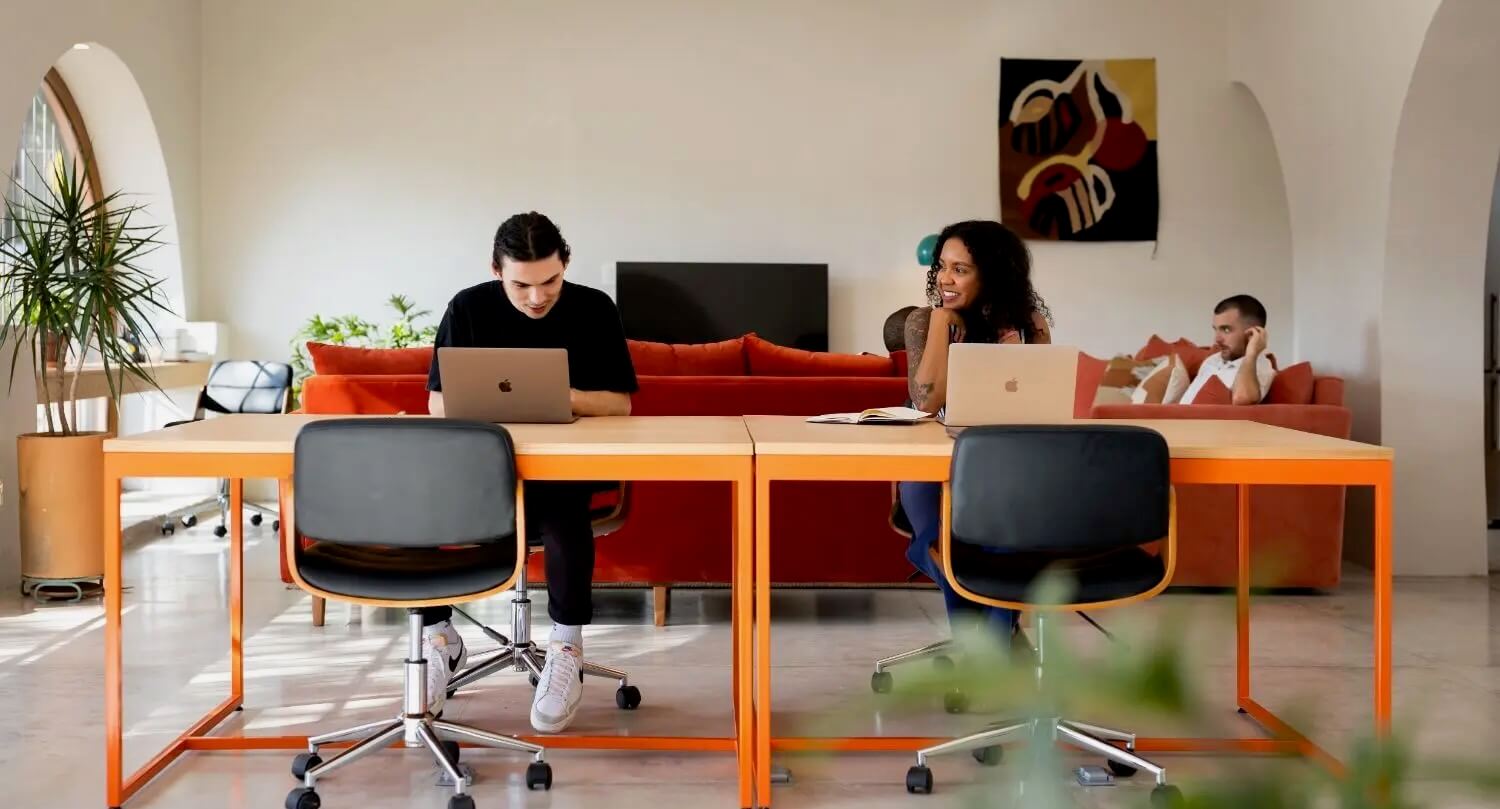
Post-Pandemic Hyper-Growth (2020–Present)
The global pandemic served as a major catalyst for the remote work real estate market. With Fortune 500 enterprises adopting permanent remote or hybrid work policies, Outsite’s addressable market expanded beyond traditional freelancers to include corporate executives, management consultants, and enterprise software developers.
To date, the company has scaled its network to encompass over 50 properties across Europe, North America, Latin America, and Asia, catering to a curated network of more than 5,000 active members.
Supporting Context & Economic Metrics
To evaluate Outsite’s market position, it is essential to analyze the underlying subscription economics, property management logistics, and demographic shifts driving the coliving industry.
+-----------------------------------------------------------------------------------+
|                         OUTSITE MEMBERSHIP STRUCTURE                              |
+-----------------------------------------------------------------------------------+
|  TIER               | COST              | KEY BENEFITS                            |
+---------------------+-------------------+-----------------------------------------+
|  Annual             | $199 / year       | • Reduced nightly booking rates         |
|                     |                   | • Access to member-only locations       |
|                     |                   | • 1 free week in new destinations       |
|                     |                   | • 40% off extended stays / 50% flash    |
+---------------------+-------------------+-----------------------------------------+
|  Lifetime           | $499 one-time     | • All Annual benefits for life          |
|                     |                   | • Job & sublets access board            |
|                     |                   | • Member mixers & ecosystem perks       |
+---------------------+-------------------+-----------------------------------------+
Financial Architecture and Subscription Mechanics
Outsite operates on a hybrid revenue model combining recurring membership subscription fees with real estate occupancy yields:
- Non-Member Booking: While non-members can reserve rooms, they pay standard retail nightly rates without access to network-wide perks.
- Annual Membership ($199/year): Grants members reduced nightly room rates, exclusive access to high-demand properties, advance booking windows, a complimentary week at newly launched locations, up to 40% off extended stays, and access to internal job/sublet boards.
- Lifetime Membership ($499 one-time payment): Offers a perpetual membership pass intended for full-time nomads, locking in discounted rates and platform privileges long-term.
The Financial Arbitrage: Coliving vs. Unbundled Remote Living
For a remote professional navigating a high-cost tier-one or tier-two city, the traditional unbundled alternative involves securing a short-term residential rental (often bearing high cleaning and platform fees) alongside a separate hot-desk membership at a commercial coworking facility (e.g., WeWork or local equivalents).
+-----------------------------------------------------------------------------------+
|               MONTHLY COST COMPARISON (MODERATE METROPOLITAN MARKET)              |
+-----------------------------------------------------------------------------------+
|  EXPENSE CATEGORY       | UNBUNDLED MODEL (AIRBNB + COWORKING) | OUTSITE NETWORK    |
+-------------------------+--------------------------------------+------------------+
|  Private Room / Flat    | $2,400 - $3,200                      | Integrated       |
|  Dedicated Desk Pass    | $350 - $500                          | Integrated       |
|  Utilities & Gigabit IP | $150 - $250                          | Integrated       |
|  Cleaning & Maintenance | $200 - $350                          | Integrated       |
|  Community/Events       | $100 - $200 (Variable)               | Integrated       |
+-------------------------+--------------------------------------+------------------+
|  ESTIMATED TOTAL        | $3,200 - $4,500 / Month              | $2,100 - $3,100  |
+-----------------------------------------------------------------------------------+
Beyond direct cost savings, Outsite mitigates the operational overhead of managing multiple lease agreements, utility setups, and workplace commutes, effectively collapsing living and working environments into a single financial transaction.
Demographic Demarcation
Unlike traditional youth hostels, which cater primarily to budget travelers aged 18 to 24, Outsite’s client base skews significantly older and higher-earning. Internal metrics and guest demographics indicate that the primary age bracket for guests ranges from late 20s to mid-40s. These individuals are typically established professionals, corporate remote workers, or entrepreneurs who require quiet environments, privacy, and guaranteed professional infrastructure.
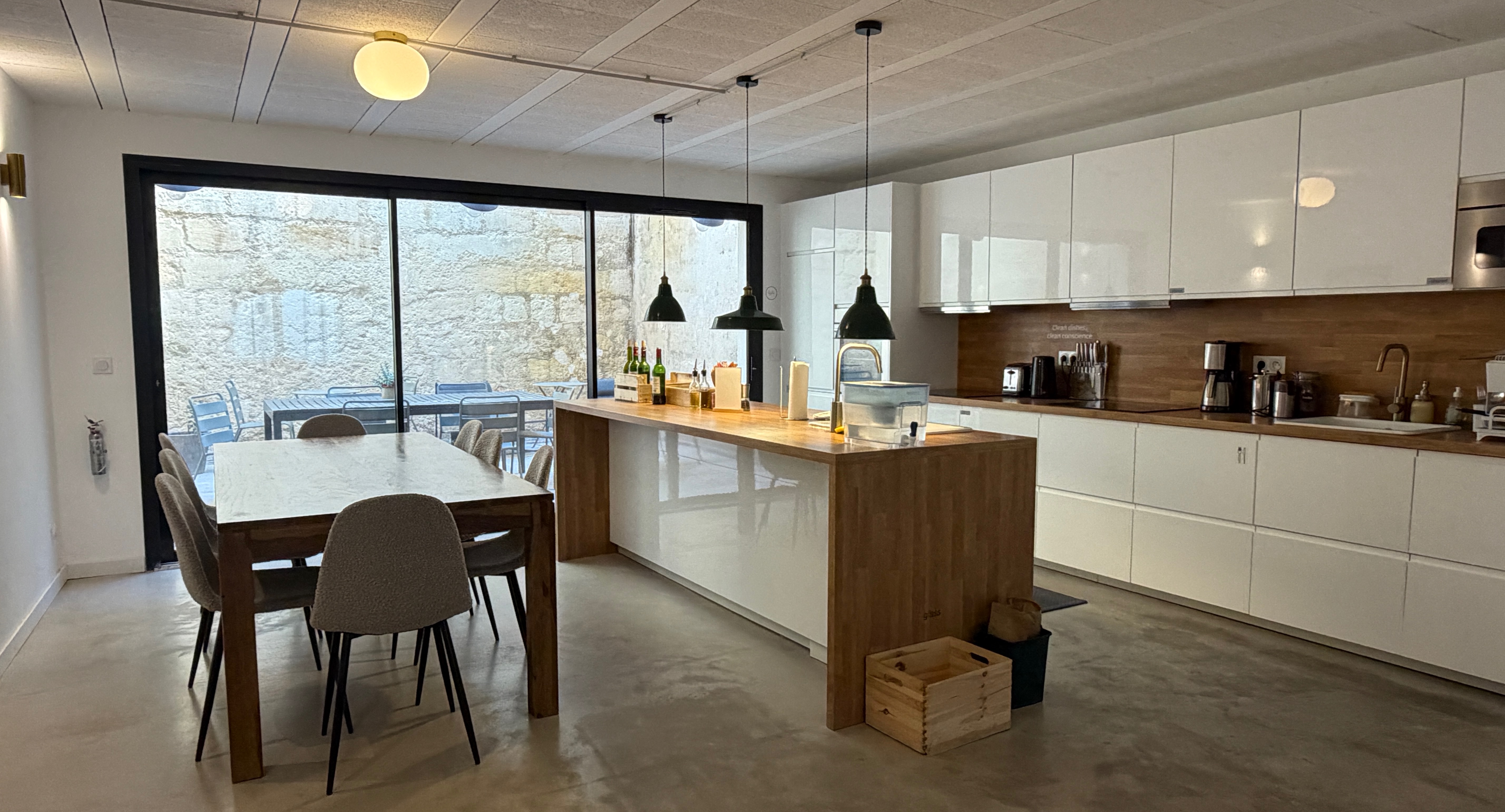
Operational Case Study: Field Assessment of the Bordeaux Property
To evaluate the operational claims made by the platform, a field assessment was conducted at Outsite’s location in Bordeaux, France—a key European market known for its wine industry, digital sector, and high quality of life.
+-----------------------------------------------------------------------------------+
|                    PROPERTY PROFILE: OUTSITE BORDEAUX, FRANCE                     |
+-----------------------------------------------------------------------------------+
|  PROPERTY TYPE      | Refurbished Historic Urban Residence                        |
|  ACCOMMODATIONS     | Private En-Suite Rooms with Workspaces                      |
|  COMMUNAL AMENITIES | Commercial Kitchen, Fitness Studio, Courtyard               |
|  WORKSPACE SPECS    | Enterprise Fiber Wi-Fi, Ergonomic Seating, Power Hubs      |
|  COMMUNITY LEADERSHIP| Full-Time Dedicated On-Site Community Manager              |
+-----------------------------------------------------------------------------------+
Physical Infrastructure and Workplace Ergonomics
The Bordeaux property reflects Outsite’s core design standards. Rather than converting residential bedrooms into temporary workspaces, rooms are equipped with dedicated desks, high-speed Wi-Fi, ample power outlets, and task lighting.
Key infrastructure highlights observed on-site include:
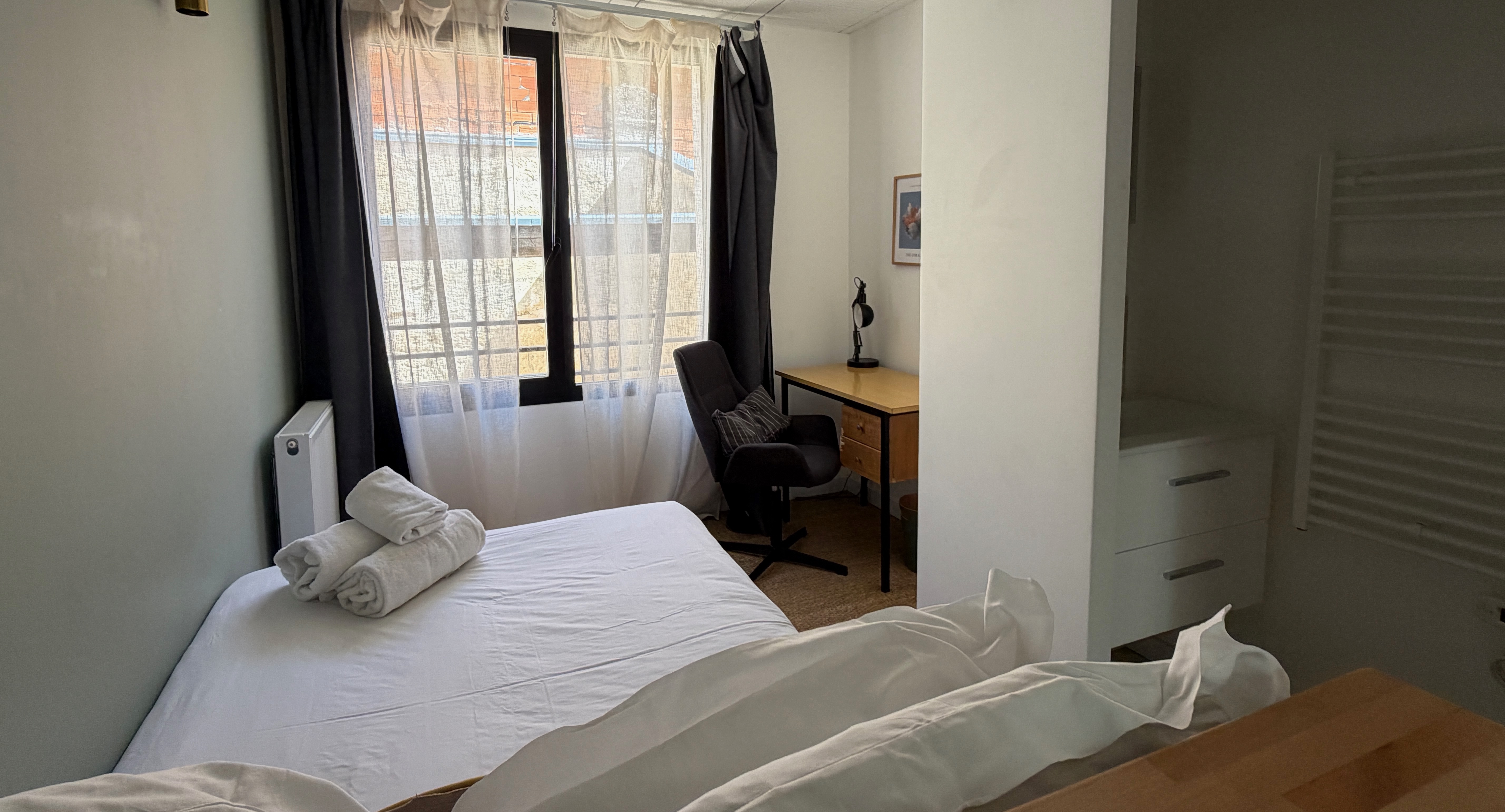
- Acoustic & Climate Control: Private bedrooms feature en-suite bathrooms, updated plumbing with high water pressure, sound insulation, and dedicated work desks to accommodate private video conferencing calls.
- Workspace Integration: The dedicated common workspace functions as an on-site business center. It features enterprise-grade fiber internet with redundant access points, ergonomic seating options, secondary monitors for plug-and-play use, and isolated work zones designed for deep concentration.
- Shared Culinary & Wellness Facilities: The communal kitchen is equipped with commercial-grade appliances, expansive prep counters, daily professional sanitization, and complimentary coffee and tea stations. Additional facilities include laundry setups and a compact functional fitness studio.
  +-----------------------------------------------------------------------------+
  |                   OUTSITE BORDEAUX ARCHITECTURAL LAYOUT                      |
  +-----------------------------------------------------------------------------+
  |                                                                             |
  |  [ PRIVATE SUITES ]   <--->   [ CENTRAL WORKSPACE ]  <--->  [ KITCHEN ]     |
  |  • En-Suite Baths             • Enterprise Wi-Fi            • Daily Housekeeping|
  |  • Private Desks              • Ergonomic Seating           • Commercial Prep   |
  |  • Sound Insulation           • Plug-in Monitors            • Free Coffee/Tea   |
  |                                                                             |
  |                                     |                                       |
  |                                     v                                       |
  |                     [ OUTDOOR PATIO & FITNESS STUDIO ]                      |
  |                     • Social Gathering Point                                |
  |                     • Community Manager-led Events                          |
  +-----------------------------------------------------------------------------+
Community Management and Local Integration
A key differentiator for the platform is the inclusion of a dedicated local Community Manager. Unlike automated self-check-in apartments or passive hotel front-desk staff, the Community Manager acts as an operational node and social facilitator:
- Pre-Arrival Onboarding: Guests are integrated into a secure, location-specific WhatsApp group prior to arrival, instantly providing access to local logistics, neighborhood tips, and peer communications.
- Structured Social Curation: To prevent isolation without forcing socialization, management coordinates weekly events, such as family-style dinners, wine tastings, Friday tapas crawls, and weekend excursions across the region.
- Local Knowledge: The manager provides curated advice on local transportation, remote-friendly cafes, medical services, and hidden culinary spots.
This structured community model balances privacy with social access, allowing guests to build personal and professional connections while maintaining control over their daily schedules.
Sector Challenges, Policy Constraints, and Market Risks
Despite the strong value proposition of the coliving model, several operational, regulatory, and market risks affect the sector.
Municipal Short-Term Rental Regulations
As municipalities worldwide enact stricter controls on short-term residential rentals to protect local housing supply, coliving platforms face evolving regulatory environments. In markets like New York City, local housing codes mandate a minimum 30-day stay for non-owner-occupied residential units. Consequently, platforms like Outsite must adapt their business model, balancing short-stay flex units with long-term 30+ day residential leases depending on local legal requirements.
Inventory Constraints and Lead-Time Friction
Because Outsite prioritizes property quality and specific geographic vibes (urban centers, coastal surf towns, mountain retreats), network capacity is inherently capped. High-demand destinations—such as Lisbon, Portugal, or Santa Teresa, Costa Rica—frequently sell out months in advance during peak seasons. This capacity bottleneck can create friction for digital nomads who prefer spontaneous travel schedules.
+-----------------------------------------------------------------------------------+
|                        STRATEGIC RISK ASSESSMENT MATRIX                           |
+-----------------------------------------------------------------------------------+
|  RISK FACTOR            | IMPACT LEVEL | MITIGATION STRATEGY                      |
+-------------------------+--------------+------------------------------------------+
|  Municipal Short-Term   | HIGH         | Enforce 30-day minimum stay models in    |
|  Rental Restrictions    |              | regulated metropolitan markets.          |
+-------------------------+--------------+------------------------------------------+
|  Peak-Season Capacity   | MEDIUM       | Implement tiered dynamic pricing and     |
|  Bottlenecks            |              | advance booking windows for members.     |
+-------------------------+--------------+------------------------------------------+
|  Operational Expense &  | MEDIUM       | Partner with property owners via lease   |
|  Real Estate Overhead   |              | management rather than full ownership.   |
+-------------------------+--------------+------------------------------------------+
|  Evolving Nomad Tax &   | LOW-MEDIUM   | Offer digital nomad visa assistance and   |
|  Visa Regulations       |              | corporate compliance resources.          |
+-----------------------------------------------------------------------------------+
Operational Overhead and Property Standards
Maintaining consistent service and hardware standards across a global real estate portfolio presents real operational challenges. Variable Wi-Fi performance, building maintenance issues, and differences in local building codes require continuous management. Failure to deliver high-speed connectivity or maintain clean facilities directly threatens member retention and brand equity.
Future Outlook: The Convergence of Hospitality, Real Estate, and Flexible Labor
The expansion of networks like Outsite points to a broader transformation in how global real estate is consumed. As remote work transitions from an emergency pandemic policy into a permanent talent-retention strategy for global companies, the demand for flexible, workspace-ready residential housing is expected to grow.
+-----------------------------------------------------------------------------------+
|                  EMERGING VECTORS IN FLEXIBLE RESIDENTIAL HOUSING                 |
+-----------------------------------------------------------------------------------+
|                                                                                   |
|  [ CORPORATE EXPENSING INTEGRATION ]                                              |
|  • Work-from-anywhere stipends directly integrated into corporate booking tools.  |
|                                                                                   |
|  [ DIGITAL NOMAD VISA SYNERGY ]                                                   |
|  • Strategic alignment with national immigration initiatives (e.g., PT, ES, MX).  |
|                                                                                   |
|  [ SUSTAINABLE & ESG PROPTECH DEVELOPMENT ]                                       |
|  • Energy-efficient adaptive reuse of historic urban structures.                 |
+-----------------------------------------------------------------------------------+
Key Industry Trends Shaping the Future:
- Corporate Subsidization of Remote Stays: Enterprise employers are increasingly offering remote work stipends. Coliving platforms are positioned to capture this spending by providing receipting and workplace setups that meet corporate ergonomic and security standards.
- Synergy with Digital Nomad Visas: Over 60 nations now offer specialized tax and residency programs for remote workers. Flexible housing platforms act as the primary soft-landing infrastructure for workers taking advantage of these multi-month or multi-year visas.
- Real Estate Adaptive Reuse: Property developers are converting underutilized urban office assets and historic boutique hotels into coliving hubs. This approach reduces ground-up construction costs while accelerating market deployment.
Conclusion: Synthesizing Work and Mobility
The evolution of Outsite demonstrates how real estate platforms can adapt to the changing needs of the modern remote workforce. By solving the dual challenges of operational productivity and social isolation, the platform has established a viable alternative to both basic hostels and isolated short-term rentals.
For the modern remote professional, the value of coliving extends beyond flexible leases and reliable Wi-Fi—it lies in access to a structured global community. As the boundaries between work, travel, and lifestyle continue to dissolve, platforms that effectively blend high-performance workplaces with curated communal living are well-positioned to shape the future of global residential real estate.