




Executive Overview
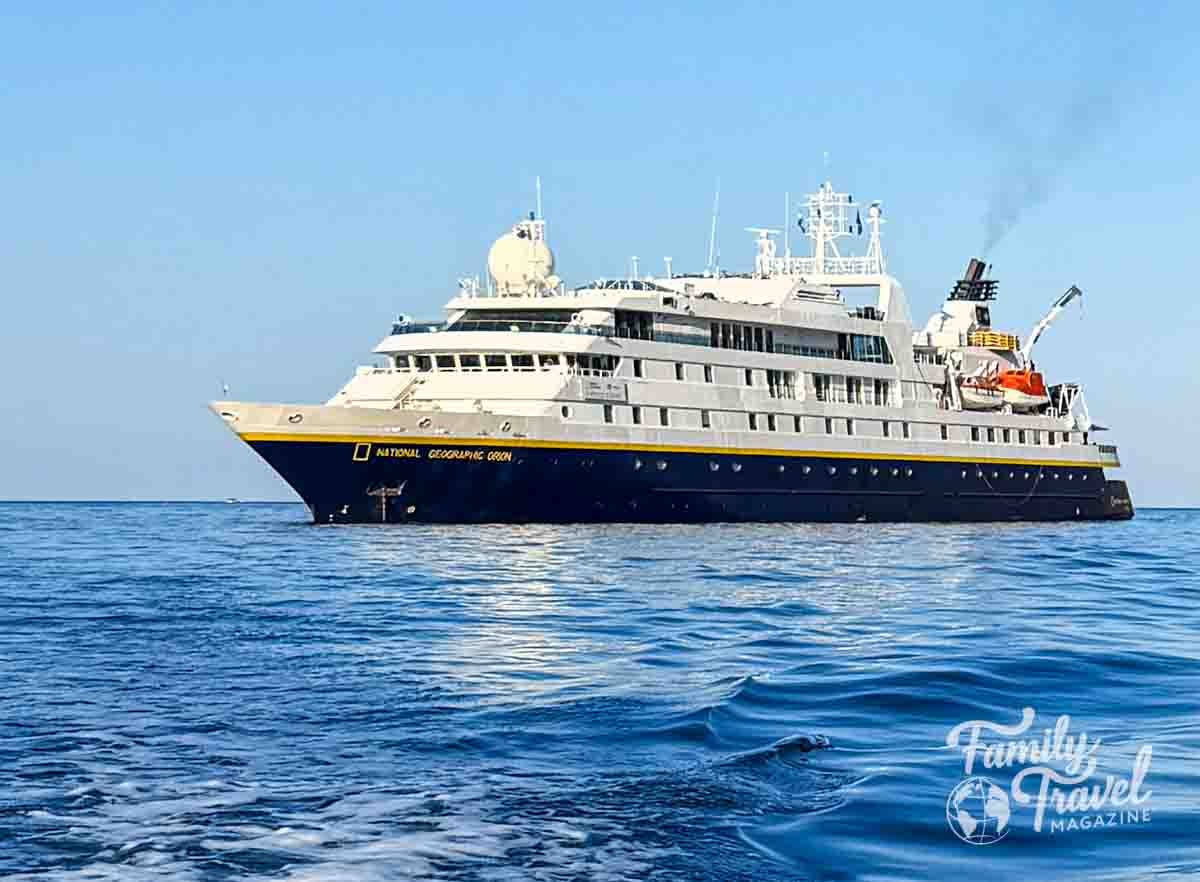
For travelers weary of mega-ships, crowded floating resorts, and rigid land tours, expedition cruising offers an intimate alternative. This summer, a pivot from traditional land itineraries led to a 7-night, 8-day voyage through the waters of Greece, Albania, and Croatia aboard the National Geographic Orion. Operated in partnership between Lindblad Expeditions and National Geographic, the vessel represents a distinct philosophy in modern travel: one that trades casinos, Broadway-style revues, and cavernous dining rooms for open navigation bridges, Zodiac excursions, and daily lectures from seasoned naturalists and scientists.
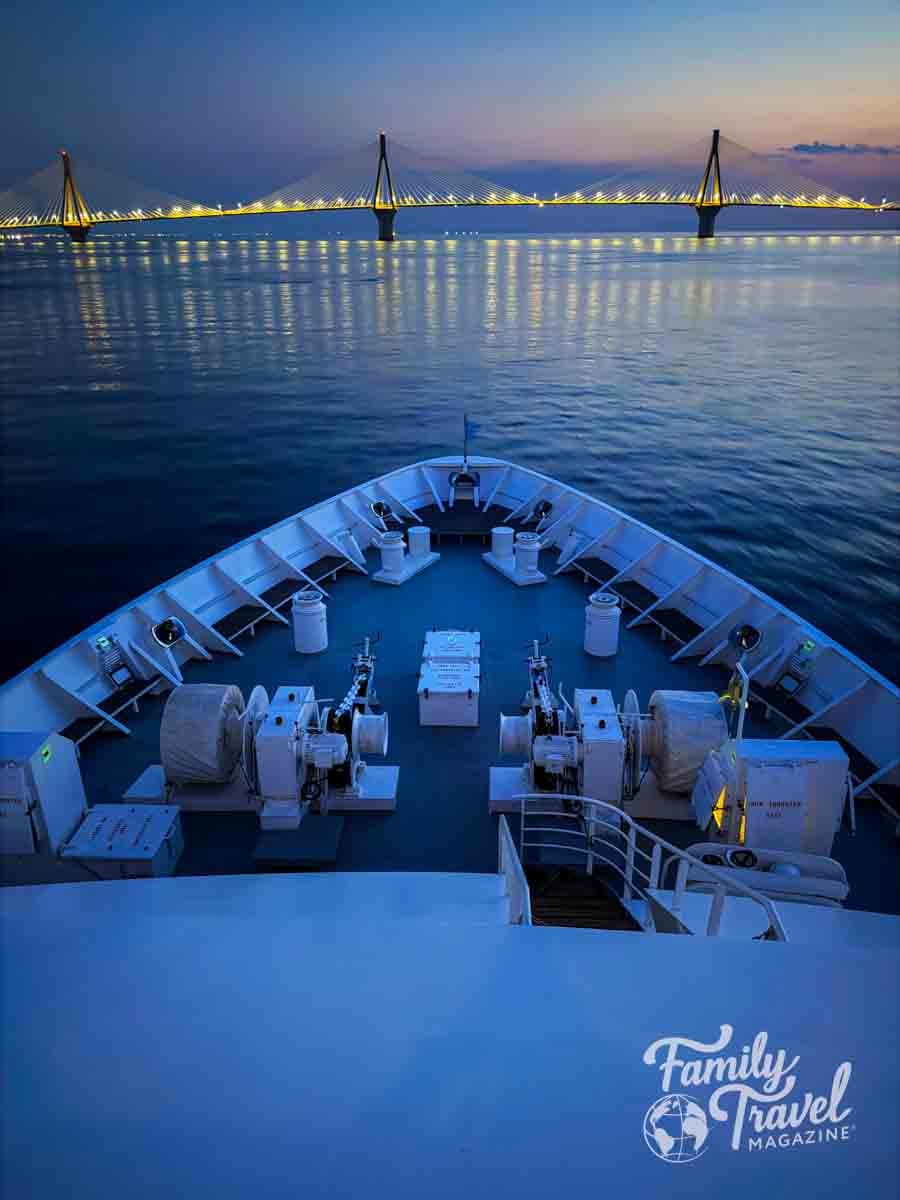
Carrying a maximum of just 102 guests across 53 staterooms, the National Geographic Orion is purpose-built to navigate restricted waterways, secluded bays, and narrow straits—such as the Corinth Canal—that remain completely inaccessible to mainstream cruise liners. Rather than functioning as a floating amusement park, the ship operates as a dynamic, mobile basecamp for immersive education and active exploration.
This comprehensive review explores the anatomy of an expedition cruise on the Orion, examining everything from onboard accommodations and culinary programs to daily logistics, expert-led programming, and the intrinsic value proposition for discerning travelers.
Detailed Chronology: Life Aboard the National Geographic Orion
Navigating the Vessel: Architecture and Layout
Spanning four passenger decks, the National Geographic Orion is remarkably easy to master. Staterooms are distributed across Decks 3, 4, and 5, while public spaces are strategically positioned to encourage socialization and continuous visual connection to the surrounding seas. Unlike massive cruise ships that require long queues for elevators or multi-deck treks to reach dining venues, the Orion features just two main staircases and a single elevator. Passengers can traverse the length of the ship in a matter of minutes.
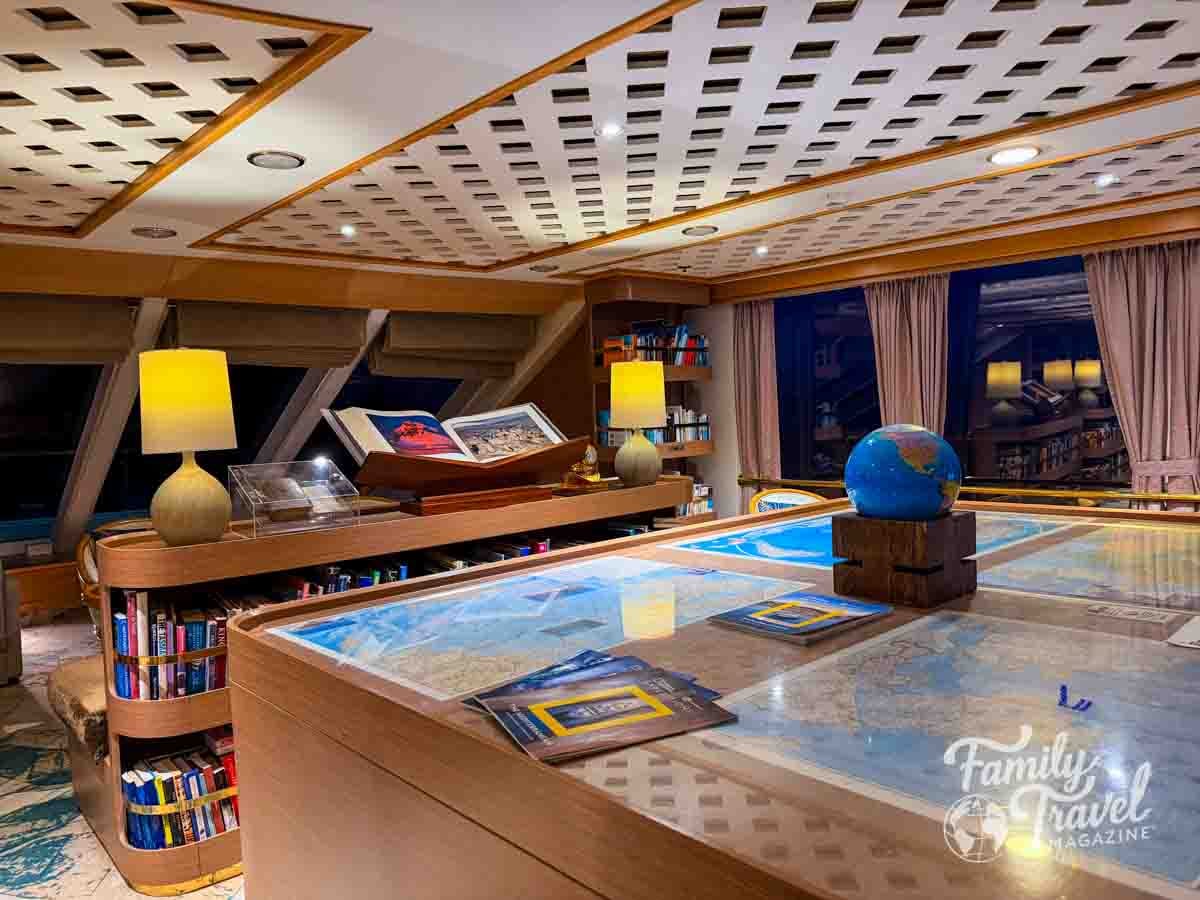
A hallmark of the Lindblad-National Geographic experience is transparency in operations. The ship’s bridge is kept mostly open to guests—barring times when a local pilot is boarding or security protocols dictate otherwise—allowing travelers to observe nautical operations firsthand. Outdoor observation areas, an expansive sundeck, an observation lounge, and an outdoor café provide ample vantage points for wildlife spotting, photography, and panoramic sightseeing.
Accommodations: Staterooms and Amenities
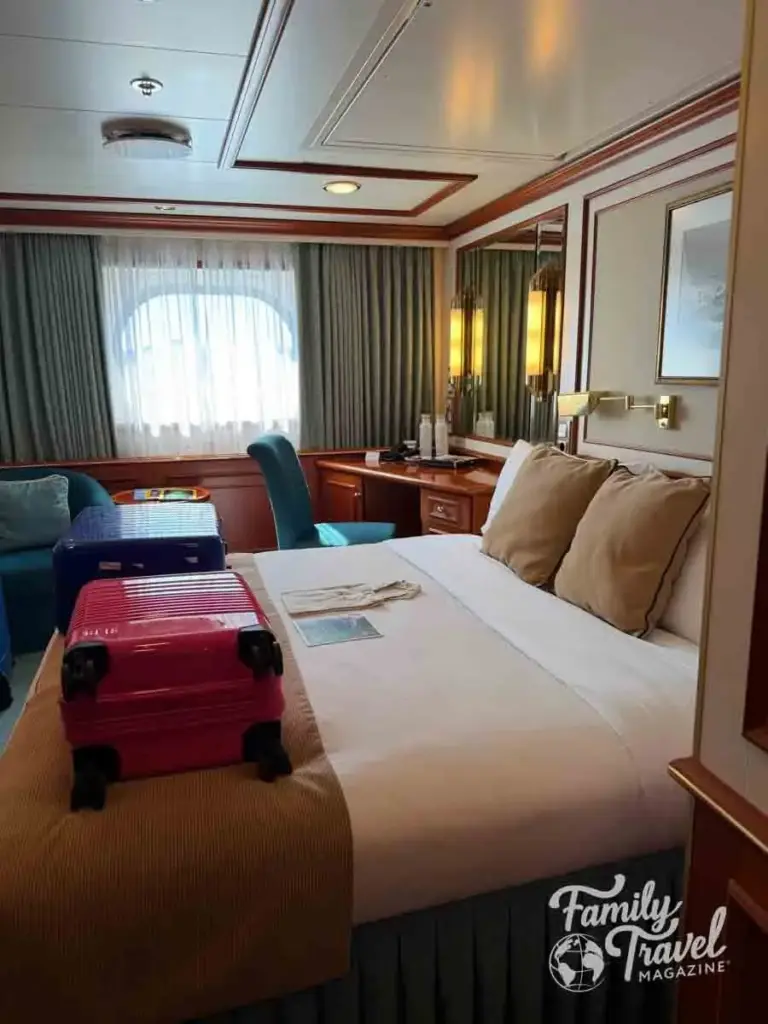
The Orion features 53 ocean-view staterooms divided into several distinct categories based on deck placement and square footage, though none include connecting doors.
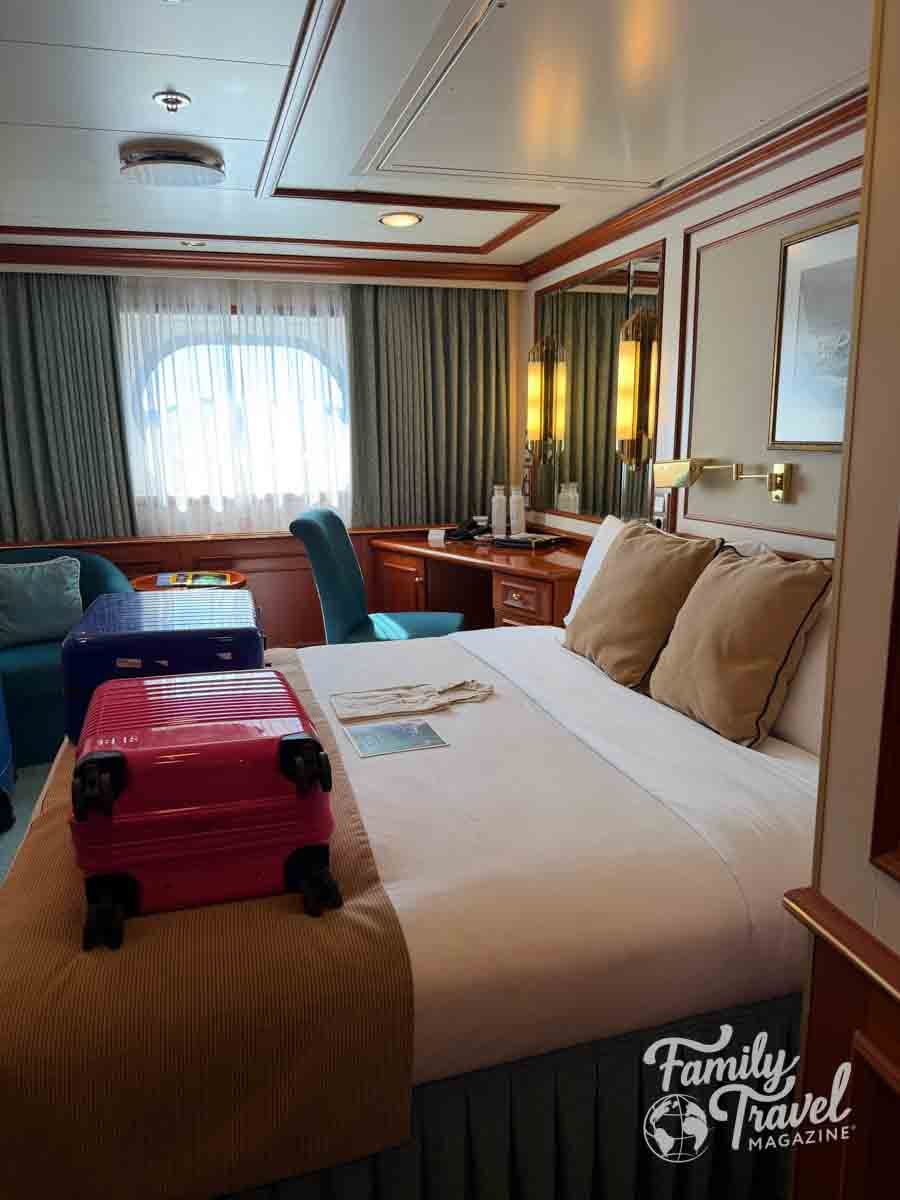
- Main Deck (Deck 3): Categories 1, 2, and 3 house guests in 175- to 180-square-foot rooms equipped with either windows or portholes and configurable queen-to-twin beds. Category 3 staterooms also extend onto Deck 4.
- Bridge Deck (Deck 5): Higher-tier categories (3S, 4, 5, and 6) offer elevated square footage. Category 4 rooms offer traditional windows at roughly 230 square feet; Category 5 introduces shared balconies; and Category 6 delivers spacious layouts with floor-to-ceiling windows or private balconies.
For a multi-destination itinerary where time spent inside the cabin is minimal, mid-tier cabins—such as adjacent Category 2 rooms—provide ample comfort. Storage is efficiently integrated via dual upright closets and scattered drawer units, allowing guests to unpack fully and slide suitcases beneath the beds. Notably, cabin doors on the Orion remain unlocked unless a manual request is filed, fostering a casual, secure community atmosphere where stepping back into one’s room between excursions requires no fumbling for keycards.
Culinary Program: Farm-to-Table Freshness at Sea
Dining on a small expedition vessel naturally departs from the massive multi-restaurant setups found on mega-ships. Yet, the Orion’s culinary execution is both seamless and sophisticated.
- Breakfast: Mornings begin with an early-riser breakfast in the observation lounge/library for guests heading out on dawn excursions. This is followed by a full breakfast buffet at the outdoor café around 7:00 AM, featuring standard hot and cold items alongside a cook-to-order omelet station and a rotating daily specialty (such as French toast, waffles, or eggs Benedict). Espresso drinks, fresh juices, and specialty coffees are served directly to the table.
- Lunch: Served primarily as a buffet in the outdoor café, lunch highlights fresh local ingredients, soups, artisanal salads, carved meats, and house-made desserts.
- Dinner: Dinner is served as a single-seating, open-plan meal in the main dining room. Menus are posted daily outside the lounge, with guests indicating their entrée choice earlier in the day to aid kitchen preparation (though modifications at table-side remain permitted). While children’s menus are absent, standard comfort foods—such as grilled chicken, pasta, and Caesar salads—cater to conservative palates.
Sustainability is woven directly into the beverage program: single-use plastic water bottles are entirely banned. Every passenger receives a permanent metal water bottle, replenished via hydration stations positioned across the ship and large coolers brought along on shore excursions.
Daily Rhythms, Zodiacs, and Excursions
Days on the Orion are structurally designed around active exploration. Excursion assignments are coordinated prior to embarkation, with final schedules distributed on day one.
The daily routine typically unfolds as follows:
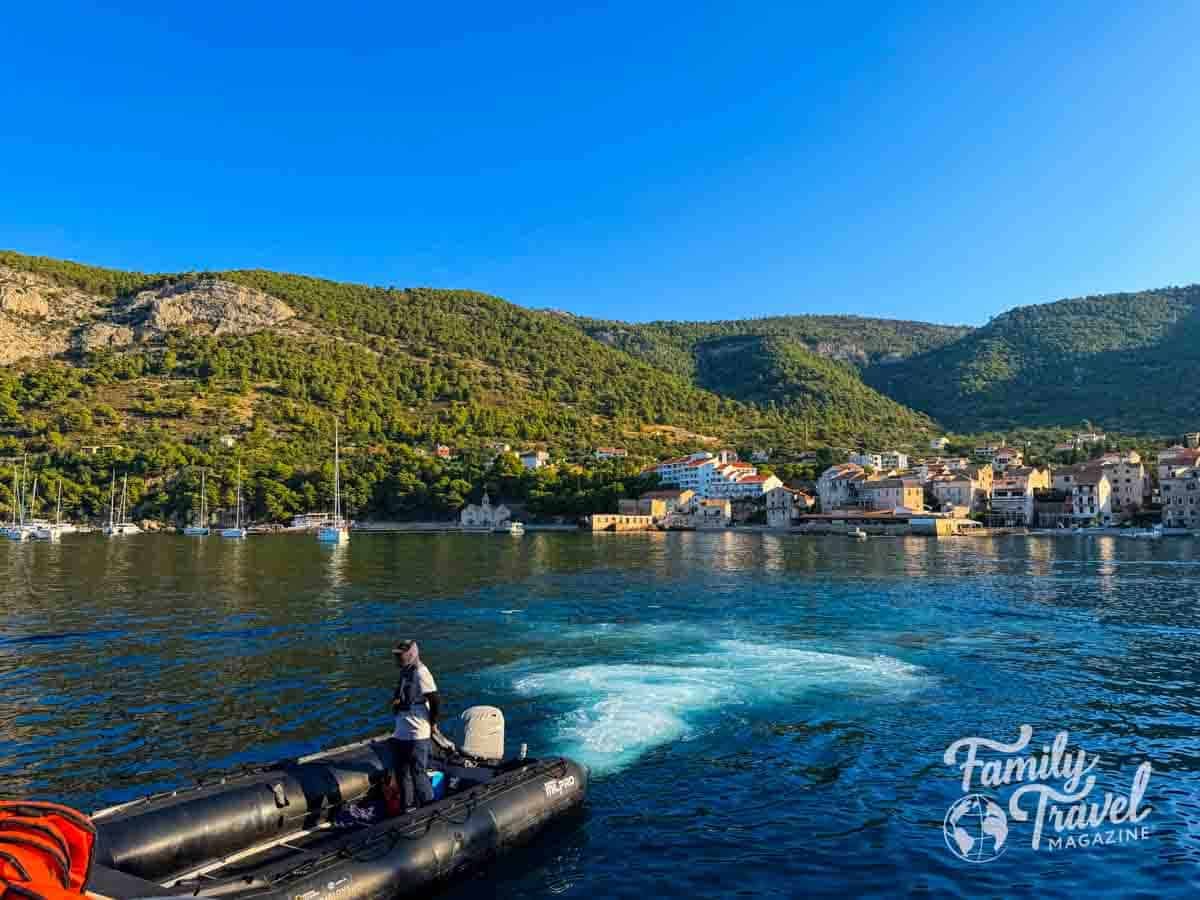
- Morning Briefing and Departure: Following breakfast, guests assemble for departures via the ship’s Zodiac fleet. On the first full day, passengers undergo mandatory safety briefings regarding embarkation and disembarkation protocols for the inflatable boats, which hold 10 to 11 passengers.
- Onshore Exploration: Guided by naturalists and cultural experts, guests explore coastal towns, historical ruins, and isolated beaches. Zodiacs operate continuously, allowing travelers to return to the ship at their leisure.
- Evening Recaps and Briefings: Upon return, evenings feature educational lectures, documentary screenings, trivia, or the popular crew talent show. This is followed by the nightly recap session, where the Expedition Leader outlines the logistics for the following day, accompanied by brief presentations from the onboard experts.
Supporting Context & Metrics
To contextualize the operational scale of the National Geographic Orion, consider the following structural metrics:
- Vessel Classification: Small-ship Expedition Cruise Vessel
- Operating Partnership: Lindblad Expeditions & National Geographic
- Maximum Passenger Capacity: 102 guests
- Total Staterooms: 53 (100% ocean-view)
- Crew-to-Guest Ratio: Approximately 1:1.3 (~75 crew members)
- Onboard Specialists: Expedition Leader, National Geographic Photographer, Marine Naturalists, Undersea Specialist, Cultural Historian, and Wine Educator.
- Navigation Range: Designed for polar and temperate waters, capable of entering shallow harbors, narrow canals, and isolated archipelagos.
The high crew-to-guest ratio yields a personalized service model. Stewards, bartenders, and dining room staff rapidly memorize guest names and specific dietary preferences, cultivating an atmosphere of familial hospitality that contrasts sharply with the anonymous service loops of larger commercial liners.
Official Statements and Industry Insights
Expedition cruising occupies a rapidly expanding niche within the global travel market, driven by consumer demand for authentic, knowledge-driven travel experiences. Industry analysts note that travelers are increasingly willing to trade high-gloss amenities—such as onboard casinos and waterslides—for direct access to fragile ecosystems and culturally rich ports of call.
Representatives from Lindblad Expeditions emphasize that the core value of a National Geographic-branded voyage lies in its intellectual capital:
"When you travel with us, you aren’t just visiting a destination; you are gaining fluency in its ecology, history, and human narrative through the lens of world-class scientists, photographers, and regional experts."
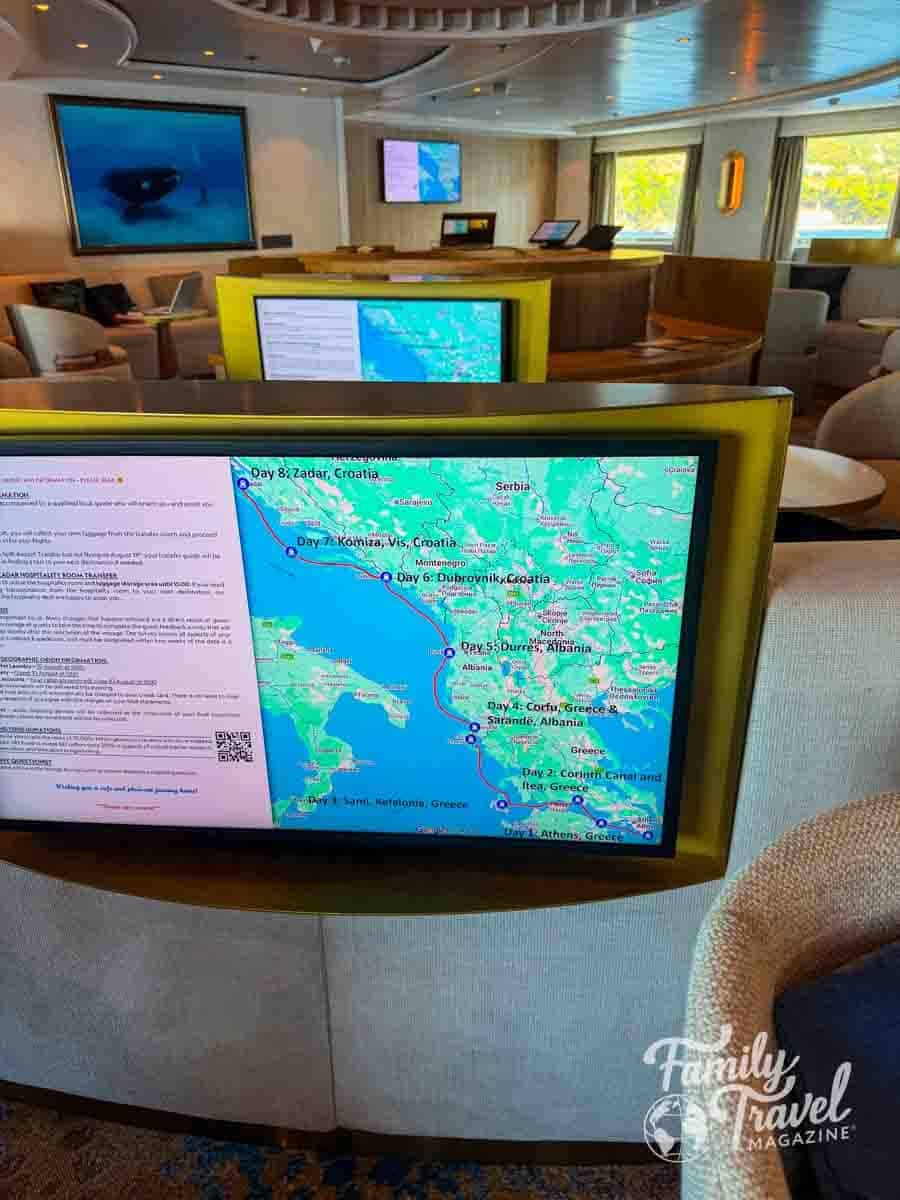
Seasoned cruisers note that transitioning from a 3,000-passenger ship to a 102-guest vessel requires an adjustment in expectations regarding entertainment, yet the trade-off in itinerary efficiency is profound. By utilizing overnight transit windows to sail between nations—such as moving seamlessly from Corfu to the Albanian coastline—passengers maximize daylight hours for exploration rather than spending them on lengthy bus or train transfers.
Future Outlook: The Evolution of Expedition Travel
As global tourism continues to rebound, the demand for small-ship, sustainable expeditions is projected to accelerate. Travelers are placing a premium on low-impact tourism models that respect local communities and fragile marine environments.
The National Geographic Orion model points toward the future of specialized cruising: vessels that serve as floating research and educational platforms rather than floating cities. For travelers evaluating future vacations, the choice comes down to a fundamental philosophical split: do you vacation to be entertained, or do you travel to be transformed? For those leaning toward the latter, the expedition cruise format sets a gold standard that traditional cruising struggles to match.