


Executive Overview
For generations, outdoor recreation culture has quietly—and sometimes not so quietly—worshipped a specific brand of ascetic purity. The ideal adventurer was framed as a self-reliant mountaineer, a rugged backpacker, or a dedicated climber willing to endure physical suffering to reach places untouched by the masses. Within this subculture, America’s National Park System was often dismissed as "too soft"—a sanitized, roadside version of the wilderness designed for tourists in flip-flops rather than hardened purists seeking solitude.
Yet, a profound cultural and personal shift is quietly reshaping how outdoor enthusiasts view these crown jewels of public land. Far from being an antithesis to true wilderness immersion, the National Park System serves as the vital gateway through which millions of people discover the natural world. By lowering the barrier to entry, offering universal accessibility, and presenting iconic views just steps from a parking lot, national parks cultivate a broad, inclusive constituency for conservation.
This article explores the evolution of the modern outdoor mindset—tracing a personal journey from backcountry elitism to a deep appreciation for accessible public lands—and examines how welcoming the masses to places like Yellowstone, Glacier, and Zion builds the foundational army of advocates needed to protect all public lands for generations to come.
Detailed Chronology: From Backcountry Purist to Park Advocate
The Early Years: The Cult of Wilderness Elitism
The author’s journey into the outdoors followed a traditional, almost hereditary path. Raised by a lineage of mountaineers, outdoor recreation was defined by isolation and physical endeavor. The metric of a successful trip was directly tied to remoteness: the deeper into the backcountry, the better. Accompanied by large dogs and a disdain for crowds, this lifestyle left little room for boardwalks, paved paths, or park rangers. National parks were viewed through a cynical lens—overcrowded, overly developed, and fundamentally inauthentic.
The Turning Point: The #VanLife Reckoning
Like many in their early twenties, the author experienced a transitional period marked by radical life changes, culminating in a move into a car. This coincided with the dawn of the #vanlife movement. Armed with a Subaru hatchback, a partner, and a dog, they set out with grand ambitions to vagabond through the Canadian Rockies.
When that initial, poorly hatched plan faltered, the travelers pivoted, spending a summer cruising the western United States. Their route swept through half a dozen iconic national parks. For the first time, the author witnessed a different side of the natural world: an ecosystem of wilderness rendered accessible to everyone.
They saw teenagers in slides and families weighed down with bear spray gathering at the Old Faithful viewing platform. They encountered international tourists navigating language barriers alongside elite mountaineers preparing to summit Mount Rainier. Because they traveled with a dog—which limited their ability to venture far beyond front-country roads—they experienced the parks in a way they previously would have scorned:
- Yellowstone National Park: Watching Old Faithful erupt surrounded by diverse crowds.
- Glacier National Park: Driving the breathtaking expanse of the Going-to-the-Sun Road.
- Mount Rainier National Park: Gazing up at wildflower meadows from the comfort of Paradise Lodge.
- Crater Lake and Redwood: Pulling up to panoramic viewpoints just steps from the pavement.
- North Cascades and Olympic: Finding dog-friendly segments of the Pacific Crest Trail and floating on Lake Crescent in a canoe while local grandparents helped watch the dog.
Though initially written off as surface-level tourism, these experiences planted the seeds of a profound realization: these accessible landscapes were awe-inspiring, emotionally resonant, and transformative.
The Awakening: Sparking Deeper Exploration
Rather than diluting the outdoor experience, the ease of access served as an invitation. Standing before unimaginable vistas in comfortable attire dismantled the intimidation factor often associated with deep-wilderness travel. The presence of smiling, knowledgeable park rangers provided a safety net for novices.
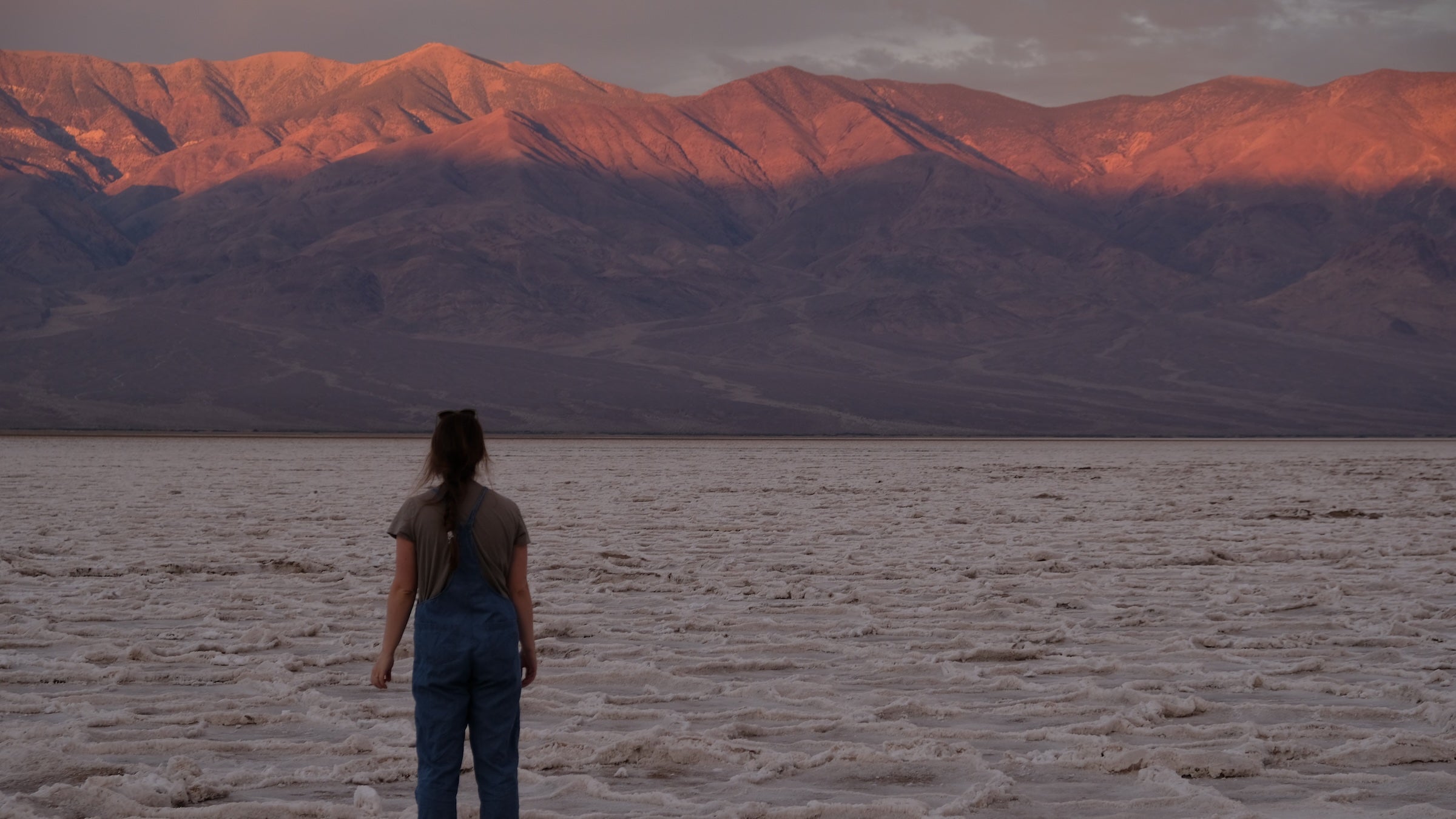
Crucially, this surface-level exposure acted as a catalyst. It sparked an overwhelming desire to explore deeper: to return to Olympic and camp on its rugged beaches, to hike to Glacier’s namesake icebergs, to take a boat deep into the remote Cascades to the hidden community of Stehekin, and to cross every remaining park off the bucket list.
A Decade of Discovery
Two years after that formative road trip, the author secured a job at National Park Trips (a sister publication to Outside). Over the better part of the next decade, this professional immersion led to the exploration of 25 national parks. More importantly, it provided a vantage point to observe how these landscapes affect millions of everyday visitors, cementing the understanding that national parks are the ultimate gateway drug to lifelong environmental stewardship.
Supporting Context & Metrics: The Power of Accessible Public Lands
To understand the cultural importance of the National Park System, one must examine the intersection of visitation statistics, demographics, and psychological impact.
The Scale of Public Engagement
The National Park Service (NPS) manages over 400 units across more than 85 million acres. In recent years, annual visitation to the National Park System has soared past 300 million visits. While critics often decry overcrowding and traffic congestion at premier sites like Zion, Yosemite, and the Great Smoky Mountains, these high numbers represent an extraordinary cultural asset.
| Park Category | Primary Appeal | Conservation Impact |
|---|---|---|
| Front-Country & Iconic Parks | Paved trails, visitor centers, ranger programs, accessibility. | Lowers barrier to entry; introduces diverse demographics to nature. |
| Backcountry & Wilderness Areas | Remoteness, rugged terrain, solitude, self-reliance. | Tests advanced skills; fosters deep, localized ecological connection. |
Lowering the Barrier to Entry
Outdoor recreation has historically suffered from systemic barriers, including socioeconomic hurdles, gear costs, and geographic isolation. National parks democratize the landscape. Paved paths, shuttle systems, clear signage, and ADA-accessible viewpoints allow individuals of all ages, physical abilities, and cultural backgrounds to experience the grandeur of the American landscape.
During a recent excursion into Rocky Mountain National Park, the author noted that the surrounding faces represented the most diverse gathering of outdoor enthusiasts witnessed all year. This diversity is not accidental; it is the direct result of infrastructure that welcomes rather than excludes.
The Psychological Cascade of Nature
Environmental psychologists have long studied the "gateway effect" of nature immersion. Witnessing iconic wildlife—such as spotting a moose in Grand Teton—or conquering a first modest hike triggers a psychological reward loop. This positive reinforcement builds confidence, dispels outdoor anxiety, and fosters a personal connection to the environment. Once individuals feel a sense of ownership and wonder toward a national park, they are significantly more likely to support conservation policies, donate to environmental nonprofits, and advocate for the protection of public lands at large.
Official Statements & Expert Perspectives
Conservationists, park rangers, and outdoor industry leaders increasingly recognize that the health of deep wilderness depends entirely on the popularity of front-country parks.
Dr. Elena Vance, a prominent environmental sociologist studying public land engagement, notes:

"We cannot expect the general public to fight for the protection of remote, unmarked wilderness areas if they have never experienced the awe of a national park. The boardwalks, the visitor centers, and the crowded viewpoints are not the enemies of conservation—they are its nursery. When a child sees an old-growth redwood or an elk herd in Yellowstone, that child becomes a steward for life."
Park rangers often echo this sentiment on the ground. Rather than viewing crowds merely as a logistical challenge, interpretive rangers frame their work as an educational mission. A single interaction at a visitor center—helping a visitor navigate bear-proof trash cans or deciphering a trail map—can change an urbanite’s relationship with the natural world.
National Park Service leadership continually emphasizes the dual mandate established by the Organic Act of 1916: to conserve the scenery and the natural and historic objects and the wildlife therein, and to provide for the enjoyment of the same in such manner and by such means as will leave them unimpaired. Striking this balance requires honoring both the backcountry solitude seeker and the family visiting Old Faithful for the very first time.
Future Outlook: Protecting the Gateway for the Next Generation
As the outdoor recreation community navigates an era of unprecedented visitation, climate change pressures, and shifting demographics, the debate over how to manage our public lands will only intensify. Proposals ranging from reservation systems and vehicle caps to electrified shuttle fleets are already reshaping how visitors access parks like Glacier, Rocky Mountain, and Zion.
However, management challenges should not breed elitism. The survival of America’s entire public lands network—from multi-use Bureau of Land Management (BLM) tracts and National Forests to remote wilderness areas and urban green spaces—relies on a broad coalition of supporters.
When national parks succeed in welcoming millions of diverse visitors, they build a formidable political and cultural bulwark against threats such as resource extraction, public land sell-offs, and industrial encroachment.
Celebrating, visiting, and advocating for our national parks is ultimately an investment in the entire spectrum of outdoor recreation. Whether spending a weekend pushing deep into an unmarked backcountry range or strolling along a paved path at Grand Canyon’s North Rim, outdoor enthusiasts share a common lineage. By embracing the national park experience as a powerful catalyst for conservation, the outdoor community can ensure that the next generation of wilderness lovers finds its footing right where the pavement ends.