



NEW YORK — It is the ultimate paradox of modern travel marketing: a consumer scrolls through Instagram or TikTok, stops to watch a breathtaking 15-second video of a hidden-gem boutique hotel in Amalfi or a lush resort in Bali, and instantly saves the post. They dream about it for weeks, discuss it with their partner over dinner, research flights during their lunch breaks, and finally, three months later, book the trip.
To the human mind, the chain of events is clear. The creator’s video was the spark that ignited the entire journey. Yet, to the digital tracking systems used by most travel brands, that creator’s contribution is completely invisible.
Because the consumer ultimately booked through a search engine, a loyalty app, or an online travel agency (OTA) months after viewing the video, traditional "last-click" attribution models hand 100% of the credit to the final booking channel. The creator who inspired the trip receives zero credit.
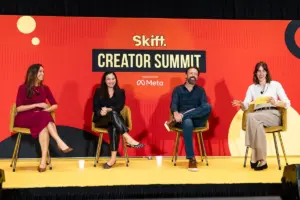
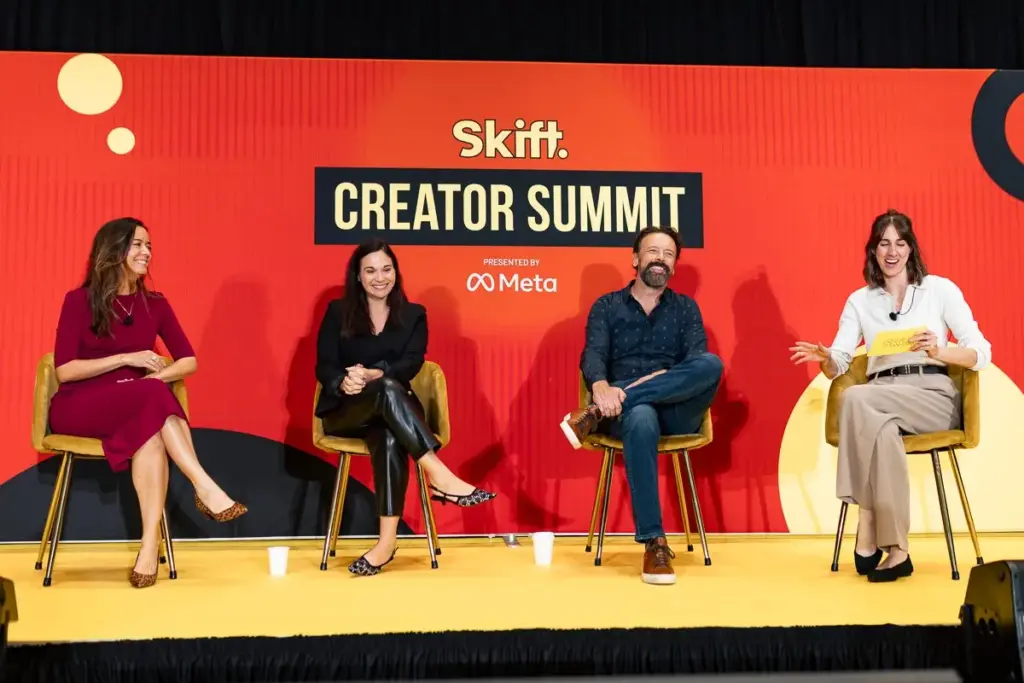
This persistent measurement gap was a central theme at the Skift Creator Summit in New York City on September 22, 2026. Industry leaders gathered to dissect how travel brands can better connect the dots between top-of-funnel inspiration and bottom-of-funnel conversions in an era dominated by short-form video.
The Inspiration-to-Booking Lag: Travel’s Unique Dilemma
Unlike retail or fast-fashion, where a consumer might see an influencer wearing a jacket and immediately click a link to purchase it for $50, travel is a high-consideration, high-cost purchase. People do not typically book a $5,000 family vacation or a week-long international cruise on impulse.
This inherent lag between inspiration and transaction makes measuring social media ROI exceptionally difficult for travel companies.
According to panelists at the summit, this lag can stretch from several weeks to many months. During this latency period, a consumer will interact with dozens of different touchpoints—reading blog posts, comparing flight prices on Google, checking TripAdvisor reviews, and consulting friends. By the time they enter their credit card information, the original social media post that sparked the desire has long since expired from the tracking cookie’s window.
This lag creates a structural bias in marketing budgets. When travel brands rely strictly on immediate, click-based attribution metrics, they tend to over-allocate funds to bottom-of-funnel search ads and under-invest in the creative storytelling that actually drives new customer acquisition.
The Death of the ‘Last-Click’ Metric in a Video-First World
The reliance on direct click-through rates is not just outdated; it is actively misleading in a world where content consumption has fundamentally shifted.
Speaking at the summit, Diana Lucas, Director of Marketing Science for North America at Meta Platforms, pointed out that the vast majority of social media engagement no longer happens via text or static images. Today, approximately 60% of the content consumed on Instagram and Facebook is video.
Meta Platforms Content Consumption Share:
[==================== Video Content: 60% ====================] [== Other: 40% ==]
This shift to video fundamentally changes how users interact with platforms. Video is an immersive, lean-back medium. When users watch Reels or TikToks, they are consuming content passively and are highly unlikely to interrupt their viewing experience to click a link, navigate to an external website, and complete a complex booking flow on their mobile devices.
"If you’re only focusing on click-based attribution, you’re missing the vast majority of the impact," Lucas explained. She emphasized that optimizing campaigns solely for immediate clicks forces algorithms to target a very small, highly specific subset of users who are prone to clicking ads, rather than the broader audience of high-value travelers who consume video content and make purchasing decisions later.
When brands evaluate video campaigns using the same metrics they use for search ads, they set their creator partnerships up for perceived failure. A video might generate millions of views, high engagement, and massive brand lift, but if it fails to produce immediate affiliate-link clicks, traditional dashboard analytics will flag it as underperforming.
Hyatt’s Approach: Balancing Immediate Loyalty with Brand Equity
For major hospitality brands, solving this measurement puzzle requires a delicate balance between driving immediate business outcomes and building long-term brand equity.
Laurie Blair, Senior Vice President of Global Marketing and Loyalty at Hyatt, shared how the hospitality giant approaches creator partnerships. For Hyatt, the goal of creator marketing is twofold: it must drive awareness for Hyatt’s diverse portfolio of brands—ranging from luxury properties like Park Hyatt to wellness-centric brands like Miraval—while also feeding the company’s powerful loyalty engine, World of Hyatt.
            +-------------------------------------------+
            |         Hyatt's Dual-Track Funnel         |
            +-------------------------------------------+
                                  |
         +------------------------+------------------------+
         |                                                 |
         v                                                 v
+-------------------------------+                 +-------------------------------+
|     Top-of-Funnel Brand       |                 |     Bottom-of-Funnel Loyalty  |
|  - Creator-led video tours    |                 |  - Member-only promotions     |
|  - High-production storytelling|                 |  - Direct-booking incentives  |
|  - Brand awareness & desire   |                 |  - World of Hyatt sign-ups    |
+-------------------------------+                 +-------------------------------+
Blair explained that Hyatt looks at creator partnerships as a way to tell authentic stories that a brand-produced commercial simply cannot replicate. A creator experiencing a Hyatt property can showcase the nuance of the service, the local neighborhood, and the culinary offerings in a way that feels genuine to the traveler.
To bridge the gap between inspiration and booking, Hyatt leverages its loyalty program. By encouraging social media viewers to join World of Hyatt, the brand creates a direct channel of first-party data.

Once a user becomes a loyalty member, Hyatt can track their behavior across devices and platforms over time. If a customer joins the loyalty program after interacting with a social media campaign and subsequently books a stay three months later, the marketing team can more accurately trace the long-tail value of that initial social media touchpoint.
Rewriting the Creator Playbook: The Matador Network Model
As the media landscape evolves, the definition of a "creator" is also expanding. It is no longer just about individual influencers posting selfies; it is about sophisticated media ecosystems that produce high-quality, distributable travel content at scale.
Ross Borden, Founder and CEO of Matador Network, discussed how travel publishers and creator networks are evolving their strategies to help brands measure and maximize their return on investment. Matador Network, one of the world’s largest independent travel publishers, has spent years refining how creator-led content is distributed and analyzed.
Borden argued that the traditional model of paying a creator to post on their own personal channel is only a fraction of the opportunity. To truly drive ROI, travel brands must treat creator content as a highly optimization-friendly asset.
This involves "creator licensing" or "whitelisting," where brands run targeted paid advertisements through the creator’s social media handles. This approach combines the authentic, trusted voice of the creator with the precise targeting and retargeting capabilities of modern ad platforms.
For example, if a creator produces a highly engaging video about a destination, Matador and its brand partners can serve that video to a highly targeted audience of travelers who have already shown intent to visit that region. They can then retarget the users who watched at least 50% of the video with sequential ads offering booking incentives.
This multi-step funnel transforms creator content from a simple awareness play into a structured, measurable customer acquisition pipeline.
The Future of Travel Attribution: Science, Sentiment, and First-Party Data
As third-party cookies continue to deprecate and privacy regulations tighten, the travel industry is being forced to move away from simplistic tracking models toward more sophisticated, scientifically backed measurement methodologies.
Panelists at the summit highlighted several emerging strategies that travel brands are adopting to measure the true impact of their creator and social media investments:
1. Brand Lift Studies and Sentiment Analysis
Instead of counting clicks, forward-thinking brands are measuring changes in consumer perception. By conducting randomized control group studies on social media platforms, brands can measure the "lift" in brand awareness, favorability, and booking intent among users who were exposed to creator videos compared to those who were not.
2. Marketing Mix Modeling (MMM)
Larger travel brands are increasingly relying on Marketing Mix Modeling—a statistical analysis method that uses historical sales and marketing data to estimate the impact of various marketing tactics on overall revenue. MMM is highly effective at capturing the long-term, offline, and indirect impacts of top-of-funnel channels like creator video, which traditional digital tracking misses.
3. Incrementality Testing
Incrementality testing involves running head-to-head experiments to determine whether a marketing campaign actually drove new bookings that would not have occurred otherwise. By holding back social media spend in certain geographic markets while maintaining it in others, travel brands can isolate the exact revenue lift generated by their social media and creator campaigns.
4. Promo Codes and Bespoke Booking Landing Pages
While less sophisticated than statistical modeling, offering creators unique, trackable booking links or exclusive promo codes remains a reliable way to capture direct conversions, especially when paired with value-added incentives like free breakfast or property credits.
The Path Forward for Travel Marketers
The consensus among the experts at the Skift Creator Summit was clear: travel brands that continue to evaluate creator-led social media content through the narrow lens of last-click attribution risk falling behind.
In a world where 60% of social media consumption is video, and where the path to booking a vacation is inherently long and complex, marketing success requires a shift in mindset. Brands must treat creators not merely as transactional distribution channels, but as critical partners in building brand equity, generating high-quality creative assets, and fueling the long-term consumer funnel.
By combining authentic creator storytelling with advanced marketing science, first-party loyalty data, and sophisticated retargeting strategies, travel brands can finally bridge the gap between the screen and the suite—turning digital inspiration into measurable bookings.