


Executive Overview
For decades, the standard paradigm for experiencing New Zealand’s majestic Southern Lakes has been rooted in the immersive, multi-day wilderness expedition. This traditional narrative involves booking specialized guided walks, shouldering heavy packs laden with provisions, bunking in Department of Conservation (DOC) huts for consecutive nights, and ultimately emerging days later with a camera roll of staggering vistas and hard-earned tales of survival.
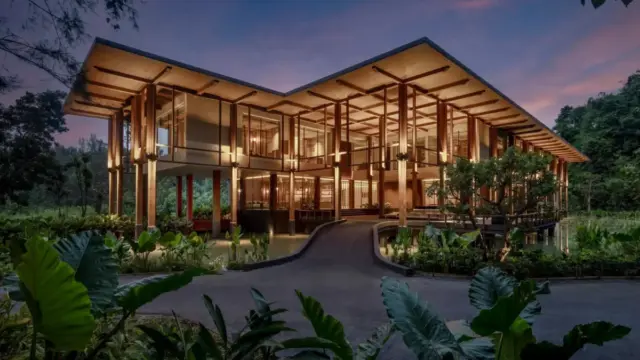
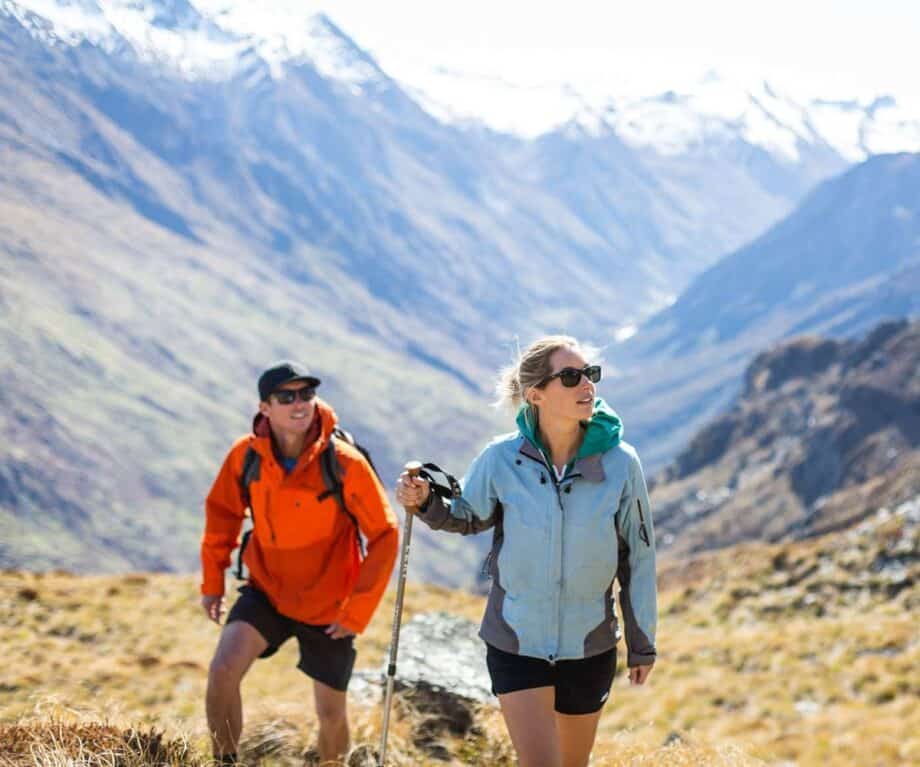
However, a parallel, highly sophisticated style of alpine exploration has quietly redefined the region. This modern approach pivots on accessibility, luxury, and autonomy: returning to the plush comforts of a warm, architecturally designed house, a proper gourmet breakfast, and the freedom of a private vehicle, all while accessing terrain that would demand extreme multi-day logistics anywhere else in the world.
Centered around the vibrant hubs of Queenstown, Wānaka, and Arrowtown, this corner of New Zealand offers an unusual convergence of geological extremes and refined hospitality. Travelers can summit towering peaks that rival the world’s most formidable alpine environments by day, and savor a world-class Pinot Noir and a chef-crafted dinner by night. Local vernacular refers to this pursuit simply as “tramping,” but when paired with the unmatched hospitality infrastructure of the Southern Lakes, it transcends ordinary hiking—becoming an elite, high-altitude adventure tailored for the discerning traveler.
Detailed Chronology: The Premier Day-Tramping Itinerary
To fully appreciate the scope of accessible alpine terrain in the Southern Lakes, one must trace the premier network of day hikes that radiate outward from the region’s cultural and culinary epicenters. Each route offers a distinct geographical perspective, ranging from hanging glaciers to shimmering, fjord-like lake systems.
1. Roys Peak, Wānaka: The Iconic Ridge
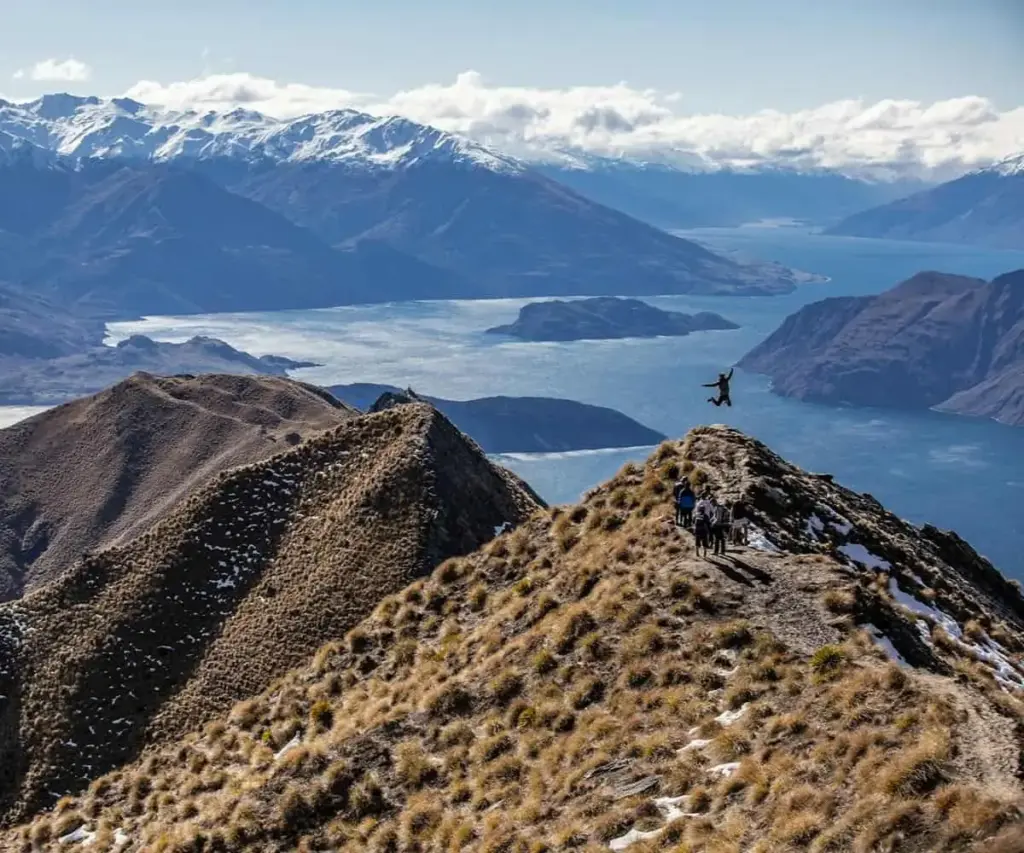
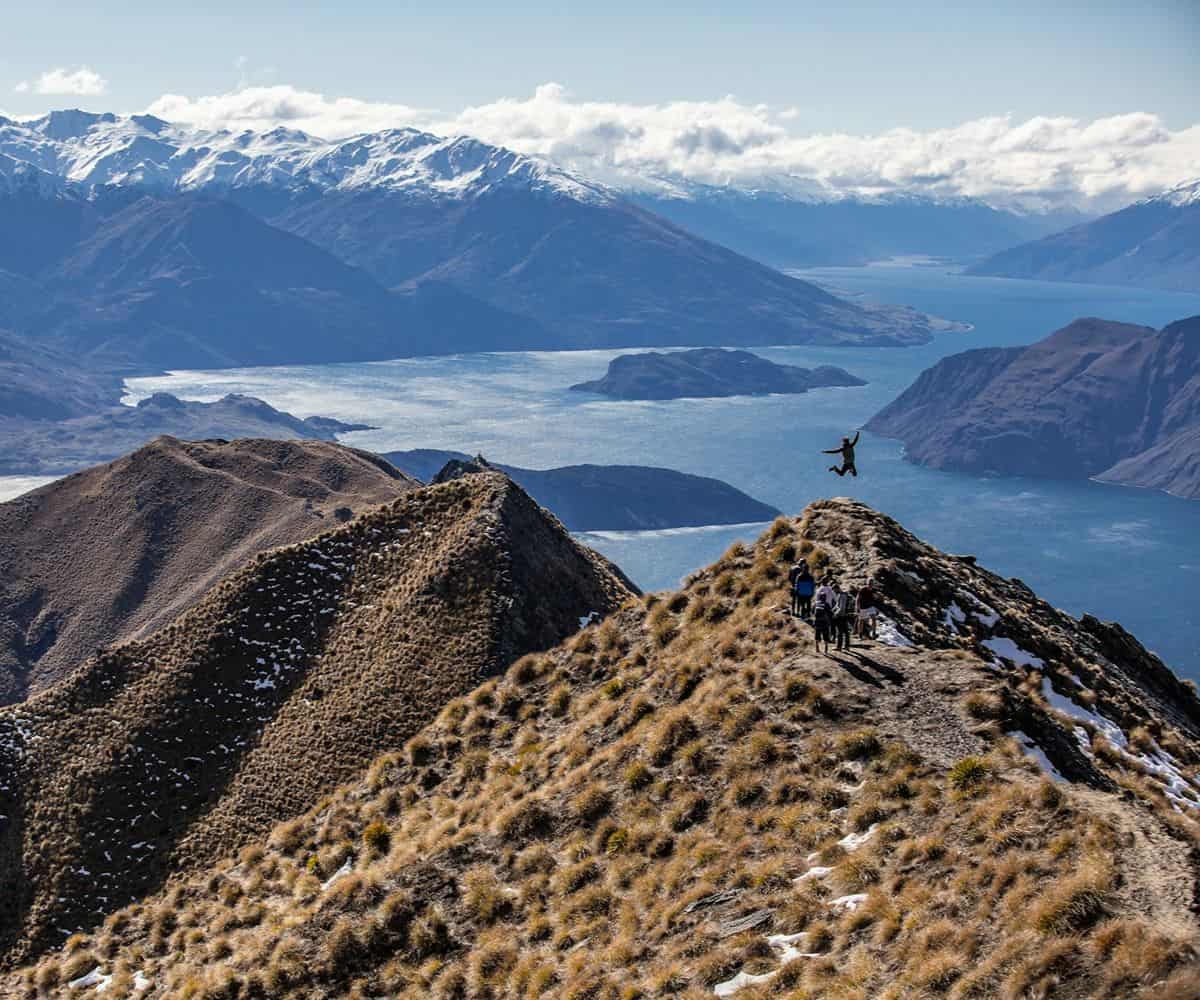
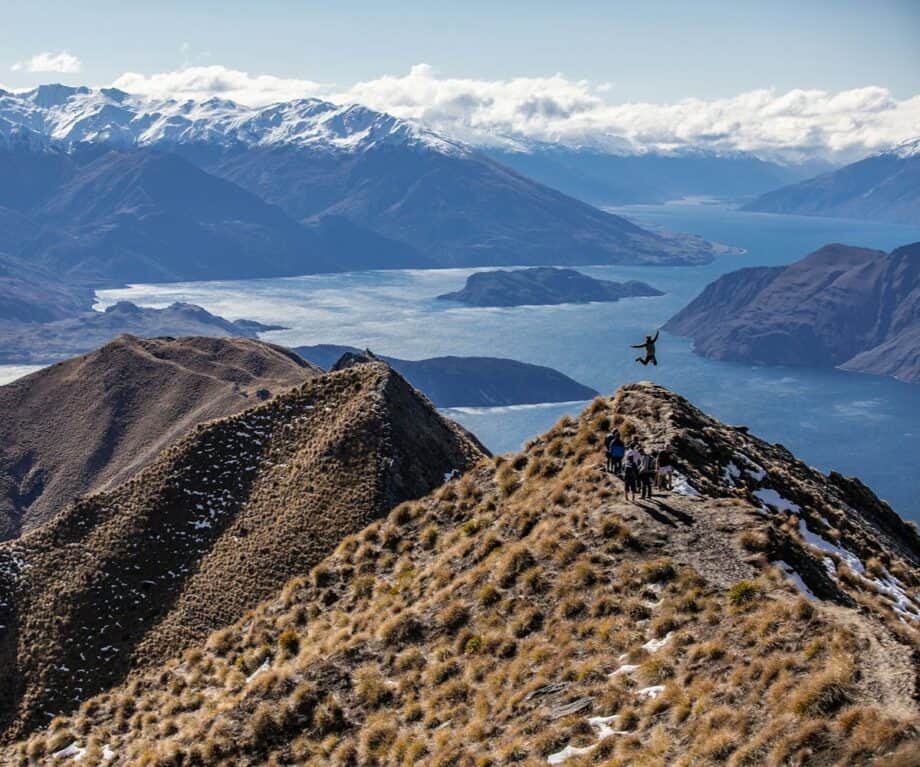
Rising steeply from the shores of Lake Wānaka, Roys Peak is arguably home to the most photographed trail in the Southern Lakes and perhaps the most recognizable viewpoint in the entire country. The track is a relentless, unrelenting climb that zigzags upward through private farmland and open tussock ridges, eventually delivering hikers to a panoramic viewing platform. On a clear day, the visual payoff includes the sprawling, sapphire waters of Lake Wānaka, surrounding jagged mountain ranges, and the distant, ice-clad peak of Mount Aspiring (Tititea) to the northwest.
- Logistics: Approximately a six-hour return journey. The trailhead car park is notoriously high-demand and fills well before dawn. A pre-dawn departure is not merely a strategy to beat the crowds, but an essential measure to witness the morning light sweep across the water and to avoid the blistering afternoon sun on the completely exposed trail.
2. Rob Roy Glacier, Matukituki Valley
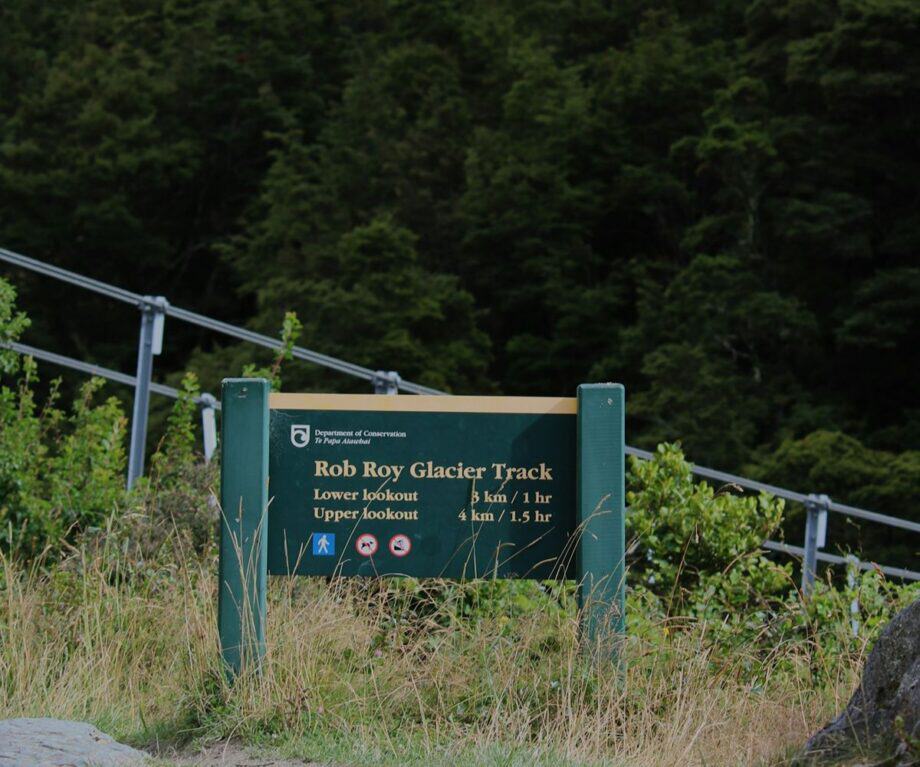
Situated roughly an hour’s drive from Wānaka deep within the pristine boundaries of Mount Aspiring National Park, the Rob Roy Glacier track is a masterpiece of temperate rainforest and alpine drama. The journey begins long before the first footstep on the trail; the drive along the Matukituki Valley road snakes alongside a braided, ambling river bed, flanked by grazing deer and dramatic mountain divides.
The walk itself is a four-hour loop that winds through enchanting stands of red and silver beech forest before opening into a natural amphitheatre. Here, a towering hanging glacier dominates the skyline, relentlessly feeding thunderous waterfalls that plunge from the ice year-round. Graded as intermediate and meticulously maintained, this track demands profound respect. It is strictly recommended for experienced trampers who heed local weather warnings and carry appropriate emergency provisions.
3. The Routeburn Track (Day Section) from Glenorchy
Widely celebrated as one of New Zealand’s elite "Great Walks," the full Routeburn Track is traditionally traversed as a multi-day alpine expedition over two to four days. However, the western trailhead—accessed via a stunning 45-minute drive from Queenstown along the winding shores of Lake Wakatipu to Glenorchy—grants day-hikers immediate access to its most spellbinding introductory sections.
The trail climbs gently through moss-draped beech forests alongside the crystalline waters of the Routeburn River, pushing onward to Routeburn Flats and ultimately the stunning Routeburn Falls. Reaching the Falls Hut and returning takes roughly six hours. While the technical alpine passes beyond require overnight permits, this accessible day section delivers an immaculate cross-section of why the Routeburn holds legendary status globally.
4. Ben Lomond, Queenstown: The Urban Summit
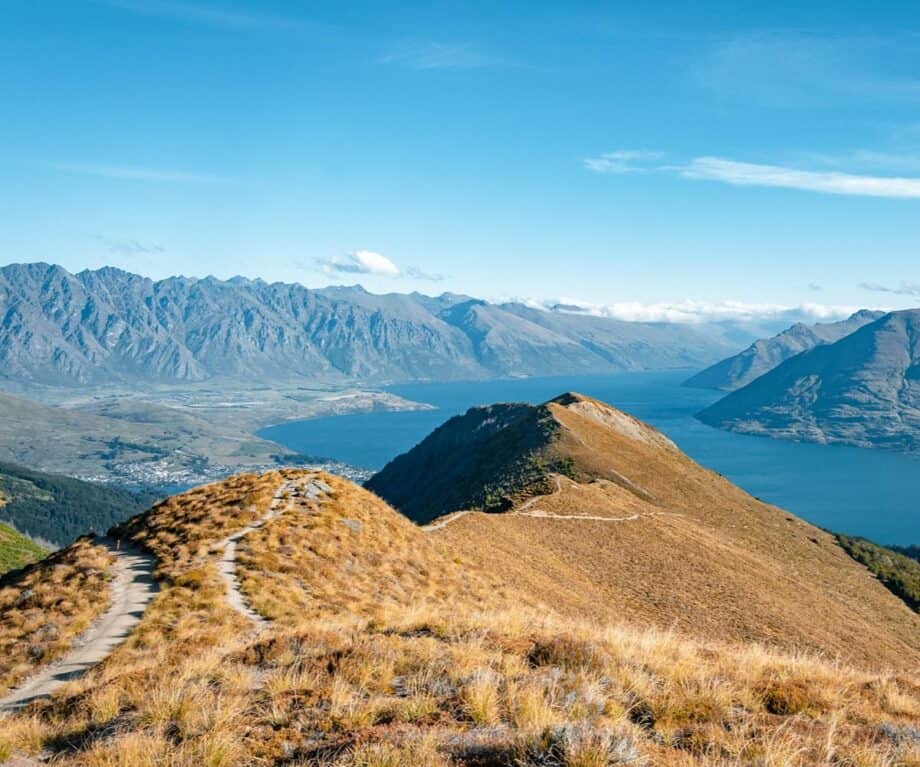
Dominating the skyline directly above the adventure capital of Queenstown, Ben Lomond is an ever-present geological feature visible from virtually every vantage point on Lake Wakatipu. The most efficient route utilizes the Skyline Gondola to gain initial elevation to the ridgeline, transitioning seamlessly into a rigorous footpath leading to the 1,748-meter summit.
A return trip from the top of the Gondola spans five to six hours (considerably longer if starting from the lakefront). The summit vistas are nothing short of breathtaking, encompassing the full, sweeping length of Lake Wakatipu, the brooding presence of Cecil Peak across the water, the jagged wall of The Remarkables to the south, and the undulating Crown Range to the north.
5. Breast Hill, Lake Hāwea: The Secluded Panorama
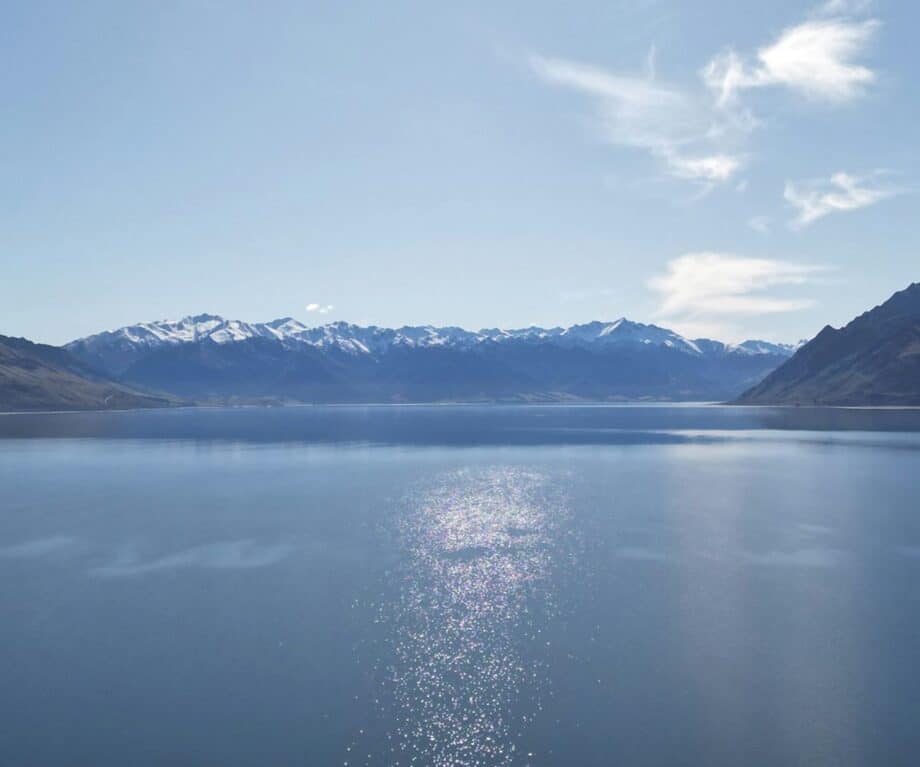
For travelers seeking to escape the higher-density corridors of Queenstown and central Wānaka, Breast Hill offers a sublime, lower-traffic alternative. Located just a 20-minute scenic drive from Wānaka along a lesser-traveled lake road, the track ascends from the shores of Lake Hāwea.
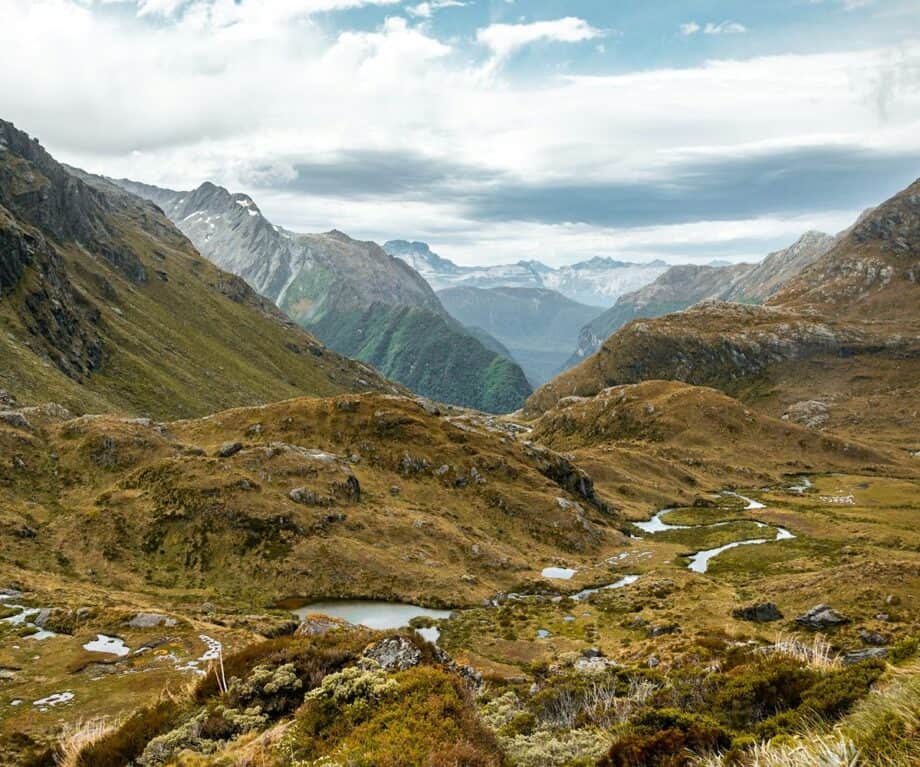
The route climbs steadily through historic pastoral land before breaking out onto open tussock tops, ultimately revealing a staggering double-lake vista: sweeping panoramas of both Lake Hāwea and Lake Wānaka, separated by a razor-thin, dramatic geographical isthmus. It is a full-day commitment, characterized by a deceptive steepness and a rewarding sense of isolation.
Supporting Context & Metrics: Navigating the Alpine Environment
While the appeal of luxury day-hiking lies in the absence of heavy multi-day packs and backcountry camping, the Southern Lakes environment must not be underestimated. The geography of Otago and Fiordland operates under strict meteorological and logistical realities.
- Altitude Disguise: While Queenstown and Wānaka sit at relatively low elevations (around 310 meters and 280 meters above sea level respectively), the surrounding peaks thrust hikers rapidly into true alpine zones. Treelines disappear quickly, exposing visitors to high-velocity winds, intense UV radiation, and rapid temperature drops.
- The Summer Thunderstorm Phenomenon: Unlike stable continental mountain ranges, maritime New Zealand weather moves with startling swiftness. Clear, brilliant summer mornings routinely give way to localized afternoon thunderstorms born from rapid thermal heating.
- Infrastructure Metrics: The Department of Conservation (DOC) maintains thousands of kilometers of tracks, classified rigorously from easy walking tracks to expert alpine routes. In the Southern Lakes, even intermediate tracks require sturdy, ankle-supporting footwear and technical layers. For overnight extensions on networks like the Routeburn, booking windows open months in advance via DOC’s sophisticated digital reservation portals, with seasonal pricing tiers applied to manage conservation footprints.
Official Statements & Expert Perspectives
Industry leaders emphasize that the evolution of regional tourism reflects a growing demographic of high-net-worth travelers who value active, immersive daylight experiences coupled with uncompromised evening luxury.
Kate Stinchcombe-Gillies, Chief Marketing Officer of Release NZ—a premier curator of luxury holiday accommodation across Wānaka and Queenstown—articulates this philosophy clearly:
"There’s a version of experiencing New Zealand’s Southern Lakes that involves booking a guided walk, staying in huts for a few nights and arriving at the other end with abundant photos of spectacular vistas and some very good stories. This isn’t that. This is about what’s accessible as a day hike from a warm house, a proper breakfast and a car, and the answer turns out to be quite a lot."
Stinchcombe-Gillies highlights the unique geographic advantage of the region:
"What makes this corner of New Zealand unusual is the combination: mountains that would be a destination in their own right elsewhere in the world, accessible without multi-day logistics, with a good dinner waiting at the other end."
Furthermore, local conservation and alpine safety authorities continuously reiterate the necessity of preparation. Mountain Safety Council (MSC) guidelines consistently stress that despite the proximity of urban cafes and luxury villas, stepping onto tracks like Ben Lomond or Rob Roy Glacier places individuals in remote wilderness where self-reliance, communication devices (such as Personal Locator Beacons), and meticulous weather tracking are mandatory.
Future Outlook: The Evolution of High-End Eco-Tourism
As global travel trends shift decisively toward experiential luxury and wellness-integrated itineraries, the Southern Lakes region of New Zealand is poised at the vanguard of this movement. The traditional dichotomy between rugged outdoor adventuring and five-star hospitality has entirely dissolved in Otago.
Looking toward the latter half of the decade, infrastructure investments are increasingly focused on sustainable visitor management, digital trail monitoring, and protecting the delicate alpine ecosystems of Mount Aspiring and Fiordland National Parks. Parking management systems at trailheads like Roys Peak and the Routeburn are becoming more sophisticated, encouraging staggered departures and shuttle usage to preserve the pristine nature of the landscapes.
For the international traveler, the message is unequivocal: world-class wilderness no longer requires enduring days of physical hardship and rustic accommodations. By anchoring oneself in the refined architectural enclaves of Queenstown and Wānaka, visitors can access some of the most dramatic, soul-stirring alpine terrain on Earth by day, returning effortlessly to firesides, fine dining, and absolute comfort by night. The question facing modern travelers is no longer whether they possess the endurance for the backcountry, but how soon they will answer the call of the Southern Alps.