







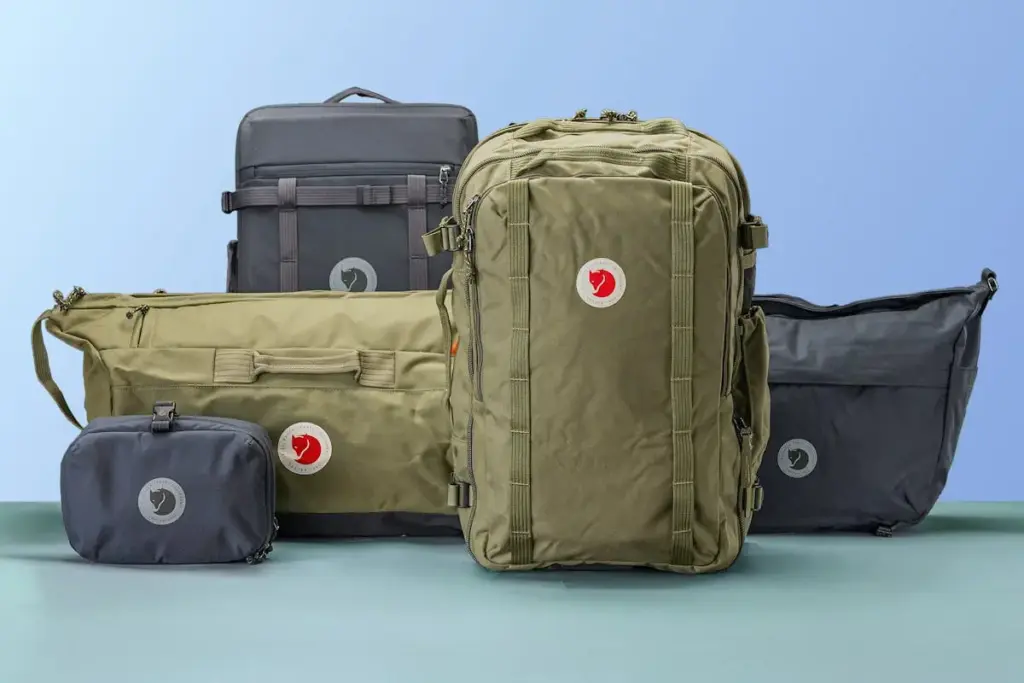
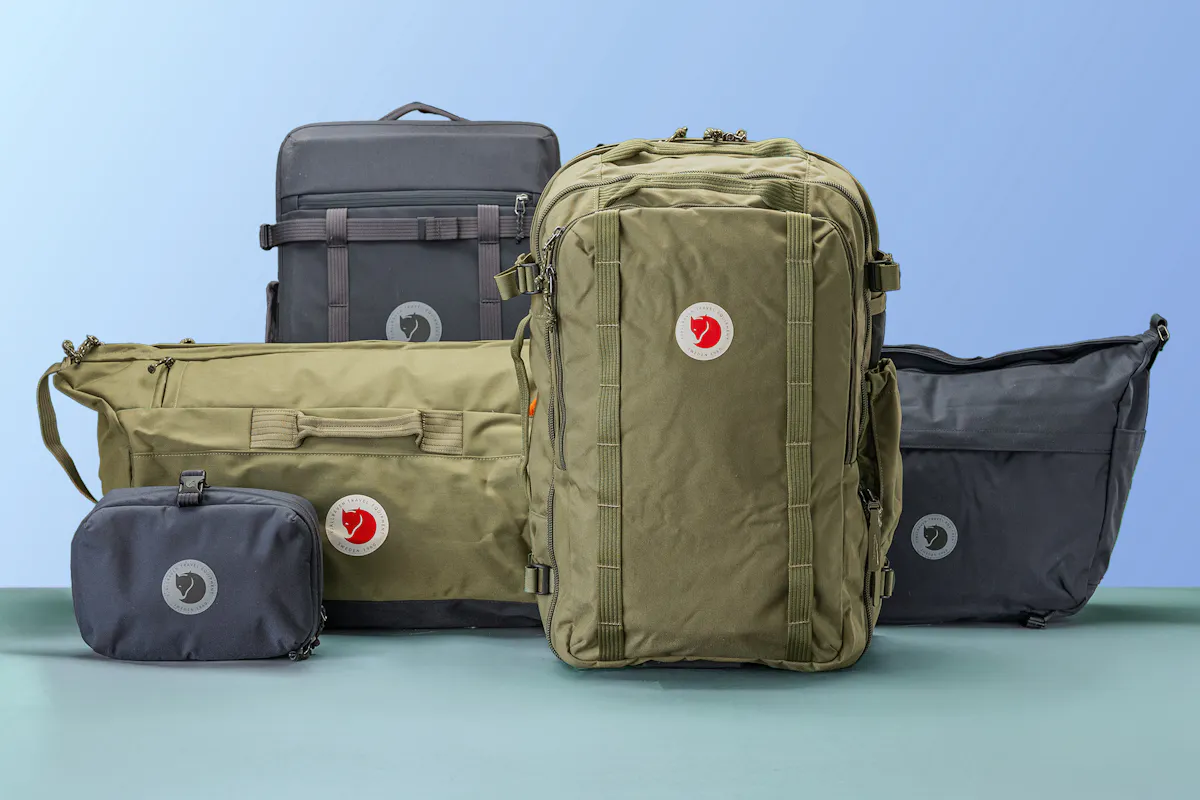
The intersection of sustainable manufacturing, heritage outdoor aesthetics, and modern functional travel gear has reached a pivotal juncture. As global consumers increasingly scrutinize the lifecycle of their consumer goods, outdoor and travel brands are forced to innovate beyond mere aesthetics. Enter the Fjällräven Färden line—a comprehensive travel system engineered to bridge the gap between rugged, utilitarian outdoor performance and sleek, conscientious urban mobility.
In a recent collaborative feature and video review released by gear-testing authority Pack Hacker, the spotlight has turned firmly toward Fjällräven’s enduring commitment to durability, functionality, and sustainable craftsmanship. Known globally for their timeless Scandinavian design philosophy—rooted in weather-resistant materials, timeless silhouettes, and an uncompromising dedication to environmental stewardship—Fjällräven positions the Färden series as an ultimate solution for modern travelers seeking longevity over fast-fashion utility.
This comprehensive report examines the core tenets of the Fjällräven Färden travel system, the architectural and material choices that set it apart in a crowded marketplace, and the broader implications of sustainable travel gear design in 2026. By analyzing the engineering methodologies behind heritage-style gear, consumer trends toward eco-friendly investments, and the practical demands of multi-destination travel, this article provides an authoritative look at whether this travel system represents a worthwhile investment for the modern explorer.
Detailed Chronology: The Evolution of Fjällräven’s Travel Gear Philosophy
To understand the weight and significance of the Färden line, it is essential to trace the historical trajectory of Fjällräven’s product development, leading up to its prominent feature in mid-2026.
The Foundation of Scandinavian Utility (1960s–1990s)
Founded in Örnsköldsvik, Sweden, in 1960 by Åke Nordin, Fjällräven began with a singular, mission-driven focus: to make nature more accessible. Nordin, dissatisfied with the uncomfortable, ill-fitting backpacks of his era, constructed a wooden-framed backpack in his basement using a sewing machine and grit. This foundational ethos—durability born out of necessity—defined the brand’s early decades. The invention of the proprietary G-1000 fabric (a dense weave of 65% recycled polyester and 35% organic cotton, treated with Greenland Wax) revolutionized outdoor apparel and gear, offering an unprecedented balance of breathability, water resistance, and longevity.
The Shift Toward Modular Travel Systems (2010s)
As global travel habits shifted in the 21st century, traditional backpacking gear no longer fully served the urban commuter who occasionally ventured into the backcountry, nor did traditional luggage satisfy the adventure traveler. Fjällräven recognized a gap in the market for gear that could seamlessly transition from rugged alpine trails to international airports and cobblestone European streets. This realization catalyzed the development of travel-specific architectures—bags featuring clamshell openings, dedicated laptop compartments, and ergonomic harness systems concealed within clean, minimalist exterior shells.
The Launch and refinement of the Färden Series (2020s)
Building on decades of material innovation, the Färden line was introduced to address the specific pain points of modern transit: weight distribution, wear-and-tear resistance at high-friction points, and sustainable sourcing. Throughout its refinement phase leading into 2026, Fjällräven optimized the series to incorporate recycled polyamide (nylon) fabrics, robust structural reinforcement, and modular packing integrations. The June 2026 review by Pack Hacker serves as a modern validation of these systems, evaluating how the gear holds up under rigorous, real-world stress testing.
Supporting Context & Metrics: The Anatomy of Sustainable Travel Gear
The modern travel gear market is saturated with options, but very few brands manage to balance strict environmental standards with bombproof physical durability. To evaluate the Färden system accurately, one must look at the quantitative and qualitative metrics defining sustainable travel gear today.
Material Science: Recycled Polyamide and G-1000 Integration
One of the most critical aspects of the Fjällräven Färden line is its material composition. Unlike conventional travel bags that rely on virgin fossil-fuel-derived synthetics, Fjällräven leverages high-tenacity recycled nylon (polyamide).
- Tensile Strength: High-tenacity recycled nylon offers exceptional resistance to abrasion, tearing, and punctures—vital attributes for luggage subjected to the rough handling of international baggage carousels.
- Weather Resistance: Enhanced with PU coatings and durable water-repellent (DWR) treatments that are increasingly free of harmful Per- and Polyfluoroalkyl Substances (PFAS), protecting contents from unexpected downpours.
- Longevity Metrics: Industry studies show that extending the active lifecycle of a travel bag by just two additional years reduces its overall carbon footprint by roughly 30%. Fjällräven designs the Färden series with repairability in mind, utilizing heavy-duty YKK zippers and replaceable hardware components to keep bags out of landfills.
Ergonomics and Load Distribution
Travelers frequently underestimate the physical toll of navigating transit hubs with poorly balanced luggage. The Färden system addresses this through meticulous harness design:
- Stowable Harness Systems: For multi-modal travelers who need to check a bag or slide it into tight overhead compartments, the ability to tuck away shoulder straps and hip belts prevents snagging.
- Load-Lifter Straps and Molded Back Panels: Ensures that weight is distributed evenly across the lumbar region, mitigating fatigue during long walks through terminals or transit systems.
| Feature Category | Conventional Travel Bags | Fjällräven Färden System |
|---|---|---|
| Primary Material | Virgin Polyester / Nylon | Recycled Polyamide with robust reinforcements |
| Aesthetic Design | Utilitarian, highly technical | Heritage-inspired, clean Scandinavian minimalism |
| Repairability | Low (glued seams, proprietary parts) | High (modular components, heavy-duty stitching) |
| Environmental Focus | Minimal or token eco-initiatives | PFAS-free treatments, traceable supply chains |
Official Statements and Industry Insights
The collaboration between independent reviewers and heritage brands highlights a broader shift in how gear is marketed and evaluated. In the June 2026 feature, the Pack Hacker team emphasized the pragmatic utility of the system, noting:
"Want to travel with eco-friendly bags that have a heritage style? Check out the Fjällräven Färden line. These travel bags go anywhere, so you can be ready for anything at any time. With durable materials and a comfortable carry, they’ll be your companions on adventures for years to come."
This sentiment underscores a growing consumer demand for "buy-it-for-life" (BIFL) products. In official communications, Fjällräven’s sustainability and product development teams have consistently reiterated their "long-term perspective" philosophy. According to company directives, product creation is guided by four fundamental sustainability criteria:
- Durability: Can the product withstand years of intensive use?
- Functionality: Does it solve real-world problems effectively without unnecessary gimmicks?
- Timelessness: Will the design remain aesthetically and functionally relevant a decade from now?
- Traceability & Responsibility: Are the materials sourced ethically, and are manufacturing partners held to strict fair-labor and environmental standards?
Industry analysts note that as regulatory bodies in Europe and North America tighten regulations greenwashing and mandatory product passports, brands like Fjällräven—which have built their reputations on transparent material sourcing and longevity—are exceptionally well-positioned to lead the market.

Future Outlook: The Next Generation of Eco-Heritage Travel Systems
As we look beyond 2026, the landscape of travel and outdoor gear is poised for continuous transformation. Several key trends will likely shape the evolution of lines like the Fjällräven Färden and the broader travel gear industry:
1. Circular Economy Integration and Take-Back Programs
The concept of ownership is shifting toward circularity. Leading outdoor brands are increasingly investing in second-hand marketplaces, trade-in programs, and certified refurbishment pipelines. For a premium travel system like Färden, this means that even after years of heavy travel, a bag’s lifecycle does not have to end in a residential trash bin. Future iterations of travel gear will likely feature embedded digital IDs (such as NFC chips or QR codes) detailing material composition to streamline recycling and repair processes.
2. Further Elimination of Chemical Treatments
While synthetic waterproofing has historically depended on chemical treatments that persist in the environment, the regulatory and ethical push toward 100% PFAS-free manufacturing is accelerating. Innovation in bio-based membranes and advanced mechanical weaves will allow travel bags to achieve superior water resistance without compromising ecological safety.
3. The Convergence of Urban and Outdoor Aesthetics
The strict demarcation between "technical outdoor gear" and "business travel luggage" is rapidly dissolving. Remote work, digital nomadism, and adventure travel have merged into a lifestyle where professionals demand gear that looks professional in a corporate boardroom in Stockholm or New York, yet possesses the technical resilience required for a weekend trek in the Scandinavian wilderness. The enduring popularity of heritage-styled, hyper-durable travel systems proves that consumers no longer want to compromise style for performance—or vice versa.
Conclusion
The Fjällräven Färden travel system represents more than just a collection of luggage and packs; it is a physical manifestation of a deliberate design philosophy. By prioritizing recycled materials, bombproof durability, ergonomic comfort, and a timeless aesthetic that refuses to bow to seasonal trends, Fjällräven offers a compelling blueprint for the future of sustainable travel.
As highlighted by expert reviews and industry evaluations, investing in gear that "goes anywhere and is ready for anything" is not merely a purchase—it is a commitment to mindful, long-term exploration. For travelers seeking to minimize their ecological footprint without sacrificing performance or style, the Färden line stands out as a benchmark of modern eco-heritage engineering.