








Executive Overview
For decades, the standard blueprint for international travel has been defined by the pursuit of world-famous landmarks. Tourists flock by the millions to photograph the Eiffel Tower, gaze up at the Colosseum, or queue for hours to catch a glimpse of the Mona Lisa. While these iconic sights hold undeniable cultural and historical significance, a growing movement among independent global explorers suggests that checking items off a mass-tourism bucket list rarely translates to a genuine understanding of a destination.
Enter the philosophy of "living like a local"—an immersive, mindful approach to travel that prioritizes human connection, community integration, and authentic cultural exchange over superficial sightseeing. Particularly for solo travelers, who possess the unique flexibility and freedom to shape their itineraries entirely around personal curiosity, adopting local habits offers a transformative gateway into the heartbeat of a foreign city.
This comprehensive analysis explores the psychology, logistics, and profound rewards of stepping off the beaten tourist path. By examining everything from neighborhood culinary experiences platforms like Eatwith to utilizing public transit networks and engaging with regional community hubs, this article outlines actionable strategies for forging deeper, more meaningful connections when traveling alone.
Detailed Chronology: The Evolution of Solo Travel and Immersive Tourism
To understand the modern desire to live like a local, it is helpful to trace how solo travel and tourism styles have evolved over the last century.
The Era of the Grand Tour and Mass Tourism (Mid-20th Century)
- The Checklist Approach: Following World War II and the subsequent commercialization of commercial aviation, international travel shifted from the exclusive domain of the elite to a middle-class aspiration. Tour groups, packaged holidays, and standardized itineraries dominated the landscape. Travelers sought predictable comforts and prioritized seeing as many monuments as possible in a compressed timeframe.
- The Outsider Dynamic: During this period, interactions between travelers and locals were largely transactional—confined to hotel concierges, tour guides, and restaurant servers. The concept of "living like a local" was logistically difficult and culturally rare.
The Rise of the Independent Backpacker (Late 20th Century)
- Budget and Freedom: The 1970s and 1980s saw the birth of the modern backpacker trail, popularized by youth hostels and guidebook series like Lonely Planet. Solo travelers began charting their own courses, lingering longer in specific regions, and interacting organically with fellow travelers and local residents alike.
- The Shift in Priorities: While still heavily reliant on traditional sights, independent travelers began discovering the value of slow travel—staying in one place long enough to understand its rhythm.
The Digital Disruption and the Sharing Economy (2010s)
- Accommodation and Connection: The advent of home-sharing platforms, peer-to-peer dining experiences, and localized app-based navigation radically altered how humans experience foreign environments. Renting a neighborhood apartment instead of staying in a sterilized tourist-zone hotel allowed travelers to buy groceries at neighborhood markets, do laundry at corner laundromats, and observe daily neighborhood rituals.
- The Rise of the Solo Traveler Community: Digital connectivity empowered solo travelers to share advice in real-time, shifting the cultural narrative from "Is it safe to travel alone?" to "How can solo travel yield deeper self-discovery and cultural immersion?"
The Post-Pandemic Renaissance of Meaningful Travel (2020s–Present)
- Quality Over Quantity: Following global travel restrictions, a renewed appreciation for authentic human connection emerged. Overtourism in hotspots like Venice and Barcelona sparked a counter-movement toward sustainable, community-respecting exploration.
- The Modern Playbook: Today’s solo traveler is increasingly likely to invest in quiet, comfortable accommodations as a home base while spending disposable income on hyper-local cultural events, community theater productions, and neighborhood culinary gatherings.
Supporting Context & Metrics: Why Immersion Matters
The psychological and economic impacts of shifting away from mass tourism toward local immersion are profound. Industry insights and travel psychology research highlight several key factors driving this trend.
1. The Economics of the Solo Traveler Experience
Many travelers assume that living like a local means adopting a hyper-budget lifestyle. However, seasoned solo travelers often adopt a nuanced approach to resource allocation. Rather than cutting costs indiscriminately, many choose to invest in comfortable, quiet accommodations—renting apartments for stays exceeding a week—while channeling discretionary funds into high-impact, locally-rooted experiences.
- Accommodation as a Sanctuary: For solo travelers, having a tranquil, private retreat is vital for emotional well-being. A comfortable apartment in a residential neighborhood provides a safe harbor away from the sensory overload of tourist centers.
- Experience Over Souvenirs: Rather than spending money on mass-produced trinkets, modern travelers allocate funds toward attending regional theater productions, community festivals, and intimate dining events.
2. The Psychology of Human Connection
According to travel behavior analysts, social isolation is one of the primary anxieties reported by first-time solo travelers. Paradoxically, solo travelers are often far more approachable to locals than people traveling in couples or large groups.
- Breaking the Tourist Bubble: When a traveler frequents a local bakery every morning, rides the neighborhood tram, or attends a regional sporting match, they signal respect for the host community.
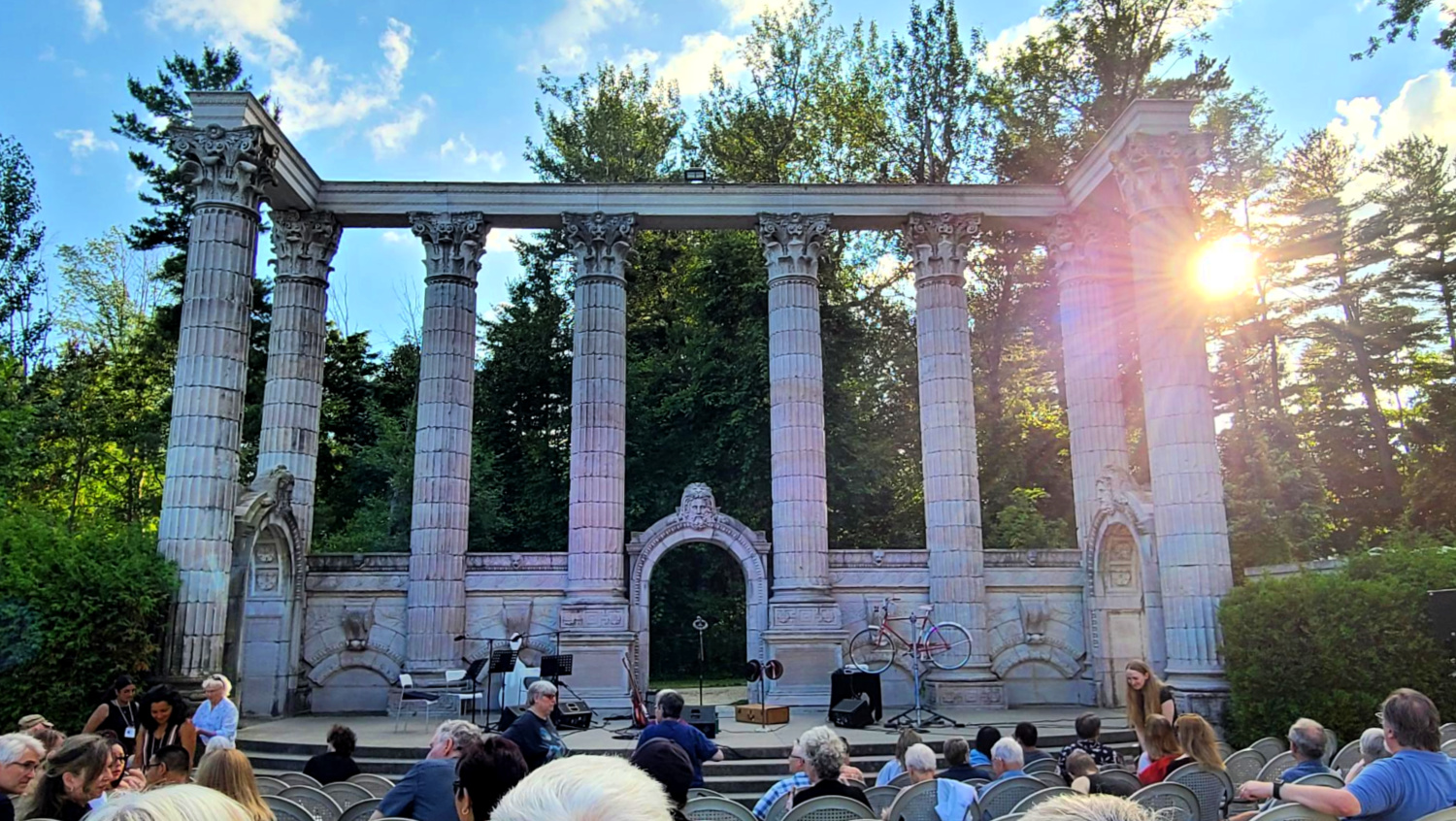
- The Reciprocity of Curiosity: Showing genuine interest in local civic life—whether visiting a community theater like Scarborough’s Guild Theatre or navigating the vintage trams of Lisbon—elicits warmth and hospitality from residents who appreciate travelers looking beyond postcard clichés.
Official Insights & Community Wisdom
To gather practical, ground-level strategies for living like a local, we consulted communities of experienced globetrotters, including members of the global Solo Travel Society. Their collective wisdom underscores that true immersion does not require an expensive itinerary; it requires intention, curiosity, and a willingness to step off the autopilot path of conventional tourism.

Key Recommendations from Global Solo Travelers
- Engage with Neighborhood Culinary Collectives: Platforms that connect travelers with local home cooks—such as dining in a resident’s home via Eatwith—offer an unmatched window into domestic culture, regional recipes, and genuine table-side conversation.
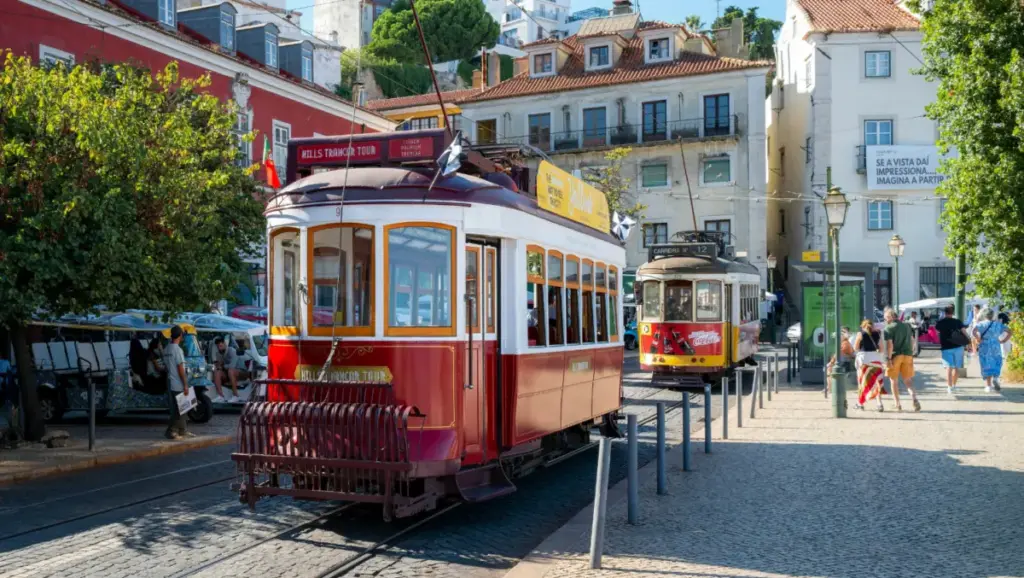
- Embrace Public Transit Networks: Instead of relying exclusively on tourist hop-on-hop-off buses or private taxis, navigate cities using municipal infrastructure. Riding the iconic yellow trams of Lisbon or taking underground commuter trains forces travelers to observe daily routines, listen to local dialects, and master the geographical layout of a city like a resident.
- Seek Out Local Arts and Community Spaces: Major metropolitan opera houses and blockbuster Broadway tours have their place, but regional cultural hubs—such as local community theaters, independent galleries, and neighborhood music venues—reveal the true pulse of a city’s creative community.
- Shop Where the Locals Shop: Replace sterile supermarket chains with neighborhood greenmarkets, butcher shops, and bakeries. These routine daily errands provide organic opportunities to practice local phrases, observe social etiquette, and appreciate regional gastronomy at its source.
Future Outlook: The Next Frontier of Immersive Solo Travel
As tourism infrastructure continues to evolve in response to climate consciousness, technological integration, and a collective desire for authenticity, the concept of living like a local will undergo further refinement.
Sustainable and Responsible Immersion
Future solo travelers will face increasing responsibilities to ensure their desire for local immersion does not negatively impact host communities. Avoiding gentrified short-term rental traps in favor of ethical accommodations, supporting family-owned neighborhood businesses, and respecting residential privacy will become baseline tenets of ethical travel.
Hyper-Personalized Local Technology
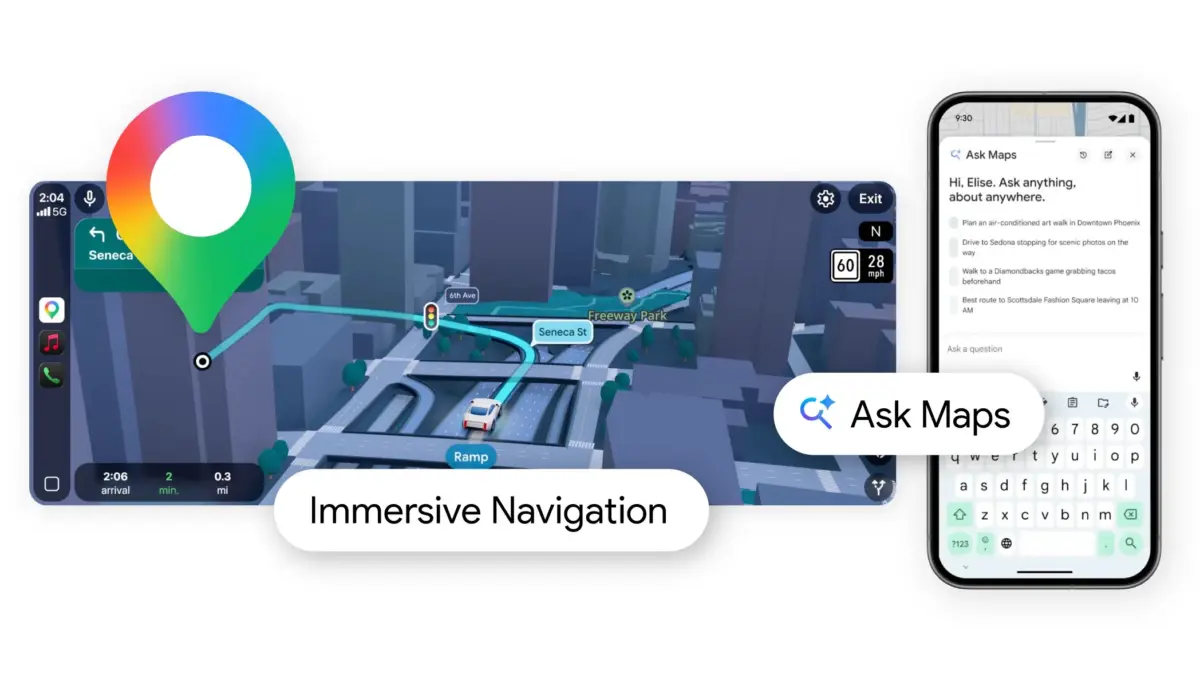
Artificial intelligence and hyper-localized travel apps will increasingly move beyond recommending top-ten tourist sights. Future tools will likely curate real-time recommendations for neighborhood block parties, grassroots community workshops, and authentic cultural meetups tailored specifically to the solo explorer’s unique interests.
The Enduring Appeal of Solitude and Connection
Ultimately, the future of solo travel rests on a delicate, beautiful balance: the profound peace of solitude paired with the vibrant energy of human connection. By choosing to live like a local—even if only for a few days or weeks—solo travelers transcend the role of passive spectators. They become temporary residents, participants in a shared global story, and ambassadors of mindful, respectful exploration.
Last updated: 13th July, 2026