









Executive Overview
The romanticism of the open highway—whether experienced through spontaneous weekend camping trips or the committed lifestyle of full-time RV living—rests entirely on a delicate balance between adventure and domestic comfort. While modern recreational vehicles roll off assembly lines equipped with factory essentials, the evolving demands of mobile citizens have sparked a renaissance in mobile architecture. Upgrading key appliances is no longer merely a cosmetic luxury; it is a calculated strategy to optimize utility, streamline daily camp chores, and bridge the emotional gap between a cramped vehicle and a true mobile home.
However, the modern market for RV appliances is fraught with pitfalls for the uninitiated. The best upgrades are rarely defined by sheer novelty or high price tags. Instead, they represent a precise intersection between individual travel styles, spatial limitations, and the finite electrical, water, and weight capacities of a motorhome or travel trailer.
This comprehensive investigative report explores the anatomy of RV appliance upgrades. By examining critical decision-making frameworks, analyzing high-impact technological innovations—from tankless water heaters to multi-cookers—and evaluating financial strategies, this guide provides the authoritative blueprint needed to transform any recreational vehicle into a high-performance, comfortable sanctuary.
Detailed Chronology: The Evolution of RV Conveniences
To understand where mobile living is today, it is essential to trace how RV appliances have evolved from rudimentary camping add-ons to sophisticated micro-ecosystems over the past several decades.
- The Era of Austerity (Mid-20th Century): Early recreational vehicles functioned much like hard-sided tents. Cooking relied on open campfires or single-burner portable kerosene stoves. Refrigeration was entirely dependent on blocks of ice hauled from local towns, and sanitation meant outhouses or primitive chemical porta-potties.
- The Integration of Utility Systems (1970s–1990s): As manufacturing standards matured, RVs began incorporating onboard plumbing, 12V lighting systems, and dual-source absorption refrigerators capable of running on liquid propane (LP) or shore power. While revolutionary for the time, these systems were notoriously delicate, inefficient, and prone to high maintenance overhead.
- The Residential Shift (2000s–2010s): With the rise of the "digital nomad" and the cultural shift toward remote work, travelers began demanding the comforts of conventional brick-and-mortar homes. Manufacturers responded by introducing slide-outs, larger holding tanks, and optional residential-style appliances.
- The Smart and Efficient Modern Age (Present Day): Today, the focus has shifted toward hyper-efficiency, miniaturization, and off-grid resilience. Lithium iron phosphate (LiFePO4) battery banks, solar arrays, and inverter technology have unlocked the ability to run heavy-draw appliances far away from traditional RV parks. Modern upgrades now emphasize low power draws, multi-functional designs, and digital monitoring systems that integrate seamlessly with mobile devices.
Supporting Context & Metrics: Navigating Space, Power, and Weight
Before acquiring any appliance for an RV, travelers must understand the governing physics of mobile habitats. Unlike stationary homes, an RV is a mobile structure subject to severe spatial, structural, and electrical constraints.
Spatial Constraints and Weight Distribution
Every pound added to an RV impacts its Gross Vehicle Weight Rating (GVWR). Overloading an axle can lead to catastrophic tire failures or handling instabilities on winding highways. Furthermore, physical dimensions dictate success; a residential appliance that fits a spacious fifth-wheel floor plan may be entirely incompatible with the narrow aisleways of a Class B camper van. Prioritizing compact, modular, or multi-use appliances is a vital engineering discipline for mobile living.
Electrical Loads and System Capacities
Power management is the single greatest challenge for modern RVers. Understanding the difference between an RV’s electrical systems can prevent blown breakers and drained batteries:
- 30-Amp vs. 50-Amp Service: A 30-amp RV provides roughly 3,600 watts of total power, while a 50-amp setup delivers up to 12,000 watts. Running multiple high-draw appliances simultaneously on a 30-amp service will quickly trip the main breaker.
- The Inverter Equation: Running 120V household appliances while boondocking (camping off-grid) requires a pure sine wave inverter to convert 12V DC battery power into usable AC household current.
Major Electrical Consumers in an RV
| Appliance Type | Average Power Draw (Watts) | Operational Impact |
|---|---|---|
| Air Conditioner | 1,500 – 1,800 W | Requires shore power or a heavy-duty generator. |
| Electric Water Heater | 1,400 – 1,500 W | High draw; best run on propane when boondocking. |
| Residential Refrigerator | 100 – 400 W (Continuous) | Demands robust battery banks and solar support. |
| Microwave / Convection Oven | 1,000 – 1,500 W | Short-duration, high-amperage spike. |
| Space Heater | 750 – 1,500 W | Extreme load; major safety and electrical risk if left unmonitored. |
High-Impact RV Appliance Upgrades: A Comprehensive Breakdown
Transforming an RV’s interior functionality requires strategic investments. Below is a rigorous analysis of the most impactful appliance upgrades available to the modern traveler.
1. The RV Refrigerator: The Heart of the Kitchen
A reliable cooling system is non-negotiable. While traditional two-way absorption refrigerators (running on LP and AC power) have long been the industry standard for their ability to function while boondocking, many full-time travelers are migrating toward 12V compressor refrigerators or residential units.
- Absorption Units: Ideal for off-grid campers because they operate silently on propane when electric hookups are unavailable. However, they require the RV to be relatively level to function correctly.
- 12V / Residential Compressors: Offer superior cooling speeds, consistent internal temperatures regardless of outdoor ambient heat, and significantly larger storage capacities. They do, however, demand a reliable battery and charging system (such as solar or a dedicated generator) to run continuously.
2. RV Washers and Dryers: Conquering Laundry Day
For weekend warriors, commercial campground laundromats are a minor nuisance. For full-time families or long-term travelers, they represent a massive drain on time and resources.
- All-in-One Combo Units: The gold standard for space-saving mobile laundry. These units wash and dry clothes within a single drum, eliminating the need to transfer wet laundry. While drying cycles take longer than traditional household machines, they liberate travelers from public laundry schedules.
- Portable Solutions: For smaller rigs, compact twin-tub or portable spinner washers offer a compromise, washing small loads efficiently without requiring permanent plumbing modifications.
3. Portable Dishwashers: Eliminating Post-Meal Friction
Space is at a premium, but manual dishwashing in a shallow RV sink can waste precious fresh water and consume valuable counter space. Countertop and compact portable dishwashers connect directly to standard sink faucets or dedicated water lines, using significantly less water per cycle than hand-washing while sanitizing dishes at higher temperatures.
4. The Multi-Cooker (Instant Pot): The Ultimate Space Saver
If there is one single appliance universally praised across the RV community, it is the multi-cooker. By combining pressure cooking, slow cooking, rice cooking, steaming, and sautéing into a single countertop footprint, an Instant Pot replaces a cabinet full of specialized cookware. Furthermore, its enclosed cooking method introduces less ambient heat and moisture into the RV interior compared to traditional stovetop cooking.
5. Advanced Coffee Systems and Meal-Prep Tools
- Coffee Makers: From ultra-compact pour-over setups and French presses to 12V drip machines and single-serve pod systems, morning routines can be tailored precisely to available counter space and power profiles.
- Mini Blenders and Food Processors: Compact appliances with multi-function attachments allow mobile chefs to chop, blend, and process ingredients quickly without occupying valuable storage.
6. Tankless Water Heaters: Endless Comfort on Demand
Traditional RV water heaters rely on a 6-to-10-gallon tank that must be heated continuously and can run out mid-shower. Tankless water heaters heat water on demand as it flows through the unit, providing a virtually endless supply of hot water while saving weight (by eliminating standing tank water) and freeing up storage compartments. Before upgrading, verify whether your RV’s propane gas flow and 12V electrical supply can support the ignition and burner demands of a tankless system.
7. RV Dehumidifiers: Protecting Your Investment
Condensation is the silent killer of RVs. Breathing, cooking, and showering inside a tightly sealed metal or fiberglass box generate gallons of moisture daily. Left unchecked, this moisture settles on cold exterior walls, leading to mold, mildew, structural wood rot, and ruined insulation. A compact, energy-efficient dehumidifier with continuous drainage options is an essential health and maintenance upgrade.
8. Microwave-Convection Ovens
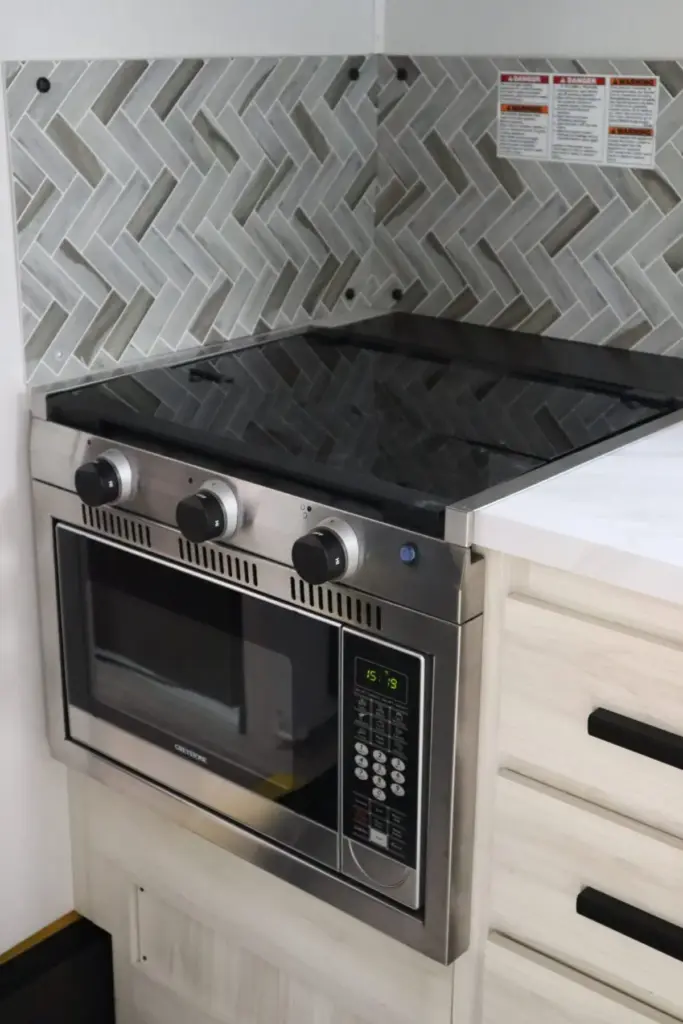
Standard RV ovens are notoriously difficult to calibrate and often underutilized. Replacing or supplementing them with a microwave-convection oven provides dual-action capability: rapid microwaving alongside true convection baking and roasting, all within a standard upper-cabinet footprint.
Official Statements and Expert Insights
Industry professionals and veteran travelers consistently emphasize that the success of any RV upgrade lies in thoughtful preparation rather than impulsive purchasing.
"When you live on the road, every single item must earn its keep," notes veteran full-time RVer and technical writer Marcus Vance. "An appliance cannot simply perform a task; it has to justify its weight, its power consumption, and the spatial real estate it occupies. If you only use a gadget twice a year, it’s cargo, not an upgrade."
Furthermore, certified RV technicians frequently warn against the unregulated installation of residential appliances in mobile environments.
"Rig vibrations, shifting road grades, and the dynamic forces of towing place stresses on appliances that stationary houses never experience," explains Master RV Technician Sarah Jenkins. "When installing residential-grade refrigerators, washers, or tankless water heaters, structural bracing, secure latching mechanisms, and specialized mounting hardware are just as important as the electrical wiring."
Future Outlook: The Next Generation of RV Living
As the demographic of RV owners skews younger and more technologically integrated, the future of mobile appliances is shifting toward smart-home automation and extreme energy efficiency.
We are entering an era where Internet of Things (IoT) sensors allow travelers to monitor refrigerator temperatures, holding tank levels, and power consumption remotely via smartphone apps. Simultaneously, advancements in battery chemistry—specifically solid-state batteries and high-density lithium cells—will soon make running heavy-draw appliances completely off-grid as standard practice rather than an expensive modification.
Moreover, manufacturers are increasingly designing modular cabinetry systems that allow users to swap out appliances dynamically based on the season—exchanging a portable ice maker for a heavy-duty heater depending on whether the destination is the scorching Mojave Desert or the freezing Rocky Mountains.
Conclusion: Tailoring Your Mobile Environment
Ultimately, upgrading your RV appliances is an exercise in personalizing your mobile narrative. Whether you are outfitting a minimalist camper van for weekend getaways or establishing a high-comfort, full-time rolling homestead, the guiding principle remains unchanged: choose equipment that enhances your independence, fits your structural limitations, and aligns with your travel philosophy.
Take your time, evaluate your power and space systems realistically, and invest in quality upgrades that make every mile of your journey feel more like home. When your rolling domicile is optimized for comfort and reliability, the open road becomes not just a route, but a true way of life.