



Sydney’s culinary landscape has long punched above its weight on the global stage, earning international acclaim for its fusion of Pacific Rim flavors, multiculturalism, and world-class dining. However, beneath the fine-dining accolades and hatted restaurants lies a parallel, fiercely passionate subculture: the city’s artisanal pastry, baking, and dessert economy. From humble neighborhood bakeries that have spent decades perfecting their craft to cutting-edge dessert bars helmed by MasterChef alumni and experimental pastry chefs, Sydney’s sweet scene is a dynamic, multi-million-dollar industry that drives tourism, anchors local communities, and continuously reinvents the boundaries of flour, sugar, and butter.
This investigative feature delves deep into the cultural phenomenon of Sydney’s premier sweet destinations. We examine the economic metrics, master craftsmanship, and cultural narratives driving iconic establishments such as Bourke Street Bakery, Black Star Pastry, AP Bakery, and KOI Dessert Bar. Through an analysis of consumer trends, interviews with master bakers, and a mapping of the city’s gastronomic topography, we uncover how a simple pastry can become a cultural touchstone and a major economic driver for New South Wales (NSW).
Detailed Chronology: The Evolution of Sydney’s Sweet Landscape
To understand how Sydney evolved into one of the world’s premier destinations for baked goods and desserts, one must trace the historical milestones that shaped its culinary identity.
Phase 1: The Traditional Foundations (Late 20th Century)
For decades, Sydney’s baking scene was heavily influenced by European immigration. Italian and Greek communities in suburbs like Leichhardt, Haberfield, Marrickville, and Petersham established traditional family-run pasticcerias and bakeries. Institutions like Pasticceria Papa, founded over 30 years ago by Salvatore Papa in Five Dock, and Sweet Belem in Petersham, laid the groundwork for authentic Mediterranean sweets. These shops introduced locals to canonical treats such as sfogliatelle, cannoli, and custard tarts (pastéis de nata), setting an early standard for butter-heavy, meticulously layered pastries.

Phase 2: The Artisan Bread Revival (Mid-2000s to 2010s)
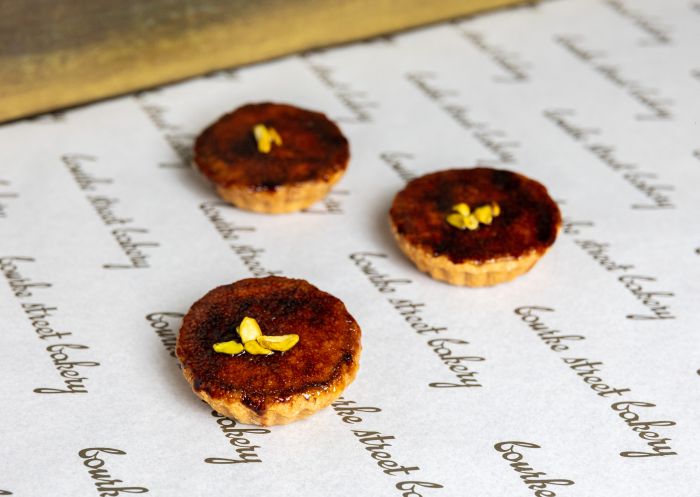
The mid-2000s marked a pivotal shift in consumer demand toward slow-fermentation, sourdough, and organic ingredients. The opening of Bourke Street Bakery in Surry Hills in 2004 by Paul Allam and David McGuinness revolutionized the neighborhood bakery model. Known for its rustic, flour-dusted storefronts and lines stretching down the pavement, Bourke Street Bakery championed hand-crafted sourdough, slow-cooked meat pies, and legendary ginger brûlée tarts.
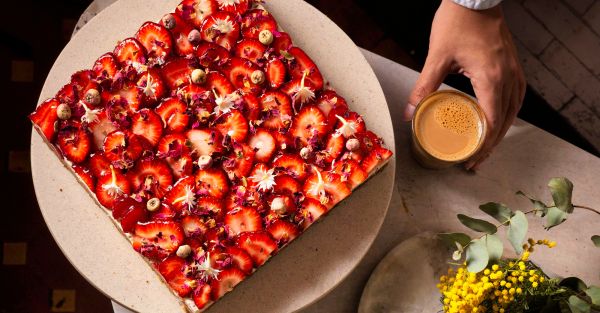
Simultaneously, institutions like Black Star Pastry (founded in Newtown in 2008) captured the imagination of social media users and food purists alike. By introducing avant-garde flavor profiles—most notably the viral Strawberry Watermelon Cake—Black Star Pastry transformed ordinary birthday cakes into high-art cultural phenomena, proving that Instagram-era aesthetics could coexist with uncompromising culinary integrity.
Phase 3: The Modern Experimental Era (2016–Present)
In recent years, Sydney’s sweet scene has entered a hyper-creative, cross-cultural renaissance. The influx of international culinary techniques combined with local ingenuity has given rise to boundary-pushing concepts:
- Uncle Tetsu’s Japanese Cheesecake (introduced in 2016) brought feather-light, jiggly Japanese cheesecakes to the city center, sparking massive queues and global dessert trends.
- AP Bakery at Paramount House reimagined the traditional bakery by incorporating stone-milled Australian grains, biodynamic produce, and wild-fermentation techniques.
- Tokyo Lamington in Newtown took the humble Australian lamington and re-engineered it through a Japanese lens, offering inventive flavor combinations like matcha, black sesame, and yuzu lemon curd.
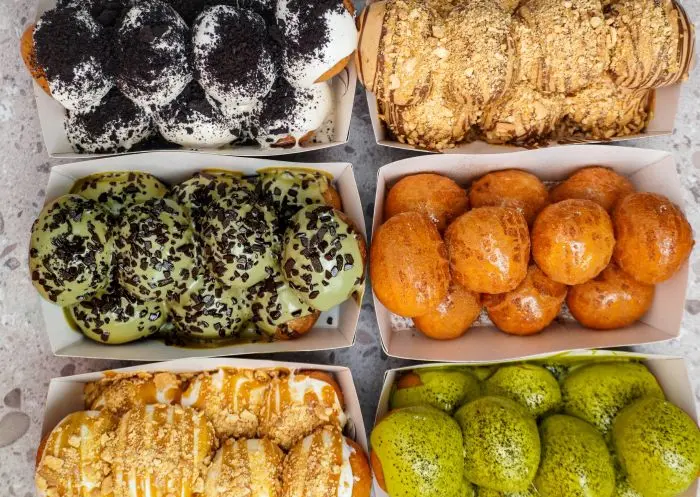
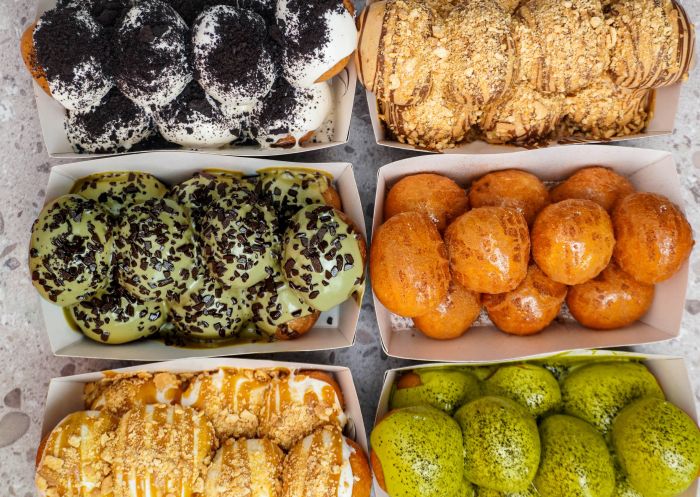
- Lukumades in Chippendale modernized traditional Greek honey puffs (loukoumades), elevating street food into a gourmet art form with decadent toppings and sauces.
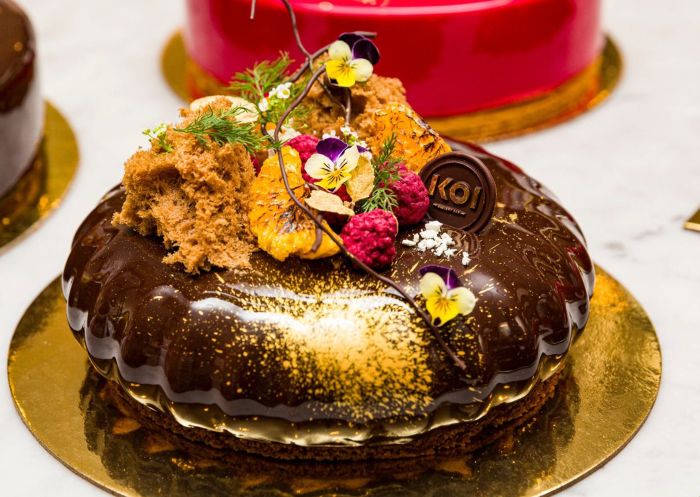
- Gelato Messina and KOI Dessert Bar (led by MasterChef alumnus Reynold Poernomo) redefined the boundaries of plated desserts, structural architecture, and multi-sensory dining experiences.
Supporting Context & Metrics: The Business of Baking
Sydney’s baking and pastry sector is not merely a lifestyle choice for passionate artisans; it is a vital economic engine within the broader NSW visitor economy.
Economic Impact and Consumer Demographics
According to recent hospitality data, artisanal bakeries and dessert bars account for a rapidly expanding share of discretionary spending in inner-Sydney suburbs such as Surry Hills, Newtown, Haymarket, and The Rocks. Foot traffic in these culinary precincts has rebounded strongly post-pandemic, driven by a combination of local patronage and international culinary tourism.
- The Sourdough Economy: The demand for heritage grains, stone-milled flours (such as those sourced from Chris Field’s Wholegrain Milling), and premium local butters (like Pepe Saya) has elevated the baseline cost of production. Consumers are increasingly willing to pay a premium—ranging from $6 to $12 for a single pastry—provided the provenance and craftsmanship are transparent.
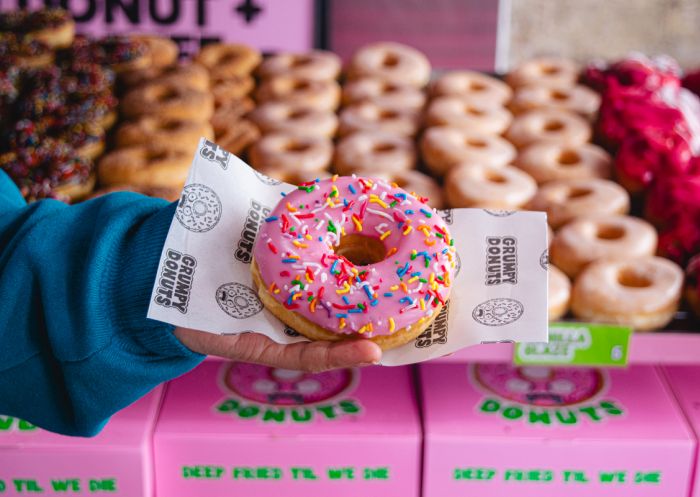
- Digital Curation and Social Media: Platforms like Instagram and TikTok serve as primary discovery engines for Sydney’s sweet spots. Bakeries that master visual storytelling, such as Black Star Pastry and Grumpy Donuts, enjoy organic marketing amplification that traditional advertising budgets cannot buy.
Official Statements & Industry Insights
To gain a deeper perspective on the philosophy driving Sydney’s top pastry chefs, industry leaders have frequently emphasized the intersection of science, heritage, and emotion.
"Baking is chemistry, but it is also storytelling. When you combine stone-milled flour with butter that has been churned with absolute care, you aren’t just making food—you are connecting with a community’s heritage."
— Leading Sydney Pastry Chef and Bakery Owner
Industry veterans note that the success of modern Sydney bakeries relies heavily on radical transparency. Consumers want to know where their wheat is grown, how long the dough has fermented, and whether the eggs are free-range. This shift toward ethical sourcing has forced commercial operations to elevate their standards, bridging the gap between mass production and artisanal craftsmanship.
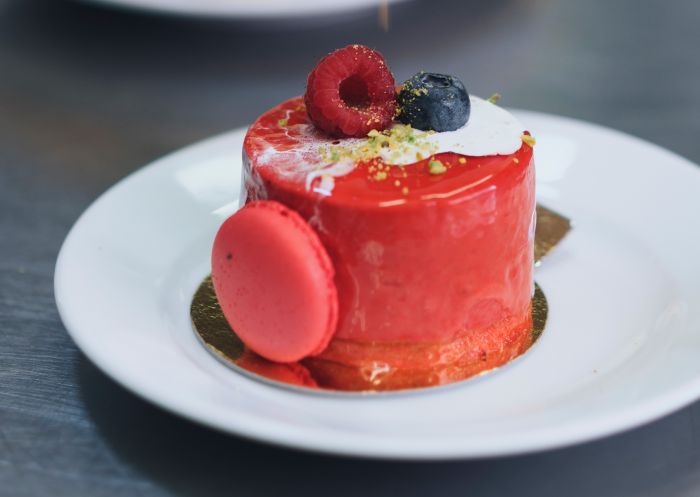
Furthermore, the rise of celebrity-backed ventures—such as Reynold Poernomo’s KOI Dessert Bar in Chippendale—has elevated the profile of dessert dining. Poernomo, often dubbed the "King of Desserts" following his appearances on MasterChef Australia, has articulated that modern dessert bars must offer more than just sugar; they must deliver theatricality, precise textures, and emotional resonance.
Future Outlook: Where is Sydney’s Sweet Scene Heading?
As Sydney looks toward the future, several emerging trends are poised to shape the next decade of pastry and dessert innovation:
- Sustainability and Zero-Waste Baking: With rising ingredient costs and environmental consciousness, leading bakeries are increasingly adopting circular economy practices. This includes utilizing surplus sourdough for breadcrumbs and pastries, sourcing carbon-neutral dairy, and minimizing single-use plastics.
- Cross-Cultural Fusion 2.0: The blending of traditional European pastry techniques (such as French lamination) with Asian flavor profiles (matcha, black sesame, ube, pandan, and yuzu) will continue to dominate. Establishments like Tokyo Lamington and AP Bakery are leading the charge in demonstrating that culinary borders are meant to be crossed.
- Experiential Retail: The future of bakeries lies beyond the transactional counter-service model. Consumers increasingly seek immersive experiences—such as viewing open-plan kitchens, participating in masterclasses, and enjoying pairing menus that match artisanal pastries with natural wines or specialty coffees.
- Suburban Decentralization: While inner-city hubs like Surry Hills and Newtown remain the epicenter of sweet innovation, outer-suburban precincts (such as Parramatta, Chatswood, and Western Sydney at large) are experiencing a boom in high-end bakeries, democratizing access to world-class desserts across the metropolitan area.
Conclusion
Sydney’s sweet revolution is a testament to the city’s multicultural dynamism, culinary curiosity, and relentless pursuit of excellence. Whether you are biting into the crisp, buttery layers of a croissant at Flour and Stone, savoring the floral notes of a Black Star Pastry creation, or indulging in a late-night Greek honey puff at Lukumades, Sydney’s bakeries and dessert bars offer far more than a sugar fix—they offer a window into the soul of a city that constantly reinvents how it celebrates life’s sweetest moments.