


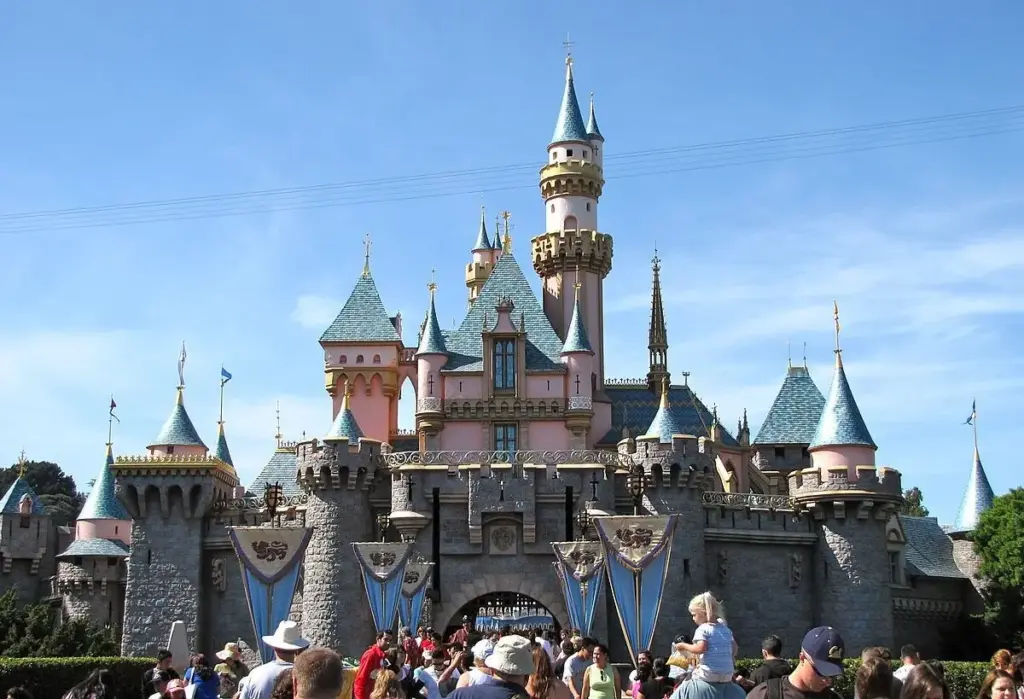
By aggressively raising prices on premium experiences, peak-day admissions, and optional add-ons, the entertainment giant is subsidizing a stable entry-level price point. This deliberate strategy is designed to create an accessible "on-ramp" for young, budget-conscious families. The goal is simple: hook them early, build brand loyalty, and reap the financial rewards as those families grow wealthier and spend more over their lifetimes.
The "On-Ramp" Philosophy: Hooking the Next Generation of Fans
At the heart of Disney’s current pricing philosophy is a deep focus on customer lifetime value. Speaking at a Goldman Sachs financial conference, Disney’s Chief Financial Officer, Hugh Johnston, addressed the delicate balancing act of theme park pricing. Johnston emphasized that pricing is an issue the company is "acutely sensitive to," particularly as Disney seeks to cultivate the next generation of loyal parkgoers.
"We want to make sure we’re keeping the parks accessible," Johnston explained, noting the importance of building an "on-ramp" for young families.
The concept of the on-ramp is rooted in consumer psychology and long-term financial modeling. If a young family with toddlers is priced out of their first Disneyland vacation, they may never develop the nostalgic connection that fuels Disney’s multi-billion-dollar ecosystem. By keeping entry-level access within reach, Disney ensures that these children grow up with Disney memories. As those families climb the income ladder, their spending patterns at the parks naturally shift from budget-conscious day trips to high-margin multi-day vacations, on-site resort stays, character dining, and premium merchandise purchases.
To make this on-ramp viable, Disney has bifurcated its ticketing structure. The company is actively experimenting with how much different consumer segments are willing to pay, ensuring that those with higher disposable incomes shoulder a larger share of the parks’ rising operational costs.
The Widening Gap: A Decade of Ticket Inflation vs. The $104 Anchor
The divergence in Disneyland’s pricing structure over the past decade highlights this targeted approach. According to an analysis by the independent Disney travel and news site Mickey Visit, the price of a single-day, single-park ticket during peak demand periods has skyrocketed. Over the last ten years, Disneyland’s highest-priced one-day tier has surged nearly 90%, climbing from $119 to $224.
This steep upward trajectory reflects the high demand for peak vacation periods, such as major holidays, summer weekends, and spring break. Disney knows that affluent travelers and families tied to school calendars are highly inelastic consumers—they are willing to pay a premium to visit when their schedules allow.
| Ticket Type / Tier | Past Price (approx. 10 years ago) | Current Price | Percentage Change |
|---|---|---|---|
| Peak One-Day Ticket (Tier 6/7) | $119 | $224 | ~88% Increase |
| Base One-Day Ticket (Tier 0) | $104 (introduced in 2019) | $104 | 0% (Stable since 2019) |
In stark contrast, the price of Disneyland’s lowest-tier one-day ticket has remained remarkably flat. Since 2019, the entry-level ticket has been anchored at $104. By freezing this base price for half a decade, Disney can truthfully market the resort as maintaining a stable entry point, deflecting widespread criticism that the magic has become entirely unaffordable.
However, navigating the $104 ticket requires flexibility. These base-tier tickets are typically restricted to low-demand weekdays during the off-season, such as select Tuesdays and Wednesdays in mid-January, February, or September. For budget-conscious families willing to plan around these dates, the entry cost remains identical to what it was pre-pandemic.
Monetizing the Premium Experience: The Rise of the Add-On
If base ticket prices are remaining flat for a segment of the audience, how does Disney continue to post record-breaking revenues in its Experiences division? The answer lies in the aggressive monetization of the park experience through optional, premium add-ons.
Over the last several years, Disney has shifted away from all-inclusive ticketing models toward an unbundled, a la carte system. The most prominent example of this transition is the retirement of the free FastPass system in favor of paid skip-the-line services, currently branded under the Lightning Lane umbrella.
What once was a free perk is now a dynamic, per-person daily charge that can add $30 or more per ticket, per day, to a family’s vacation budget. For a family of four, simply opting to skip the longest lines can easily add over $100 to their daily spend.
Other premium add-ons that have seen steady price increases include:
- Theme Park Parking: Standard and preferred parking rates have steadily climbed, making the drive-in experience more expensive for locals and off-site hotel guests.
- Park Hopper Upgrades: The cost to visit both Disneyland Park and Disney California Adventure on the same day has risen, incentivizing guests to purchase multi-day, single-park tickets instead.
- Exclusive Experiences: High-end offerings, such as VIP tour guides, customized droid and lightsaber building experiences in Star Wars: Galaxy’s Edge, and premium character dining, continue to command premium prices and sell out months in advance.
This system allows budget travelers to opt out of the extras and enjoy a classic park experience for the base admission price, while wealthier guests can pay to customize and streamline their visit.
Local Discounts and Off-Peak Promotions: Filling the Margins
To maintain high park occupancy year-round, Disney does not rely solely on long-distance vacationers. The company has increasingly turned to targeted discount programs and creative ticketing structures to appeal to regional markets and fill the parks during historically slower periods.
Disneyland frequently rolls out multi-day ticket promotions specifically aimed at Southern California residents. These promotional passes, often sold in three-day increments, allow locals to visit the parks on select weekdays for a fraction of the standard daily admission rate.
Additionally, Disney has experimented with evening-only tickets and seasonal afternoon passes. These offers are designed for locals who want to drop by after work for dinner, a few rides, and a nighttime spectacular. These off-peak programs serve a dual purpose: they keep the parks populated during times when tourist traffic dips, and they drive significant secondary spending.
Even if a guest enters on a heavily discounted promotional or evening ticket, they are still highly likely to purchase dinner, snacks, and exclusive seasonal merchandise during their visit. In theme park economics, food, beverage, and merchandise often carry much higher profit margins than the admission ticket itself.
The High-Stakes Balancing Act of Brand Accessibility
Disney’s dual-pricing model is not without its risks. As the gap between the $104 base ticket and the $224 peak ticket widens, the company must manage public perception carefully. The narrative that Disney parks are becoming luxury playgrounds exclusively for the wealthy is a persistent public relations challenge.
If the "on-ramp" feels too restrictive or if the base-tier experience feels degraded by long lines and lack of access to top attractions, young families may opt for alternative entertainment options. Regional theme parks, cruise lines, and beach resorts all compete for the same family vacation dollars.
To combat this, Disney continues to invest heavily in its park infrastructure. The company has committed to spending $60 billion over the next decade on its parks, experiences, and cruise line division, ensuring that even base-tier guests experience high-quality, immersive entertainment.
By keeping the entry-level price point stable at $104, Disney preserves its brand identity as an aspirational yet attainable family destination. It is a delicate economic dance—one that relies on high-spending premium guests to subsidize the very on-ramp that will keep the turnstiles spinning for generations to come.