For decades, the Autonomous Region of Madeira has held an enviable reputation as one of Europe’s most visually dramatic island sanctuaries. Rising steeply from the deep, sapphire-blue expanse of the Atlantic Ocean, Portugal’s "Floating Garden" enchants travelers with its emerald-green peaks, cloud-draped ravines, intricate networks of historic levadas (irrigation channels), and cliffside viewpoints that rival any in the world. Yet, to view Madeira merely as a paradise of scenic vistas and winding coastal roads is to skim the surface of a far richer, more complex narrative.
Beneath the postcard-perfect panoramas lies a deep-rooted agricultural identity forged over centuries of human resilience, ingenuity, and toil. The island’s unique microclimates, volcanic soils, and precipitous topography have given rise to an enduring productive culture. To truly understand Madeira from the inside out, one must look past the natural wonders and examine the pillars of its rural economy—specifically, the cultivation of the banana, the historic production of fortified wine, and the enduring craft of sugarcane rum.
A trio of distinct, highly immersive destinations—the BAM (Madeira Banana Museum) in Ponta do Sol, Blandy’s Wine Lodge in the historic heart of Funchal, and the operational Engenhos do Norte in Porto da Cruz—offers travelers a comprehensive blueprint of this heritage. Together, these sites move the visitor away from standard mass-tourism itineraries and deep into the heart of Madeiran labor, craftsmanship, and local enterprise. Far from being mere souvenirs or tourist novelties, bananas, fortified wine, and artisanal rum are living artifacts of history. They represent the socio-economic lifeblood that sustained generations of islanders, anchored maritime trade routes, and shaped the physical and cultural landscape of Madeira as it is known today.
Detailed Chronology
The story of Madeiran agriculture is inextricably bound to the Age of Discovery, colonial expansion, and the shifting tides of international commerce. Tracing the evolution of the island’s primary economic engines reveals a timeline of adaptation, innovation, and perseverance.
The Age of Sugar and the Genesis of Industrial Rum (15th–17th Centuries)
Following the Portuguese colonization of Madeira in the early 15th century under leaders like João Gonçalves Zarco, the island quickly transformed into a vital European nexus. Prince Henry the Navigator introduced sugarcane cuttings from Sicily, and the rich, volcanic soil combined with the subtropical climate turned Madeira into the "sugar bowl" of the Atlantic. During the late 1400s and 1500s, Madeira was one of the world’s leading suppliers of sugar, fueling immense wealth and laying the foundations for the island’s early infrastructure.
As the global sugar market shifted toward Brazil and the Caribbean in the 17th century, Madeiran planters pivoted. Sugarcane production did not disappear; rather, it evolved. The surplus cane and molasses were increasingly diverted toward distillation, giving birth to the robust tradition of Madeiran aguardiente (cane spirit) and agricultural rum (aguardiente de cana-de-açúcar). This transition established a network of rural mills (engenhos), embedding the processing of sugarcane deeply into the rhythm of village life, particularly along the rugged northern coast.
The Rise of the Fortified Wine Trade (17th–19th Centuries)
Parallel to the story of sugarcane, viticulture took root on the island’s terraced hillsides almost immediately after settlement. Winemakers discovered that shipping wines across the tropics dramatically improved their flavor, a transformative realization driven by the intense heat and motion of maritime voyages. This led to the intentional development of Madeira wine through unique processes of heating and oxidation (estufagem and canteiro).
By the 18th and 19th centuries, Madeira wine had achieved legendary status across the courts of Europe and the Americas. It was famously used to toast the signing of the American Declaration of Independence in 1776. It was during this golden era of commerce that merchant families established themselves in Funchal. Among them, the Blandy family arrived in 1811, eventually cementing their legacy as one of the few founding wine dynasties to maintain unbroken family ownership and management of their enterprise into the modern era.
The Green Revolution: The Banana Takes Root (20th Century)
While wine and rum anchored Madeira’s historical trade, the 20th century introduced a new agricultural protagonist: the banana (Musa acuminata). As European markets opened and agricultural techniques modernized, banana cultivation expanded rapidly across the southern and western coastal strips of the island, particularly in sheltered areas like Ponta do Sol and Madalena do Mar.
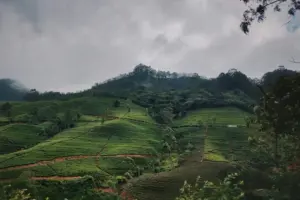
Cultivating bananas on Madeira’s steep, terraced slopes required extraordinary physical labor. Because flat land was virtually nonexistent, farmers carved narrow terraces (poios) into the mountainsides, supported by dry-stone walls. Every step of the process—from hauling organic fertilizer up sheer cliffs to harvesting heavy fruit stalks by hand—remained intensely manual. Over decades, the banana transitioned from a localized crop into the undisputed economic champion of coastal Madeira, defining the verdant aesthetic of the island’s lower elevations and securing its position as a protected, high-quality European Union product.
Supporting Context & Metrics
Evaluating the scope of Madeira’s agricultural heritage requires examining the raw data, economic metrics, and logistical frameworks that support these traditional industries today.
The Banana Economy: BAM and Cultivation Metrics
The Madeira Banana Museum (BAM), situated in the coastal locality of Lugar de Baixo within the Ponta do Sol municipality, sits at the heart of the island’s modern agricultural narrative. Spanning an extensive interpretive footprint, the museum highlights a vital economic sector:
Production Volume: Madeira produces tens of thousands of metric tons of bananas annually, supplying the Portuguese mainland and select international markets.
Geographical Indication: Madeiran bananas are distinctively smaller, sweeter, and more intensely flavored than their tropical counterparts grown in Latin America or West Africa, largely due to the unique soil composition, mineral-rich irrigation water, and cooler subtropical climate.
Museum Infrastructure: The BAM facility represents a multi-million-euro investment in agricultural tourism, utilizing sensory art installations, multimedia timelines, and botanical exhibits to translate complex trade logistics into an accessible public experience. General admission is priced at €9, with tiered discounts available for seniors (€7) and children aged 6 to 14 (€5), while children under 6 enter free of charge. Winter operating hours run from 9:00 AM to 6:00 PM, extending until 7:00 PM during the summer season (June through October).
Located in a historic 17th-century former Franciscan monastery in downtown Funchal, Blandy’s Wine Lodge is a cornerstone of Madeiran ootourism and cultural preservation:
Inventory and Aging: The lodge houses thousands of casks and demi-johns of aging Madeira wine, including rare, museum-grade vintages dating back to the 19th century. Some barrels have been maturing under the canteiro method (natural attic heating) for over a century.
Commercial Reach: The Blandy family exports to dozens of countries worldwide, preserving styles ranging from dry Sercial to rich, luscious Bual and Malmsey.
Visitor Engagement: Guided tours start at €17 and are conducted in multiple languages, including Spanish, English, German, and French. The experience covers the cooperage, aging warehouses, and historical archives, culminating in structured tutored tastings that educate visitors on the nuances of Madeira’s unique oxidation process.
Industrial Archaeology: Engenhos do Norte Metrics
Operating in Porto da Cruz on Madeira’s rugged northeastern coast, Engenhos do Norte stands as an invaluable monument to the Industrial Revolution in the Atlantic:
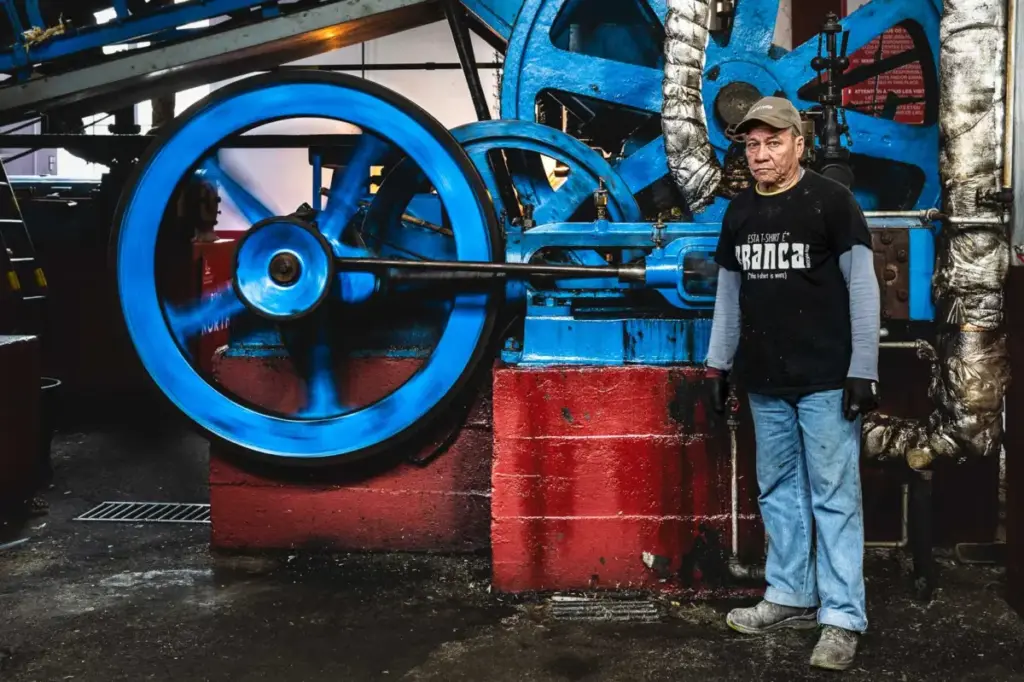
Operational Status: Built in 1927 by consolidating dozens of smaller, archaic sugar mills, Engenhos do Norte is one of only three industrial sugarcane mills still functioning in Madeira.
Machinery: The factory utilizes steam-powered machinery dating back to the late 19th and early 20th centuries, including massive iron crushers that press the raw cane harvested from across the island.
Production Season: The safra (harvest and crushing season) takes place annually between March and May. During this window, visitors can witness the deafening roar of steam engines, the sweet scent of boiling molasses, and the active pressing of sugarcane. During the off-season, interactive digital installations and static machinery displays allow year-round access to the facility, complemented by tastings of agricultural rum (Rum da Madeira) and cane honey punch at the adjacent Casa do Rum. Entrance to the mill is free.
Official Statements
Cultural preservationists, agricultural authorities, and tourism directors across the archipelago emphasize the critical importance of these three institutions in safeguarding Madeira’s identity against the pressures of rapid modernization and mass tourism.
"Madeira is globally celebrated for its physical beauty—our laurel forests, our peaks, and our sea cliffs. However, the soul of this island is forged in the dirt, the stone-walled terraces, and the historic cellars. Institutions like the BAM, Blandy’s Wine Lodge, and Engenhos do Norte ensure that our agricultural heritage is not relegated to dusty archives, but remains a living, breathing part of the visitor experience."
— Regional Directorate of Tourism, Autonomous Region of Madeira
Highlighting the educational and socioeconomic value of the Madeira Banana Museum, local agricultural historians note:
"The banana is much more than a commercial crop here; it is the visual and economic architecture of our coastlines. For generations, families have coaxed life out of vertiginous cliffs. The BAM allows us to honor that labor, translating the sweat of the agricultural worker into a modern, engaging narrative that resonates with travelers from all walks of life."
— Curatorial Board, BAM (Centro da Banana da Madeira)
Addressing the continuity of trade and the significance of family stewardship in the wine sector, company leadership underscores:
"To maintain an unbroken family lineage in the Madeira wine trade since 1811 is both a profound privilege and an immense responsibility. Blandy’s Wine Lodge is not merely a commercial warehouse; it is a repository of European history. Every cask resting under our rafters tells a story of survival, maritime adventure, and uncompromising craft."
— The Blandy Family Wine Directorate, Funchal
Future Outlook
As Madeira looks toward the coming decades, the integration of traditional agriculture with sustainable tourism represents a vital frontier for the island’s economy. The global travel sector is witnessing a decisive shift toward authenticity, slow travel, and agritourism—trends that position Madeira’s agricultural pillars advantageously.
Sustainability and Agritourism Integration
The challenge for Madeiran agriculture lies in balancing traditional, labor-intensive farming methods with the economic realities of modern European markets. Steep terraced farming (poios) is inherently expensive to maintain, and generational shifts threaten the continuation of small-scale farming. However, initiatives like the BAM, Blandy’s Wine Lodge, and Engenhos do Norte serve as powerful economic buffers. By drawing tourists directly into agricultural zones—such as Ponta do Sol in the west, Funchal in the south, and Porto da Cruz in the northeast—these sites stimulate direct-to-consumer sales, elevate the perceived value of local goods, and encourage younger generations to remain connected to the land.
Climate Resilience and Product Valorization
Furthermore, agricultural authorities are increasingly focusing on climate resilience, optimizing water management systems through the historic levada network while protecting the genetic integrity of native crops like the Madeira banana and traditional grape varieties (Sercial, Verdelho, Bual, Malvasia, and Terrantez). Protected Designation of Origin (PDO) statuses ensure that Madeiran rum, wine, and bananas retain strict quality controls, shielding local producers from counterfeit competition and guaranteeing premium pricing in international markets.
Ultimately, by weaving agricultural heritage into the broader tourism tapestry, Madeira ensures that its identity remains anchored in authenticity. Travelers venturing beyond the standard viewpoints to explore the wooden casks of Funchal, the steam-driven gears of Porto da Cruz, and the immersive banana galleries of Lugar de Baixo discover a multidimensional destination. Madeira is an island designed not only to be admired through a camera lens, but to be understood through its history, respected through its labor, and deeply savored through its unique regional flavors.