







Crossing an international boundary with a motorized home or a towed travel trailer often evokes considerable anxiety among travelers. For families and full-time nomads plotting a northbound migration toward the Last Frontier of Alaska, the logistical hurdles can seem manifold. Questions regarding prohibited agricultural goods, pet documentation, firearm protocols, and the mechanics of a rolling search frequently dominate pre-trip planning.
However, a systematic approach grounded in transparency, preparation, and rigorous documentation can transform a perceived bottleneck into a seamless transition. Drawing from real-world telemetry and family travel experiences at the Portal, North Dakota border crossing into Saskatchewan, this comprehensive analysis outlines the operational realities, regulatory frameworks, and strategic best practices required to successfully transit the United States-Canada border in an RV. By adhering to established customs guidelines, preparing comprehensive inventories, and accounting for the unique structural demands of mobile living, travelers can significantly mitigate inspection times and ensure compliance with sovereign federal laws.
Detailed Chronology: Preparing for and Executing the Crossing
The lifecycle of a successful international RV border crossing spans three distinct phases: pre-departure documentation and provisioning, arrival and processing at the port of entry, and post-crossing navigation. Understanding the sequential requirements of each phase is critical for maintaining travel momentum.
Phase 1: Pre-Departure Logistics and Documentation
The foundation of a frictionless border crossing is established weeks before the vehicle ever idles at a customs booth. Federal inspection agencies place a premium on organized, readily accessible paperwork.
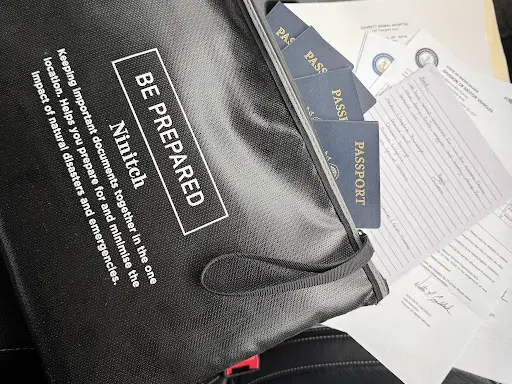
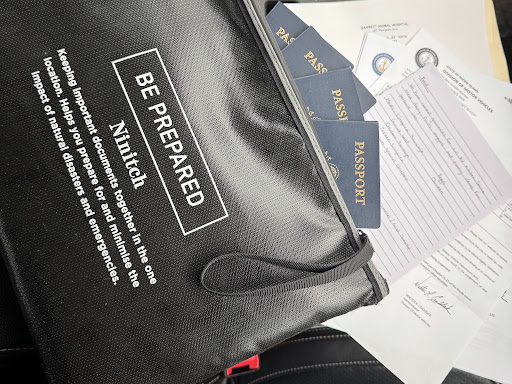
- The Centralized Document Repository: Rather than scattering passports, vehicle registrations, and insurance cards across glove compartments and overhead bins, seasoned travelers utilize a consolidated, fireproof document bag. Essential items include valid passports for all human occupants, vehicle registration titles (or lease agreements), proof of valid cross-border auto insurance, and detailed itineraries.
- Employment and Seasonal Documentation: For travelers engaging in seasonal work, remote employment, or "workamping" arrangements, carrying physical copies of job offer letters, corporate sponsorship documentation, or property reservations provides immediate clarity should border personnel question the duration or purpose of the stay.
- The Pantry and Refrigerator Audit: Unlike standard passenger vehicles, an RV functions as a domicile complete with operational cold-storage and dry-goods pantries. Transiting the border requires a meticulous inventory of all onboard consumables. Authorities do not penalize travelers for carrying groceries; rather, they penalize the concealment of restricted agricultural products. A typed, comprehensive list of onboard food items—categorized by origin (e.g., U.S.-sourced commercially packaged goods versus fresh produce or meats)—serves as an effective risk-mitigation tool.
- Pet Protocol and Veterinary Records: Companion animals require proactive preparation. While regulations fluctuate, maintaining an up-to-date physical health record detailing current rabies vaccinations is non-negotiable. Although secondary inspections do not always demand physical presentation of the animal or its paperwork, border security retains the statutory authority to request both at a moment’s notice.
Phase 2: Arrival at the Port of Entry
When approaching the inspection booth, procedural decorum and transparency dictate the success of the encounter.
[APPROACHING THE BOOTH]
       │
       ├──> Turn off auxiliary audio, lower all windows, turn on interior lights (if night).
       ├──> Present passports and declare residency status ("Full-time RV travelers").
└──> Voluntarily declare all food, alcohol, currency exceeding $10,000, and pets.- Lane Selection and Queue Management: Major commercial and passenger ports of entry, such as Portal, North Dakota, frequently process a mixed stream of commercial semi-trucks, agricultural haulers, and recreational vehicles. Drivers must anticipate potential wait times, queue patiently in designated lanes, and maintain situational awareness regarding lane clearance metrics (height and width restrictions).
- The Initial Interview: The primary inspection officer will typically initiate dialogue with standard queries: Citizenship? Purpose of travel? Length of stay? Value of goods acquired abroad? Possession of firearms, alcohol, tobacco, or currency over $10,000? Answers must be direct, concise, and completely truthful. Attempting to obfuscate the presence of fresh meat, produce, or restricted defense items invariably leads to escalated secondary inspections, potential fines, and the confiscation of property.
- The Secondary Inspection Protocol: If an officer directs the RV to a secondary inspection bay, travelers must view this as a routine administrative procedure rather than an accusatory measure. Because an RV represents a mobile domicile, searches can feel intrusive. Maintaining an orderly storage environment—free of structural hazards and chaotic clutter—expedites the officer’s visual sweep of the living quarters, storage bays, and tow vehicle.
Phase 3: Post-Crossing Mobilization
Once clearance is granted, immediate operational adjustments are necessary to account for infrastructural and legal variances north of the border.
- Offline Navigation and Telemetry: Digital reliance on cellular data can be hazardous in remote northern corridors. Downloading regional and offline mapping packages prior to crossing ensures continuous route awareness along the Alaska Highway and surrounding provincial routes.
- Metric Conversion and Fuel Management: Fuel pricing mechanisms shift dramatically upon entering Canada. Transactions are calculated in Canadian Dollars (CAD) per liter rather than per US gallon. Compounded by remote pricing spikes, fuel economy monitoring becomes paramount. Maintaining a tank threshold above 50 capacity prevents range anxiety in sparsely populated regions.
Supporting Context & Metrics: Regulatory Guidelines
Navigating the nuanced restrictions enforced by the Canada Border Services Agency (CBSA) requires strict adherence to federal statutes governing biosecurity, public safety, and wildlife management.
Agricultural and Biosecurity Regulations
The introduction of invasive pests, plant pathogens, and animal diseases poses a severe economic and ecological threat to Canadian agriculture. Consequently, the CBSA enforces stringent import controls.
- Firewood: Transporting untreated firewood across provincial or international borders is universally discouraged and frequently prohibited. Pests such as the emerald ash borer and spongy moth hitchhike in timber. Travelers must procure local firewood at their destination.
- Meat, Poultry, and Dairy: While personal-use quantities of commercially packaged meat or dairy products are occasionally permitted depending on current epidemiological outbreaks (such as Avian Influenza or Bovine Spongiform Encephalopathy restrictions), origin verification is mandatory. Non-commercial travelers should expect restrictions on fresh produce originating from regions experiencing localized pest infestations.
- Proactive Declaration Strategy: The governing rule of thumb is absolute transparency. Over-declaring dubious items—such as homegrown garden vegetables or ambiguous animal products—allows the border agent to make an informed determination, typically resulting in simple disposal rather than punitive financial penalties.
Firearms and Self-Defense Weapons
United States constitutional provisions regarding the right to bear arms contrast sharply with Canadian federal firearms legislation (the Firearms Act).
- Prohibited Classes: Handguns, automatic and semi-automatic military-style rifles (such as AR-platform variants), and certain types of knives are heavily restricted or outright prohibited for non-residents.
- Non-Restricted Firearms: Certain hunting rifles and shotguns may be imported temporarily for sporting or hunting purposes, provided the owner completes a Non-Resident Firearm Declaration (Form RCMP 558), pays the requisite processing fee, and presents the unloaded weapon locked in a secure container.
- Self-Defense Sprays: Chemical agents marketed for personal defense, including bear spray or pepper spray not explicitly labeled and certified as animal deterrents designed for wildlife protection, are subject to strict scrutiny and potential seizure. For the vast majority of RV travelers, divesting of personal protection firearms prior to departure eliminates unnecessary legal exposure at the border.
Official Statements and Regulatory Oversight
Regulatory bodies emphasize that border security is a shared responsibility centered on trade facilitation and national protection.
According to guidelines issued by the Canada Border Services Agency (CBSA):
"All travelers seeking entry into Canada are legally required to declare all goods brought into the country, including food, plants, animals, and currency. Full-time RV travelers must account for the entirety of their mobile living quarters as a consolidated commercial and residential unit. Honesty at the primary inspection booth is the single most effective way to expedite clearance and ensure compliance with federal biosecurity mandates."
Furthermore, agricultural authorities reiterate that the restriction of foreign organic matter is vital to protecting domestic timber industries and agricultural yields:
"The movement of untreated wood products and unverified animal byproducts remains a primary vector for invasive ecological disruption. Travelers utilizing recreational vehicles must plan their provisioning to consume perishable goods prior to arrival or prepare for voluntary surrender at the port of entry."
Future Outlook: The Evolution of Cross-Border RV Travel
As North American tourism rebounds and remote work culture continues to redefine modern mobility, the demographic profile of cross-border RV travelers is shifting rapidly. The traditional retiree demographic is now joined by digital nomads, families engaging in world-schooling, and seasonal remote professionals.
Looking forward, several trends are poised to shape the future of international RV transit:
- Digital Customs Integration: Anticipated modernization initiatives across North American ports of entry point toward increased adoption of pre-arrival digital declaration applications (such as ArriveCAN variants or biometric pre-clearance programs), which may soon allow RV owners to pre-upload pantry inventories and pet certification data.
- Environmental Harmonization: With climate change accelerating the spread of arboreal pests and agricultural blights, biosecurity protocols at the U.S.-Canada border are expected to tighten. Stricter automated screening technologies and canine inspection units will likely become more prevalent at northern land ports.
- Infrastructure Adaptation: As electric and hybrid recreational vehicles gain market share, cross-border infrastructure planning will increasingly prioritize high-capacity charging corridors along remote northern routes like the Alaska Highway, fundamentally altering how travelers plan fuel and power logistics.
By blending meticulous preparation with a respectful, transparent approach to customs compliance, RV travelers can confidently bridge international divides, unlocking some of the most spectacular wilderness corridors on the North American continent.