








Executive Overview
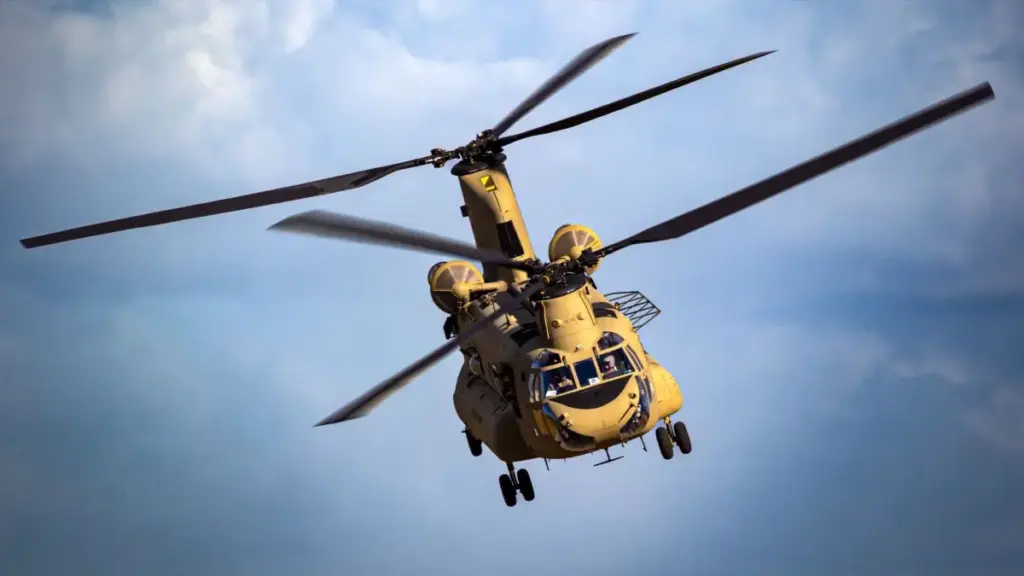
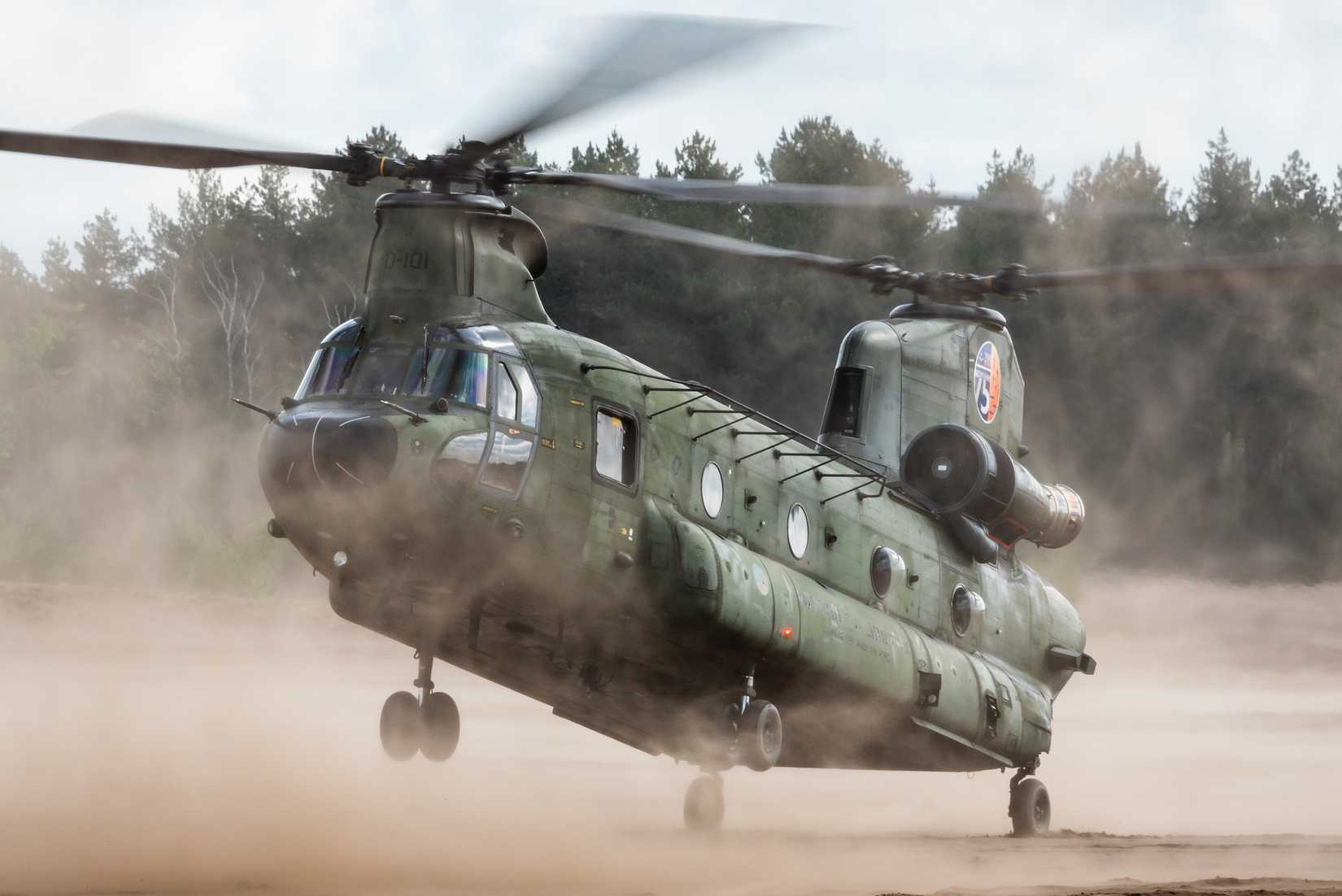
For more than six decades, the Boeing CH-47 Chinook has served as the undisputed workhorse of the United States military, hauling troops, heavy artillery, and critical supplies across battlefields from Vietnam to the modern era. As the US Army’s sole tandem-rotor heavy-lift helicopter—and second only in overall physical scale to the Sikorsky CH-53—the Chinook remains irreplaceable. With a maiden flight dating back to 1961 and operational introduction in 1962, the airframe stands as one of the oldest continuously utilized designs in America’s modern defense inventory.
However, age demands evolution. With a dedicated replacement platform still many years away in early conceptual phases, the US Army has committed to a sweeping, multi-billion-dollar modernization campaign. This initiative aims to extend the service life of the Chinook fleet well into the 2040s. At the center of this strategy is the CH-47F Block II upgrade program—a massive capital and technological overhaul designed to boost payload capacity, restructure aging airframes, enhance drivetrain performance, and digitize the cockpit.
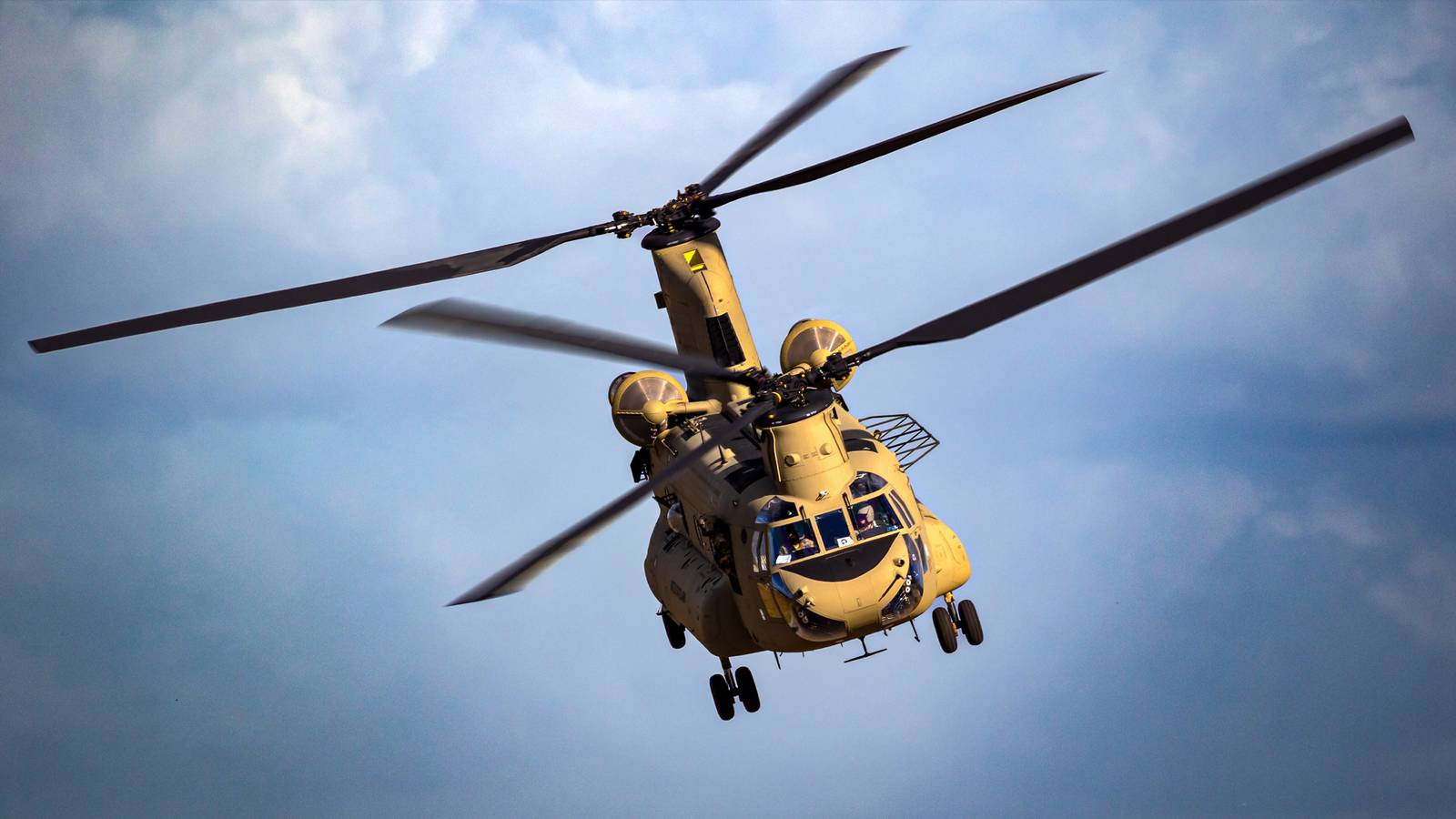
Bolstered by a recent $472 million engineering contract awarded to Collins Aerospace for advanced avionics, the broader $20 billion modernization program reflects a delicate balancing act. The Army must reconcile the urgent need for heightened battlefield readiness and cyber-resiliency against shifting acquisition objectives, budgetary constraints, and ongoing fleet reductions.
Detailed Chronology: The Evolution and Modernization of the Chinook
To understand the scope of the current modernization push, it is vital to trace the aircraft’s evolutionary path and the milestone decisions that have shaped its current operational lifespan.

- 1961–1962 (Origins): Originally developed by Vertol (later acquired by Boeing), the tandem-rotor helicopter makes its historic maiden flight in 1961 before officially entering active US Army service the following year.
- 2009 (Baseline Fleet Objectives): Testifying before Congress, Army officials outline a baseline requirement of 513 total Chinooks—comprising 452 standard CH-47Fs and 61 specialized MH-47Gs—against an actual active inventory of 458 airframes.
- Early 2020s (Inception of Block II & Early Replacement Talks): Recognizing the limits of legacy configurations, the Army lays the groundwork for the CH-47F Block II program. Simultaneously, preliminary, highly confidential investigations begin regarding a conceptual heavy-lift replacement.
- 2024 (Future Heavy-Lift Discussions): Media reports reveal early-stage exploratory moves by the US Army to conceptualize a next-generation heavy-lift rotorcraft to eventually succeed the Chinook post-2040, though official development remains distant.
- 2025–2026 (Contract Awards and Delivery Metrics): Boeing delivers a mix of newly built and refurbished airframes during the first half of 2026. In August 2026, RTX subsidiary Collins Aerospace secures a landmark contract worth up to $472 million to supply advanced engineering services for the Chinook’s avionics architecture.
- 2027 Budget Cycle (Strategic Retrenchment): The Army’s Fiscal Year 2027 budget request reveals a sharp pivot in procurement targets. The target acquisition objective for conventional Block II CH-47F aircraft is scaled back dramatically, alongside planned divestments of older legacy frames to make room for fiscal and operational streamlining.
Supporting Context & Metrics: Fleet Numbers, Modernization Mechanics, and Budgetary Realities
The ongoing transformation of the US Army’s heavy-lift fleet involves two parallel tracks: mechanical recapitalization and continuous digital modernization. Mechanically, the CH-47F Block II program focuses on reinforcing the airframe, maximizing torque capability, redesigning fuel systems for efficiency, and upgrading both the drivetrain and rotor systems. These physical improvements push the aircraft’s maximum gross weight to an impressive 54,000 pounds (24,493 kg), ensuring it can handle the intense demands of modern "Transformation in Contact" (TiC) doctrines.
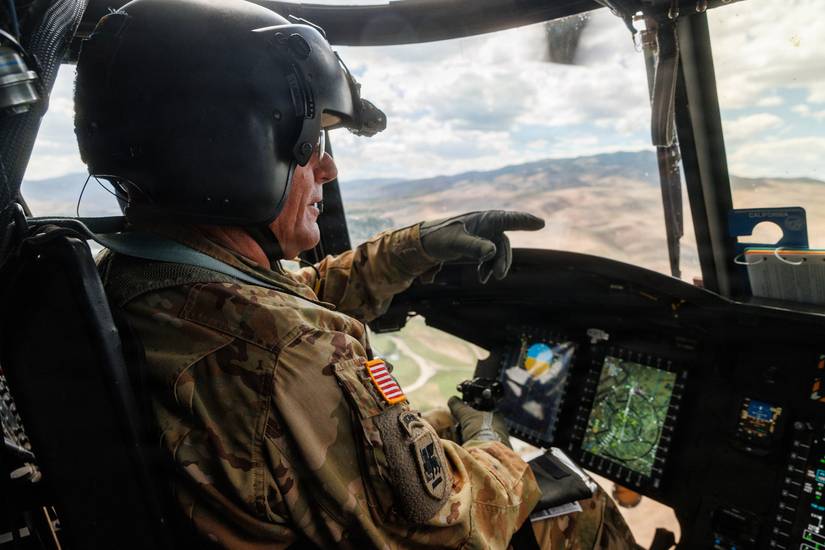
Digitally, the focus shifts to open-architecture avionics. By utilizing modular, reusable software and hardware ecosystems, the Army can integrate cutting-edge capabilities—such as Assured Positioning, Navigation, and Timing (APNT), cryptographic modernizations, and enhanced Aircraft Survivability Equipment (ASE)—without triggering cascading integration delays or prohibitive costs.
US Army Chinook Fleet & Program Metrics
| Program Category / Metric | Quantity | Strategic Context / Notes (per FY2027 Budget Documents) |
|---|---|---|
| Current Block II AAO (FY2026) | 501 | Comprises 432 CH-47F standard models and 69 MH-47G special operations variants. |
| Current Block II Program Target (FY2027) | 93 | Includes 24 CH-47Fs and 69 MH-47Gs, reflecting a sharp reduction in conventional CH-47F procurement goals. |
| CH-47F Block II Rapid-Fielding Target | Up to 24 | Slated for rapid fielding and fleet integration, with completion targeted by 2030. |
| MH-47G Special Operations Program | 69 | Specialized fleet managed under a separate Special Operations acquisition strategy utilizing common Block II components. |
| FY2027 Planned Divestments | 35 | Comprises legacy airframes slated for retirement (6 Active Army, 17 Army National Guard, 12 Army Reserve). |
Despite a historically stable inventory—pegged around 500 active platforms—the Army is actively pruning its legacy fleet. Alongside the divestment of 35 older CH-47Fs, the broader force-restructuring plan features the retirement of 75 UH-60L Black Hawks and 76 AH-64D/E Apaches. This allows defense funds to be funneled directly into advanced modernization pipelines.
Official Statements and Industry Perspectives
The sheer scale of the Chinook’s modernization has required close coordination between the Department of Defense and major defense contractors like Boeing and RTX.
Emphasizing the tactical necessity of the platform, official US Army budget and procurement documentation notes that the CH-47F remains "critical to achieving the heavy lift capability in support of Transformation in Contact (TiC) and Continuous Transformation objectives." The service highlights that without continuous digital and structural injections via the Digital Cockpit Support & Sustainment (DCSS) funding streams, the fleet would quickly succumb to technological obsolescence in heavily contested electromagnetic and cyber environments.
Industry partners have echoed the importance of adopting open architectures to future-proof the platform. Commenting on the pivotal $472 million engineering agreement, Jenny Miller, Vice President and General Manager of Vision and Sensing Systems at Collins Aerospace, noted:
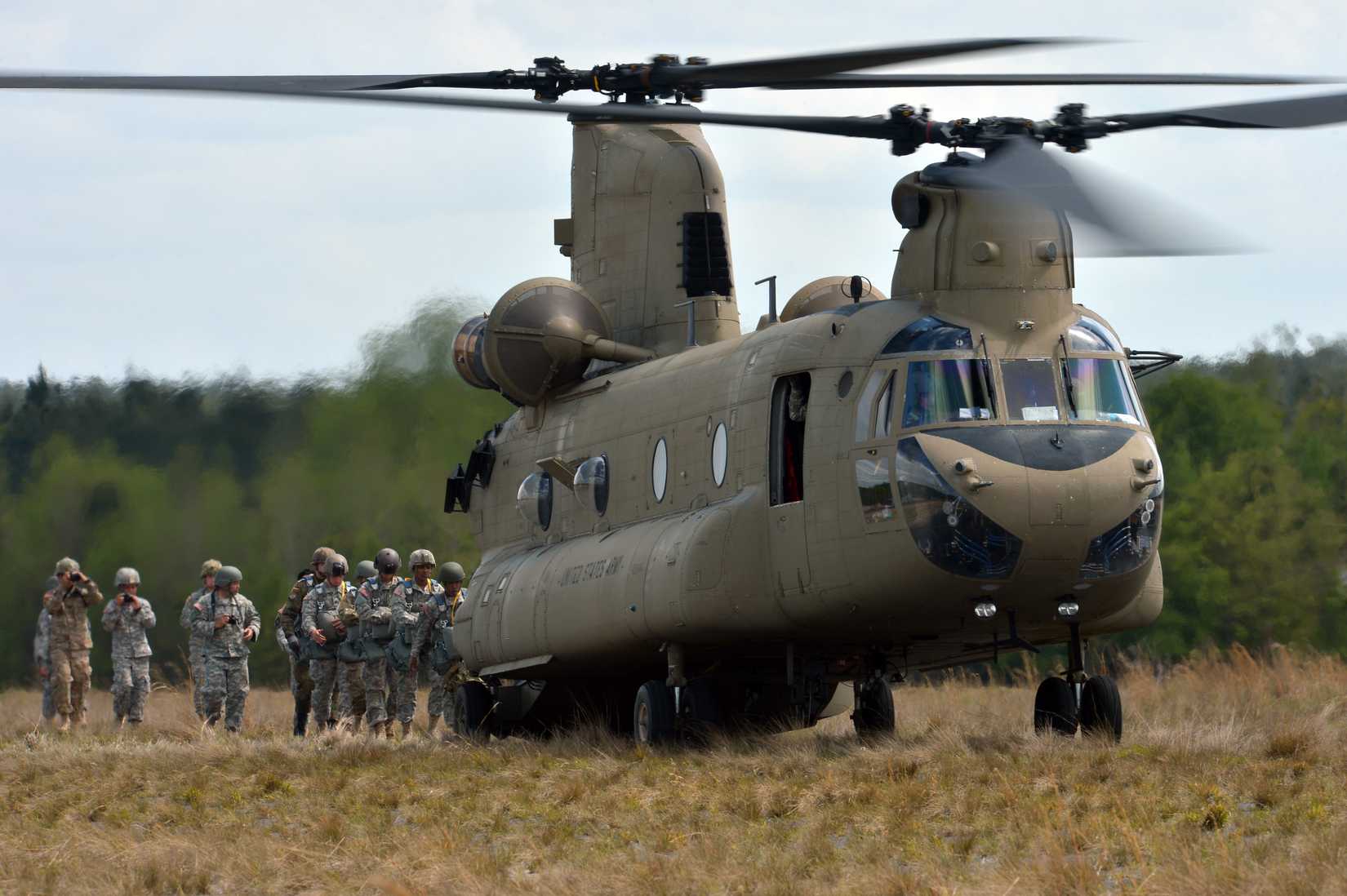
"Our focus is on equipping the Chinook with advanced avionics that seamlessly integrate communication, navigation, and mission subsystems into a flexible, modern cockpit. This ensures that the platform can efficiently address technological obsolescence and maintain mission readiness in a rapidly evolving operational environment."
By consolidating engineering work across facilities in Huntsville, Alabama, and Cedar Rapids, Iowa, Collins and Boeing are targeting commonality across the broader US Army aviation enterprise. This standardized approach dramatically cuts down the time and expense required to field new software patches and hardware upgrades.
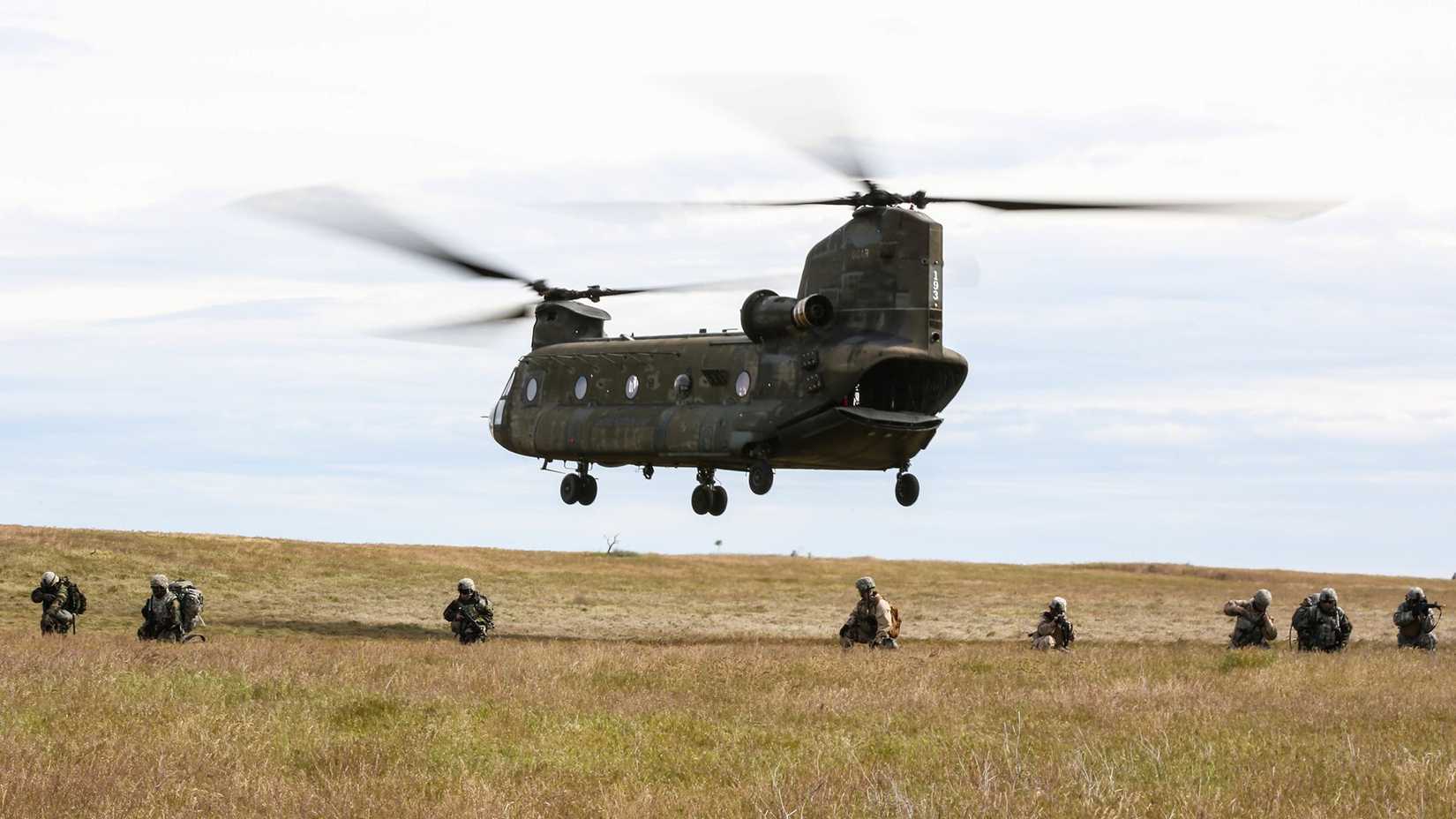
Future Outlook: The Horizon Beyond the Chinook
While the ongoing infusion of Block II upgrades guarantees that the Chinook will remain a fixture of military aviation well into the 2040s, defense planners are already casting a wary eye toward the distant future.
The eventual replacement of the tandem-rotor icon remains in its early conceptual infancy. Following preliminary industry studies revealed in late 2024, the Pentagon has deliberately deferred formal replacement prototyping while it pours capital into near-term modernization priorities—most notably the Future Long-Range Assault Aircraft (FLRAA), designated the MV-75, which is projected to enter service by the early 2030s.
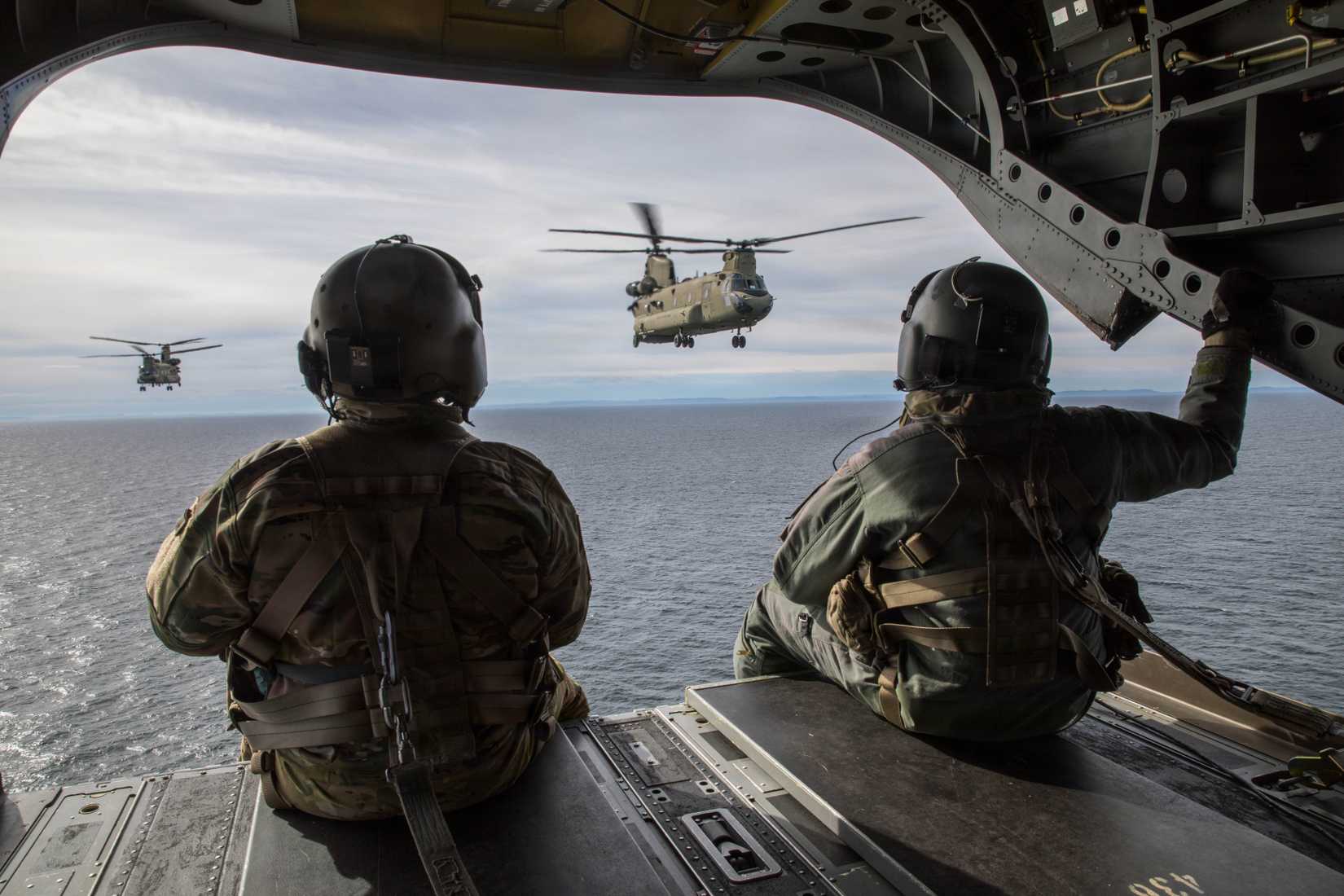
When the military eventually turns its attention to a dedicated heavy-lift successor to the Chinook, industry watchers anticipate that defense designers will lean heavily on tiltrotor technologies. Although manned tiltrotors like the CV-22 Osprey have faced intense public scrutiny over developmental maturity and safety records, the broader trajectory of military and commercial aviation points firmly toward tilt-rotor and advanced vertical-lift paradigms. Commercial pioneers such as Joby Aviation and Archer, alongside rapidly accelerating military aerospace programs in nations like China, signal a global shift away from conventional helicopter configurations.
Until those next-generation concepts mature from drawing boards into flyable prototypes, however, the US military has no alternative to the CH-47. Through billions in strategic investment, structural reinforcement, and digital reinvention, the Boeing Chinook is primed to carry the weight of America’s heavy-lift operations for decades to come.