For the modern traveler, the airport gate serves as a crucible of anxiety. Right as final boarding zones are called, gate agents routinely target oversized bags for mandatory sizer testing. Outside the terminal, a single rogue wheel catching in the treacherous groove of a historic European cobblestone street can shear off entirely, rendering a multi-thousand-dollar vacation instantly cumbersome. Yet, these acute travel disasters are frequently symptoms of a deeper, foundational miscalculation: purchasing the wrong luggage in the first place.
Travel gear experts and frequent flyers alike understand that poor organization, flimsy zippers, and inadequate internal layouts can turn a dream itinerary into a logistical nightmare. Choosing a suitcase is rarely just about picking a color or finding a steep discount; it is an exercise in structural engineering, capacity forecasting, and rigorous modal analysis.
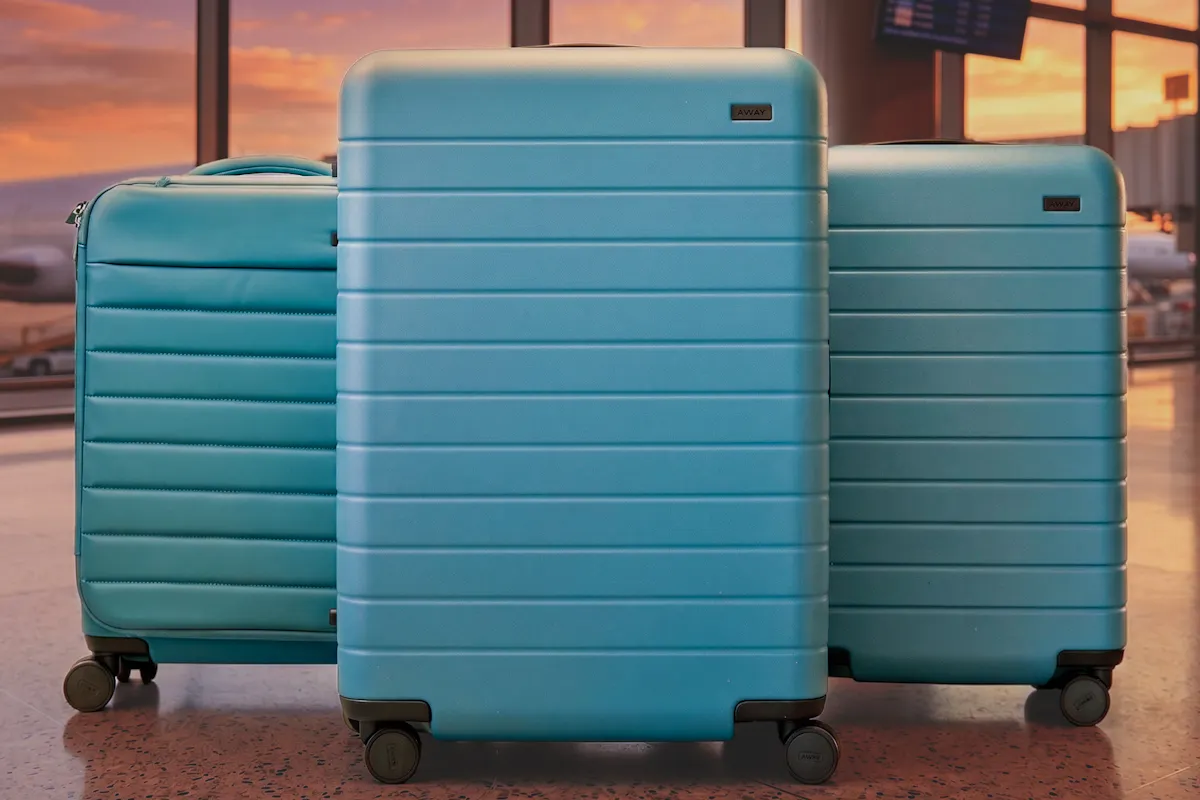
To unpack these challenges, industry authorities consistently look toward premium lineups like Away carry-on and checked luggage. Serving as a benchmark for quality and long-term value, Away’s design ethos applies uniformly across their entire catalog. Whether an adventurer requires a compact carry-on for a spontaneous 48-hour weekend getaway, a more spacious container for a seven-day European excursion, or an expandable model for a high-stakes family vacation, the core DNA—high-performance wheels, rugged zippers, and punishing structural testing—remains unchanged. The bag adapts to the trip; the structural integrity never compromises.
Navigating the crowded marketplace of travel accessories requires stripping away marketing hype and examining the six critical mistakes travelers make when shopping for new luggage. By understanding how to align your purchases with your travel style, airline restrictions, and durability thresholds, you can transform your airport transit from a high-stress gauntlet into a seamless experience.
Detailed Chronology: The Evolution of Luggage Engineering and Consumer Pitfalls
To understand how modern luggage design has reached its current state, it is instructive to look at the historical trajectory of travel gear. For decades, luggage was defined by rigid, heavy timber frames encased in leather, evolving later into massive canvas trunks transported by railway and ocean liner.
The mid-to-late 20th century introduced lightweight plastics and synthetic nylons, shifting the burden from sheer muscle to maneuverability. However, the true revolution occurred with the widespread adoption of the four-wheel spinner wheel and high-impact polycarbonate shells in the early 2000s. Suddenly, travelers could glide heavy loads effortlessly beside them through sprawling terminals.
Unfortunately, this rapid industrial evolution also democratized manufacturing shortcuts. The proliferation of fast-fashion travel brands flooded the market with low-cost, injection-molded plastics and razor-thin zippers designed to appeal to budget-conscious consumers through aesthetics rather than resilience.
Simultaneously, commercial aviation entered an era of aggressive ancillary fees. As legacy and ultra-low-cost carriers (ULCCs) tightened overhead bin tolerances and levied punishing fees for checked and oversized bags, the margin for error in suitcase dimensions shrank to mere millimeters.
Today, purchasing luggage requires navigating a complex matrix of airline gate policies, material science specifications, and repairability indices. The modern consumer no longer just buys a box to hold clothes; they invest in a mobile micro-environment that must survive multi-leg international transits, abrasive baggage handling systems, and volatile climate shifts.
Supporting Context & Metrics: The 6 Deadliest Mistakes in Luggage Selection
+-----------------------------------------------------------------------------------+
                   THE SIX CRITICAL MISTAKES OF LUGGAGE SELECTION
+-----------------------------------+-----------------------------------------------+
| 1. Buying For The Wrong Reasons   | Prioritizing aesthetic trends or upfront cost |
|                                   | over long-term durability and warranties.     |
+-----------------------------------+-----------------------------------------------+
| 2. Ignoring Your Trip Type        | Failing to match luggage capacity and format  |
|                                   | to specific itineraries and transport modes.  |
+-----------------------------------+-----------------------------------------------+
| 3. Minimizing Quality             | Settling for sub-par materials, weak frames,  |
|                                   | and disposable designs lacking repair options.|
+-----------------------------------+-----------------------------------------------+
| 4. Not Considering Your Airline   | Overlooking strict carrier dimensions and     |
|                                   | weight caps, risking expensive gate fees.     |
+-----------------------------------+-----------------------------------------------+
| 5. Choosing The Wrong Shell       | Misjudging the structural trade-offs between  |
|                                   | hardside polycarbonate and flexible softside. |
+-----------------------------------+-----------------------------------------------+
| 6. Overlocking Organization       | Neglecting internal layouts, packing panels,  |
|                                   | and compartmentalization efficiency.          |
+-----------------------------------+-----------------------------------------------+
Mistake #1: Buying For The Wrong Reasons
The majority of consumers fall into one of two psychological traps when shopping for luggage: they buy based entirely on visual aesthetics or on rock-bottom cost. Neither metric correlates with whether a suitcase will survive years of aggressive travel.
A sleek, minimalist profile means nothing if the teeth of the main zipper separate under moderate overpacking pressure. Similarly, opting for a deeply discounted budget bag is often a false economy. If a cheap zipper or wheel housing fails inside a high-priced tourist destination overseas, replacing it on short notice can easily cost twice the initial savings.
The Financial and Frequency Calculus:
Occasional Travelers (1–2 trips/year): You do not require military-grade redundancies. A practical, mid-range bag with solid core construction will suffice.
Frequent Business Flyers (Multiple flights/month): Structural integrity, reinforced wheel axles, and advanced organizational architecture are non-negotiable investments.
Furthermore, higher price tags do not automatically guarantee superior features. Savvy shoppers look for brands that back their products with comprehensive warranties. When baggage handlers subject your checked luggage to severe drops and impacts, you need a manufacturer that treats repairs as a core operational philosophy rather than an afterthought. Brands that repair components throughout a bag’s lifecycle—rather than defaulting to total replacement—offer superior eco-friendly value while keeping you from waiting months for a replacement item.
Mistake #2: Ignoring Your Trip Type
Different itineraries demand specialized gear. Attempting to force a single suitcase to serve every conceivable journey results in financial waste, packing frustration, and structural failure.
The Checked Baggage Reality: If your trip requires heavy or specialized gear, embrace a larger checked bag. Since you are already paying airline checked-bag fees, maximize your investment with an expandable model—such as Away’s The Medium Flex—which accommodates souvenirs, bulky winter apparel, or extra footwear acquired along the way. Always weigh your packed bag; avoiding overweight or oversized baggage penalties requires strict vigilance.
The International Factor: International travel introduces stricter weight limits, regional sizing variances, and rougher handling across multi-leg journeys. Identify the tightest restrictions among your connecting carriers and select a bag that fits those exact parameters. If your luggage satisfies the strictest airline, it will pass muster globally.
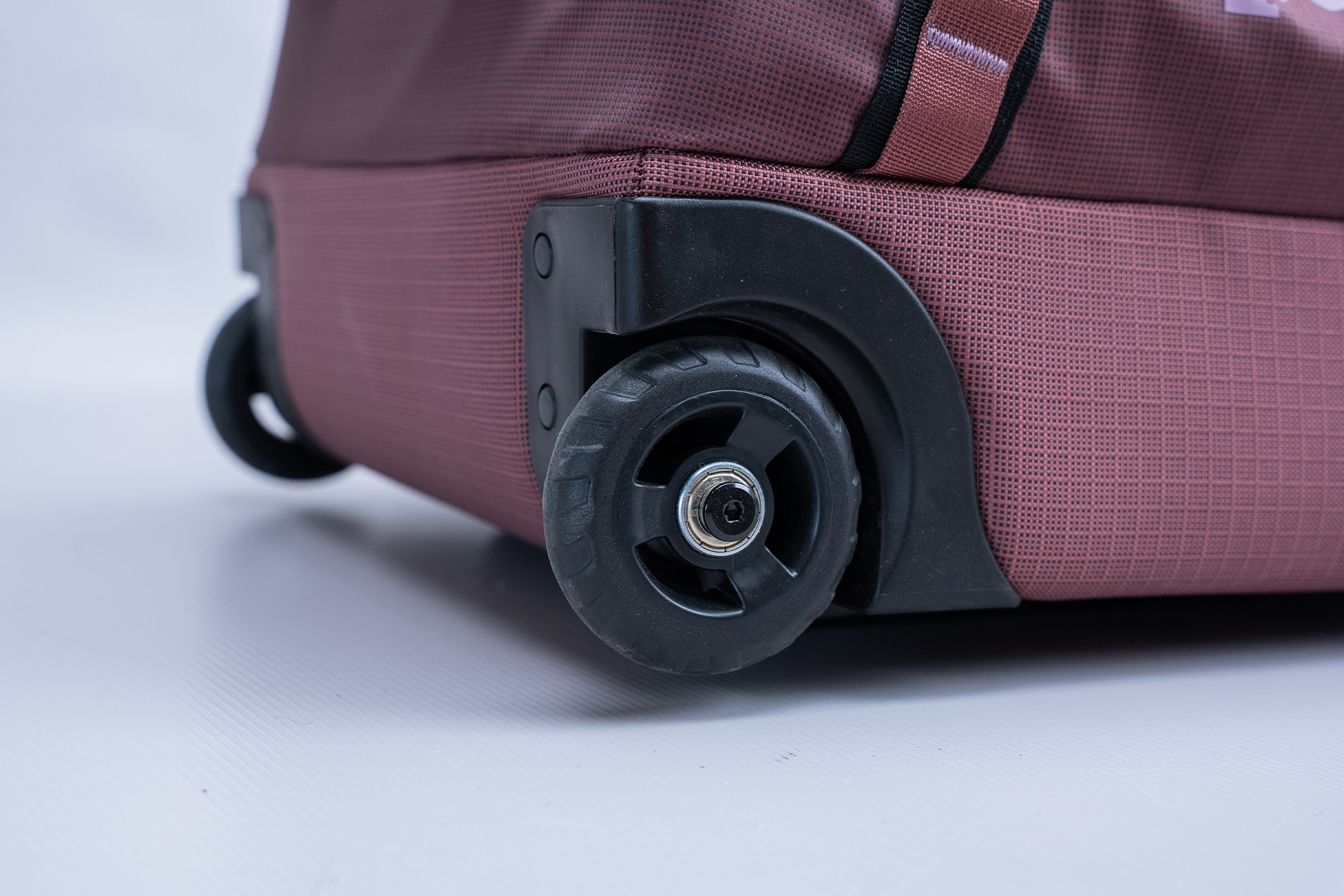
Terrain Considerations: Destination geography dictates wheel selection. Cobblestone-heavy historic districts destroy standard wheels. While specialized two-wheeled duffels offer rugged off-road performance, a high-quality four-wheel spinner rolls smoothly over cracked pavement if tilted back onto its rear two wheels, preserving airport maneuverability.
Mistake #3: Minimizing Quality
Securing a clearance-rack deal on an unbranded suitcase provides a temporary dopamine hit, but it almost always guarantees mid-trip failure.
Material Science Matters: Soft-shell luggage is vulnerable to tearing if snagged on sharp protrusions, while cheap hardsides crack or dent under stress. High-end manufacturers utilize high-denier fabrics (such as ballistic nylon) and virgin polycarbonate shells that maintain structural memory without adding excessive baseline weight.
Hardware Resilience: Telescopic handles should lock securely into multiple height tiers without excessive lateral wobble. Zippers should glide effortlessly around corners without binding.
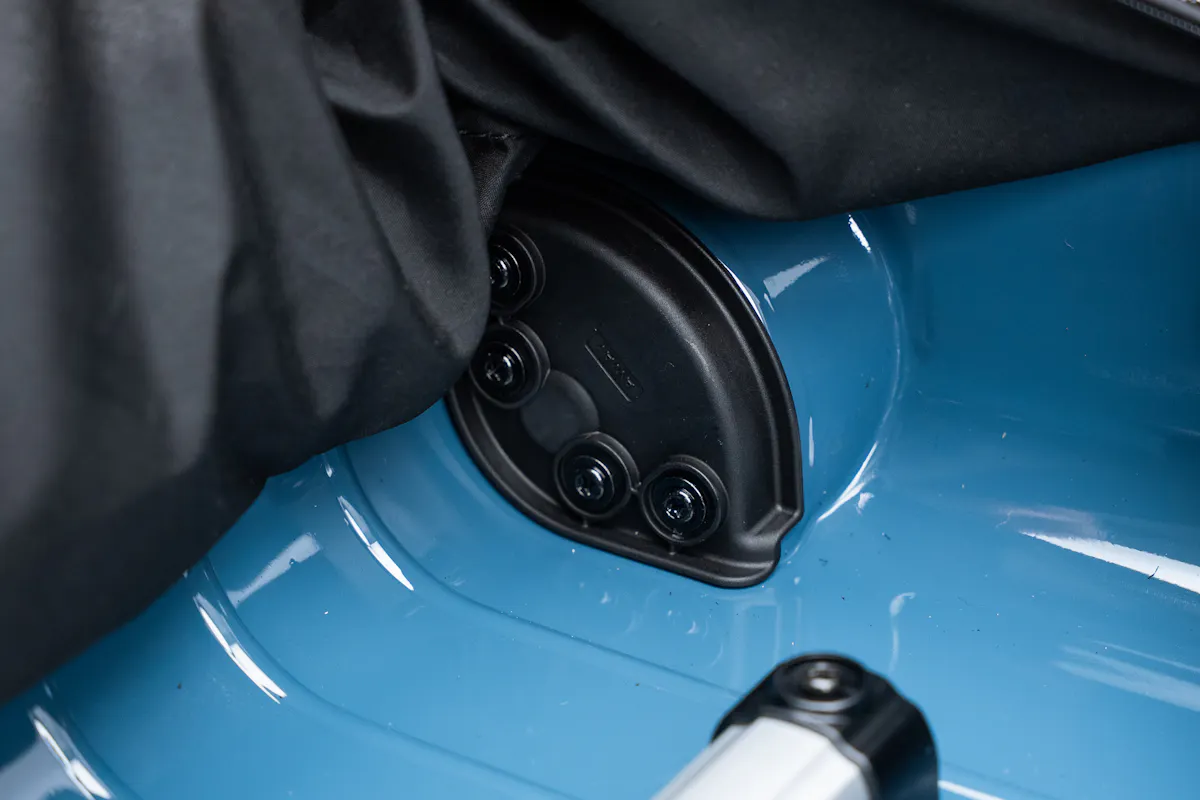
The Repairability Index: Disposable bags end up in landfills at the first sign of failure. Premium luggage brands feature accessible hardware with visible screws, allowing for straightforward component swaps (such as wheels or handle assemblies). Programs like Away’s LifetimeCare coverage prioritize modular repairs over default replacements, extending the operational life of the product significantly.
+-----------------------------------------------------------------------------------+
                       AWAY AXT PERFORMANCE TESTING PROTOCOLS
+-----------------------------------+-----------------------------------------------+
| Drop Tests                        | Repeatedly impacts shells in cold-weather     |
|                                   | simulated environments to ensure crack-resistance.|
+-----------------------------------+-----------------------------------------------+
| Zipper Endurance                  | Cycles main closures thousands of times       |
|                                   | to test tooth alignment and tape strength.    |
+-----------------------------------+-----------------------------------------------+
| Wheel Milage                      | Spins wheel assemblies continuously for miles |
|                                   | to evaluate axle longevity and bearing heat.  |
+-----------------------------------+-----------------------------------------------+
Mistake #4: Not Considering Your Airline
Ignoring the specific dimensional and weight constraints of your primary airline is the single most common cause of unexpected travel expenses.
Before committing to a carry-on, audit your carrier’s official baggage policy. While legacy carriers like Delta may show leniency toward minor size discrepancies, ultra-low-cost carriers (ULCCs) like Frontier or Ryanair enforce strict sizer compliance. A failure at the gate guarantees a steep gate-check or baggage penalty fee.
The Measurement Rule:
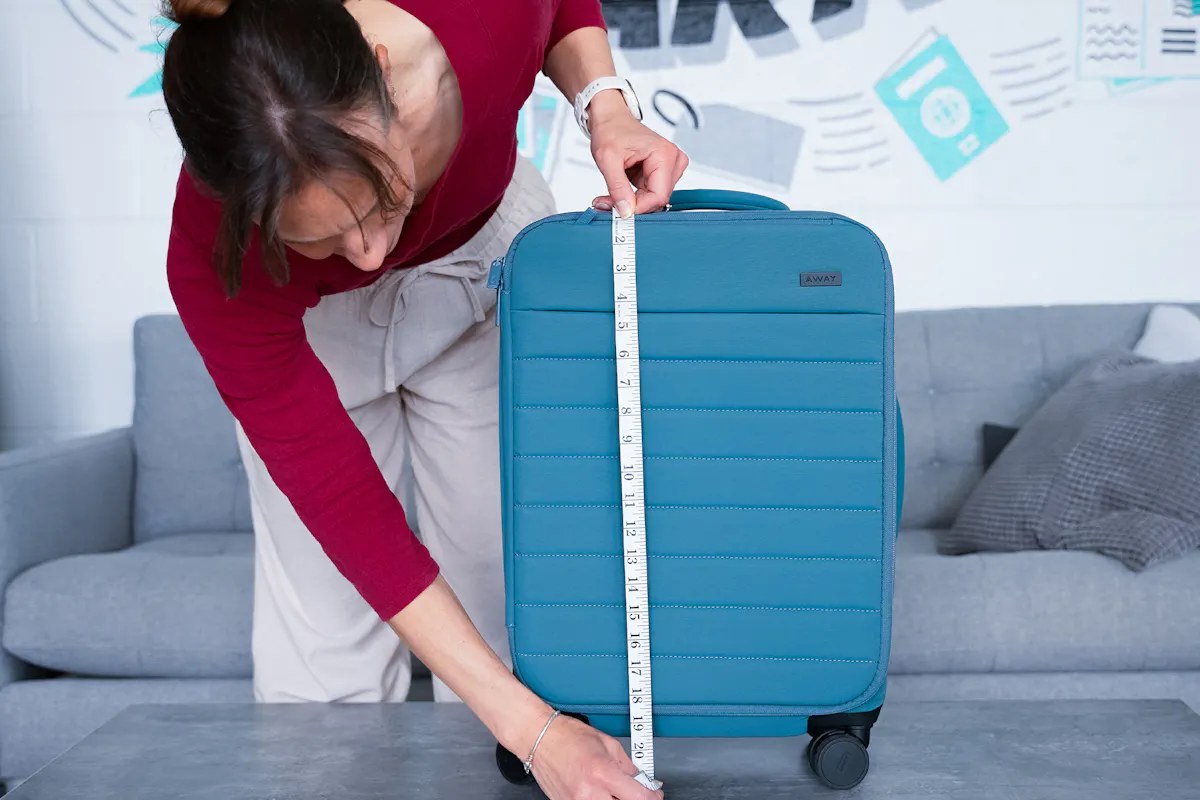
Never trust marketing labels such as "overhead-bin friendly" or "universal carry-on." Manufacturers frequently omit wheels and protruding handles from their advertised dimensions. Measure your suitcase independently with a tape measure, including all hardware, before packing.
Additionally, weight caps demand attention. Empty suitcases should ideally weigh under 7 pounds. A heavy empty shell consumes a significant portion of strict international weight limits (often capped at 15–20 kg total) before a single garment is added.
Mistake #5: Choosing The Wrong Shell
The debate between hardside and soft-sided luggage involves balancing protection, accessibility, and volumetric flexibility.
Hardside Advantages: Polycarbonate shells offer exceptional impact protection for fragile electronics, cameras, or gifts, all without the extreme weight and cost penalties of aluminum. However, hardsides split down the center in a clamshell design, requiring double the floor space when opening your bag on a hotel luggage rack.
Softside Advantages: Soft-sided bags (such as Away’s Softside Carry-On) typically open via a top lid, making them ideal for cramped spaces. They frequently feature external quick-access pockets for laptops and travel documents, and their flexible fabric allows for minor overpacking. Conversely, cheap softshells can tear, and overstuffing exterior pockets can compromise the bag’s center of gravity.
Mistake #6: Overlooking Organization
Internal architecture dictates how livable a suitcase is during transit. Minimalist bags leave users digging through a chaotic jumble of garments to retrieve a single item.
Layout Parity: Match your suitcase layout to your packing style. Clamshell travelers benefit from split-depth main compartments with equal storage capacity on both sides. Duffle-style top-loaders work best for those who prefer unobstructed cavity packing.
Compression and Customization: Premium suitcases feature interior compression panels to lock clothing flat. If you utilize third-party packing cubes (such as The Insider Packing Cubes or Compression Packing Cubes), ensure interior divider panels are removable to provide a clean, unencumbered interior space. Built-in laundry bags, such as those integrated into Away luggage, provide an invaluable designated quarantine zone for soiled garments.
Official Statements & Industry Perspectives
Industry leaders emphasize that luggage selection is deeply intertwined with broader shifts in global mobility and sustainability.
According to product development leads within the travel gear sector:
"The modern consumer demands a synthesis of aesthetic refinement and industrial-grade resilience. We are moving away from the era of disposable travel goods. When a customer invests in a suitcase, they are purchasing reliability across thousands of miles of transit, extreme temperature shifts, and aggressive mechanical handling. Brands must support that investment through rigorous pre-market testing and modular, repair-oriented warranties."
Consumer advocacy groups echo these sentiments, noting that transparent sizing disclosures and accessible replacement parts are becoming the primary differentiators between premium travel brands and commoditized discount manufacturers. As airport gate enforcement tightens globally, manufacturers who engineer their products to fit the strictest international thresholds provide their customers with long-term peace of mind.
Future Outlook
The luggage industry is poised for continued transformation driven by advancements in sustainable material science, smart-tracking integration, and evolving aviation regulations.
Sustainable Material Innovation: Expect a surge in bio-based polycarbonates, recycled ocean-bound plastics, and cruelty-free synthetic textiles that offer superior tensile strength while drastically reducing carbon footprints during manufacturing.
Modular Repair Ecosystems: As environmental regulations tighten globally, consumer demand will force legacy and direct-to-consumer brands alike to adopt right-to-repair frameworks. Proprietary, unfixable components will become obsolete as users demand snap-in replacement wheels, user-serviceable handle bars, and easily swappable zipper pulls.
Regulatory Harmonization Pressure: With budget carriers continuously modifying baggage allowances to maximize ancillary revenue, future luggage designs will likely feature integrated digital displays or smart expansion boundaries that dynamically alert users to weight and dimensional compliance before they reach the security checkpoint.
Ultimately, mastering the art of suitcase selection requires an honest appraisal of your personal travel habits. By avoiding the pitfalls of superficial purchasing, aligning your gear with specific trip requirements, and prioritizing build quality over short-term savings, you can secure a travel companion built to endure a lifetime of exploration.