







Published August 7, 2026
Reporting by investigative mountaineering desks
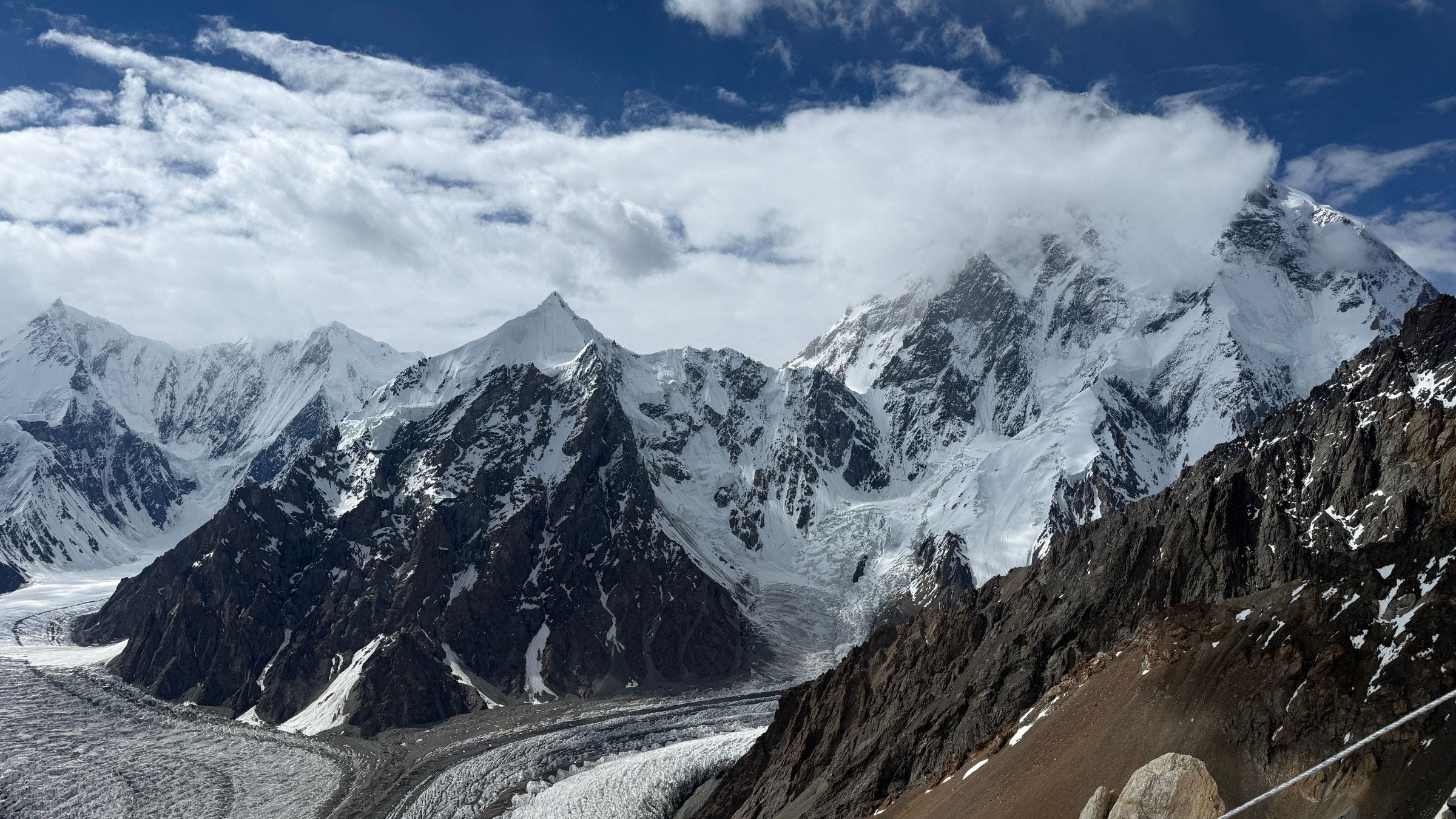
The Karakoram mountain range, straddling the border between Pakistan and China, has long been a theater of extreme human endurance, calculated risk, and unforgiving natural hazard. In late July and early August 2026, that theater transformed into a site of profound grief.
On July 30, 2026, a catastrophic avalanche swept down the slopes of Pakistan’s Broad Peak—the 12th-highest mountain in the world at 26,414 feet—claiming the lives of ten elite climbers. The disaster ranks as the deadliest high-alpine mountaineering tragedy in more than a decade. The victims included legendary mountaineer Nirmal “Nims” Purja, who was attempting to scale all 14 of the world’s 8,000-meter peaks without supplemental oxygen for a second time; renowned international guides; and veteran high-altitude workers.
What followed was a harrowing, week-long multi-national recovery effort defined by extreme hazards, near-misses, and the unyielding loyalty of climbing partners who risked their lives to bring their fallen friends home. This report details the timeline of the disaster, the meteorological and operational context that set the stage for catastrophe, and the grueling rescue missions that unfolded under the constant threat of secondary avalanches.
Detailed Chronology: From Base Camp to Catastrophe
The Setup and the Storm
The tragedy on Broad Peak did not occur in a vacuum; it was the culmination of a volatile weather pattern that compressed the summer climbing window across the Karakoram.
Between July 22 and July 26, 2026, a massive storm system blanketed the region in heavy, unseasonal snowfall. Experienced mountaineers recognize that a stabilization period of at least five days is traditionally required for deep snow to consolidate on steep high-altitude slopes. However, compressed commercial seasons and vanishing weather windows leave little room for caution.
"In the Karakoram, you’re supposed to wait five days for the snow to settle before you climb," explained Jenjen Lama, a climbing guide and Base Camp manager for Seven Summit Treks (SST), who was stationed on neighboring K2. "But the weather windows here are too small. If you wait, it just starts to snow again… If you want to reach the summit, you just have to take the risk. It’s do or die. Fifty-fifty."
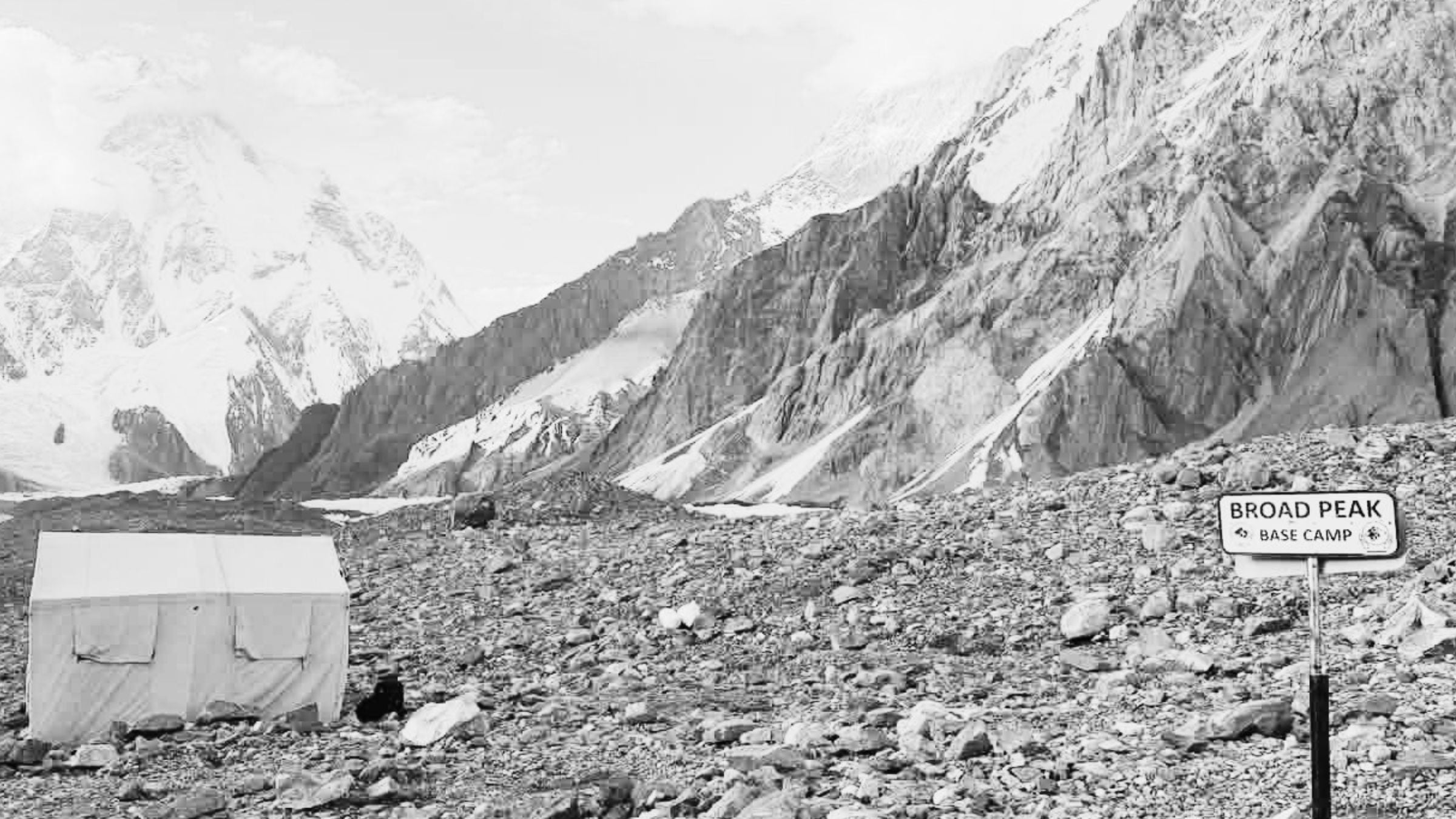
Despite these conditions, a wave of ten climbers representing four independent expeditions left Broad Peak Base Camp (approx. 16,000 feet) on the morning of July 28. They moved up the technical lower ridge toward Camp I (18,500 feet), unknowingly marching into a trap of unstable wind-slabs and fresh snow that obscured the tracks of earlier climbers.
The Ascent: Technical Brutality
The route on Broad Peak is notoriously sustained. It demands relentless technical climbing from the very start, featuring loose rock, steep ice, and exposed traverses. Napier Fuller, an American climber who participated in the first wave of summit bids on July 18 and 19, described the route’s severity.
"From the very get-go of crampon point, it was firecrackers," Fuller recalled. "It was tough going, dangerous rockfall, very technical climbing… Broad Peak makes Everest look like child’s play comparatively."
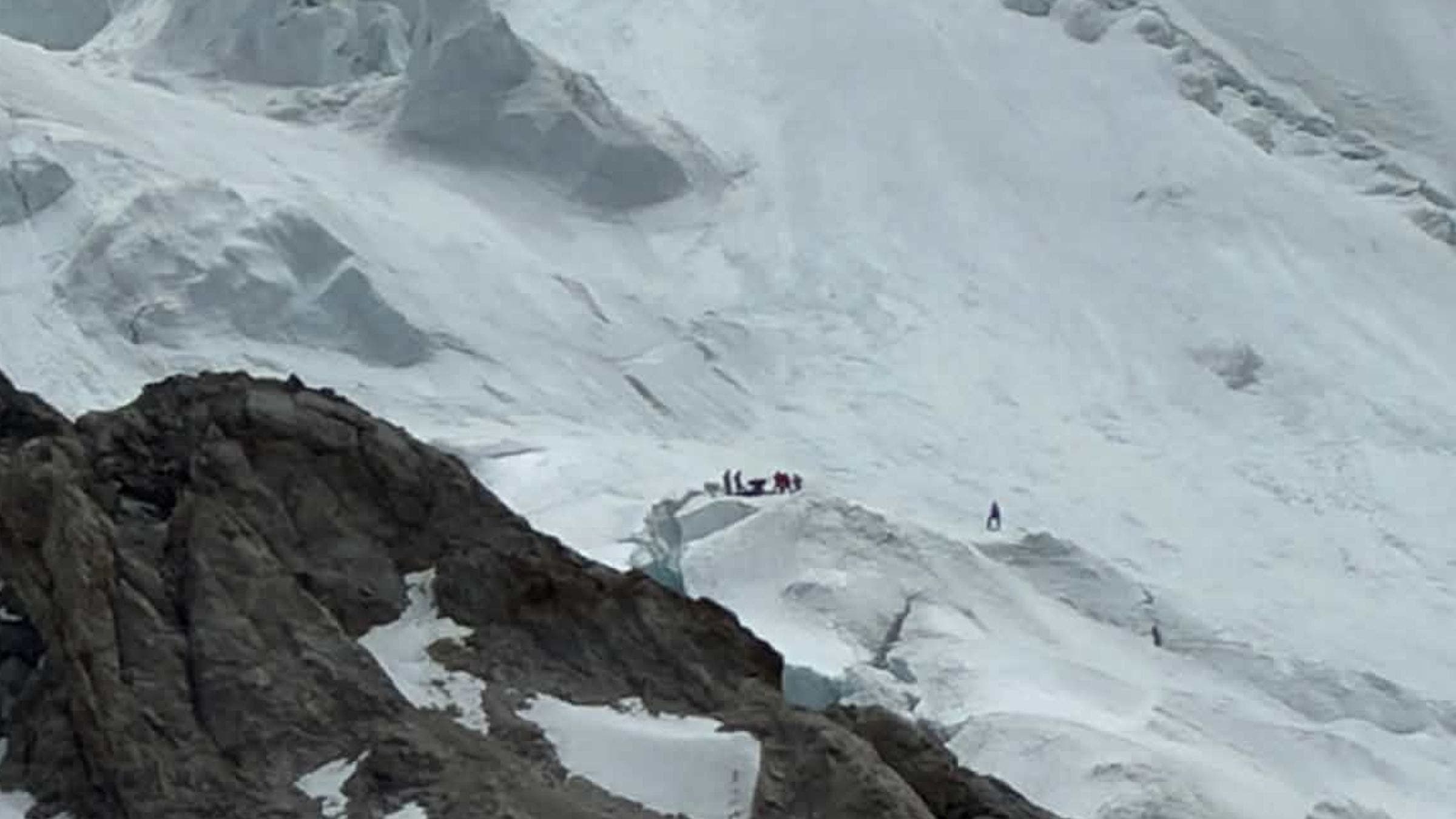
Among the ten climbers on the July 28 wave were:
- Nirmal “Nims” Purja, 43, alongside Elite Exped teammates Pur Bahadur Gurung (“Yukta”), 37, and Nima Sherpa, 36.
- Nadhira Al Harthy, 48, of Oman—who made history in 2019 as the first Omani woman to summit Everest—supported by SST guides Gyalu Sherpa, 47, and Nawang Thindu Sherpa, 28.
- Wang Zhong of China, supported by veteran Imagine Nepal guide Kili Pemba Sherpa (“Kilu”), 45.
- Sarah Mallory Geis, 39, of the United States, guided by elite Pakistani mountaineer Sohail Sakhi, 33.
By the evening of July 28, the climbers had reached Camp I, pushing up to Camp II (20,500 feet) by the following day.
July 30: The Slide
GPS telemetry indicates that the four teams were moving steadily upward from Camp II on the morning of July 30. At 5:33 A.M., all teams were tracked at Camp II; by 7:30 A.M., they were ascending the exposed slopes toward Camp III. Just before 9:00 A.M., Purja’s GPS tracker pinged at 21,847 feet—the highest altitude any member of the group would attain.
At approximately 9:00 A.M., Jenjen Lama was ascending toward Camp II on K2 across the Godwin-Austen glacier. Looking across the valley, he witnessed a massive wall of snow let loose from Broad Peak.
"I thought they probably just had their radios switched off to save battery," Lama said. "So I called down to Base Camp and told them to keep checking in with the team."
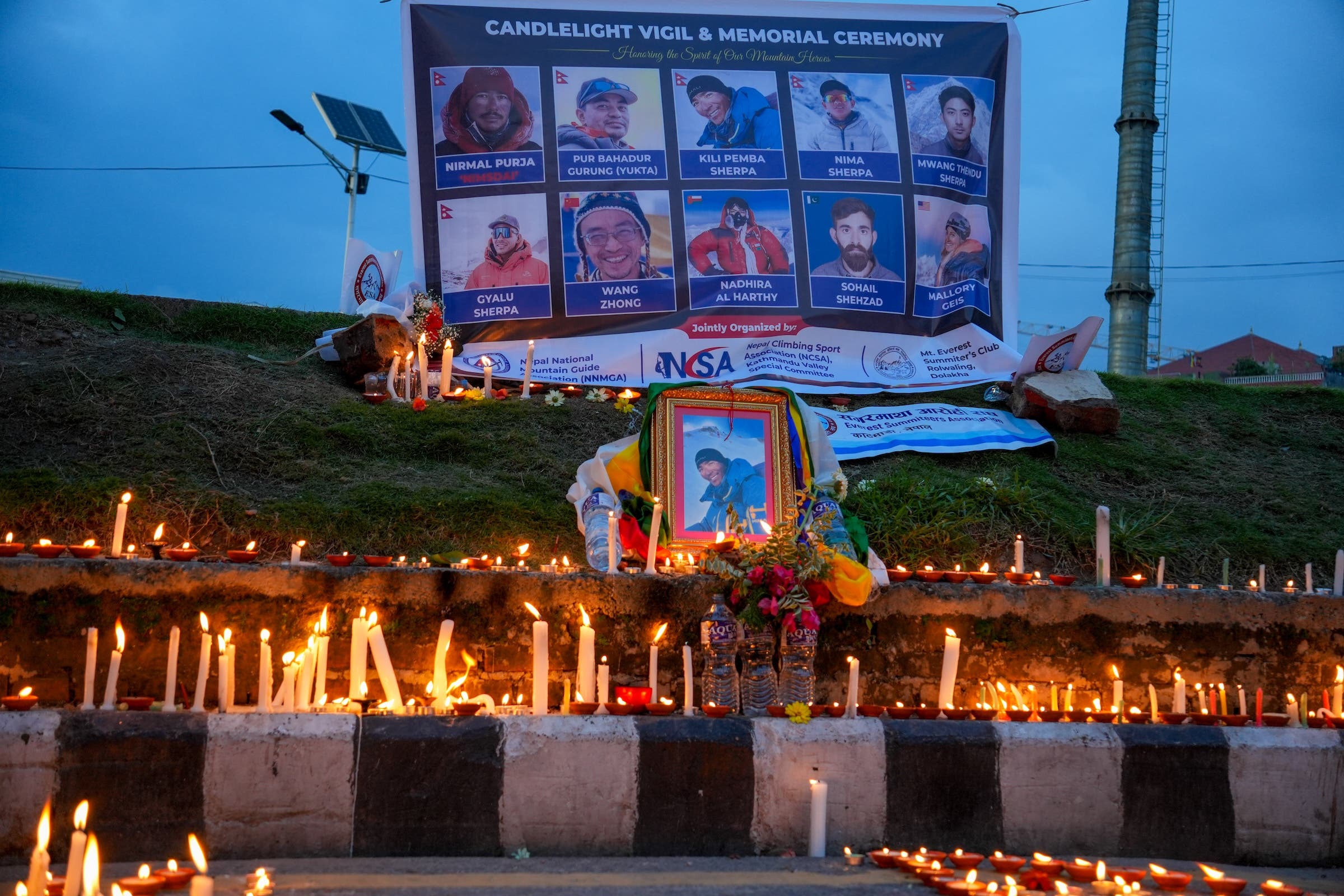
By afternoon, radio silence persisted. Expedition leaders coordinating from K2—including Lama and Mingma Gyalge Sherpa ("Mingma G")—checked satellite GPS logs. The data revealed a horrifying narrative: the trackers had not gone offline; rather, they had recorded a sudden, vertical drop of more than 5,000 feet, plunging from the upper climbing route directly to the floor of the valley. All four expeditions had been caught in the same catastrophic slide.
Supporting Context & Metrics: The Realities of the Karakoram
To understand the scale of the rescue and recovery operations, one must understand the distinct operational environment of Pakistan’s Karakoram compared to Nepal’s Himalayas.
| Feature | Mount Everest (Nepal) | Broad Peak / Karakoram (Pakistan) |
|---|---|---|
| Infrastructure | High-speed cellular networks, Starlink satellite internet | Limited/non-existent cell service; expensive sat-comm reliance only |
| Rescue Logistics | Rapid private helicopter deployment from Kathmandu | Dependent on Pakistan Army aviation; restricted flight windows |
| Expedition Scale | Large, heavily staffed commercial operations | Lean, highly mobile teams with limited manpower |
| Communication | Real-time digital tracking and data feeds | Voice radio reliant; post-hoc telemetry downloads |
Because Starlink and local cellular networks are non-functional on Broad Peak, base camp managers were initially blind to the disaster, relying entirely on voice radios that were instantly silenced by the avalanche. Furthermore, the lack of private helicopter infrastructure meant that initial air searches were entirely dependent on the Pakistan Army, delaying a boots-on-the-ground response until July 31.
The Recovery: Heroism Under Fire
Locating the Fallen
On July 31, the Pakistan Army launched aerial sweeps, recovering the bodies of Nadhira Al Harthy and Pur Bahadur Gurung, alongside a detached limb later identified as belonging to Sarah Mallory Geis.
Simultaneously, Mingma G and a team of Nepali rescuers deployed commercial drones borrowed from K2 expeditions. On the afternoon of July 31, the drone screens revealed a cluster of five bodies at 19,350 feet. Among them was Nirmal Purja, identifiable by his distinctive teal down suit. High above, stranded on an isolated cliff band, lay a sixth body: Nawang Thindu Sherpa.
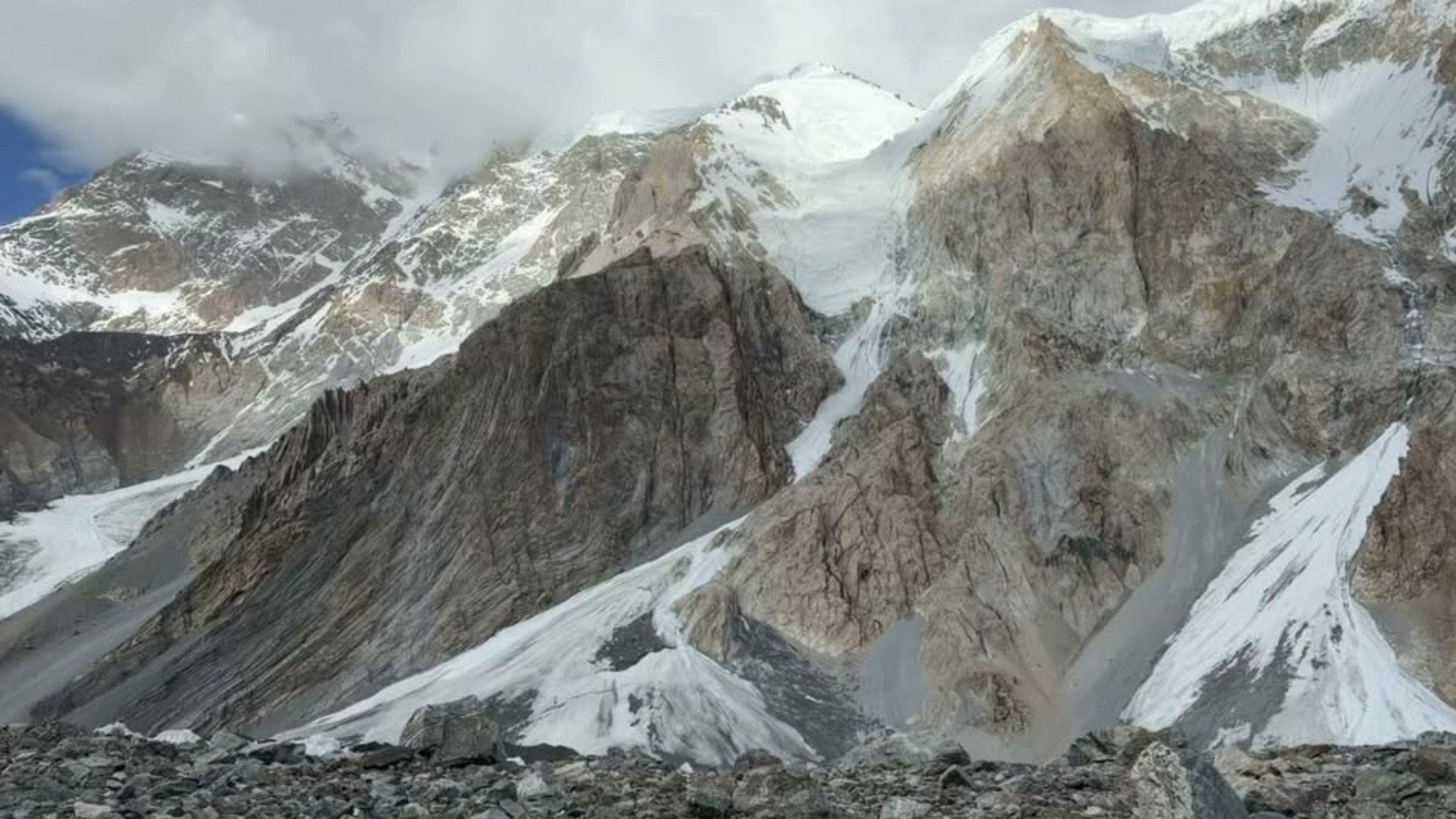
August 1–2: The Push Into the Couloir
A recovery team led by Mingma G and Shirbaz Khan established an Advanced Base Camp and began climbing on the evening of August 1. By morning, they had reached the main cluster of bodies, recovering Purja, Nima Sherpa, Wang Zhong, Kilu Sherpa, and Gyalu Sherpa.
Meanwhile, SST guides “Speed” Dawa Sherpa and Pem Dorje Sherpa undertook a perilous independent mission to reach Nawang Thindu Sherpa, whose body lay trapped at roughly 19,000 feet inside a steep, unstable couloir.
Climbing directly up the avalanche path to avoid impassable standard routes, the pair carried 1,000 feet of rope. Small spindrift avalanches continuously sloughed down from surrounding cliffs.
"That area is so dangerous because avalanches can be triggered from all sides," Speed Dawa told Outside. "They came at us from every direction. We were right in the middle of it all."
Running out of rope twice, they built anchors over yawning crevasses and overhangs. While Speed Dawa waited at an exposed ice screw, a secondary avalanche roared down the couloir, burying both men.
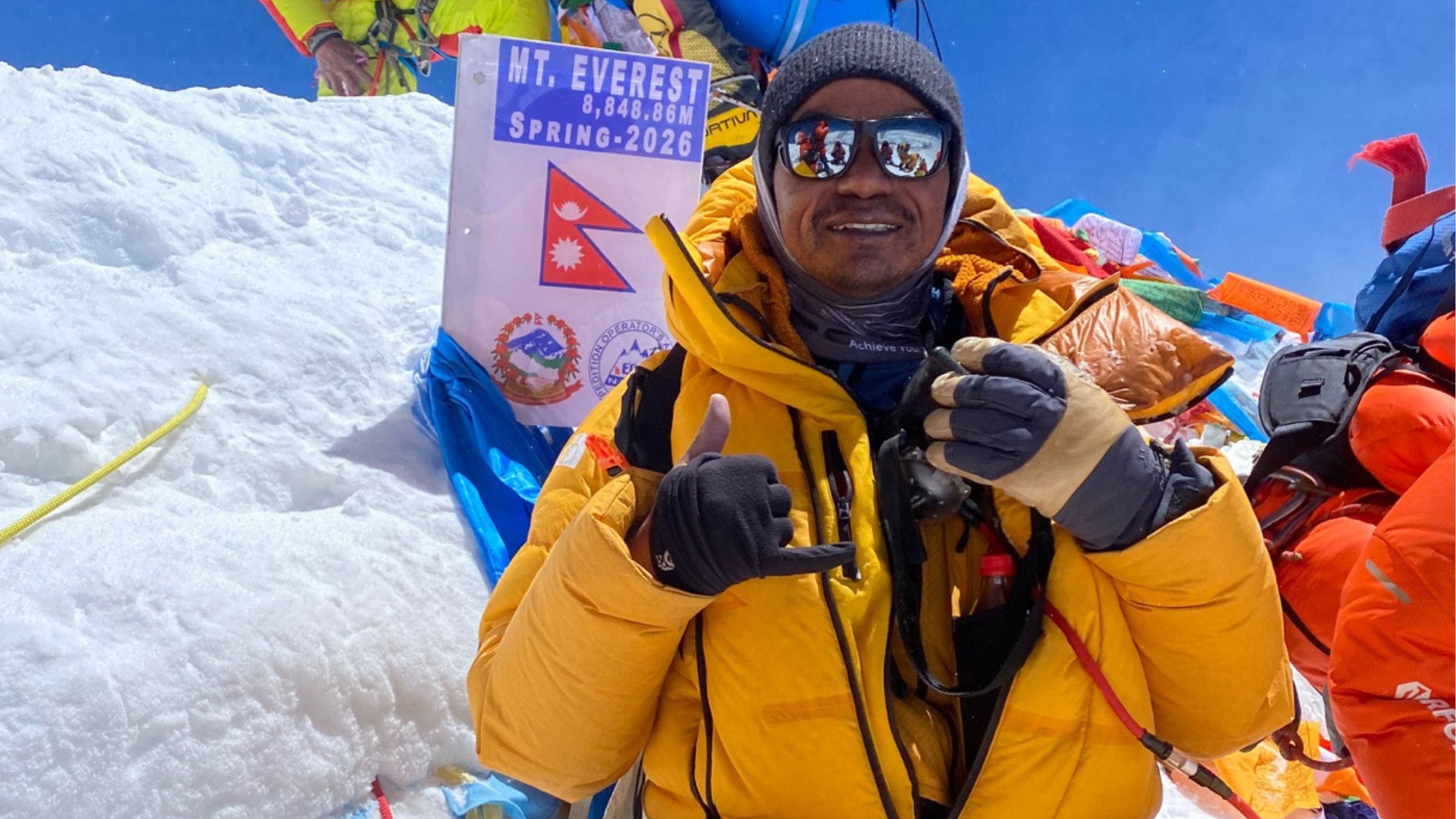
"We were completely covered, but we survived," Speed Dawa recalled. "We were still at least 450 feet from Nawang Thindu, and we started thinking about our families and our children. We’re out of rope. The dead are gone. We don’t have any option but to turn around."
Realizing that even if they reached the body, lowering it through the overhanging terrain would require a team of at least eight—and with zero rope remaining—they made the agonizing decision to descend.
The Second Avalanche and Narrow Escapes
On the evening of August 2, as the rescue team secured the five recovered bodies at 18,700 feet for an overnight cache, a massive wet-slide avalanche roared down the face. The debris blast swept across the camp footprint.
The avalanche displaced the secured remains once more, casting Kilu Sherpa’s body down to the valley floor where American trekker John Visnic witnessed its recovery by base camp personnel. The other four bodies were momentarily re-lost in the shifting debris.
Reflecting on the timing, Speed Dawa noted: "If we’d had enough rope to continue climbing [to Nawang Thindu], we would have died for certain. Mingma G had promised to send more people up to help us… There’s no question we would all have died up there together."
Official Statements and Tributes
The global mountaineering community responded with profound shock and mourning. Candlelight vigils were held in Kathmandu, Nepal, honoring the lives of the guides and clients lost.
Mingma G, who personally oversaw the grueling multi-day operation, posted a poignant vow on social media:
"My loving brothers Kilu, Wang, and Nims, we will take you back home to see [your] families."
Despite logistical exhaustion, Mingma G remained at Base Camp with a skeleton crew—consisting of himself, Dipan Gurung, Pemba Chhewang Sherpa, and Pakistani climber Sirbaz Khan. Following a final 12-hour extraction push, they successfully brought the remaining bodies to Base Camp on August 5, facilitating their final helicopter evacuation to Skardu.
Speed Dawa offered a closing tribute to the living heroes of the tragedy:
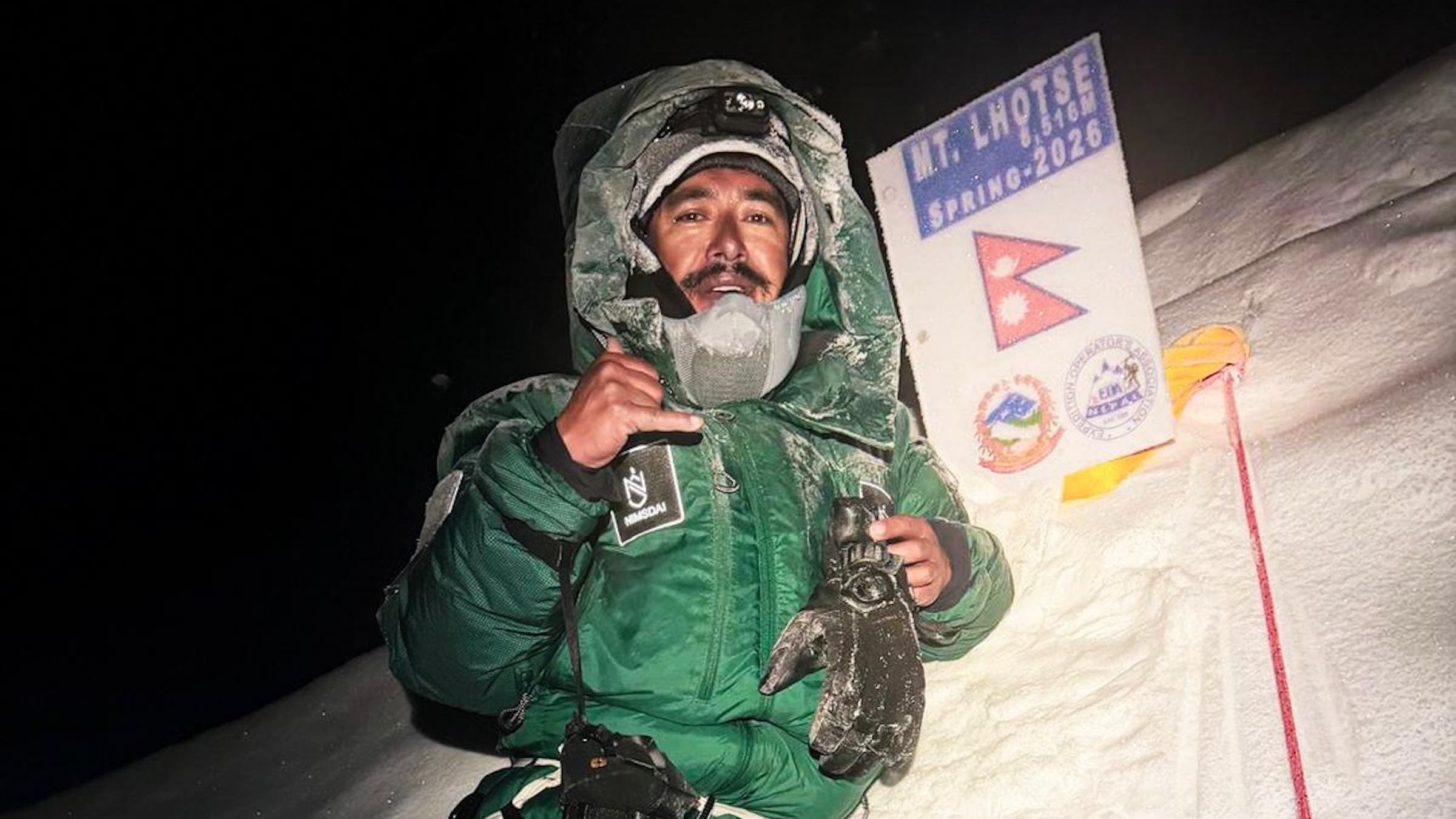
"People only write about the dead. But I want to salute Mingma G and his team. For three or four days, in incredibly difficult terrain—through rocks, crevasses, and steep faces—they found the bodies and brought them home. What could be more important than that? People are going to remember Broad Peak because that’s where Nims died. But they also need to remember the men who brought him down."
Future Outlook
As the 2026 Karakoram climbing season draws to a definitive close, the physical and psychological toll on the mountaineering community remains heavy.
Due to extreme terrain limitations, receding resources, and unrelenting objective hazards, the remains of Sohail Sakhi and Nawang Thindu Sherpa—alongside fragments of Mallory Geis—will remain on the upper reaches of Broad Peak for the foreseeable future.
The disaster has ignited renewed debate within the international mountaineering community regarding climate-driven route instability, the compression of safe weather windows, and the ethical burdens placed on local high-altitude workers during recovery operations. As expeditions look toward future seasons in Pakistan, the lessons of Broad Peak 2026 will serve as a somber reminder of the mountains’ absolute sovereignty.