
Executive Overview
For decades, the definition of luxury travel was proudly loud, outward-facing, and unapologetically ostentatious. It was anchored by a universally understood checklist: securing the premier suite at the most talked-about hotel in town, stepping into the waiting black car idling curbside, and bypassing the velvet ropes at the month’s most coveted restaurant. This was high-end tourism designed to be witnessed. The entire ecosystem of luxury hospitality was engineered around validation—providing visible, undeniable proof that a traveler had arrived.
Today, that paradigm has fundamentally dissolved. According to industry insiders and luxury operators tracking two decades of shifting consumer behavior, the definition of high-end travel has pivoted inward. The modern affluent traveler is no longer interested in accumulating passport stamps or staging elaborate social media photo-ops. Instead, they are seeking something far more elusive and profoundly personal: silence, space, and unbroken time.
As everyday life grows increasingly hyper-connected, saturated with digital noise, and accelerated by constant demands, the ultimate status symbol has undergone a radical transformation. Prestige is no longer measured by what others can see you doing, but by how you feel while doing it. This comprehensive analysis explores the seismic shift from status-driven itineraries to serenity-focused journeys, examining how privacy, unhurried pacing, and intentional design are shaping the future of global luxury travel.
Detailed Chronology: The Evolution of High-End Hospitality
To understand how contemporary luxury travel reached this inflection point of quiet introspection, it is necessary to examine the historical trajectory of the industry over the past thirty years.
The Era of Accumulation: The 1990s to the Early 2010s
Following the economic expansions of the late 20th century, luxury travel mirrored corporate ambition. Success was equated with scale and velocity. The dominant consumer mindset prioritized breadth of experience over depth. Itineraries were architectural marvels of logistical endurance: six countries in ten days, capital-hopping from London to Paris, Rome, and beyond.
During this period, hospitality brands competed on sheer magnitude. Mega-resorts boasted thousands of square feet of marble, sprawling golf courses, and synchronized, scripted services. The luxury traveler wanted to see everything, do everything, and—crucially—let their social circle know they had accomplished it. Privacy was secondary to access; being seen in the VIP lounge of a celebrated hotel was the primary currency of high-end tourism.
The Experiential Turn: The Mid-2010s to 2020
As the digital age matured, the desire for mere materialism in travel began to fracture. Travelers grew fatigued by cookie-cutter five-star environments that felt identical whether one was in Tokyo, New York, or Dubai. This era birthed the "experiential luxury" movement.
Affluent tourists pivoted away from traditional sightseeing toward hyper-curated local interactions: private cooking classes with Michelin-starred chefs, exclusive helicopter tours over active volcanoes, and deep-dive cultural immersions. While this represented a step toward personalization, it still suffered from an underlying flaw: exhaustion. Itineraries remained packed from sunrise to midnight, substituting physical possessions with an overwhelming accumulation of "once-in-a-lifetime" moments. The pressure to optimize every single vacation hour simply took on a new, disguised form.
The Great Decompression: Post-2020 to 2026
The global disruptions of the early 2020s served as a collective psychological reset. Forced isolation, remote work blurring the boundaries of personal time, and unrelenting digital connectivity created a profound burnout epidemic among high-net-worth individuals.
When international travel fully rebounded, the psychological profile of the luxury traveler had transformed permanently. The primary motivation shifted from achievement to restoration. The contemporary traveler stopped asking, "What is the best hotel in town?" and began asking, "Where can I actually breathe?" This gave rise to the current era of quiet luxury—a movement characterized by deliberate deceleration, hyper-personalized privacy, and the reclamation of time.
Supporting Context & Metrics: The Shift Toward Intentional Travel
The evolution away from ostentatious display toward mindful serenity is supported by broader shifts in consumer spending psychology and travel industry analytics.
The Economics of Less
Market research within the high-end hospitality sector indicates a steady reallocation of travel budgets. While overall spending on luxury travel continues to scale upward, the capital is flowing into entirely different channels:
- Boutique over Blockbuster: Multi-hundred-room luxury flagships are experiencing softer demand growth compared to intimate, sub-50-room properties, private estates, and remote eco-sanctuaries.
- Extended Stays in Singular Locales: Rather than hopping between multiple urban centers, travelers are booking longer, multi-week stays in single regions, allowing them to integrate into local rhythms rather than rushing through a tourist checklist.
- Invisible Infrastructure: Consumers are increasingly willing to pay a premium for services that operate invisibly—such as private aviation handlers that bypass public terminals, expedited custom clearances, and digital concierges that curate experiences without demanding constant human coordination.
The Psychology of Digital Saturation
The modern professional operates in an environment of perpetual partial attention. Studies on cognitive fatigue reveal that contemporary knowledge workers check devices dozens of times an hour, processing a continuous stream of notifications.
When affluent consumers take a vacation, the psychological barrier to true relaxation is exceptionally high. Travelers are no longer escaping mere physical routine; they are escaping digital surveillance and temporal compression. Consequently, the travel products that command the highest loyalty are those that offer radical disconnect—not necessarily by forcing travelers into remote wilderness without Wi-Fi, but by creating protected spatial and temporal boundaries where obligations cannot penetrate.
Official Perspectives: Redefining the Five-Star Ethos
Industry leaders at the forefront of high-end tourism have been vocal about this cultural recalibration. Sherif Khalil, Chairman and Founder of Dunes & Beyond—a premier travel operator specializing in immersive, high-end journeys across Egypt, Jordan, Sudan, and Morocco—has observed firsthand how travelers’ emotional requirements have changed.
"There used to be a simple way to define luxury travel, honestly," Khalil reflects. "The best hotel in town. The biggest suite you could book. Somebody idling out front in a black car, waiting on you. Luxury used to be something you could point at, and honestly, that was sort of the whole idea—other people were supposed to notice."
However, Khalil notes that the modern clientele has moved far beyond external validation. The inquiries he receives from seasoned travelers rarely center on status symbols. Instead, they revolve around space and autonomy.
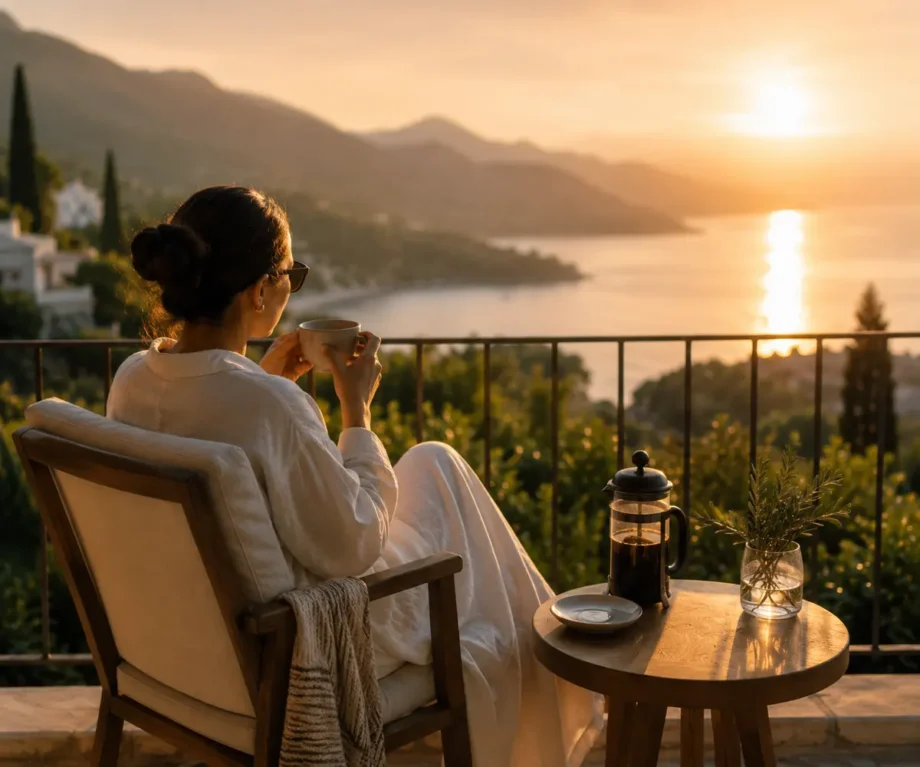
"These days, I think luxury has gotten a lot quieter. I’ve spent something like twenty years watching what travelers actually want shift, and I’ll be honest, some of it still catches me off guard. The real change isn’t where people want to go. It’s how they want to feel once they’re actually there. Nobody opens with ‘what’s the best hotel’ anymore… Usually it’s something closer to ‘where can I actually breathe for a bit.’"
This philosophy underpins the modern curation of luxury tours, where excitement and adventure are no longer antithetical to peace. By pairing thrilling landscapes—such as the vast expanses of the Sahara or the ancient monuments of Luxor—with flawless, unobtrusive logistics, operators can deliver profound serenity without sacrificing engagement.
Privacy as the Ultimate Currency
In the contemporary luxury landscape, privacy has eclipsed caviar, champagne, and gold-plated amenities to become the single most valuable commodity money can buy.
However, modern privacy is rarely about complete isolation or retreating off the grid like a hermit. Rather, it is about regaining agency over one’s immediate environment. It is the freedom from unsolicited interaction, the elimination of crowds, and the luxury of unhurried attention.
Manifestations of Modern Privacy
- Exclusive Access Windows: Booking private evening viewings of world-class museums or historical sites before the public turnstiles open allows travelers to engage with culture intimately, free from the jostling elbows of mass tourism.
- Seamless Transitions: Bypassing traditional queues through private aviation, VIP tarmac transfers, and secluded marine docks transforms transit from a stressful bottleneck into a tranquil transition.
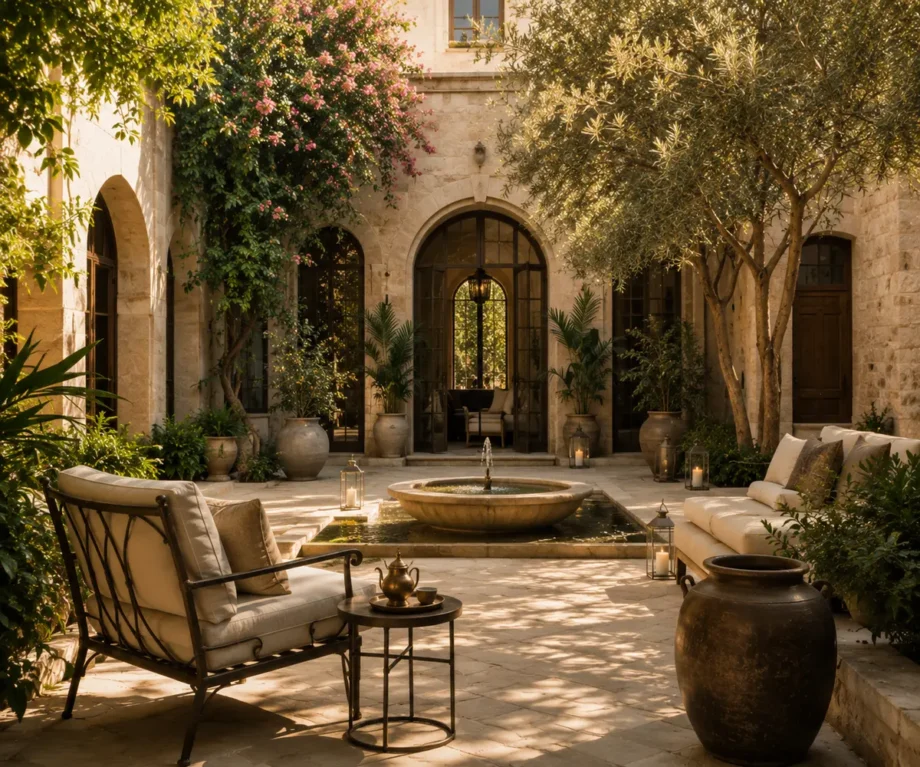
- Unscripted Hospitality: True privacy in accommodation means service that anticipates needs without ever feeling robotic or intrusive. Staff at elite properties recognize that the height of hospitality is knowing when to vanish.
As Khalil observes, the friction of everyday life makes privacy an antidote to modern existence:
"Everyday life just keeps getting louder, faster, more plugged in—you’ve felt it too, probably. A vacation is one of the few real chances to step outside that pace. And yet the irony is, plenty of people rebuild the exact same pressure on holiday, just by trying to cram too much into too little time."
What Time Buys You: The Antidote to the Clock-Watch Itinerary
If privacy is the space of luxury, time is its lifeblood. In an era where every minute of daily life is monetized, scheduled, and tracked, the ability to possess unstructured time is the definitive marker of wealth.
The traditional luxury itinerary was built like a military campaign: wake up at 7:00 AM, private tour at 9:00 AM, lunch reservation at 12:30 PM, museum entry at 3:00 PM, cocktail hour at 6:00 PM, and dinner at 8:30 PM. While efficient, this leaves no room for serendipity—the very element that transforms a good trip into an unforgettable memory.
The Power of the Blank Space
The most successful contemporary travel designers deliberately engineer "white space" into their itineraries. These are blocks of time intentionally left blank, designed to accommodate:
- An extended conversation over a long lunch that stretches into the late afternoon because the atmosphere is too enchanting to abandon.
- An unplanned detour down a cobblestone alleyway prompted by a local artisan’s casual recommendation.
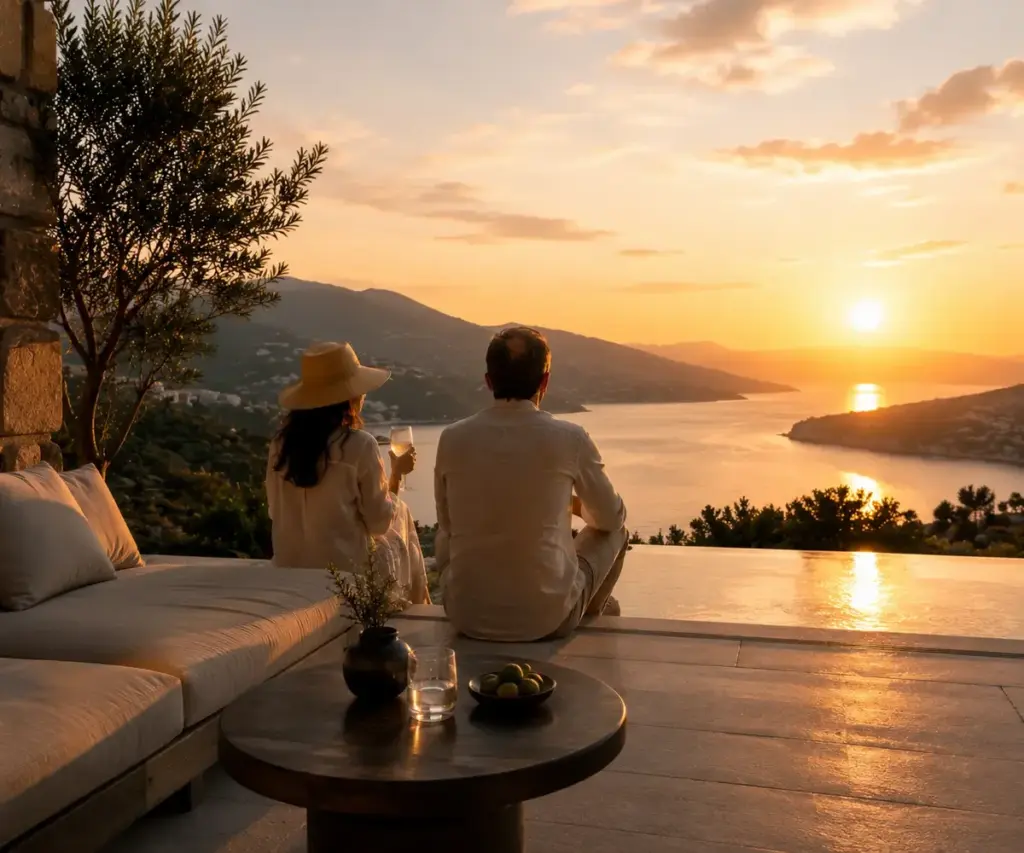
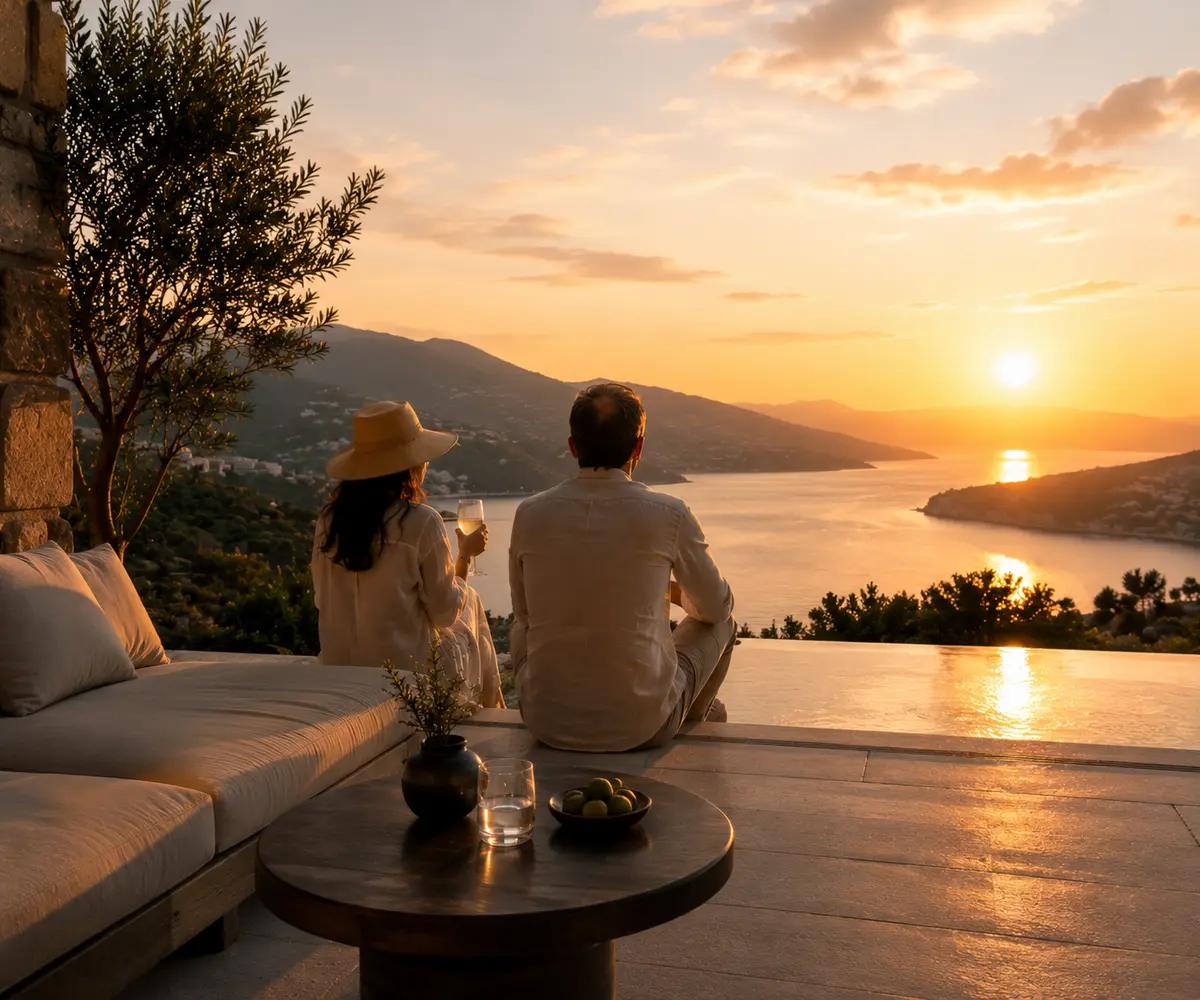
- Simply sitting on a terrace to watch a desert sunset without mentally calculating the next logistical hurdle.
As seasoned travel curators frequently emphasize, the highlights of a journey are almost never the items that were meticulously planned months in advance. They are the spontaneous moments born from having the time to linger.
Future Outlook: Effortless Elegance and the Road Ahead
As the travel industry looks toward the remainder of the decade and beyond, the trajectory of luxury is clear. The future does not belong to those who offer the most extravagant displays of wealth, but to those who provide the most profound relief from modern chaos.
1. The Death of Extravagance, The Rise of Effortlessness
The ultimate compliment a traveler can pay a modern luxury experience is no longer "extravagant," but "effortless." Technology, concierge services, and logistics will increasingly operate as invisible scaffolding—clearing obstacles, resolving friction points, and managing details quietly in the background without demanding the traveler’s cognitive bandwidth.
2. Hyper-Personalization Over Prestige Brands
Brand-name recognition will continue to cede ground to bespoke, values-aligned experiences. Travelers will increasingly select properties and operators that reflect their personal ethos—whether through sustainable stewardship of fragile ecosystems, deep cultural preservation, or absolute commitment to guest privacy.
3. The Sanctuary Economy
Destinations that offer acoustic and visual silence—remote coastal retreats, desert sanctuaries, high-altitude hideaways, and deep-nature reserves—will command the highest loyalty. The luxury market will continue to invest heavily in environments where the loudest sound is the wind or the tide.
Conclusion
Ultimately, the evolution of luxury travel mirrors a fundamental human truth: we do not remember our journeys by how impressive they appeared to others, but by how deeply they moved us on the inside. By stripping away the noise, the clutter, and the frantic need for status, modern luxury has finally returned to its purest purpose—giving travelers the space to find themselves again.