





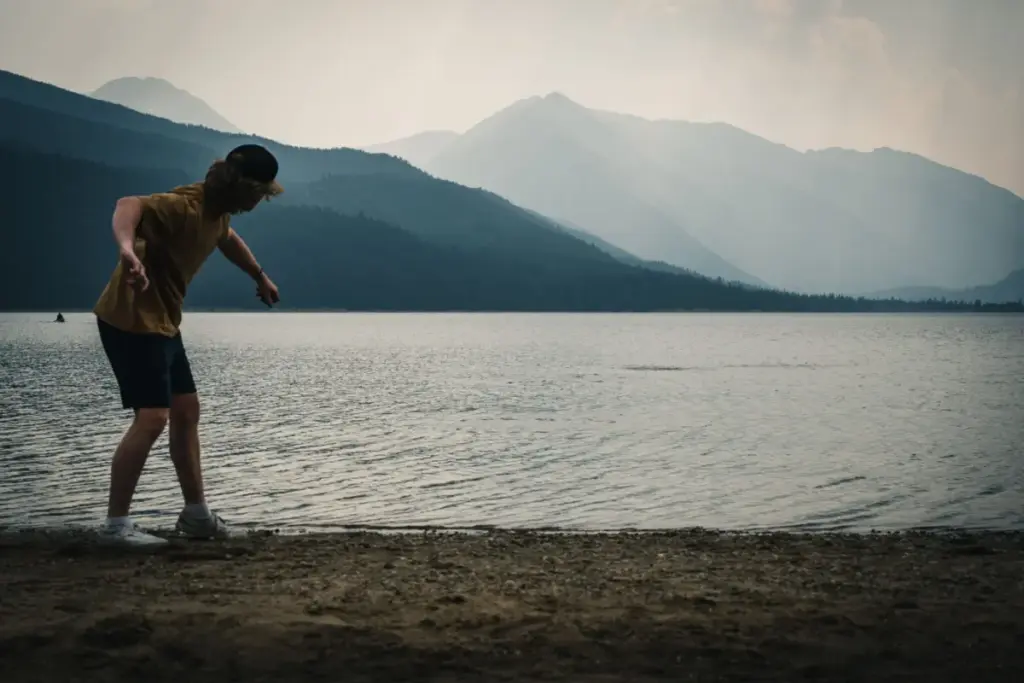
There is a timeless, restorative allure to a lakeside vacation. The promise of an afternoon lounging beneath a high summer sun, cooling off in expansive freshwater bodies, casting a line at dawn, or skimming across glass-like waters on a boat forms the quintessential foundation of the American holiday. Yet, this universal appeal carries a heavy administrative and experiential cost. Peak-season tourism routinely transforms pristine shorelines into congested hubs defined by gridlocked campground entryways, bumper-to-bumper traffic corridors, and months-long reservation backlogs.
For the modern recreational vehicle (RV) traveler, however, these traditional bottlenecks are entirely avoidable. Armed with the unmatched mobility, self-containment, and mechanical flexibility of a motorhome or travel trailer, mobile explorers possess the unique ability to bypass the hyper-congested tourism hotspots. Instead, they can chart a course toward quieter, less-traveled waterways where the journey and the destination emphasize tranquility over turmoil.
This comprehensive guide investigates the nation’s premier, under-the-radar lakeside RV destinations. By evaluating campground infrastructure, geographical capacity, seasonal metrics, and rig compatibility, we provide an authoritative roadmap for travelers seeking direct access to the great outdoors without sacrificing the modern comforts of home. Furthermore, we examine how platforms like RVshare facilitate seamless access to the ideal rental vehicle, transforming an ordinary road trip into an exceptional aquatic expedition.
What Makes a Lake Great for an RV Vacation?
Not all bodies of water are engineered to accommodate the logistical realities of recreational vehicles. A truly exceptional lakeside RV destination must strike a delicate balance between untamed natural beauty and pragmatic infrastructure. When urban planners, park rangers, and seasoned nomads evaluate a lake for an extended RV stay, several critical criteria govern their assessments:
- Spacious Campground Footprints: Tight, bumper-to-bumper commercial RV parks strip away the wilderness aesthetic. Top-tier destinations offer generously spaced campsites that preserve personal privacy and integration with the natural landscape.
- Reliable Utility Infrastructure: Access to water, waste management, and dependable electrical hookups (ranging from 30-amp to 50-amp service) ensures that larger modern rigs can operate climate control systems and appliances without running auxiliary generators.
- Navigable Road Access: Low-hanging canopy roads, severe switchbacks, and unpaved, potholed single-lane tracks can spell disaster for Class A motorhomes and multi-axle fifth wheels. Optimal locations feature well-maintained paved approaches.
- Sufficient Regional Capacity: High-capacity water bodies or those buffered by vast public lands naturally disperse crowds, preventing the localized over-tourism that plagues smaller alpine tarns.
- Proximity to Outdoor Recreation: A great destination provides immediate access to ancillary activities—such as hiking trailheads, kayaking coves, cycling paths, and world-class fisheries—allowing travelers to diversify their daily itineraries.
Best Lakes for an RV Vacation That Aren’t Overcrowded
Applying the metrics outlined above, we have curated a portfolio of the nation’s finest, least congested lakeside RV sanctuaries. From the pine-scented shores of the South to the rugged, glacier-carved expanses of the Mountain West, these destinations offer peerless waterfront access far from the madding crowds.
1. Lake Ouachita, Arkansas
As one of the largest bodies of water in the American South, Lake Ouachita is buffered almost entirely by the sprawling expanse of the Ouachita National Forest. This federal protection preserves the region’s acoustic and visual peace. With a fluctuating shoreline measuring between 690 and over 900 miles, alongside dozens of secluded islands, the lake maintains an expansive character where even peak weekend boat traffic disperses into quiet coves.
- Why RV Travelers Love It: Renowned as one of the clearest lakes in Arkansas, it delivers world-class paddling, swimming, and fishing. Furthermore, its strategic location sits less than an hour away from the thermal wonders of Hot Springs National Park.
- Top RV Campground: Brady Mountain Campground operates under the U.S. Army Corps of Engineers, offering electric hookups at every site, a centralized dump station, hot showers, and direct access to swimming beaches and marinas. For a more rustic, secluded peninsula experience, Joplin Campground is available, though its uneven, unpaved pads are best suited for smaller rigs.
- Optimal Visiting Window: Late April through early June, or late September through October.
- Logistical Tip: Larger motorhomes and fifth wheels should prioritize Brady Mountain for its well-graded pads and reliable turning radiuses.
2. Wallowa Lake, Oregon
Nestled in the dramatic shadow of snow-capped alpine peaks, Wallowa Lake represents the pinnacle of Pacific Northwest geography. While peak summer months (July and August) attract steady foot traffic due to the exceptional quality of the state park campground, visiting during the shoulder seasons reveals a serene, jaw-dropping wilderness escape adjacent to the charming town of Joseph, Oregon.
- Why RV Travelers Love It: It offers a rare combination of rugged backcountry trail access, classic alpine water sports, and small-town artisan culture without the suffocating commercialism of more famous resort towns.
- Top RV Campground: Wallowa Lake State Park places visitors immediately adjacent to the shoreline with well-appointed, affordable sites.
- Optimal Visiting Window: Late spring (May and June) or early fall (September and October).
- Logistical Tip: Nighttime temperatures in the Wallowa Valley drop precipitously during shoulder seasons; travelers must utilize an RV equipped with robust onboard heating and hard-sided insulation.
3. Lake Jocassee, South Carolina
Lake Jocassee remains a masterclass in ecological preservation. Nearly its entire shoreline consists of protected public lands completely devoid of private lakeside development or extensive roadways. Much of the lake’s perimeter can only be reached by watercraft, shielding its remarkably clear, spring-fed depths and cascading waterfalls from mass tourism.
- Why RV Travelers Love It: It is arguably the most visually striking freshwater lake in the Southeast. Waterfalls tumble directly into crystal-clear coves where kayaking, paddleboarding, and freshwater scuba diving thrive in a remarkably wild setting.
- Top RV Campground: Devils Fork State Park stands as the sole campground with direct lake access, providing water and 30-amp electric hookups, modern bathhouses, and dedicated boat launch ramps.
- Optimal Visiting Window: May through early June, or late September through October.
- Logistical Tip: Towing a kayak or SUP is mandatory here; exploring the isolated fingers of the lake’s shoreline via watercraft unlocks private swimming holes inaccessible by land.
4. Lake Almanor, California
Positioned on the eastern edge of the Cascade Range, Lake Almanor offers over 50 miles of shoreline framed by the majestic silhouette of Lassen Peak. It functions as an ideal, low-density alternative to the hyper-commercialized shores of Lake Tahoe, while serving as a strategic gateway to the adjacent volcanic national park.
- Why RV Travelers Love It: It bridges two worlds: relaxed, uncrowded aquatic recreation in the morning and alpine hiking among geothermal vents and volcanic craters by afternoon.
- Top RV Campground: Lake Cove Resort on the eastern shore provides full-hookup RV sites with reliable utility pedestals and immediate water access. Alternatively, U.S. Forest Service Almanor Campgrounds sit directly on the shore but lack utility hookups.
- Optimal Visiting Window: Late June through early July, or September.
- Logistical Tip: Highways 36 and 89 offer smooth passage for large rigs, but summer afternoon thunderstorms and plunging nighttime temperatures demand proactive climate management within your coach.
5. Flaming Gorge Reservoir, Utah/Wyoming
Spanning 91 serpentine miles across two state lines, Flaming Gorge Reservoir is so vast that localized congestion is virtually non-existent. Towering red canyon walls plunge into turquoise water, creating a dramatic landscape that rivals the aesthetic of major national parks without the accompanying visitor volume.
- Why RV Travelers Love It: It provides trophy-tier trout fisheries, miles of navigable water framed by geological wonders, and an unmatched sense of scale for boaters and kayakers.
- Top RV Campground: Lucerne Campground sits adjacent to the Lucerne Marina, offering 30/50-amp electric hookups, hot showers, an on-site dump station, and immediate access to the reservoir.
- Optimal Visiting Window: June and September.
- Logistical Tip: Campground shade is sparse; ensure your RV’s air conditioning units are fully operational if visiting during the peak heat of July and August.
6. Smith Mountain Lake, Virginia
Encompassing over 500 miles of intricate shoreline beneath the distant gaze of the Blue Ridge Mountains, Smith Mountain Lake is Virginia’s aquatic crown jewel. Despite its popularity, its massive surface area allows RVers to retreat into quiet coves far removed from primary motorboat channels.
- Why RV Travelers Love It: It delivers a comprehensive vacation profile: classic water sports, sweeping mountain vistas, proximity to Shenandoah National Park (just over two hours away), and an emerging regional wine country.
- Top RV Campground: Smith Mountain Campground in Penhook features spacious pull-through and back-in sites with full hookups (water, sewer, and 30/50-amp electric).
- Optimal Visiting Window: May through early June, or September through October.
- Logistical Tip: Shoreline approach roads are paved but winding. Class A motorhomes and large fifth wheels should plan arrivals during daylight hours to safely navigate local topography.
7. Torch Lake, Michigan
Famous for its striking, Caribbean-turquoise water, Torch Lake is a Midwestern paradise. Situated just inland from Grand Traverse Bay, it anchors a regional nexus of pristine glacial lakes that offer day-trippable access to both Lake Michigan and Lake Huron.
- Why RV Travelers Love It: It combines world-class freshwater swimming with proximity to the famous Torch Lake Sandbar, while allowing travelers to retreat to peaceful, wooded campgrounds at night.
- Top RV Campground: Barnes Park Campground provides 50-amp electric-only hookups on a stunning stretch of Grand Traverse Bay waterfront, granting access to two distinct bodies of water from a single basecamp.
- Optimal Visiting Window: June or September.
- Logistical Tip: Due to limited regional inventory, advance reservations are critical, even during the shoulder season.
8. Guntersville Lake, Alabama
Sprawling across nearly 70,000 acres within the rolling Appalachian foothills, Guntersville Lake is Alabama’s largest reservoir. The eastern sectors of the lake offer profound peace, far removed from the urban bustle of Guntersville proper.
- Why RV Travelers Love It: It serves as a natural migration corridor for wintering bald eagles and provides exceptional kayaking, hiking, and angling within easy driving distance of Chattanooga and the Great Smoky Mountains.
- Top RV Campground: Lake Guntersville State Park Campground delivers full-amenity luxury with 50-amp hookups, modern laundromats, and pristine bathhouses. For a more secluded experience, Honeycomb Campground on the eastern shore offers water and electric service alongside marina access.
- Optimal Visiting Window: April through May, or October.
- Logistical Tip: Honeycomb Campground utilizes a "Honey Wagon" pump-out service for its water-and-electric sites, making extended stays seamless for self-contained rigs.
9. Lake Pend Oreille, Idaho
Deep within the rugged Idaho panhandle, Lake Pend Oreille is a massive alpine marvel. Despite its reputation among outdoor enthusiasts, its immense depth and surface area keep it tranquil, serving as a gateway to America’s most untamed backcountry and natural hot springs.
- Why RV Travelers Love It: It offers crystal-clear glacial water, densely forested shorelines, and proximity to the charming mountain town of Sandpoint—all without the prohibitive pricing or gridlock of more famous alpine destinations.
- Top RV Campground: Farragut State Park, situated on the southern shore, offers hundreds of affordable, well-maintained campsites with water and electric hookups, ADA accessibility, and comprehensive sanitation facilities.
- Optimal Visiting Window: June or September.
- Logistical Tip: Monitor regional air quality and forestry alerts closely; changing weather conditions and seasonal wildfires in the Northern Rockies demand flexible routing.
10. Toledo Bend Reservoir, Texas/Louisiana
Straddling the international boundary of two Southern states, Toledo Bend Reservoir provides a massive aquatic sanctuary. Famed globally for its largemouth bass tournaments, its sheer expanse ensures that outside of major competitive weekends, countless quiet coves remain entirely unoccupied.
- Why RV Travelers Love It: It provides a classic Southern lake retreat characterized by warm sunsets, peaceful paddling, and exceptional multi-species fisheries without the commercial overdevelopment found elsewhere.
- Top RV Campground: Pleasure Point Park, managed by the Sabine River Authority on the Louisiana side, offers full-hookup RV sites directly on the water, complete with fish-cleaning stations and modern bathhouses.
- Optimal Visiting Window: April through May, or October.
- Logistical Tip: Because the reservoir spans two state jurisdictions, compare pricing, tax rates, and reservation policies on both the Texas and Louisiana banks to optimize your booking.
11. Fort Peck Lake, Montana
For travelers pursuing absolute isolation, Fort Peck Lake in northeastern Montana is peerless. Boasting an astonishing 1,520 miles of jagged shoreline—much of it abutting the Charles M. Russell National Wildlife Refuge—it is one of the few places in the contiguous United States where a boater can truly feel entirely alone.
- Why RV Travelers Love It: It prioritizes big skies, profound silence, pristine dark-sky stargazing, and exceptional wildlife viewing over commercial tourism and souvenir shops.
- Top RV Campground: Downstream Campground features 71 electric-hookup sites, hot showers, dump stations, and immediate proximity to both the reservoir and the roaring Missouri River below the dam.
- Optimal Visiting Window: June or early September.
- Logistical Tip: Remote frontiers demand self-reliance. Top off fuel tanks and provision with groceries long before reaching the immediate dam vicinity.
12. Pymatuning Reservoir, Pennsylvania/Ohio
Shaped like a backward ‘C’ draped across the state line, Pymatuning Reservoir is a classic Midwestern family lake. Multiple state park campgrounds make it easy to escape the bustling day-use areas, particularly during the educational and peaceful shoulder months.
- Why RV Travelers Love It: It offers warm-weather kayaking, cycling, and birdwatching, alongside the quirky regional attraction of the Linesville Spillway, where thousands of carp congregate in a feeding frenzy.
- Top RV Campground: Jamestown Campground, located within Pennsylvania’s Pymatuning State Park, features full-hookup and electric sites backed by modern bathhouses and laundry infrastructure.
- Optimal Visiting Window: May through June, or September through early October.
- Logistical Tip: Waterfront sites are intensely coveted; reserve months in advance to secure a shoreline view.
RV Lakeside Destination Options: A Side-by-Side Glance
| Lake | State | Best Campground | Best Season | Primary Visitor Focus |
|---|---|---|---|---|
| Lake Ouachita | Arkansas | Brady Mountain Campground | Late Apr–Jun; Sep–Oct | Big rigs; proximity to Hot Springs National Park |
| Wallowa Lake | Oregon | Wallowa Lake State Park | Late May–Jun; Sep–Oct | Backcountry hikers and alpine explorers |
| Lake Jocassee | South Carolina | Devils Fork State Park | May–Jun; Sep–Oct | Kayakers, paddlers, and scuba divers |
| Lake Almanor | California | Lake Cove Resort | Late Jun–Jul; Sep | Gateway to Lassen Volcanic National Park |
| Flaming Gorge | Utah/Wyoming | Lucerne Campground | June; September | Dramatic red-rock canyon scenery |
| Smith Mountain Lake | Virginia | Smith Mountain Campground | May–Jun; Sep–Oct | Wine touring; Shenandoah National Park access |
| Torch Lake | Michigan | Barnes Park Campground | June; September | Multi-lake Great Lakes regional tours |
| Guntersville Lake | Alabama | Honeycomb Campground | Apr–May; October | Appalachian foothills exploration |
| Lake Pend Oreille | Idaho | Farragut State Park | June; September | Mountain West solitude and hiking |
| Toledo Bend Reservoir | Texas/Louisiana | Pleasure Point Park | Apr–May; October | Escaping deep-South summer heat |
| Fort Peck Lake | Montana | Downstream Campground | June; early Sep | Extreme isolation and dark-sky viewing |
| Pymatuning Reservoir | PA/Ohio | Jamestown Campground | May–Jun; Sep–Oct | Classic family camping and fishing |
Supporting Context & Metrics
Evaluating the financial and logistical parameters of an RV lake trip reveals clear operational advantages. According to aggregated outdoor hospitality data, peak-season campground tariffs at commercial lake resorts spike by an average of 45% between July 1 and August 31. Conversely, utilizing the shoulder seasons (May/June and September/October) not only slashes nightly site fees by nearly a third but also drops regional park occupancy rates below 40%, ensuring a quiet, restorative environment.
Furthermore, towing or driving an RV eliminates the volatile pricing dynamics of vacation rental housing and traditional hotels near waterfront districts. By integrating a mobile kitchen and climate-controlled living quarters, travelers insulate themselves against inflated restaurant tabs and booking cancellations.
Official Statements & Industry Insights
Industry experts emphasize that the shift toward uncrowded, dispersed outdoor recreation represents a permanent structural change in how Americans utilize public lands.
"The modern RV traveler is no longer simply looking for a patch of grass and a 30-amp plug," notes Marcus Henderson, national parks logistics consultant and outdoor recreation analyst. "There is a sophisticated demand for experiential quietude. Campers are trading the gridlock of marquee national parks for the expansive, secondary watersheds of the country—places like Lake Ouachita or Flaming Gorge—where infrastructure meets solitude."
Complementing this perspective, hospitality directors highlight the operational evolution of state and federal campgrounds:
"We are seeing sustained, multi-season demand well outside the traditional July-August window," reports regional park superintendent Clara Vance. "Travelers understand that modern RV insulation and onboard heating systems make May and October the premier months for waterfront camping. The crowds are gone, the fisheries are active, and the natural ecosystem is far more resilient to human foot traffic."
Future Outlook
Looking toward the horizon, the intersection of RV travel and remote water-based recreation is poised for continued innovation. As the broader infrastructure of public campgrounds expands to incorporate higher-amperage electrical service (50-amp expansion) and intelligent reservation platforms, accessing remote lakes becomes increasingly frictionless.
At the same time, platforms like RVshare continue to democratize the lifestyle, allowing individuals who do not own massive motorhomes to lease high-end, fully outfitted rigs delivered directly to regional campgrounds. This reduces the barriers to entry for families seeking uncrowded, nature-first getaways.
Ultimately, the future of the American road trip lies away from the congested concrete corridors and toward the mirrored surfaces of America’s hidden lakes. By selecting the right shoulder-season windows, prioritizing robust rig preparation, and anchoring your journey in these twelve exceptional waterways, the promise of a peaceful, restorative escape is fully within reach.