







In the global aerospace arena, the ultimate litmus test for a modern fighter jet program is not the acrobatic grace it displays at international airshows, nor the lofty specifications printed in defense brochures. Instead, it is the cold, hard metric of serial production and objective international adoption. Historically, successful programs are validated when foreign militaries—free from the constraints of ideological military aid—scrutinize the global market and choose to spend billions of dollars on a specific platform.
There are notable historical exceptions to this rule, most famously the United States Air Force’s F-22 Raptor. Conceived as an apex predator for the height of the Cold War, the Raptor entered service just as geopolitical realities shifted toward the Global War on Terror. Crucially, the United States Congress enacted a strict legislative ban on its export, preserving its advanced technologies exclusively for American skies.
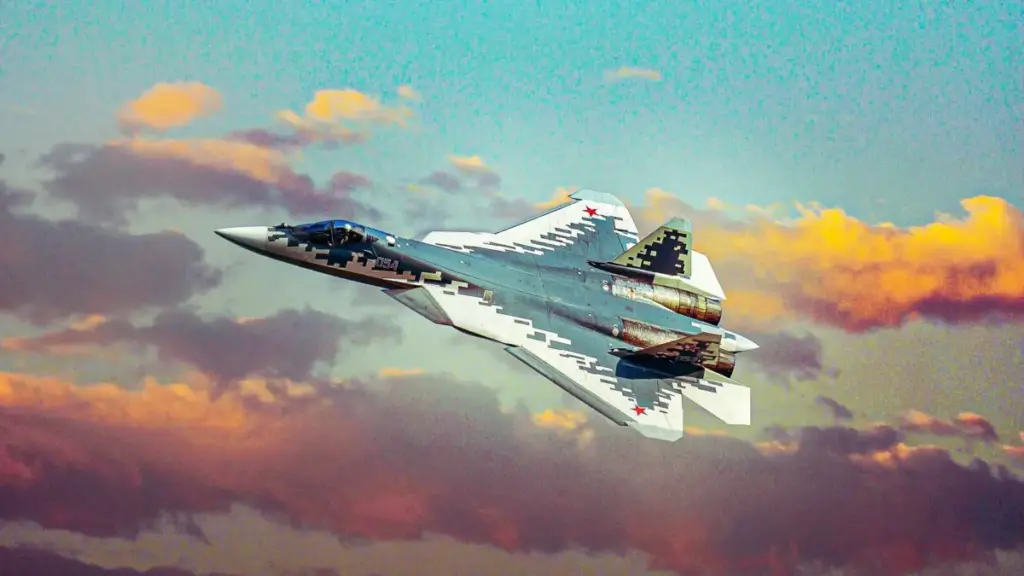
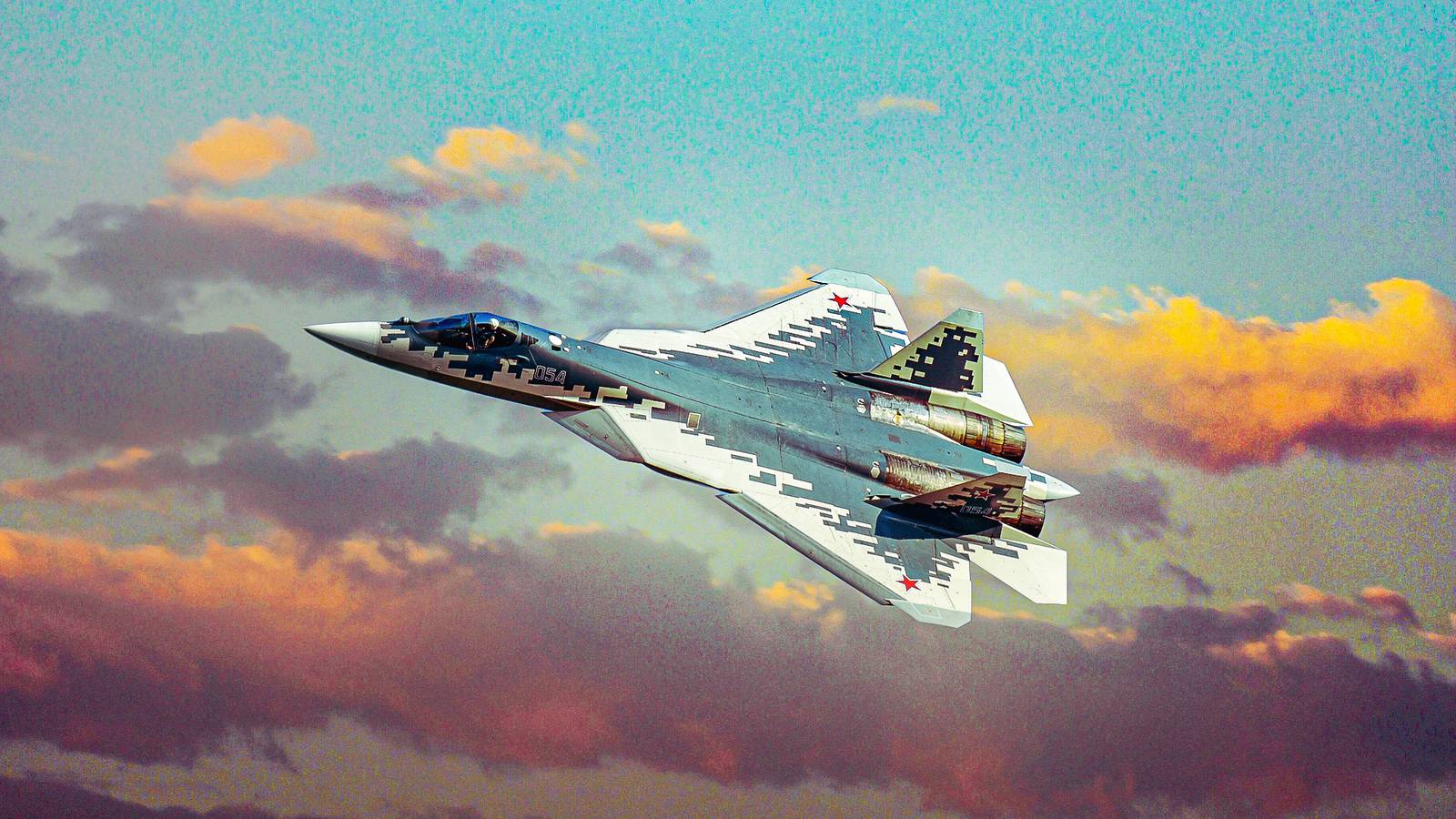
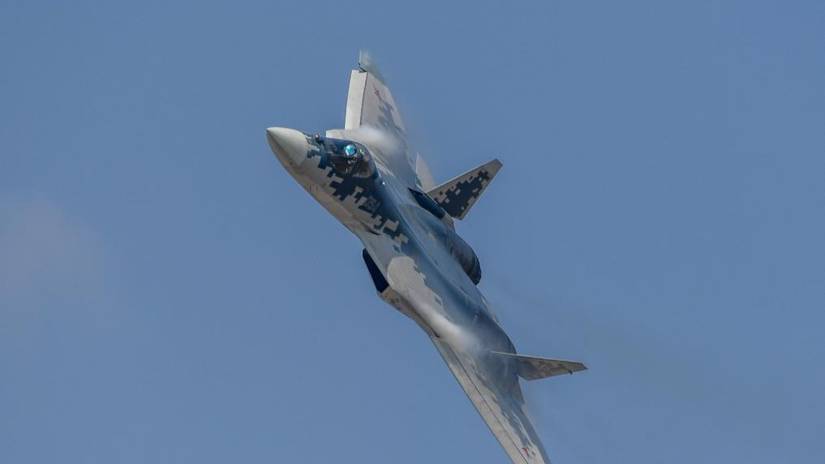
However, the circumstances surrounding Russia’s premier fifth-generation fighter, the Sukhoi Su-57 (NATO reporting name: "Felon"), stand in stark contrast. Developed initially as a joint venture with India and explicitly engineered with a heavy focus on the lucrative export market, the Su-57 entered service during a period of rapidly deteriorating global security. With legacy Cold War fleets aging out across the globe, the timing should have been ideal. Yet, six years after its official introduction to the Russian Aerospace Forces (VKS) in 2020, the aircraft faces an uncomfortable reality: domestic procurement remains remarkably modest, and international buyers are virtually nonexistent.
Executive Overview: The Fifth-Generation Paradox
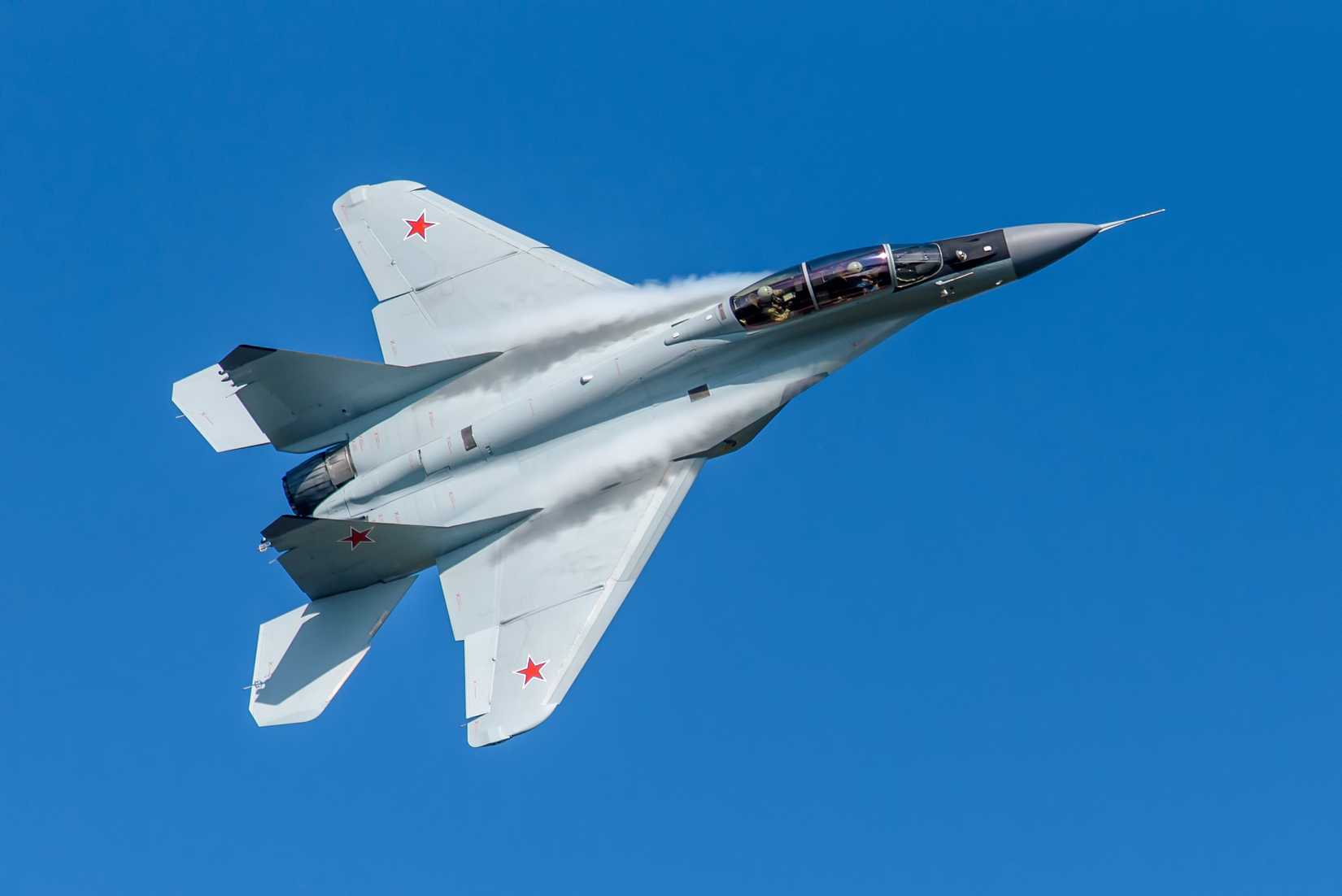
To understand the plight of the Su-57, one must examine the broader landscape of modern air power. The program is increasingly plagued by the ghosts of past failed export pushes, closely mirroring the commercial trajectory of the MiG-35 and casting a long shadow over the prospective Su-75 "Checkmate."
When Russia inducted the Su-57, it did so with a planned domestic order of just 76 airframes, scheduled for delivery by the late 2020s—a timeline that has faced ongoing friction and delays. Aside from a lone confirmed export customer, Algeria, which reportedly contracted 14 units, the global ledger for the Felon remains blank. By early 2026, open-source intelligence (OSINT) and defense analysts estimated that the Russian Air Force possessed between 20 and 30 operational airframes, while Algeria had received a minimal initial delivery of two jets.
This anemic footprint highlights a profound strategic paradox. If Russia truly considers itself a peer competitor to the United States and China in the realm of high-end military aviation, a total planned fleet of 76 fifth-generation fighters represents a mere drop in the bucket. While the Su-57 struggles to scale, rival programs continue to surge forward, leaving Moscow’s stealth ambitions dangerously isolated.

Detailed Chronology: From Joint Ambitions to Strategic Isolation
The Genesis and the Indian Departure
The Su-57’s troubles trace back to its formative years. Originally conceived as the Perspektivny Aviatsionny Kompleks Frontovoy Aviatsii (PAK FA) program, Russia partnered with India in the late 2000s under the Fifth Generation Fighter Aircraft (FGFA) initiative. New Delhi saw the collaboration as a dual-track opportunity: modernizing its air force while leap-forwarding its domestic aerospace manufacturing capabilities through aggressive technology transfer.
However, the partnership fractured throughout the 2010s. Indian defense officials grew increasingly dissatisfied with the aircraft’s developmental trajectory, citing fundamental concerns regarding its stealth characteristics, sensor suites, avionics, and powerplant maturity. Furthermore, disagreements over work-sharing arrangements crippled the joint venture. By 2018, India officially walked away from the program. Mid-2026 statements from Indian defense authorities definitively closed the door on any future acquisitions, cementing New Delhi’s pivot toward upgrading its legacy Su-30MKI Flankers, procuring French Rafales, and focusing on domestic stealth initiatives like the Advanced Medium Combat Aircraft (AMCA).
Serial Production Stumbles and the Domestic Order
With India’s departure, the Russian Ministry of Defense signed a contract in 2018 for 76 serial production Su-57s, a deal that conspicuously folded in the first two prototype/pre-production airframes (T-50S-1 and T-50S-2). This accounting maneuver immediately hit a snag when T-50S-1 crashed during a test flight in December 2019, just prior to formal service entry. A second Su-57 loss occurred in mid-2026 during a training mishap outside Moscow, reducing the effective fulfillment ceiling of the 2018 contract to 74 units barring supplementary orders.
Concurrently, the conflict in Ukraine has introduced attrition risks. Ukrainian military intelligence and defense sources claimed strikes against Su-57 airframes parked at Russian airbases in separate incidents in 2024 and 2026. While independent verification via visual confirmation (such as documentation by the Oryx tracking project) has verified at least one damaged airframe, the broader operational impact highlights the vulnerabilities of high-value, low-density assets stationed within range of long-range drone and missile strikes.
Supporting Context & Metrics: The Numbers Game
When evaluated against global superpowers, the scale of Russia’s fifth-generation procurement program appears disproportionately small.
- The United States: The U.S. military has procured 187 F-22 Raptors and integrated well over 800 F-35 Lightning IIs into its armed forces. The Pentagon’s overarching program of record scales to thousands of aircraft, with the Air Force alone slated to receive 1,763 F-35As, complemented by Marine Corps and Navy variants, not to mention investments in next-generation platforms.
- China: While Beijing does not officially publish exact procurement figures, open-source intelligence assessments indicate that China fielded over 300 fifth-generation Chengdu J-20 stealth fighters by 2025. Serial number analysis suggests that the fleet may have surpassed 500 operational airframes by mid-2026. Moreover, the carrier-borne naval variant, the J-35, entered serial production in 2025, meaning China’s naval aviation arm alone may soon eclipse Russia’s total inventory of Su-57s.
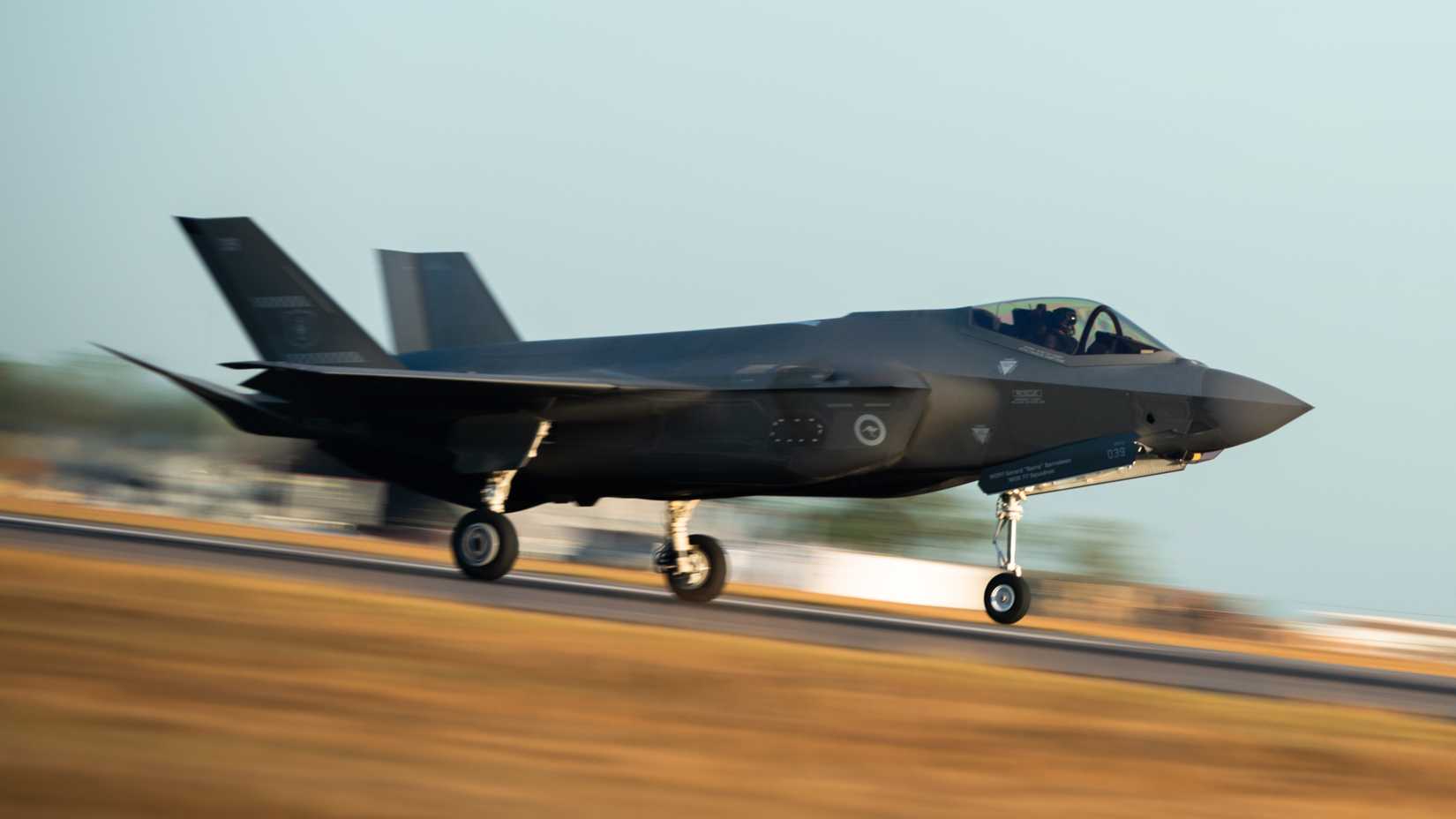
- Middle Powers: Surprisingly, middle powers boast larger commitments to fifth-generation technology than Russia. Australia’s finalized program of record stands at 72 operational F-35As, while nations like Israel, the United Kingdom, Italy, and Japan maintain active fleets or procurement pipelines that dwarf Russia’s publicly stated goal of 76 aircraft.
| Country / Force | Fifth-Generation Platform | Planned / Delivered Fleet Size | Status / Notes |
|---|---|---|---|
| Russian VKS | Sukhoi Su-57 | 76 ordered (~25 delivered) | Plagued by delays; at least two lost to crashes. |
| Algeria | Sukhoi Su-57 | 14 ordered (~2 delivered) | Sole confirmed export customer. |
| India | FGFA / Su-57 | ~100 planned (Canceled) | Withdrew due to capability and tech-transfer disputes. |
| United States | F-35 Lightning II | ~2,456 (Joint Program of Record) | The global benchmark for mass production and adoption. |
| China (PLA) | Chengdu J-20 / J-35 | 500+ estimated (J-20) | Rapidly expanding domestic production lines. |
The Flanker Priority
Rather than betting the farm on the Su-57, Russia’s domestic aerospace procurement heavily favors the tried-and-true Flanker family. Multi-role platforms like the Su-30, Su-35S, and the dedicated Su-34 fighter-bomber form the backbone of Russian tactical aviation in the Ukraine conflict.
Defense analyst Justin Bronk of the Royal United Services Institute (RUSI) estimated that between the Su-57’s service entry in 2020 and the end of 2025, the Russian Air Force accepted approximately 55 to 60 Su-35S fighters, 48 to 50 Su-34s, a handful of Su-30s, and a meager 20 Su-57s. Production metrics for 2026 reflect a continuation of this trend.
Several factors explain this persistent prioritization. First, the Su-57 relies heavily on advanced microelectronics and sub-components that are intensely exposed to Western sanctions, complicating the mass production of its most sensitive avionics. Second, the aircraft is arguably still immature—notably regarding its troubled path toward fielding the definitive Izdeliye 30 (AL-51F-1) engine. Finally, the nature of modern air combat in highly contested environments—where dense ground-based air defense systems (SAMs) and electronic warfare render traditional dogfighting obsolete—has forced aircraft to operate from stand-off ranges. For these standoff strike missions, legacy platforms like the Su-34 can accomplish the task without risking scarce, expensive stealth assets.
Official Statements and Geopolitical Friction
The inability to secure international buyers for the Su-57 cannot be pinned solely on technical skepticism; geopolitics plays an aggressive role. The implementation of the Countering America’s Adversaries Through Sanctions Act (CAATSA) by the United States in 2017 fundamentally altered the global arms trade. Nations flirting with Russian defense procurement—such as Egypt, Indonesia, and the Philippines—faced severe economic and diplomatic pressure, leading to the cancellation of major military contracts, including orders for Su-35S jets.
However, CAATSA does not fully explain why the Su-57 remains unwanted. When nations purchase advanced military hardware, they are evaluating far more than raw performance metrics. As seen with Brazil’s selection of the Saab Gripen E, acquisitions are deeply tied to industrial partnerships, domestic manufacturing incentives, and technology-sharing agreements. Furthermore, regional interoperability dictates market choices; small nations or emerging regional powers are structurally incentivized to align their fleets with Western architecture to ensure seamless coalition operations.
Compounding these challenges, Russia’s traditional defense export corridors are shrinking. Recent reports indicate that Uzbekistan has opted to acquire Chinese J-10CE multirole fighters, signaling that Beijing is increasingly eating into Moscow’s historical sphere of influence in Central Asia.
Future Outlook: A Precarious Horizon
As the aerospace industry looks toward the latter half of the decade, the future of the Sukhoi Su-57 hangs in the balance. The program faces a critical existential bottleneck: without a surge in domestic manufacturing capacity, resolution of its next-generation engine hurdles, and the emergence of secondary export partners, the Felon risks becoming a technological cul-de-sac.
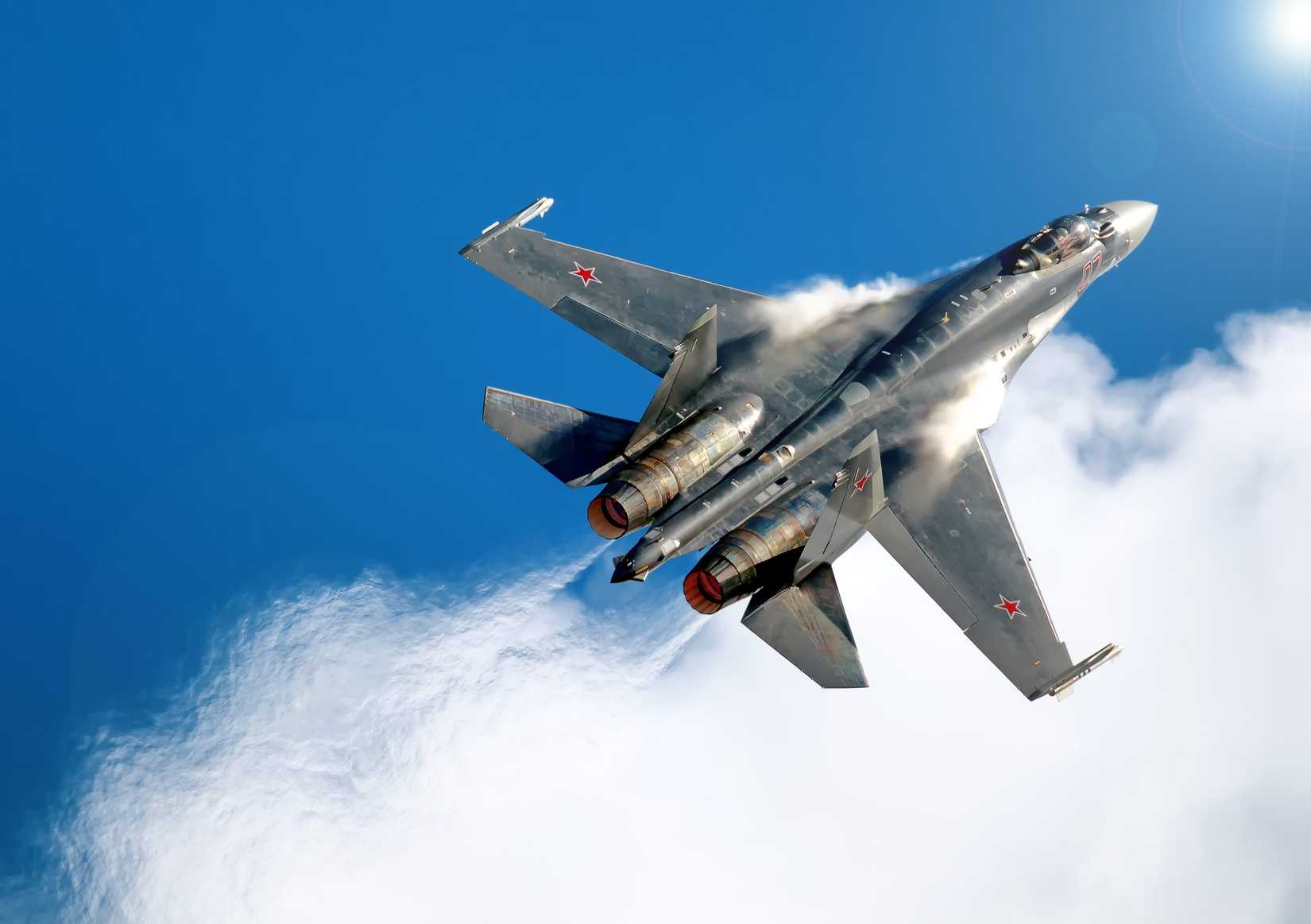
The lessons of the Su-57 serve as a sobering reminder for modern military planners. In an era defined by sensor fusion, secure battlefield networking, and resilient supply chains, building an impressive aerodynamic airframe is only half the battle. Unless Moscow can overcome the compounding pressures of international sanctions, technological immaturity, and fierce competition from rapidly advancing Chinese and Western defense industries, the Su-57 will remain an elite ghost—admired at airshows, but conspicuously absent from the skies of the world’s air forces.