







Perched gracefully along Spain’s sun-drenched Costa del Sol, Benalmádena is a destination of striking contrasts and profound historical depth. Far from being a homogeneous beach resort, this dynamic Andalusian town is ingeniously divided into three distinct zones: the lively, coastal pulse of Puerto Marina and the expansive seaside promenade; the industrious, bustling heart of Arroyo de la Miel; and the timeless, whitewashed charm of the historic old town, Benalmádena Pueblo.
Stretching from the sparkling waters of the Mediterranean Sea up to the rugged peaks of Monte Calamorro, Benalmádena offers an eclectic fusion of ancient heritage and modern innovation. Whether visitors are tracing the footprints of Phoenician, Roman, and Moorish civilizations through rich archaeological collections, marveling at world-renowned architectural masterpieces like Puerto Marina, or exploring unexpected cultural treasures such as Europe’s largest Buddhist stupa, the town delivers an immersive European travel experience. This comprehensive investigative report explores the evolution, attractions, infrastructure, and future trajectory of one of Southern Spain’s most compelling coastal enclaves.
Detailed Chronology: From Ancient Mines to a Modern Coastal Haven
To truly understand Benalmádena, one must journey backward through millennia of Mediterranean history. The area’s narrative is written in layers, inscribed by successive civilizations drawn to its strategic geography, mineral wealth, and fertile coastal plains.
Ancient Roots and Etymology
The historical timeline of Benalmádena accelerates significantly during the seventh and eighth centuries BC, when Phoenician traders established footholds along the southern coast of the Iberian Peninsula. Following the Phoenicians, the Romans and later the Arabs left indelible marks on the local culture, agriculture, and infrastructure.
Etymologically, the town’s name serves as a linguistic monument to its Moorish past. Derived from the Arabic phrase "Ben-al-Madina," which translates to "Children of the Mines," the moniker reflects the historical extraction of local minerals and ores that sustained early economies. For centuries, the region’s primary industries revolved around traditional practices: artisanal fishing, subsistence and commercial agriculture, and, crucially, the manufacturing of paper—an industry that later laid the structural foundations for the interior settlement of Arroyo de la Miel.
Preservation and the Felipe Orlando Legacy
The physical evidence of these diverse epochs is meticulously preserved today, largely thanks to the cultural stewardship embodied by the Archaeological Museum of Benalmádena. Located within the historic enclave of Benalmádena Pueblo, the museum’s core collection originates from the private holdings of D. Felipe Orlando, a Mexican expatriate and intellectual who made the town his home. Orlando gifted his extensive archaeological collection to the municipality under the steadfast condition that it remain permanently exhibited within the locality, ensuring that future generations and international visitors could connect directly with the region’s deep historical roots.
Supporting Context & Metrics: The Three Pillars of Benalmádena
Benalmádena’s unique geographic layout divides the municipality into three core operational and cultural zones, each defined by distinct architectural styles, economic activities, and lifestyle offerings.
+--------------------------------------------------------------------------+
|                       BENALMÁDENA'S TRI-PARTITE STRUCTURE                |
+--------------------------------------------------------------------------+
| 1. COASTAL ZONE (Puerto Marina & Paseo Marítimo)                         |
|    - Award-winning nautical hub (Voted Best Marina in the World)         |
|    - Blend of Indian, Arabic, and Andalusian architectural styles        |
|    - Capacity for over 1,000 vessels and luxury yachts                   |
+--------------------------------------------------------------------------+
| 2. TOWN CENTRE (Arroyo de la Miel)                                       |
|    - Evolved from a historic farming estate and paper-mill complex       |
|    - Hub of modern commerce, cobbled streets, and orange-tree courtyards |
|    - Gateway to Monte Calamorro via the Teleférico Benalmádena           |
+--------------------------------------------------------------------------+
| 3. OLD TOWN (Benalmádena Pueblo)                                         |
|    - Traditional whitewashed Andalusian architecture                    |
|    - Home to the 17th-century Church of Santo Domingo de Guzman          |
|    - Cultural anchor featuring the Stupa of Enlightenment                |
+--------------------------------------------------------------------------+
1. Puerto Marina: The Nautical Crown Jewel
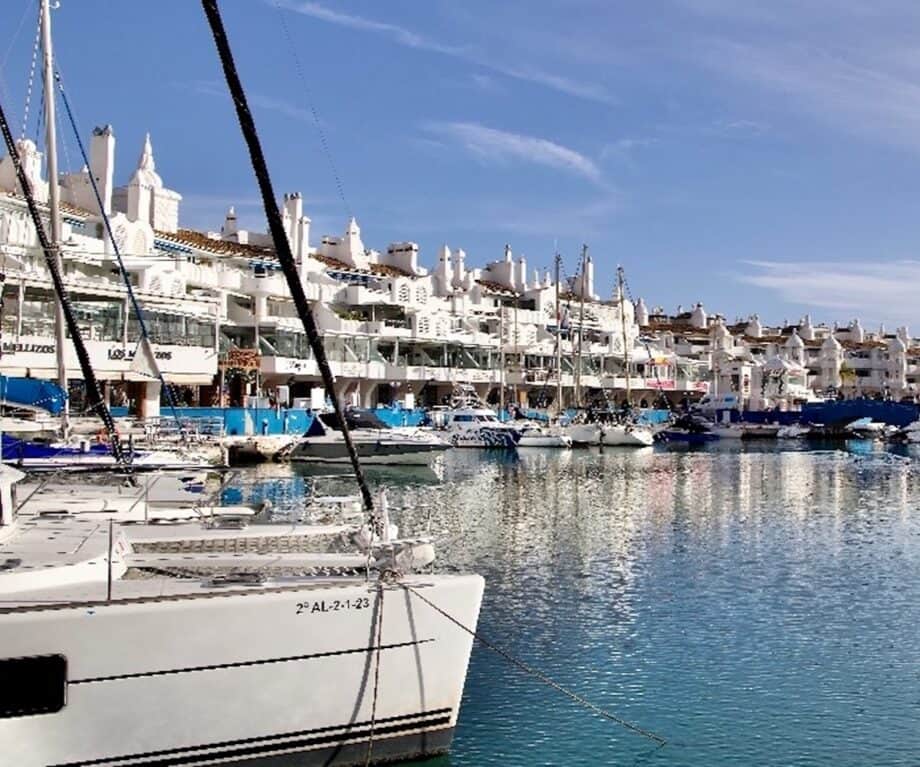
At the far eastern reach of the town’s extensive coastline lies Puerto Marina Benalmádena. While its unassuming landward shopping mall façade offers little hint of the spectacle within, stepping past the entrance reveals an architectural triumph. Opened in 1979, the marina has achieved international acclaim, repeatedly earning the prestigious title of Best Marina in the World.
The marina’s global renown stems from its daring residential islands, which fuse Indian, Arabic, and Andalusian architectural motifs. Luxurious apartment blocks are interconnected by an intricate network of charming pedestrian bridges spanning the turquoise waterways. With secure moorings for over 1,000 boats and yachts, the marina is ringed by a covered walkway housing high-end boutiques, gourmet restaurants, and lively cafés.
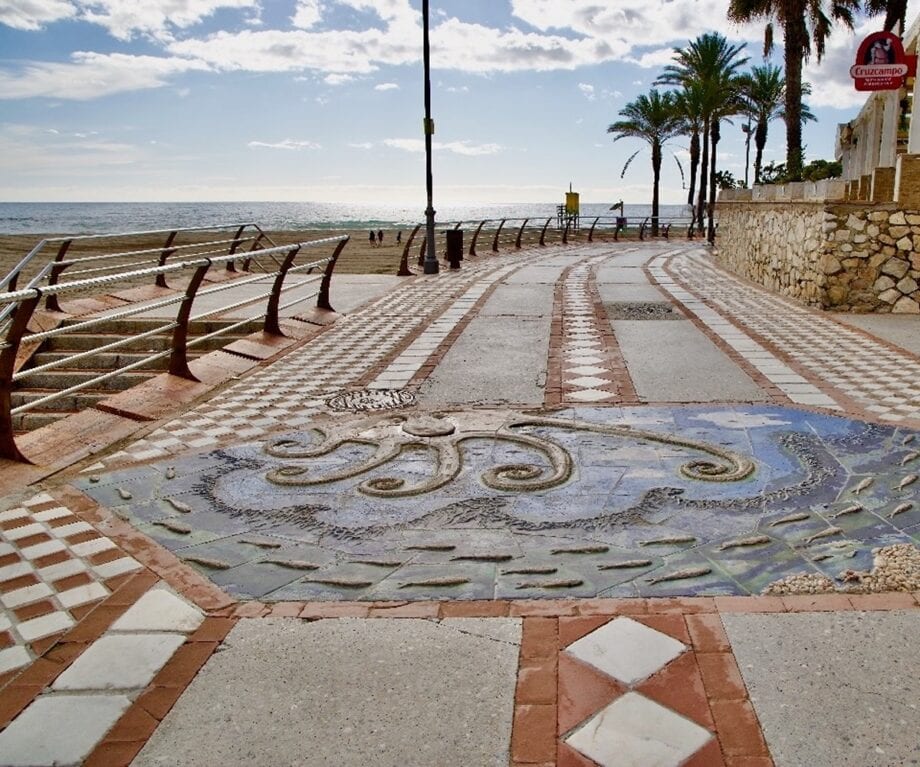
At the opposite end of the sprawling Paseo Marítimo (the coastal promenade) lies a tranquil counterpoint: El Parque de la Paloma. Established in 1995 as part of the municipal green-space initiative, this verdant oasis is situated just uphill from the striking, Moorish-style Bil-Bil Castle—a former private residence that now functions as a municipal cultural landmark. The park is anchored by a sprawling artificial lake populated by turtles, swans, ducks, and moorhens, while specialized enclosures house grazing mouflon sheep.
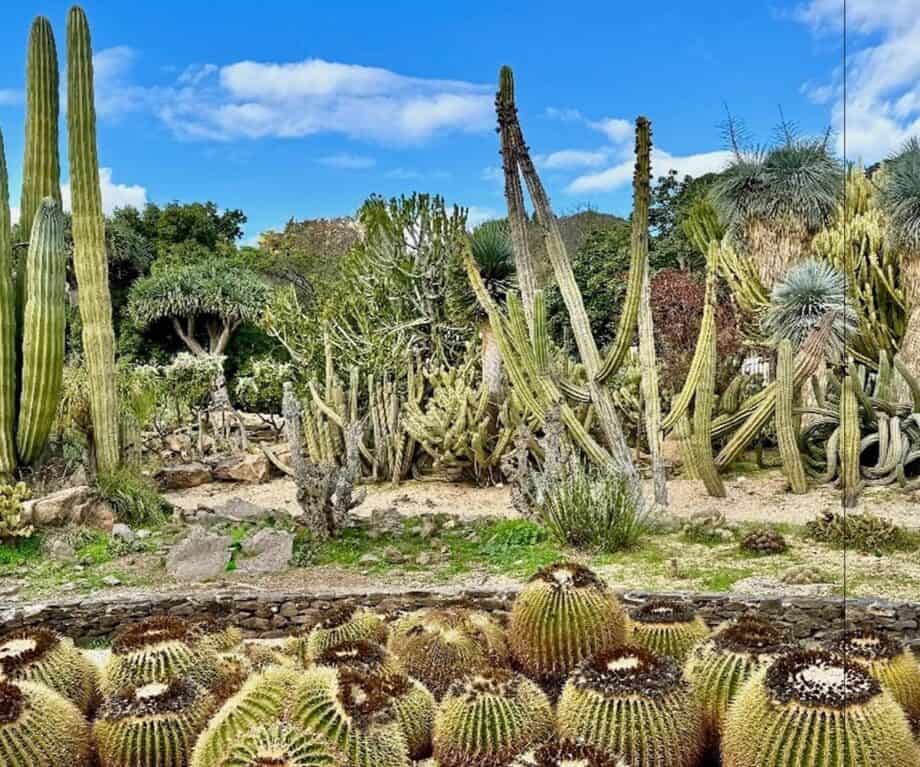
Furthermore, El Parque de la Paloma boasts one of Europe’s most significant collections of cacti and succulents, a bamboo garden, tranquil water-lily ponds, and three massive bronze sculptures entitled "Las Cabezas" (The Three Heads) by renowned artist José Seguiri. These sculptures, originally displayed on a marina breakwater in 2007, symbolize the fallen civilizations that preceded modern society.
2. Arroyo de la Miel: Industrial Heritage to Alpine Ascents
Moving inland reveals Arroyo de la Miel (literally translated as "Stream of Honey"), a district whose name traces back to a historic rural estate later acquired for industrial paper production. The establishment of paper mills sparked an economic boom that transformed the area into the bustling commercial heartbeat of modern Benalmádena.
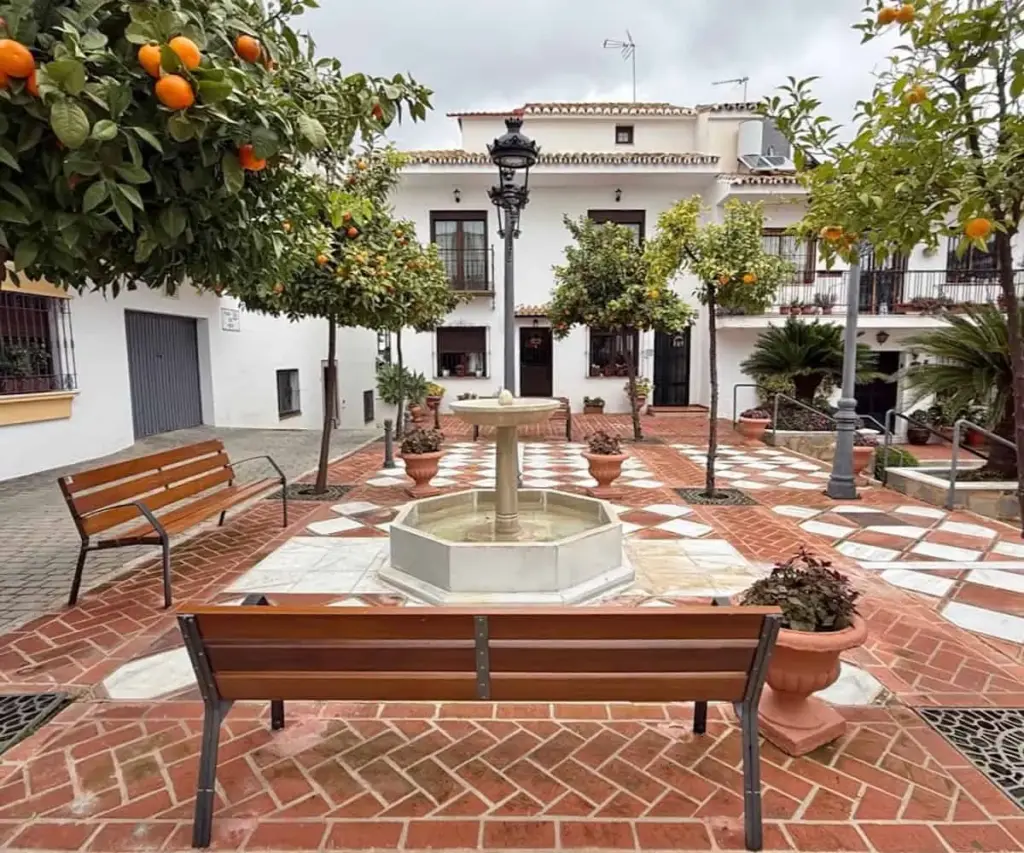
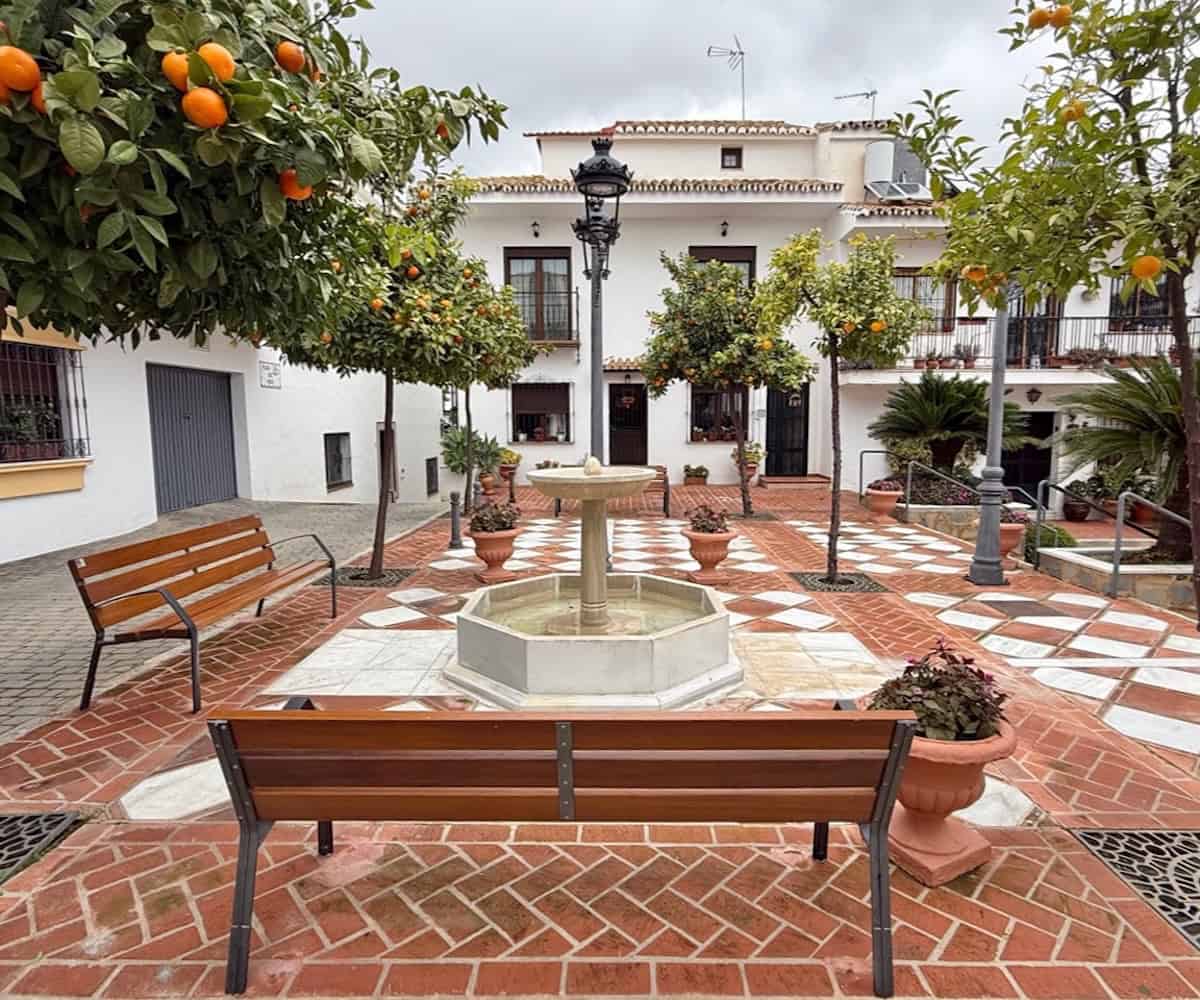
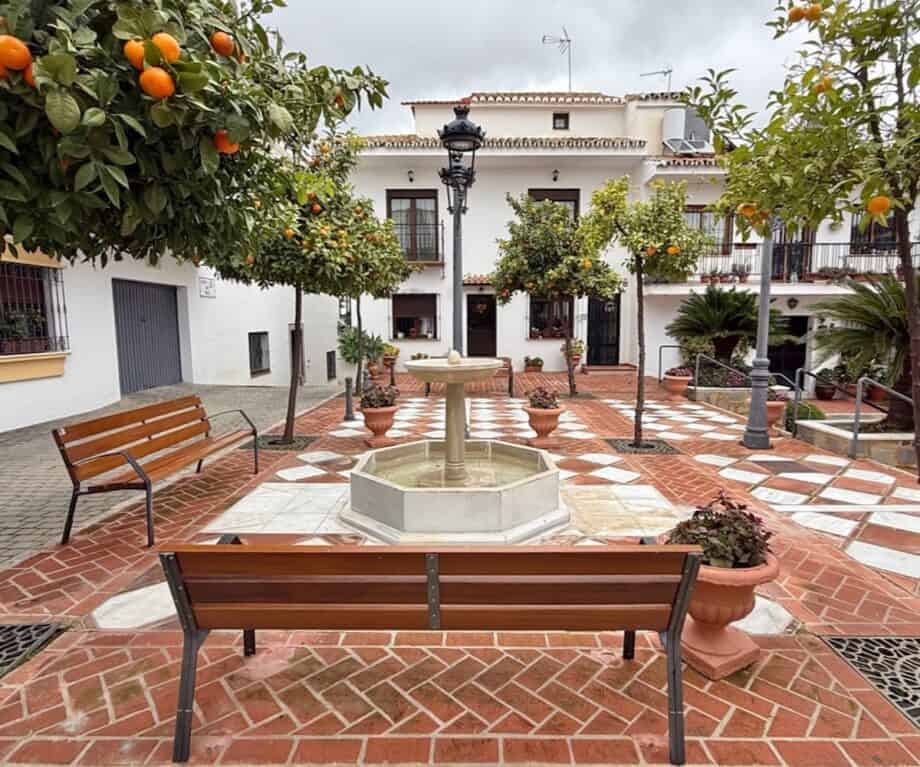
Today, Arroyo de la Miel retains its historic character through narrow, cobbled pedestrian pathways and intimate plazas shaded by bitter orange trees. It serves as the primary transportation nexus for the town, housing the local railway station and acting as the lower terminus for the Teleférico Benalmádena (Benalmádena Cable Car).
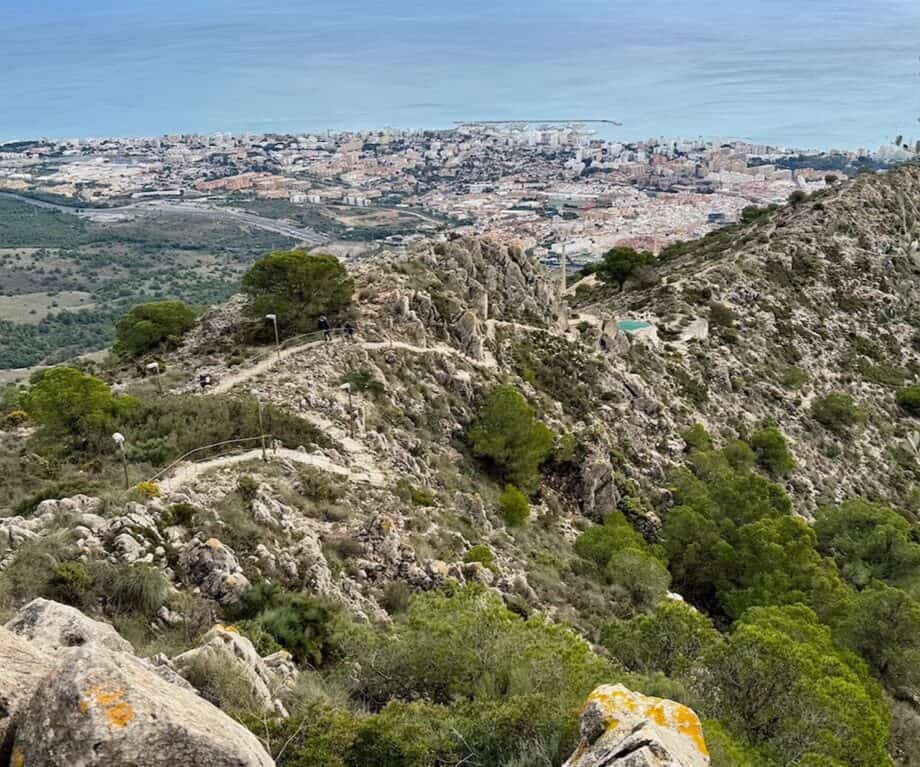
Operating daily, the panoramic cable car transports passengers from the town center up to the breezy summit of Monte Calamorro. The journey provides sweeping views of the Costa del Sol coastline, occasionally extending as far as the North African coastline on exceptionally clear days. At the summit, visitors can explore a network of stone-paved walking trails linking twin peaks, accompanied by daily educational flight exhibitions featuring magnificent birds of prey (weather permitting).
3. Benalmádena Pueblo: The Authentic Andalusian Soul
Perched higher up the hillside is Benalmádena Pueblo, the historic old town that offers a genuine glimpse into traditional Spanish village life. Whitewashed facades adorned with vibrant potted wall gardens (patios) line the labyrinthine cobblestone alleys, leading ultimately to the central Plaza de España. Here, visitors find the iconic bronze sculpture of the town’s emblem, the "Niña de Benalmádena," alongside atmospheric local eateries.
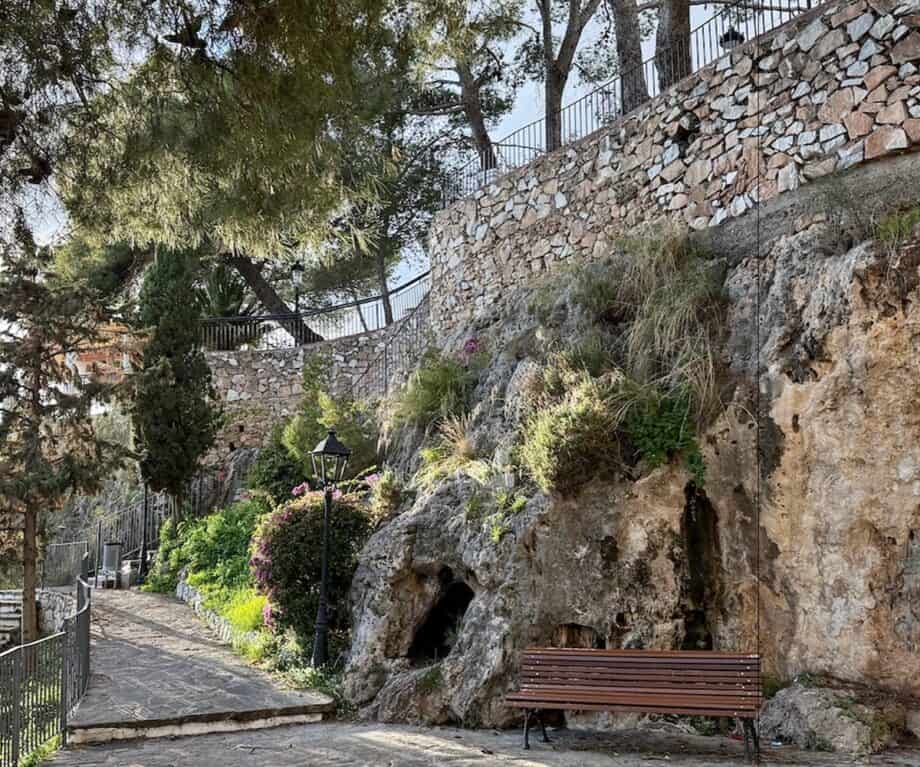
Dominating the local skyline is the Church of Santo Domingo de Guzman, a seventeenth-century sanctuary featuring a distinctive bell-gable (espadaña) housing three operational bells and a traditional clock face. Just beyond the church plaza lies the Jardines del Muro, designed in 1980 by visionary Canarian architect César Manrique. Integrated seamlessly into the remnants of ancient Muslim defensive walls, these terraced gardens feature cascading waterfalls, tranquil reflective pools, and panoramic viewing platforms overlooking the Mediterranean basin.
Continuing down the hillside reveals the fantastical Castillo de Colomares, a modern architectural monument constructed as a tribute to Christopher Columbus and the Age of Discovery. Yet, perhaps the most unexpected cultural marvel sits just on the outskirts of the Pueblo: the Stupa of Enlightenment.
Constructed on a dramatic cliffside overlooking the coast, this pristine white Tibetan Buddhist stupa was inspired by the late Lopon Tsechu Rinpoche, an esteemed Bhutanese Buddhist master. Standing as the largest stupa in the western world, it symbolizes peace, prosperity, and harmony. Adjacent to the stupa complex sits the Monumento Natural Mariposario de Benalmádena (Butterfly Park), a vast tropical glasshouse sheltering over 1,500 exotic butterflies representing upwards of 150 global species amid cascading waterfalls and lush botanical displays.
Official Statements and Strategic Tourism Outlook
Local authorities and tourism boards continue to champion Benalmádena as a model of diversified Mediterranean tourism. In official municipal tourism briefs, representatives emphasize the city’s strategic balance between mass coastal leisure and niche cultural preservation.
"Benalmádena has successfully redefined the Mediterranean tourism paradigm," notes a spokesperson for the local municipal tourism authority (Turismo de Benalmádena). "By bridging our rich multicultural history—from Phoenician trade roots and Moorish heritage to modern architectural masterpieces like Puerto Marina and the Stupa of Enlightenment—we offer travelers a multi-dimensional experience that transcends the traditional ‘sun and sand’ holiday model."
Urban planners have likewise underscored the importance of sustainable municipal expansion, noting that investments in green infrastructure (such as El Parque de la Paloma) and enhanced public transit connectivity between the Pueblo, Arroyo de la Miel, and the coastal strip remain central to the town’s long-term economic resilience.
Future Outlook: Planning Your Visit to Benalmádena
As international travel trends increasingly favor destinations capable of delivering diverse, multi-generational, and culturally enriching itineraries, Benalmádena is exceptionally well-positioned for sustained growth through 2026 and beyond.
Practical Travel Infrastructure
- Air Access: Málaga-Costa del Sol Airport serves as the primary international aviation hub, located just a short distance northeast of Benalmádena.
- Ground Transportation: Travelers can easily transition from the airport to the town center via frequent commuter rail services (Cercanías) operated by Renfe, or through an extensive network of regional public buses connecting Málaga directly to Arroyo de la Miel and the coastal zones.
- Local Mobility: Intra-town transit is facilitated by regular bus routes linking the coastal promenade, the central railway district, and the historic hilltop Pueblo, minimizing the need for private automobile rentals within the municipal boundaries.
Whether visitors seek the nautical elegance of award-winning yacht harbors, the botanical wonders of European cactus sanctuaries, the alpine panoramas of Monte Calamorro, or the quiet contemplation of the Stupa of Enlightenment, Benalmádena remains a vibrant, evolving tapestry of history and modernity on the radiant Costa del Sol.