





Published August 9, 2026
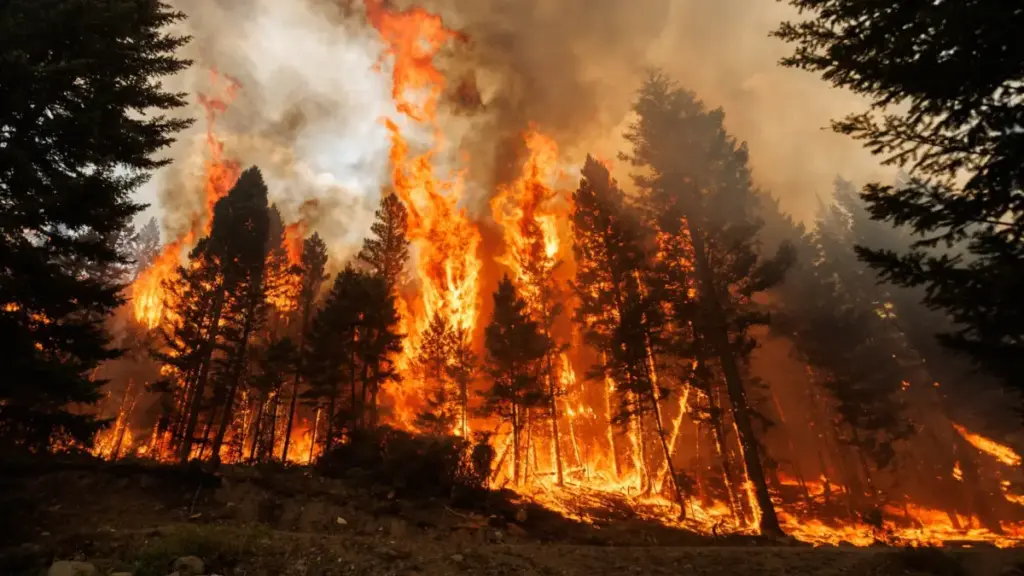
As catastrophic wildfires continue to chew through the dry timberlands of the Pacific Northwest and thick, toxic plumes of smoke blanket major population centers across North America, a macabre new trend has surfaced online. While emergency responders fight to protect human life and property, internet users are logging onto prediction markets to place real-money bets on the exact trajectory of active blazes—speculating on how many thousands of acres will burn, when containment lines will finally hold, and how much financial devastation will be left in the wake of the flames.
This convergence of climate disaster and unregulated digital derivatives has alarmed federal lawmakers, fire chiefs, and forestry experts. Critics argue that treating active natural disasters like sports betting events creates dangerous moral hazards, chief among them the terrifying prospect of incentivizing arson and compromising emergency response operations.
The rise of wildfire wagering has exposed a volatile grey area in the regulation of modern online prediction markets. Platforms that traditionally let users buy and sell contracts on presidential elections, Federal Reserve rate cuts, and cryptocurrency milestones have increasingly expanded into real-time catastrophe trading.
On August 3, 2026, a bipartisan coalition of nine U.S. senators—led by lawmakers from fire-ravaged Western states—pushed back hard. In a formal letter addressed to Michael Selig, chairman of the Commodity Futures Trading Commission (CFTC), the senators demanded immediate federal intervention to halt the proliferation of disaster-based betting.
The core argument of the congressional push is simple: wagering on human misery is ethically repugnant, but wagering on active fires is actively dangerous. Lawmakers warn that financial speculation on wildfires invites insider trading among emergency personnel, corrupts public trust in firefighting strategies, and introduces a perverse incentive structure where individuals could profit from intentional destruction.
As climate change accelerates the frequency and intensity of North American fire seasons, the legal, ethical, and physical security risks of turning environmental collapse into a house of cards have never been higher.
Detailed Chronology: From L.A. Tragedy to Congressional Crackdown
While public outcry reached a boiling point in the summer of 2026, the intersection of digital prediction markets and wildfire destruction began drawing serious scrutiny during the devastating firestorms of early 2025.
January 2025: The Los Angeles Catastrophe
The phenomenon of disaster betting first broke into mainstream awareness during the catastrophic Palisades and Eaton fires that tore through the Los Angeles area in January 2025. As high-velocity Santa Ana winds drove walls of flame through densely populated neighborhoods, online bettors utilized platforms like Polymarket to wager on a morbid matrix of outcomes. Users traded contracts predicting the total square mileage of destruction, the precise timing of containment, and even whether local law enforcement would successfully apprehend suspects for arson.
By the time the flames were finally subdued, the fires had claimed 31 lives and reduced more than 16,000 homes to ash. According to data compiled by Jamie Pietruska, a history professor at Rutgers University, financial stakes tied to the Los Angeles blazes topped $1.2 million on Polymarket alone before the markets were abruptly closed following the disaster.
The Rise and Fall of Wyldfyre.io
Capitalizing on the appetite for disaster speculation, boutique prediction platforms began popping up to target niche catastrophes. Until early August 2026, a dedicated platform operating under the domain Wyldfyre.io permitted users to bet directly on active wildfires. The site embraced a brazen corporate ethos, adopting the chilling promotional slogan: "You can’t predict fire, but you can trade on it." Following intense public backlash and regulatory heat, the site has since been permanently shut down.
August 3, 2026: The Senate Ultimatum
Recognizing that existing platforms like Polymarket and Kalshi could easily reinstate wildfire contracts as the summer burning season peaked, nine U.S. senators took decisive action. Senators Alex Padilla (D-CA), Adam Schiff (D-CA), Jeff Merkley (D-OR), Ron Wyden (D-OR), Amy Klobuchar (D-MN), Jeanne Shaheen (D-NH), Jacky Rosen (D-NV), Catherine Cortez Masto (D-NV), and Martin Heinrich (D-N.M.) dispatched their formal warning letter to the CFTC.
The letter implored federal regulators to use their authority over derivatives markets to establish explicit boundaries, ensuring that life-threatening natural disasters remain strictly off-limits to speculators.
Supporting Context & Metrics: A Historic and Costly Fire Season
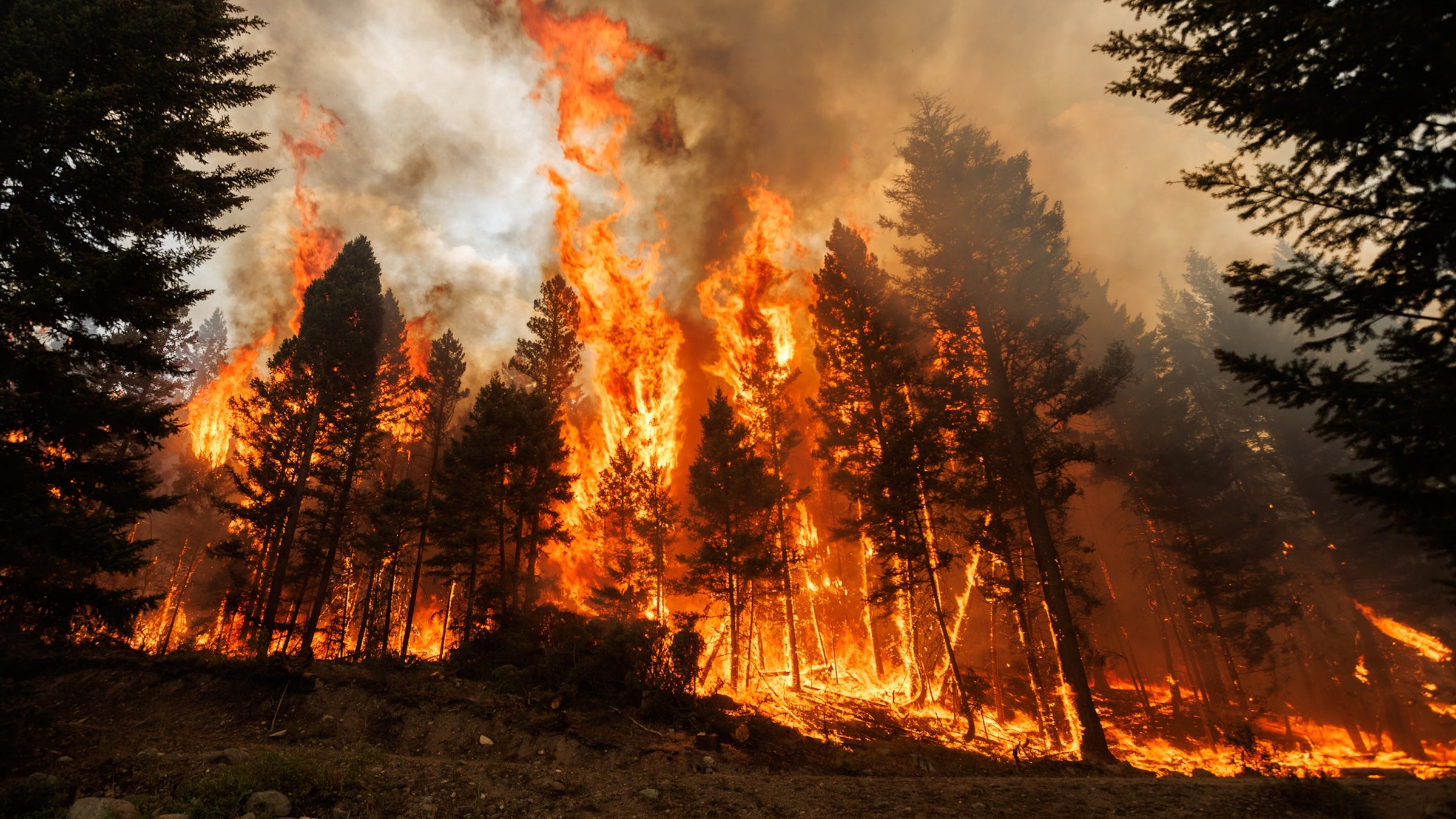
The legislative push against disaster betting arrives against the backdrop of a punishing, record-shattering North American wildfire season. The psychological and economic toll of these disasters provides fertile ground for exploitative financial instruments.
- Oregon’s Historic Burn: Oregon is currently enduring the worst wildfire season in its recorded history. More than two million acres have been incinerated across the state, stretching municipal resources to a breaking point and forcing continuous, emergency-level community evacuations.
- Washington State Devastation: Neighboring Washington has seen over 630,000 acres consumed by fast-moving blazes over the course of the summer.
- Regional Strain: California, which managed to largely dodge catastrophic fire events during the early months of 2026, has been forced to dispatch heavy equipment, strike teams, and hundreds of firefighters north to assist Oregon and Washington.
- The Recreation Economy Toll: Beyond immediate property damage and structural loss, the secondary impacts of wildfire smoke and scorched public lands are staggering. A 2025 economic working paper estimated that chronic wildfire smoke and recurrent trail closures cost the outdoor recreation industry approximately $21 billion annually.
When millions of citizens face displacement, respiratory hazards, and the total loss of generational wealth, the existence of secondary markets profiting off these exact metrics feels, to many, like a profound societal failure.
Official Statements and Industry Perspectives
The debate over prediction markets touches on fundamental questions regarding free speech, market efficiency, and the moral boundaries of capitalism. While prediction market proponents often argue that decentralized betting pools aggregate collective intelligence more accurately than traditional institutions, experts in emergency management see prediction markets as an unmitigated disaster waiting to happen.
The Danger of Perverse Incentives
Patrick Wright, director of California’s Governor’s Wildfire and Forest Resilience Task Force, pulls no punches when assessing the threat posed by these platforms. In interviews, Wright has emphasized that the potential for malicious exploitation goes far beyond simple arson.
"We shouldn’t be creating markets about human losses," Wright told Outside. "It just could lead to a lot of abuses and unintended consequences. There are the obvious things like arson, but even beyond that, how fires are fought, how they’re prevented, what projects are chosen, what investments are made and not made. The list is enormous."
Wright also raised concerns about public interference with professional command structures. In an emergency, split-second decisions made by incident commanders are a matter of life and death. The introduction of external financial motives could distort public trust or prompt armchair critics to second-guess critical operational priorities.
"The last thing we want is fire managers being second-graded by prediction markets," Wright said. "If firefighters are saying, ‘This is a priority area,’ but your prediction markets are saying, ‘No, this other area is where all the bets are being taken,’ that’s the last thing firefighters need."
A Parallel to War and Assassination
For Senator Jeff Merkley, who has spearheaded much of the legislative opposition, betting on natural disasters crosses an inviolable ethical line. Because prediction markets are federally regulated commodities derivatives markets rather than state-regulated casinos, state-level gambling prohibitions do not apply, leaving a dangerous regulatory vacuum at the federal level.
"There is something repulsive about people betting on others’ misery, like the intensity of a hurricane or the number of homes a fire will burn or the location or the number of fires, or the acres burned," Merkley noted in an interview. "This falls under the same no-man’s land for betting occupied by wars and assassinations. But when it comes to fires, it is immoral to create any possibility that firefighting might be influenced by bets made on a prediction market."
Neither Polymarket nor Kalshi—the two dominant players in the prediction market landscape—provided comments when contacted by media outlets regarding their policies on natural disaster contracts. While Kalshi operates as a federally compliant exchange in the U.S. and currently restricts its natural disaster wagering to sudden-onset events like earthquakes or hurricanes (abstaining from fire contracts entirely), offshore and crypto-backed platforms like Polymarket have historically maintained far looser restrictions. As of August 2026, neither platform hosts active wildfire markets, but the lack of binding federal rules leaves the door open for their return.
Future Outlook: Closing the Regulatory Loophole
As climate change guarantees longer, drier, and more volatile fire seasons in the years ahead, lawmakers and emergency management professionals face a race against time to establish robust regulatory safeguards.
The immediate demand from Congress is clear: the CFTC must explicitly incorporate language into pending federal derivatives and prediction market oversight frameworks that bans contracts tied to natural disasters, public health crises, and active emergency responses. Without explicit statutory prohibitions, the rapid commercialization of digital prediction markets will continue to find new frontiers in human suffering.
Until federal regulators step in to close this legislative loophole, the spectral glow of wildfires on the horizon will continue to be mirrored by glowing smartphone screens—where speculators gamble on the exact moment the smoke clears, oblivious to the human wreckage left behind in the ash.