


Executive Overview
In an era defined by the dizzying velocity of digital imagery—where billions of photographs are captured, scrolled past, and forgotten within micro-seconds on social media feeds—Fujifilm is launching a deliberate counter-movement. To commemorate World Photography Day on August 19, the renowned imaging pioneer has orchestrated a nationwide cultural initiative designed to bring photographers, hobbyists, and urban explorers back to the physical streets.
Across Madrid and Barcelona, Fujifilm is hosting its fourth consecutive annual edition of curated photowalks: immersive, guided explorations of the urban landscape that champion the tactile, reflective, and communal nature of image-making. Far from being mere promotional stunts, these events are structured as holistic creative exercises. Participants are invited to step away from automated consumer habits, slow down their cognitive processing, and engage deeply with their surroundings through the viewfinder.
The initiative bridges two distinct urban environments—the historic, expansive avenues of Madrid and the vibrant, culturally rich neighborhoods of Barcelona—united by a singular artistic philosophy: that photography is not merely about recording reality, but about interpreting it. To incentivize participation and reward keen artistic vision, Fujifilm has introduced a competitive framework featuring coveted hardware prizes, including the iconic Instax Mini 99 and a major national sweepstakes for the flagship FUJIFILM X100VI.
This comprehensive report examines the structural anatomy of Fujifilm’s World Photography Day events, analyzing the programmatic details of the Madrid and Barcelona routes, the underlying philosophy of modern slow-photography, the mechanics of the national sweepstakes, and the broader cultural implications of corporate-sponsored community art initiatives in contemporary Spain.
Detailed Chronology & Programmatic Breakdown
The events slated for August 19 have been meticulously engineered to provide participants with a balanced curriculum of physical exploration, technical observation, and collective critique. The schedule bridges morning and evening light conditions to maximize the aesthetic potential of both cities.
The Madrid Route: Alcalá de Henares and University Collaboration
In the capital, the day’s activities commence at 19:00 hours, targeting the golden hour just before sunset when urban shadows lengthen and architectural textures become pronounced. The meeting point is set at the Museo de Arte Iberoamericano, located within the historic Edificio Cisneros in Alcalá de Henares—a city rich with Cervantes-era heritage and monumental academic architecture.

This iteration of the Madrid photowalk is executed in strategic partnership with the Aula de Fotografía of the General Foundation of the University of Alcalá. To elevate the educational value of the walk, Fujifilm has enlisted an elite trio of contemporary Spanish photographers to act as mentors and guides:
- Natalia Garcés: Known for her profound conceptual documentary work and delicate handling of narrative space.
- Ignacio Izquierdo Patiño: A master of street geometry, urban isolation, and stark monochromatic contrasts.
- Rodrigo Roher: Renowned for his painterly approach to light and dynamic composition within the public sphere.
Under their tutelage, the cohort will navigate the streets of Alcalá de Henares, searching out overlooked architectural details, subtle human interactions, and shifting spatial perspectives.
The walk culminates in a critical milestone: a collective image-review session. Participants will gather to project and discuss their work, fostering an environment of peer-to-peer learning. The photographer judged to have captured the single best image of the evening will receive an Instax Mini 99 instant camera, a 10-exposure film pack, and a prestigious scholarship for the Quijote Photofest 2026.

The Barcelona Route: The Heart of the Gràcia Festivities
Contrasting sharply with Madrid’s evening academic setting, Barcelona’s photowalk begins bright and early at 9:00 hours directly from the Fujifilm House of Photography (located at Gran de Gràcia, 1, 08012 Barcelona).
Guiding the Barcelona contingent is professional photographer Guillem Calatrava, whose deep familiarity with Catalan urban dynamics ensures an authentic, insider’s view of the city. Crucially, the Barcelona walk coincides with the height of the iconic Festa Major de Gràcia—one of Catalonia’s most fiercely protected and visually explosive cultural festivals. During this week, neighborhood associations transform local streets into theatrical, handcrafted set-pieces using recycled materials, creating an immersive riot of color, paper mâché sculptures, and community life.
Participants will be thrust into the densely packed, highly decorative alleys of Gràcia, challenging their ability to isolate compelling subjects amidst sensory overload. The curriculum demands rigorous control over depth of field, color contrast, and timing to capture the ephemeral energy of local street life. Like its Madrid counterpart, the Barcelona experience concludes with a communal image-viewing session, where the author of the standout photograph will be awarded an Instax Mini 99 alongside a dedicated film bundle.
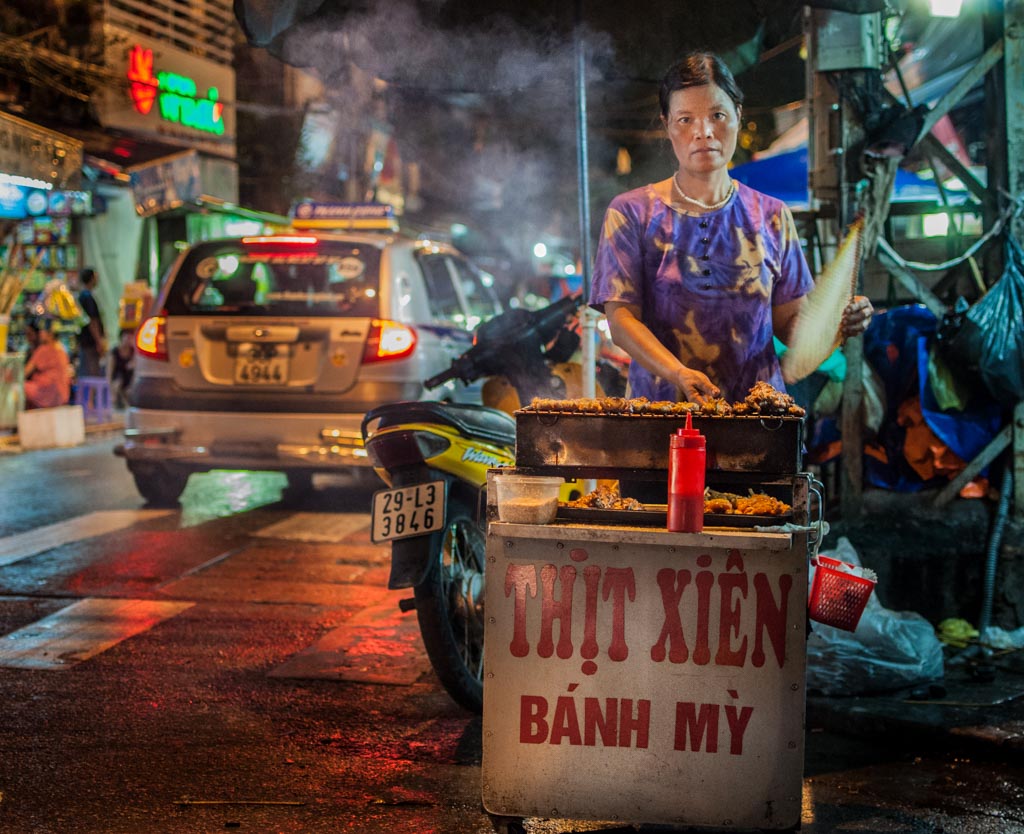
Supporting Context & Metrics: The Philosophy of Slow Photography
To fully appreciate the weight of Fujifilm’s initiative, one must examine the broader socio-cultural context of contemporary image production. According to industry estimates, over 1.8 trillion photographs are captured globally each year, the vast majority via smartphones. This hyper-saturation has commodified the visual medium, transforming photography from an act of deliberate contemplation into an automatic reflex of digital documentation.
Fujifilm’s "World Photography Day" campaign—anchored by the national social media contest titled "Día de la Fotografía: La mirada no se puede generar" (World Photography Day: The Gaze Cannot Be Generated)—serves as a philosophical rebuttal to the rise of generative artificial intelligence and algorithmic image creation.
Key Structural Pillars of the Campaign:
- De-escalation of Digital Consumption: By forcing practitioners onto physical streets for hours at a time, the brand re-centers the human body as the primary instrument of framing. Walking replaces scrolling.
- Collective Validation: The inclusion of post-walk critique sessions combats the atomized experience of social media silos. Photographers must defend and discuss their creative choices aloud, elevating technical proficiency into artistic discourse.
- Tactile Renaissance: The awarding of instant film cameras (Instax Mini 99) is a deliberate material statement. In a digital world where raw files sit neglected on hard drives, physical prints force an encounter with the tangible artifact.
Official Guidelines and Sweepstakes Mechanics
Beyond the physical photowalks in Madrid and Barcelona, Fujifilm has opened a nationwide digital activation to ensure that enthusiasts across Spain can participate regardless of geographic constraints.

The "La mirada no se puede generar" National Sweepstakes
- Active Window: August 10, 2026, through August 19, 2026, closing strictly at 23:59 CEST.
- Eligibility: Open to all legal residents of Spain aged 18 and older. Limit of one entry per individual.
- Winner Selection: A randomized official draw conducted on August 20, 2026.
- The Grand Prize: One unit of the highly sought-after FUJIFILM X100VI—a compact, fixed-lens digital camera that has faced unprecedented global supply constraints due to staggering demand among street and documentary photographers.
Step-by-Step Entry Protocol for Instagram:
- Follow the official brand channels: @houseofphotography_bcn and @fujifilm.es.
- Locate the designated campaign announcement post on Instagram.
- Leave a comment on the post tagging at least one peer, mentor, or fellow creator whose photographic vision the participant genuinely admires.
- Include a brief, qualitative explanation of why that specific person’s gaze is inspirational, reinforcing the campaign’s core thesis that artistic vision is inherently human and non-reproducible by machine learning algorithms.
Future Outlook: The Evolution of Brand-Led Cultural Stewardship
Fujifilm’s multi-pronged approach to World Photography Day 2026 reflects a sophisticated evolution in corporate marketing strategies within the creative technology sector. Rather than relying on traditional product-launch advertising, companies like Fujifilm are increasingly positioning themselves as cultural stewards and community hubs.
The establishment of permanent physical spaces—such as the Fujifilm House of Photography in Barcelona—coupled with localized academic partnerships (like the collaboration with the University of Alcalá), signals a long-term commitment to nurturing regional visual talent. By investing in physical meetups, mentorship programs, and tactile outputs, Fujifilm is cultivating deep brand loyalty rooted in shared artistic experiences rather than transactional consumerism.
As artificial intelligence continues to disrupt traditional creative industries, initiatives that champion the visceral, embodied act of walking, looking, and sharing physical prints will likely grow in economic and cultural significance. For the hundreds of photographers converging on the streets of Madrid and Barcelona this August 19, the value proposition extends far beyond the possibility of winning a camera; it lies in the reclamation of time, attention, and the authentic human gaze.