







Executive Overview
As the vibrant energy of summer gradually fades and gives way to the crisp, cooler temperatures of autumn, a profound shift occurs in our daily rhythms. Vacations conclude, outdoor recreational activities wind down, and individuals pivot toward introspection, self-care, and holistic wellness. Among the many lifestyle adjustments prompted by this seasonal change, none is more scientifically urgent or aesthetically rewarding than a comprehensive skin reset.
Months of relentless exposure to ultraviolet (UV) radiation, high ambient heat, suffocating humidity, chemical disinfectants like chlorine in swimming pools, and the physiological stress of travel leave deep marks on the integumentary system. Consequently, dermatologists, estheticians, and advanced skincare professionals universally regard autumn as the optimal window for epidermal repair and long-term rejuvenation.
The physiological rationale for an autumn skin reset is rooted in both environmental science and clinical practice. During the peak summer months, the skin is subjected to continuous oxidative stress, which degrades collagen matrices, compromises the skin barrier, and exacerbates hyperpigmentation and chronic inflammation. As UV indices drop during the fall, the risk of post-inflammatory hyperpigmentation and treatment-related complications plummets. This creates a secure, highly conducive environment for intensive resurfacing, deep hydration restoration, and collagen induction therapies.
This comprehensive report explores the scientific imperative behind autumn skin renewal, examines the efficacy of modalities such as hydrating facials and LED light therapy, details advanced medical spa interventions, and outlines strategic pathways for maintaining a luminous, resilient complexion as the calendar turns toward winter.
Detailed Chronology: The Seasonal Lifecycle of the Skin
To fully understand why autumn serves as the golden hour of skincare, one must trace the chronological journey of the human skin through the four distinct seasons, mapping the physiological trauma inflicted by summer and the strategic timing required for winter preparation.
Spring: The Awakening and Preparation
As winter thaws, the skin emerges from months of low humidity, indoor heating, and reduced lipid production. In spring, skincare routines traditionally shift toward gentle exfoliation to clear away accumulated dead corneocytes, lightweight hydration, and the reinvigoration of daily broad-spectrum photoprotection. The skin is largely uncompromised by heavy sun exposure, making it an ideal period for establishing baseline barrier health.
Summer: The Season of Environmental Assault
Beginning in late June and extending through August, the skin faces a barrage of environmental stressors. High temperatures trigger hyperhidrosis (excessive sweating), which, when combined with sebum and sunscreen, can clog pores and lead to breakouts. Simultaneously, UVA and UVB rays penetrate the epidermis and dermis, generating free radicals that break down collagen and elastin fibers.
Vacation travel introduces further complications: cabin pressure and recycled air in airplanes dehydrate the stratum corneum, while chlorinated pool water and saltwater strip the skin of its natural lipid mantle. By the end of August, even individuals with resilient, oily complexions often present with sub-surface dehydration, uneven texture, and newly formed solar lentigines (sun spots).
Autumn: The Critical Window for Rehabilitation
Entering September and October, environmental stressors abate. Ambient temperatures drop, humidity levels stabilize, and—most importantly—solar intensity diminishes. This seasonal inflection point is critical. The skin is no longer actively fighting daily solar insults, meaning that inflammatory pathways are less active.
Dermatological professionals leverage this biological calm to execute restorative and corrective protocols. Treatments that require temporary vulnerability of the skin barrier—such as chemical peels, advanced laser resurfacing, and aggressive collagen induction therapy—can now be performed safely without the immediate threat of UV-induced hyperpigmentation. Autumn is thus a restorative bridge, repairing the cumulative damage of the past ninety days while fortifying the skin against the looming harshness of winter.
Winter: The Season of Defense
By the time winter arrives, a properly executed autumn reset ensures that the skin barrier is intact, well-hydrated, and structurally robust. Winter brings its own challenges—namely, freezing outdoor winds and parching indoor central heating that rapidly deplete moisture. Skin that has undergone an autumn overhaul is vastly better equipped to retain moisture, resist cracking, and maintain a healthy microbiome throughout the coldest months of the year.
Supporting Context & Metrics: The Science of Post-Summer Damage and Recovery
To appreciate the necessity of advanced clinical and spa interventions in the fall, one must examine the empirical data regarding summer skin degradation and the physiological mechanisms of modern recovery treatments.
Quantifying Summer Skin Stress
Clinical dermatology data consistently shows a significant spike in patient consultations for hyperpigmentation, dehydration, and photoaging during September and October.
- Collagen Degradation: Studies indicate that cumulative UVA exposure during the summer months can degrade up to 20% of dermal collagen integrity in unprotected or inadequately protected skin, accelerating intrinsic aging timelines.
- Trans-Epidermal Water Loss (TEWL): Heat and air conditioning disrupt the natural moisturizing factor (NMF) within the stratum corneum. Post-summer diagnostic scans frequently reveal a 30% to 45% increase in Trans-Epidermal Water Loss, manifesting as tactile roughness, fine lines, and dullness.
- Melanocyte Overactivity: Melanin production spikes in response to UV radiation. Even with diligent sunscreen use, baseline melanocyte stimulation results in post-summer melasma flares and solar lentigines that require targeted intervention.
The Mechanics of Hydrating Facials and Professional Masks
While at-home moisturizers provide daily surface maintenance, post-summer dehydration often penetrates the deeper layers of the stratum corneum, rendering standard topical applications insufficient. Professional hydrating facials utilize targeted occlusion, mechanical massage, and advanced delivery systems to restore optimal moisture balance.
Key ingredients deployed in clinical autumn hydrating facials include:
- Hyaluronic Acid (Multi-Molecular Weight): Low-molecular-weight HA penetrates deep into the epidermis to bind water molecules, while high-molecular-weight HA forms a protective, breathable film on the surface to prevent TEWL.
- Ceramides and Essential Fatty Acids: These lipid molecules mimic the skin’s natural intercellular matrix, repairing the compromised skin barrier flattened by summer chlorine and sun.
- Botanical Antioxidants (Green Tea Extract, Resveratrol, and Vitamin C): These compounds neutralize lingering free radicals generated by UV exposure, halting ongoing oxidative cellular damage.
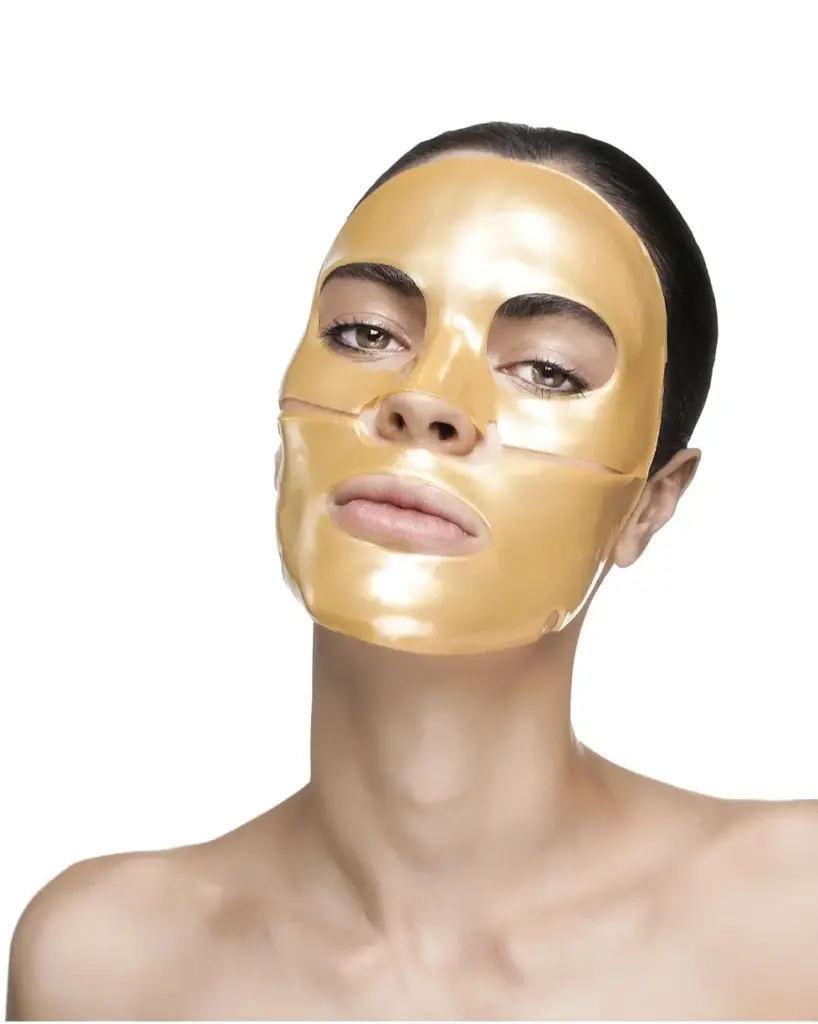
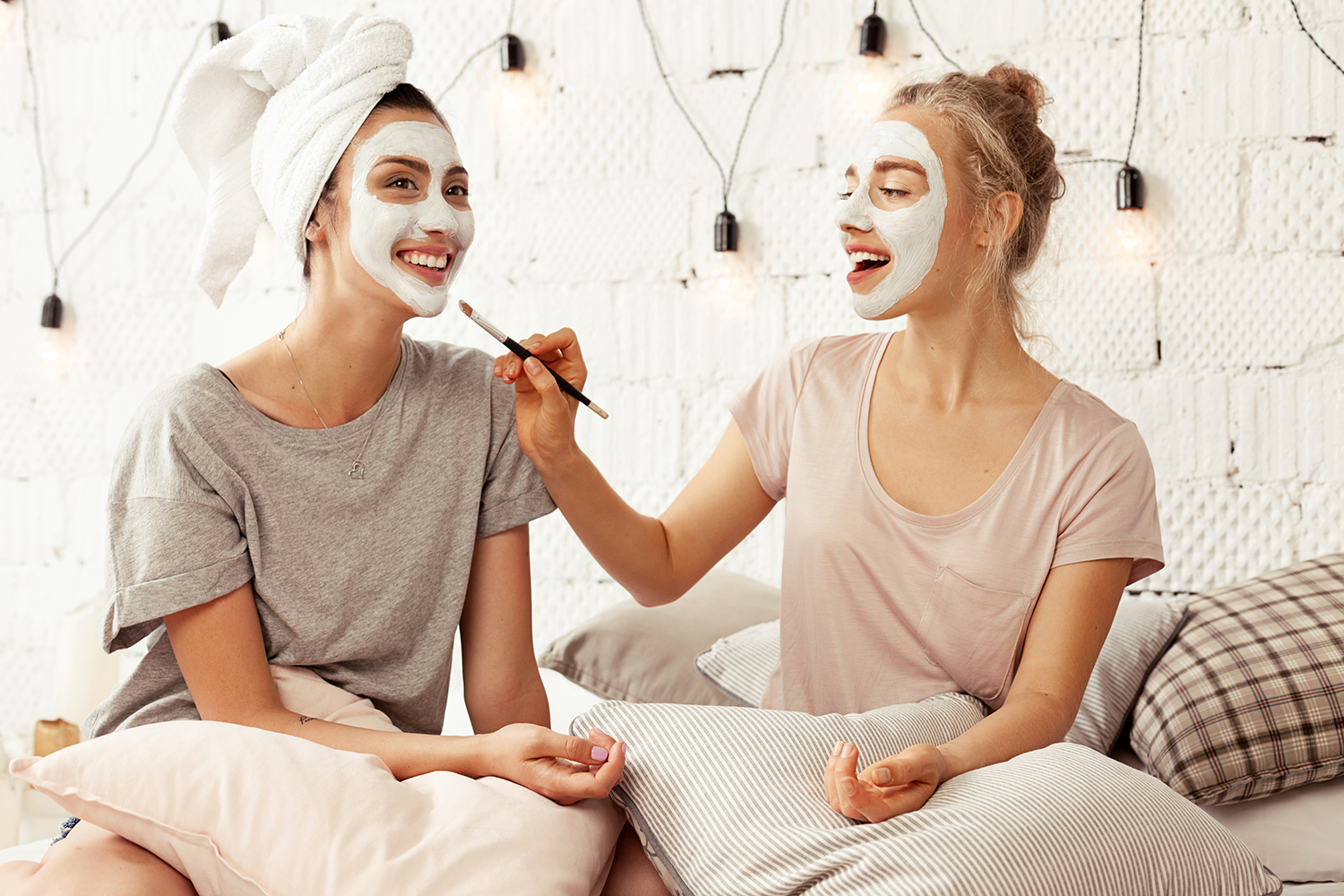
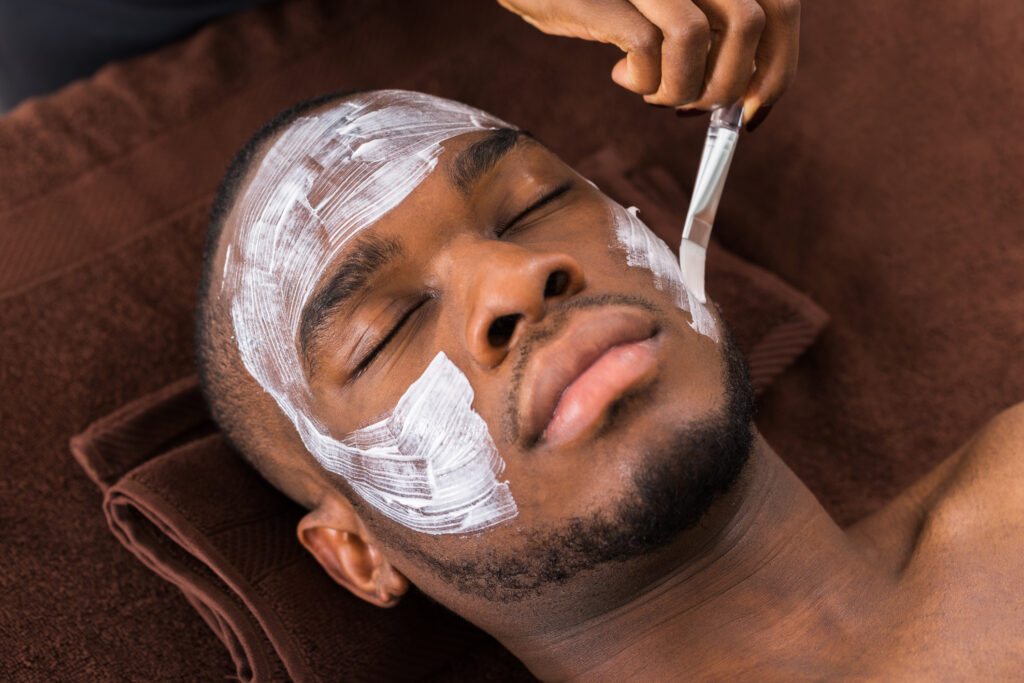
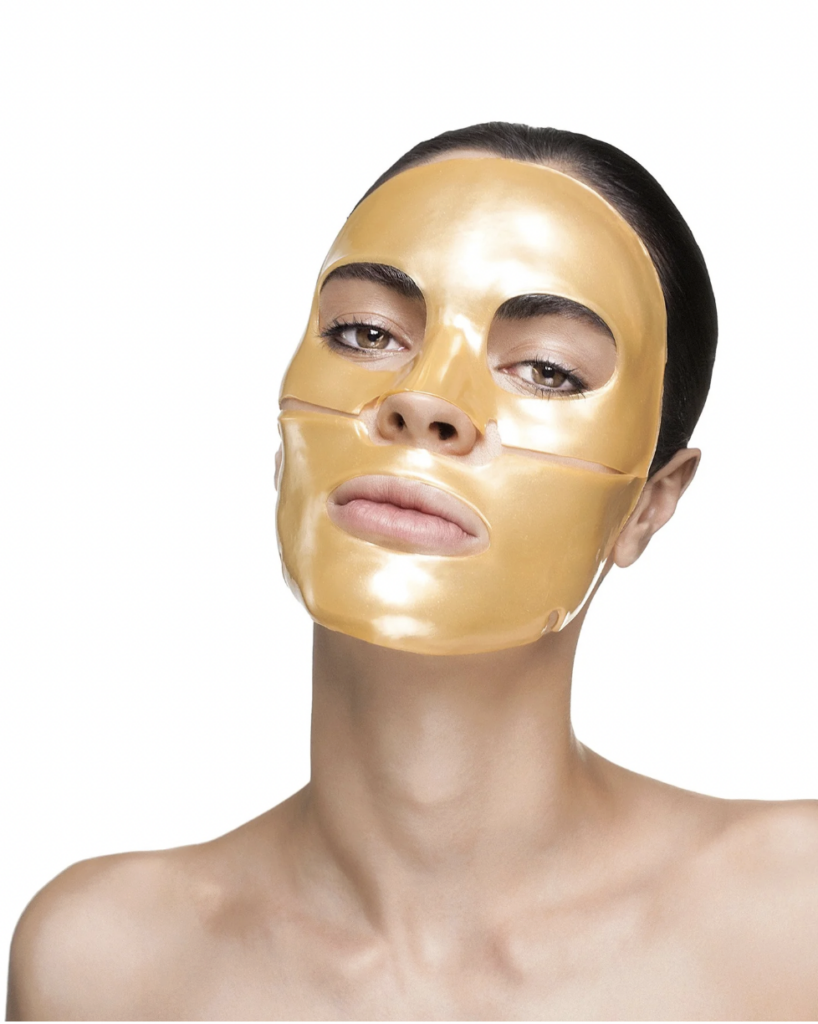
Professional facial masks play an indispensable role in this phase. By creating a temporary occlusive seal over the face, these masks increase skin temperature slightly, causing micro-vessels to dilate and enhancing the penetration velocity of active serums and nutrients. Whether a client presents with tight, flaky skin or a congested, dull complexion, professional masking delivers an immediate, concentrated dose of restorative elements.
LED Light Therapy: Photomodulation for Cellular Renewal
Light Emitting Diode (LED) therapy has evolved from a niche alternative treatment into a cornerstone of modern aesthetic dermatology. Operating on the principle of photobiomodulation, LED treatments deliver specific wavelengths of light into the skin, stimulating cellular metabolism without causing thermal injury or requiring downtime.
- Red Light Therapy (630nm – 700nm): Red and near-infrared wavelengths penetrate deep into the dermal layer, where they are absorbed by mitochondrial chromophores. This process stimulates Adenosine Triphosphate (ATP) production, providing cellular energy that supercharges fibroblast proliferation. The direct result is accelerated collagen and elastin synthesis, smoothing fine lines, improving elasticity, and reversing summer photoaging.
- Blue Light Therapy (400nm – 470nm): Operating at a shorter wavelength, blue light targets and destroys Propionibacterium acnes bacteria living within the sebaceous glands. This is particularly valuable during the seasonal transition, when lingering sweat and sebum can trigger adult acne breakouts.
- Combination Protocols: Modern aesthetic clinics frequently combine red and blue light therapy in a single session to simultaneously address anti-aging concerns, reduce inflammation, and clear congestion.
Official Statements and Expert Perspectives
Leading voices in dermatology, esthetics, and holistic wellness emphasize that skincare must evolve in tandem with environmental cycles.
Dr. Christina Korouchtsidou, a prominent board-certified dermatologist specializing in clinical aesthetics, notes the strategic importance of the seasonal shift:
"Patients often view skincare as a static routine—a set of products they use 365 days a year regardless of the weather. However, the skin is a dynamic, living organ that reacts directly to ambient humidity, barometric pressure, and solar radiation. When autumn arrives, we finally have a window of opportunity where inflammatory triggers decrease. This allows us to transition from passive defense—such as heavy sun protection—to active correction. Procedures like micro-needling, laser resurfacing, and advanced chemical peels yield exponentially better results in October than they do in July, simply because the skin is not fighting an active UV war."
Holistic esthetician and wellness expert Marcus Vance highlights the psychological and physiological intersection of autumn self-care:
"Skincare is deeply intertwined with holistic wellness. The end of summer brings a natural psychological shift; people are returning to structured routines, focusing on their health, and craving tactile, restorative experiences. Hydrating facials and LED light therapy do more than just improve skin metrics—they lower cortisol levels, promote relaxation, and signal to the brain that it is time to transition from high-energy external pursuits to internal self-care. Treating the skin in the fall is an act of grounding."
Industry research from leading spa and wellness networks further underscores this trend. Data analytics from major spa booking platforms indicate a 35% surge in advanced facial treatments and medical spa consultations during the months of September, October, and November, reflecting a growing consumer awareness of seasonal skin synchronization.
Advanced Medical Spa Treatments: Taking Recovery to the Next Level
For individuals exhibiting more significant signs of photoaging, deep-set hyperpigmentation, or textural irregularities, traditional spa facials may serve as a preparatory baseline, while advanced medical spa treatments provide the transformative correction required for true renewal.
Medical-grade facilities operate under the direct supervision of licensed physicians and nurse practitioners, offering clinical-strength procedures designed to remodel tissue architecture from the inside out.
1. Chemical Peels
Autumn is universally recognized by medical aestheticians as "peel season." Chemical peels involve the application of specialized acid solutions (such as glycolic, salicylic, lactic, or trichloroacetic acid) to the skin to exfoliate damaged outer layers and stimulate accelerated cellular turnover.
- Superficial Peels: Target the epidermis to brighten dull complexions and smooth mild texture.
- Medium-Depth Peels: Penetrate into the papillary dermis, effectively addressing stubborn hyperpigmentation, fine wrinkles, and solar elastosis. Because these peels cause localized shedding and temporary photosensitivity, the reduced UV index of autumn makes them infinitely safer and more practical to undergo.
2. Micro-Needling (Collagen Induction Therapy)
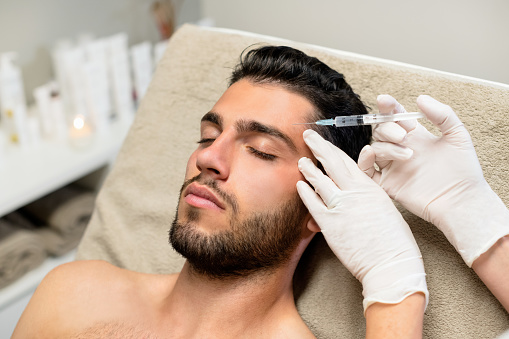
Micro-needling utilizes sterile, micro-fine needles to create controlled micro-injuries in the dermal layer. This mechanical trauma triggers the body’s natural wound-healing cascade, resulting in robust neocollagenesis (the production of new collagen) and neoangiogenesis (formation of new blood vessels).
- Benefits: Highly effective for reducing acne scars, refining enlarged pores, improving skin firmness, and smoothing out fine lines acquired over years of sun exposure.
- Seasonal Advantage: Minimal post-procedure redness typically resolves within 24 to 72 hours. Without the threat of intense summer sun exposure exacerbating post-inflammatory responses, patients can undergo multi-session micro-needling packages with complete peace of mind.
3. Laser Resurfacing and Intense Pulsed Light (IPL)
For advanced photoaging—specifically broken capillaries, persistent redness, and stubborn sun spots—laser and light-based therapies remain the gold standard.
- IPL (Intense Pulsed Light): Targets melanin and hemoglobin chromophores, breaking up clusters of pigment and coagulating broken facial capillaries.
- Fractional Laser Resurfacing: Delivers microscopic columns of laser energy deep into the skin, vaporizing damaged tissue while leaving surrounding bridges of skin intact for rapid healing.
- Why Fall? Strict sun avoidance is mandatory both before and after laser and IPL procedures to prevent severe hyperpigmentation or blistering. The shorter daylight hours and cooler weather of autumn and winter make compliance with strict post-treatment sun protection significantly easier for patients.
Future Outlook: Building a Sustainable Year-Round Skin Wellness Journey
As the wellness and beauty industries continue to evolve, the concept of seasonal skincare is transitioning from a specialized recommendation into a mainstream lifestyle standard. The future of skin health lies in personalized, preventative, and cyclical regimens that respect both internal biological clocks and external environmental realities.
The Rise of Personalized Algorithmic Skincare
Looking ahead, advancements in artificial intelligence and diagnostic skin-imaging technology will allow clinics to map a patient’s specific post-summer degradation metrics with absolute precision. By analyzing TEWL rates, collagen density, and melanin distribution through multi-spectral imaging, practitioners can design bespoke autumn reset packages that combine targeted facials, home-care regimens, and medical spa interventions tailored to an individual’s unique epigenetic profile.
Integrating Mental Wellness with Dermatological Care
The boundary between clinical dermatology and holistic spa wellness will continue to blur. The modern consumer increasingly views skincare not as a vanity-driven chore, but as an essential pillar of mental health and self-care. Wellness retreats, urban day spas, and medical clinics are designing integrated spaces where tactile treatments—such as facial massage, aromatherapy, and red light therapy—are paired with stress-reduction modalities, creating a comprehensive sanctuary for mind-body recovery.
Conclusion: Making This Fall Your Season of Skin Renewal
Autumn is, by its very definition, a season of transition. It invites us to shed the frantic, sun-drenched energy of summer and embrace a period of grounding, repair, and intentional self-care.
By taking a proactive approach to skin health—incorporating deeply nourishing hydrating facials, harnessing the cellular renewal power of LED light therapy, and consulting with qualified medical spa professionals for targeted advanced treatments—individuals can effectively reverse the cumulative toll of summer.
Investing time, resources, and care into your skin today is not merely about achieving a short-term aesthetic glow; it is about establishing a resilient, healthy skin barrier that will protect, radiance, and sustain you throughout the winter months and well into the future. Make this autumn the season you prioritize your skin, align your wellness journey with the rhythms of nature, and step into the cooler months with confidence and vitality.