



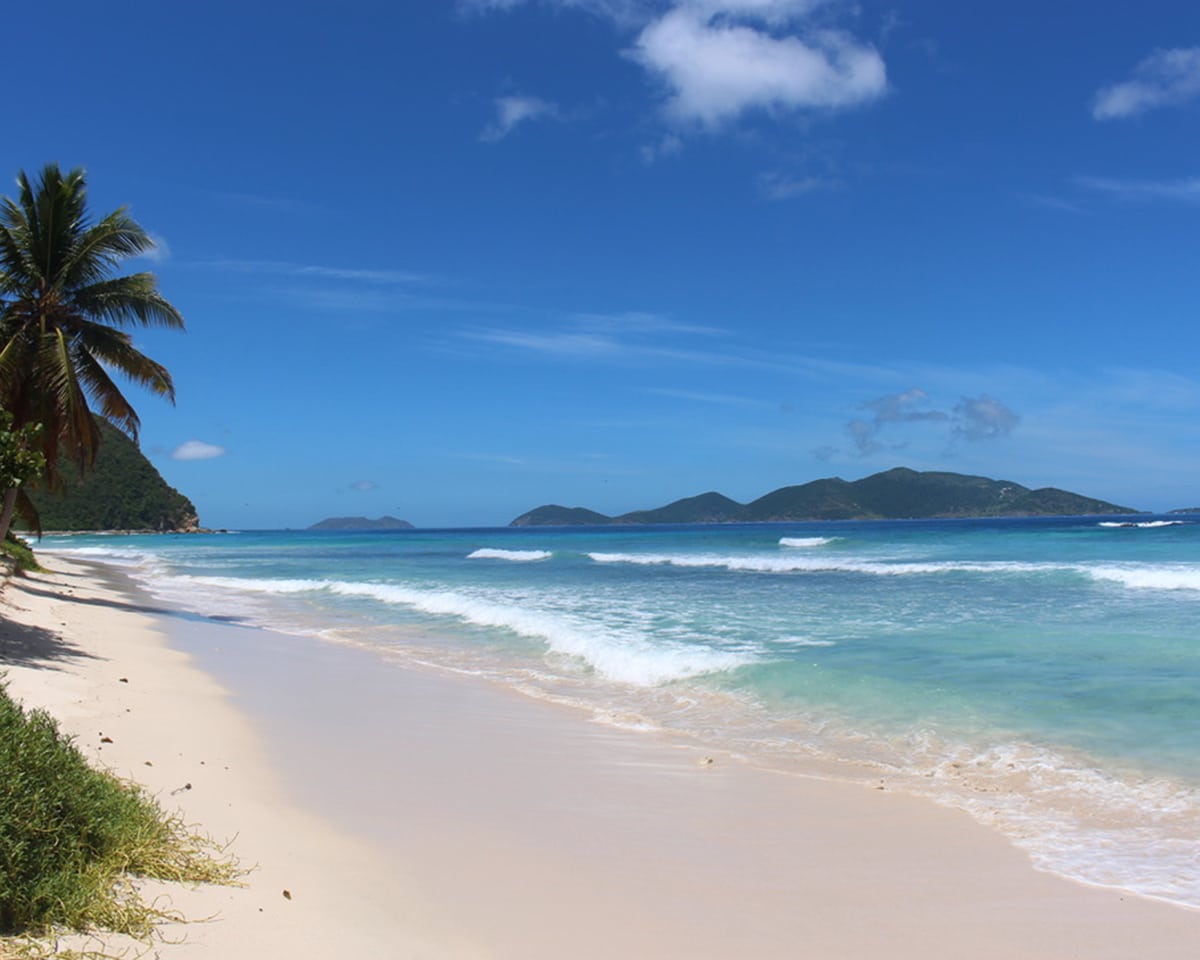
For generations, the global tourism narrative has painted the Caribbean with a singular, tranquil brush: a postcard-perfect expanse of placid turquoise waters, floating beach bars, and long, lazy afternoons swaying beneath the shade of a coconut palm. This sheltered perspective, while undeniably charming, overlooks a wilder, more kinetic dimension of the region.
Turn away from the leeward coastlines and follow the Atlantic-facing shores, and an entirely different Caribbean reveals itself. Here, powerful open-water swells march uninterrupted for thousands of miles before detonating against razor-sharp coral reefs. Trade winds tear across wide beaches, energizing an authentic maritime culture where the daily conversation among locals always begins with the state of the tide and the size of the set.
From the rugged, boulder-strewn headlands of Barbados to the wind-whipped golden expanses of the Dominican Republic and the legendary reef breaks of Puerto Rico, the Caribbean boasts a surf map of surprising depth, power, and historical significance. Far from being a monolithic playground for casual bathers, the region accommodates a vast spectrum of aquatic pursuits. Some breaks feature gentle, rolling white-water waves engineered by nature for the absolute novice taking their very first lesson. Others demand years of elite-level experience, intricate local knowledge of reef channels, and a profound, hard-earned respect for the ocean’s untamed energy.
Crucially, these surf destinations offer profound cultural value even for travelers who never intend to paddle out. Encircled by vibrant communities, these coastal havens blend surf schools seamlessly with rustic rum shops, roadside culinary grills, pulsing live music, and boutique historic hotels where a surfboard leaning against the front door is the ultimate symbol of local aesthetic. This report explores the region’s top surf frontiers, deep-diving into the mechanics of the waves, the infrastructure of the local communities, and the vibrant coastal lifestyle that defines the modern Caribbean surf migration.
Detailed Chronology: The Evolution of Caribbean Surfing
The history of wave-riding in the Caribbean is a rich tapestry woven from indigenous seafaring traditions, colonial maritime history, and the mid-20th-century arrival of modern board-sports culture. Understanding how these coastal zones transformed from hidden local secrets into globally recognized surf meccas requires a chronological look at the region’s marine development.
Pre-Columbian and Colonial Era: The Sea as Lifeline
Long before the invention of the polyurethane surfboard, the indigenous peoples of the Caribbean—including the Arawaks, Tainos, and Caribs—navigated the treacherous Atlantic swells using dugout canoes. While historical records do not formally document recreational wave-riding in the pre-colonial era, these coastal populations possessed an intimate, survival-driven understanding of ocean currents, seasonal wind patterns, and reef topography. Following European colonization, the Atlantic coasts—particularly the windward shores of islands like Barbados and Puerto Rico—were largely avoided for maritime trade due to treacherous conditions, jagged coral barriers, and unpredictable weather, leaving these dramatic shorelines in a pristine, wild state for centuries.
The Mid-20th Century: The Advent of Exploration
The modern era of Caribbean surfing truly began in the post-World War II period. As commercial aviation expanded and adventurous surfers from the United States mainland and Hawaii began casting their nets beyond traditional domestic breaks, the wider Caribbean emerged as a vast, uncharted frontier.
- The 1960s and 1970s: Pioneering surfers traveling with heavy, resin-coated wooden and fiberglass boards began discovering hidden reef breaks in Puerto Rico and Barbados. Word spread slowly through specialized surf magazines and word-of-mouth among global nomads.
- The 1980s: Local surf cultures began to organically take root. On islands like Barbados, homegrown talents began shaping their own gear, establishing the foundations of a localized surf economy. Infrastructure was minimal, consisting mostly of local fishing villages, rum shacks, and dirt tracks leading to dramatic ocean lookouts.
The Turn of the Millennium: Global Recognition and Infrastructure
By the late 1990s and 2000s, the secret was officially out. International surfing federations and media outlets turned their lenses toward the Caribbean.
- The Kelly Slater Era: The global profile of Caribbean surfing skyrocketed when legendary 11-time world champion Kelly Slater publicly praised the caliber of waves found in the region—specifically spotlighting the raw power of Soup Bowl in Bathsheba, Barbados. This endorsement placed Caribbean heavy-water breaks on the international championship circuit radar.
- The Rise of Surf Tourism and Industry: The subsequent decades witnessed the professionalization of the region’s surf industry. Visionary athletes and entrepreneurs—such as Barbadian windsurfing and surf legend Brian Talma—transformed local beach cultures into world-class board-sports hubs. Surfing schools, professional rental shops, eco-lodges, and international competitions transformed once-sleepy fishing hamlets into thriving, sustainable tourism destinations that carefully balance economic growth with environmental conservation of fragile marine ecosystems.
Supporting Context & Metrics: Anatomy of the Atlantic Swell
To truly appreciate why the windward coasts of the Caribbean produce world-class surf while their leeward counterparts remain tranquil, one must examine the physical geography and oceanographic metrics driving the region.
Oceanographic Dynamics
The Caribbean Sea is partially sheltered from the raw, open-ocean energy of the Atlantic Ocean by the island arcs of the Greater and Lesser Antilles. However, during the Northern Hemisphere’s winter months (November through March), massive low-pressure systems developing off the coast of North America and far out in the North Atlantic generate powerful swells that radiate southward.
When these swells travel unobstructed across thousands of miles of deep ocean water, they pack immense kinetic energy. Upon encountering the shallow shelves, underwater canyons, and coral reefs of islands like Barbados, Puerto Rico, and the Dominican Republic, this energy compresses upward, creating steep, hollow, and exceptionally powerful breaking waves.
Comparative Metrics of Caribbean Surf Zones
| Region / Island | Primary Destination | Wave Type | Skill Level Required | Key Geographical Features |
|---|---|---|---|---|
| Barbados (East) | Bathsheba (Soup Bowl) | Right-hand reef break | Advanced to Expert | Steep headlands, massive coral boulders, heavy hollow barrels. |
| Barbados (South) | Freights Bay / Surfers Point | Long lefts / Rolling waves | Beginner to Intermediate | Sheltered bays, thriving surf schools, consistent wind-driven swells. |
| Dominican Republic | Atlantic Coastline | Trade-wind breaks / Reefs | Intermediate to Advanced | Broad sandy expanses, strong offshore winds, dynamic exposure. |
| Puerto Rico | Domes / North Coast | Point & Reef breaks | All levels (Varies by spot) | Deep water trenches, consistent winter swells, vibrant surf towns. |
The Case Study of Bathsheba, Barbados
The east coast of Barbados feels profoundly detached from the placid, resort-heavy waters of the island’s sheltered west coast. Here, the Atlantic arrives completely unfiltered, pushing relentlessly into steep headlands, jagged rock formations, and sweeping coastlines shaped by centuries of unrelenting wave action.
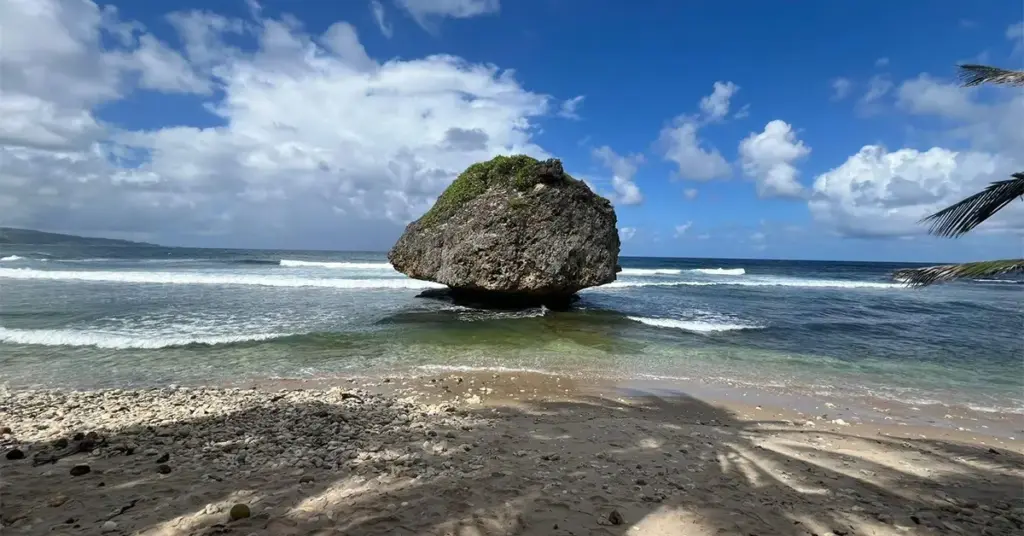
The epicenter of this wild landscape is Bathsheba, a historic fishing village where brightly painted wooden boats rest high above the sand on stone blocks, and enormous, sculptural coral boulders rise dramatically from the churning foam. Surfers are drawn inexorably to Soup Bowl, the island’s undisputed crown jewel and widely considered one of the most mechanically perfect and respected reef breaks in the entire Atlantic basin.
Soup Bowl derives its evocative name from the chaotic, swirling froth created when massive waves break over an irregular, shallow shelf of coral and sea-urchin-laden rock. The wave itself is notoriously fast, hollow, and entirely unforgiving. Its powerful right-hand reef break produces thick, walls of water that rival the heavy, dramatic drops of iconic Hawaiian breaks.
Yet, Bathsheba is far more than an adrenaline factory; it is an atmospheric community. Visitors can spend their mornings watching professional surfers carve down the line from the safety of the dramatic seaside cliffs, enjoy fresh, locally caught flying fish at rustic seaside restaurants, and fall asleep to the thunderous, hypnotic roar of the Atlantic. Historic boutique properties like The Atlantis Historic Inn anchor the destination, offering guests front-row seats to the maritime theater just steps from their door.
Official Statements and Local Perspectives
The harmonious coexistence of rugged adventure tourism and traditional island life has been a cornerstone of local development strategies across the region. Leaders in sports tourism, environmental conservation, and local commerce emphasize the unique socio-economic impact of surfing on these island communities.
"The energy of the Atlantic on our east coast represents the authentic, beating heart of Barbadian maritime culture," notes a senior regional tourism development official. "While our west coast offers tranquility, our windward shores provide a dynamic connection to the natural world. Surfing has empowered local communities, fostered cross-cultural exchange, and positioned our islands as year-round destinations for active travelers who respect the ocean’s raw power."
Local surf pioneers have long championed the inclusive nature of the sport, bridging the gap between elite international competition and grassroots community engagement.
"When we started building the board-sports culture here decades ago, our vision was to create a hub where anyone—from a local child taking their first push into a wave to a world champion visiting from California—could share the exact same horizon," explains Barbadian board-sports icon Brian Talma. Through community spaces like his legendary DeAction Beach Shop on the south coast, Talma helped cement the island’s reputation as a welcoming incubator for global talent. "Surfing is not just about catching a wave; it’s about reading the ocean, respecting the local ecosystem, and building a sustainable lifestyle rooted in the rhythm of the tides."
Hospitality operators along the windward coasts echo these sentiments, highlighting that modern travelers increasingly seek authentic immersion over insulated resort bubbles.
"Guests staying near Soup Bowl or the dynamic breaks of the south coast aren’t looking for sterile luxury," shares a proprietor of a historic east-coast inn. "They want to watch the sunrise over crashing swells, taste authentic island cooking at a roadside rum shop, and engage directly with a community where the ocean dictates the daily flow of life."
Future Outlook: Sustainable Growth and the Next Wave of Caribbean Surf Tourism
As global travel trends shift dynamically toward wellness, active outdoor recreation, and immersive cultural tourism, the future of Caribbean surfing shines exceptionally bright. However, this growth brings distinct challenges that require careful, proactive management from regional governments, local communities, and travelers alike.
Environmental Conservation and Reef Protection
The primary asset of any surf destination is the health of its marine and coastal ecosystems. Coral reefs not only act as natural breakwaters that protect island infrastructure from severe tropical storms, but they also create the precise underwater topography required to shape world-class waves.
- Marine Protected Areas (MPAs): Moving forward, regional authorities are increasingly prioritizing the establishment of protected marine zones around critical surf habitats to prevent overdevelopment, mitigate water pollution, and preserve fragile coral ecosystems.
- Sustainable Infrastructure: New hospitality developments along the Atlantic corridors are heavily leaning into eco-friendly building practices, renewable energy integration, and waste-reduction initiatives to ensure that tourism preserves the natural beauty that attracts visitors in the first place.
Diversifying the Surf Economy
While iconic heavy-water breaks like Soup Bowl will continue to attract elite athletes and international media, the broader economic strategy focuses on accessibility and inclusivity.
- Grassroots Youth Programs: Expanding surf instruction and water-safety programs for local youth ensures that the next generation of islanders can fully participate in and benefit from the growing surf economy.
- Multi-Generational Appeal: By pairing world-class surfing infrastructure with cultural culinary tours, wellness retreats, hiking trails, and historical excursions, destinations are successfully marketing themselves as holistic vacation spots. This ensures that even non-surfing partners, families, and casual travelers find profound value in an Atlantic-coast getaway.
Conclusion
The hidden surf frontier of the Caribbean shatters outdated stereotypes, proving that the region is far more than a sanctuary of passive relaxation. By following the Atlantic swells to the rugged shores of Barbados, the Dominican Republic, and Puerto Rico, travelers unlock a vibrant, high-energy world where powerful natural forces shape both the landscape and the soul of the community. Whether you are an expert charging down the face of a heavy reef break at dawn, a beginner catching your first foam wave on a southern shelf, or a cultural traveler savoring fresh flying fish above the crashing surf, the windward Caribbean offers an unforgettable journey into the heart of the ocean.